Brand:Foxboro Module Item No.:FCP280 Product Origin:USA Product Dimensions:130 x 25 x 100 mm Product Weight:0.4 kg Payment:T/T, Western Union, Credit Card Goods_stock:15 Shipping Port:Xiamen, China Lead Time:1-3 Days Condition:Brand New And Original Warranty:1 Year Certificate:COO
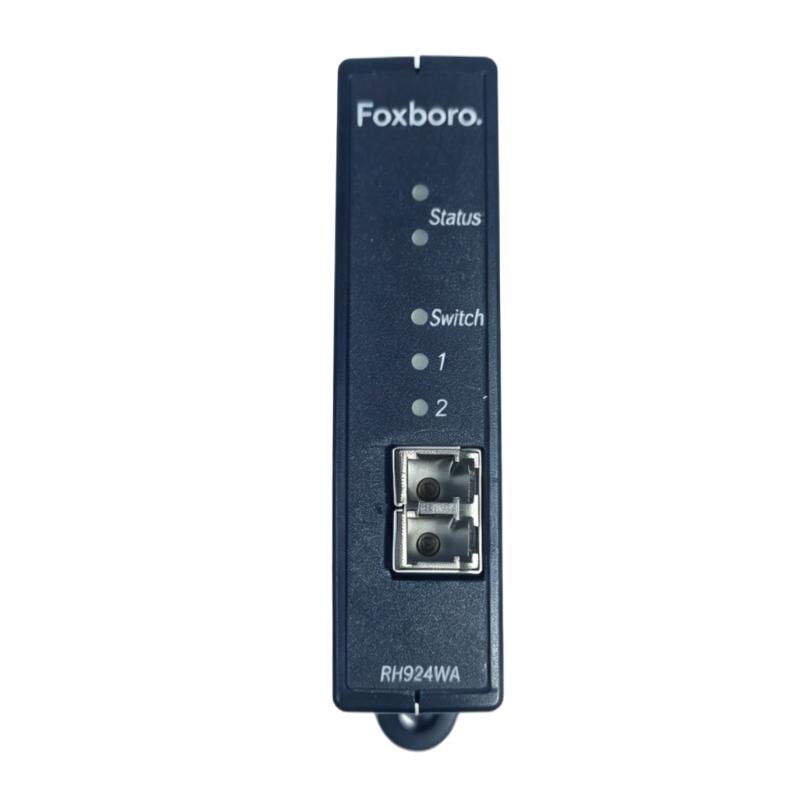
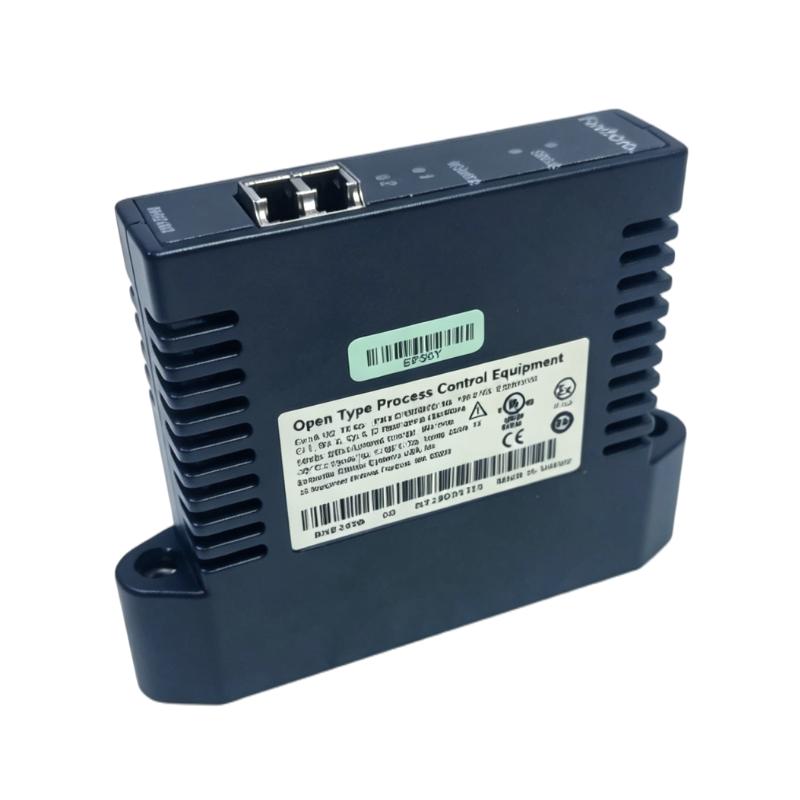
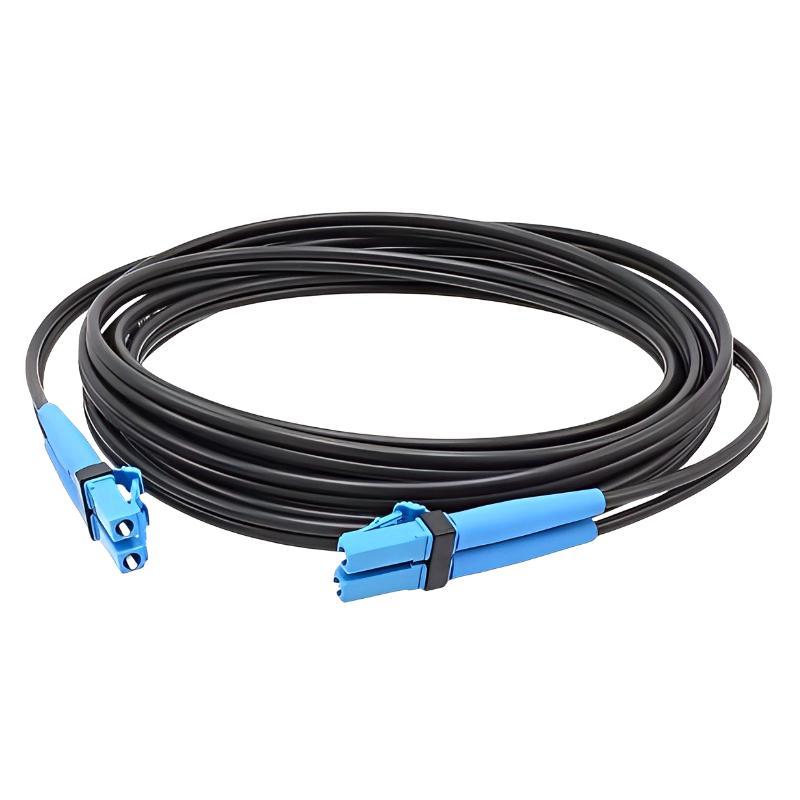
The Foxboro FCP280 RH924WA Fiber Optic Network Adapter is a specialized communication component intended for compatible FCP280 control-system installations. Fiber-optic networking is widely used in industrial automation because it addresses several limitations associated with conductive communication cables.
Industrial plants can contain large motors, variable-frequency drives, generators, transformers, welding equipment, and other electrical systems that generate substantial electromagnetic noise. Copper communication networks can require careful grounding and shielding in such environments, while fiber provides an inherently non-conductive transmission medium.
Another important advantage is electrical isolation. Two control cabinets may operate at different ground potentials, particularly when they are physically separated across a plant. An optical communication link does not create the same conductive path between the cabinets, helping reduce certain ground-related communication problems.
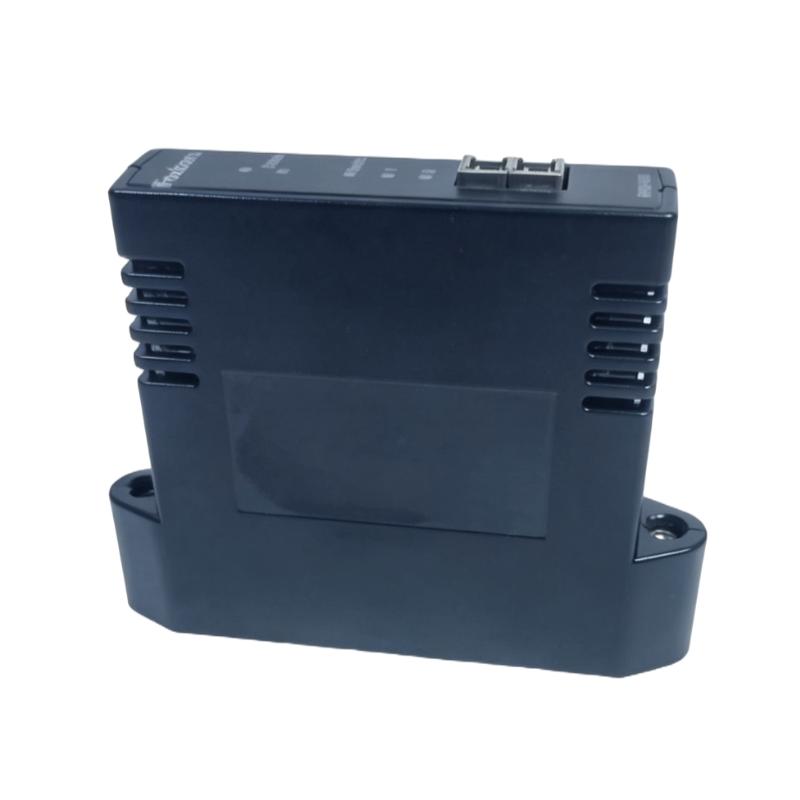
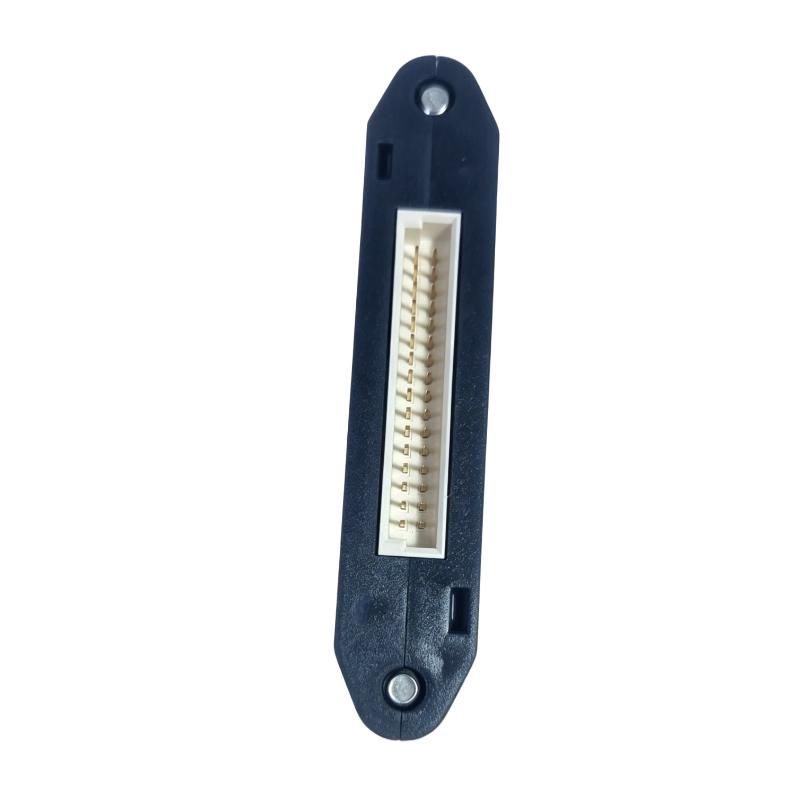
The RH924WA measures 130 × 25 × 100 mm and weighs 0.40 kg (0.88 lb). Its compact format makes it practical for integration into control-system assemblies where cabinet space is limited.
Installation quality has a major influence on optical network reliability. Fiber connectors should be protected from contamination, cables should not be sharply bent or mechanically stressed, and the optical path should be verified before the system is returned to service.
When troubleshooting a communication failure, technicians should separate the problem into physical and logical layers. First verify adapter seating, fiber connections, connector cleanliness, and cable condition. Then check network configuration and control-system diagnostics.
For replacement work, the exact adapter model and optical interface arrangement should be confirmed before disconnecting the existing hardware. After installation, link status and end-to-end communication should be tested rather than relying solely on the presence of power.
Technical Specifications
Parameter
Specification
Brand
Foxboro
Model
FCP280 RH924WA
Product Type
Fiber Optic Network Adapter
Application
Industrial Control-System Networking
Compatible Platform
Foxboro FCP280
Communication Medium
Fiber Optic
Primary Function
Optical Network Connectivity
Typical Installation
Control Cabinet / Network Assembly
Dimensions
130 × 25 × 100 mm
Weight
0.40 kg (0.88 lb)
The Foxboro FCP280 RH924WA measures 130 × 25 × 100 mm and weighs 0.40 kg (0.88 lb).
For reliable operation, the adapter should be installed with compatible optical equipment and properly prepared fiber connections. Fiber cables should be routed with appropriate mechanical protection and without excessive bending or pulling force.
Recommended Related Models
Model / Series
Product Type
Typical Application
Foxboro FCP280 RH924WA
Fiber Optic Network Adapter
Optical control networking
Foxboro FCP280
Field Control Processor
Distributed process control
Foxboro FCP280 RH924YL
Horizontal Mounting Base
Horizontal equipment mounting
Foxboro FCP280 RH924YF
Vertical Mounting Base Plate
Vertical equipment mounting
Foxboro FCP280 I/O Modules
I/O Modules
Process signal interface
These related FCP280 components address processing, networking, I/O, and physical installation requirements. Exact compatibility should be checked against the specific Foxboro control-system architecture.
Popular Related Models
Model / Series
Product Type
Typical Use
Foxboro FCP280 RH924WA
Fiber Optic Network Adapter
Industrial optical networking
Foxboro FCP280
Field Control Processor
Process automation
Foxboro FCP280 I/O Series
I/O Modules
Field signal processing
Foxboro FCP280 RH924YL
Horizontal Mounting Base
Cabinet installation
Foxboro FCP280 RH924YF
Vertical Mounting Base Plate
Cabinet installation
For replacement applications, verify the complete Foxboro FCP280 RH924WA part number, optical interface, connected network equipment, and system configuration before installation. Fiber cleanliness, cable condition, connector seating, and network diagnostics should all be checked during commissioning to ensure stable communication.
Applications
The Foxboro FCP280 RH924WA Fiber Optic Network Adapter is designed for fiber-optic communication within compatible Foxboro FCP280 control-system architectures. It provides an optical networking interface for installations where reliable, electrically isolated communication is important.
Fiber-optic connectivity is particularly valuable in industrial environments where long cable runs, electromagnetic interference, grounding differences, or high electrical noise can make conventional copper communication more challenging.
Typical applications include:
Distributed control systems
Process automation networks
Oil and gas facilities
Chemical processing plants
Refinery automation
Power-generation facilities
Remote process-control cabinets
Large industrial facilities
High-noise electrical environments
Control-system communication infrastructure
The RH924WA can help extend network connectivity between compatible control-system equipment while providing the inherent electrical isolation associated with fiber-optic transmission.
Advantages
The Foxboro FCP280 RH924WA combines compact installation with the advantages of optical communication, making it a useful networking component for demanding industrial control environments.
Fiber-Optic Communication
Optical transmission eliminates the conductive signal path between connected network endpoints, making fiber particularly useful in electrically noisy installations.
Strong Immunity to Electromagnetic Interference
Fiber-optic communication is inherently resistant to electromagnetic interference that can affect conventional copper wiring.
Electrical Isolation
The optical interface can help separate equipment electrically, reducing concerns associated with ground potential differences between connected control cabinets.
Suitable for Distributed Control Systems
The adapter can support communication arrangements where FCP280 equipment is distributed across different cabinets or plant areas.
Compact Hardware Design
With dimensions of 130 × 25 × 100 mm, the adapter can be integrated into space-conscious control-system installations.
Low Weight
The specified weight is 0.40 kg (0.88 lb), making the unit convenient for installation and replacement.
Improved Network Reliability
When properly selected and installed, fiber-optic communication can provide a robust transmission path in environments containing motors, drives, generators, transformers, and other sources of electrical interference.
Technical FAQs
1. What is the Foxboro FCP280 RH924WA used for?
The RH924WA is a fiber-optic network adapter intended to provide optical communication within compatible Foxboro FCP280 control-system installations.
2. Why use fiber optics in an industrial control network?
Fiber optics provide strong immunity to electromagnetic interference and electrical isolation, making them useful in electrically demanding industrial environments.
3. Can fiber communication eliminate ground-loop problems?
Because optical fiber does not provide a conductive electrical path between network endpoints, it can help prevent communication problems associated with ground potential differences.
4. What can cause intermittent fiber-optic communication?
Common causes include contaminated optical interfaces, damaged fiber, excessive bending, poor connector seating, incorrect optical connections, incompatible network configuration, or faulty network hardware.
5. Why is fiber cleanliness important?
Small amounts of dust or contamination on optical interfaces can significantly affect signal quality. Fiber connectors should be handled and cleaned using appropriate procedures.
6. Can a damaged fiber cable appear to be a network configuration problem?
Yes. A partially damaged fiber can produce intermittent communication, packet errors, or complete link loss. Physical fiber inspection should therefore be part of network troubleshooting.
7. What should be checked if the RH924WA does not establish a network link?
Check power, adapter seating, optical connections, fiber routing, connector cleanliness, network configuration, and the status of the connected equipment.
8. How should fiber cable be routed?
Avoid excessive bending, crushing, pulling force, and repeated mechanical movement. The cable should follow the bend-radius requirements specified for the particular fiber assembly.
9. What should be verified before replacing the adapter?
Confirm the exact RH924WA model, compatible FCP280 equipment, network architecture, fiber type, connector arrangement, and configuration requirements.
10. What should be tested after replacing the RH924WA?
Verify physical seating and optical connections first, then confirm link status, communication diagnostics, network connectivity, and normal data exchange with the associated control equipment.