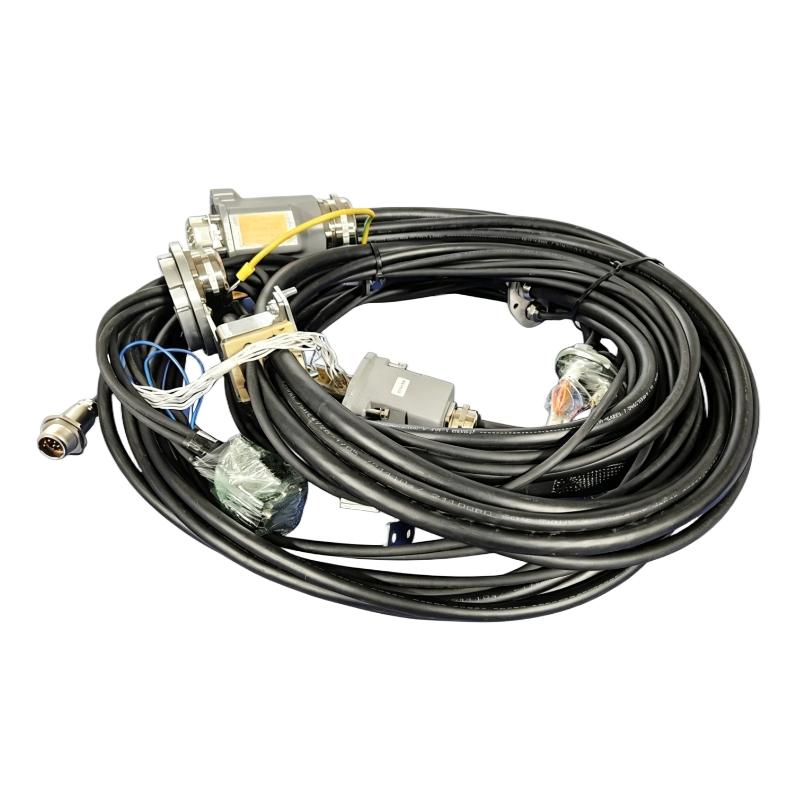
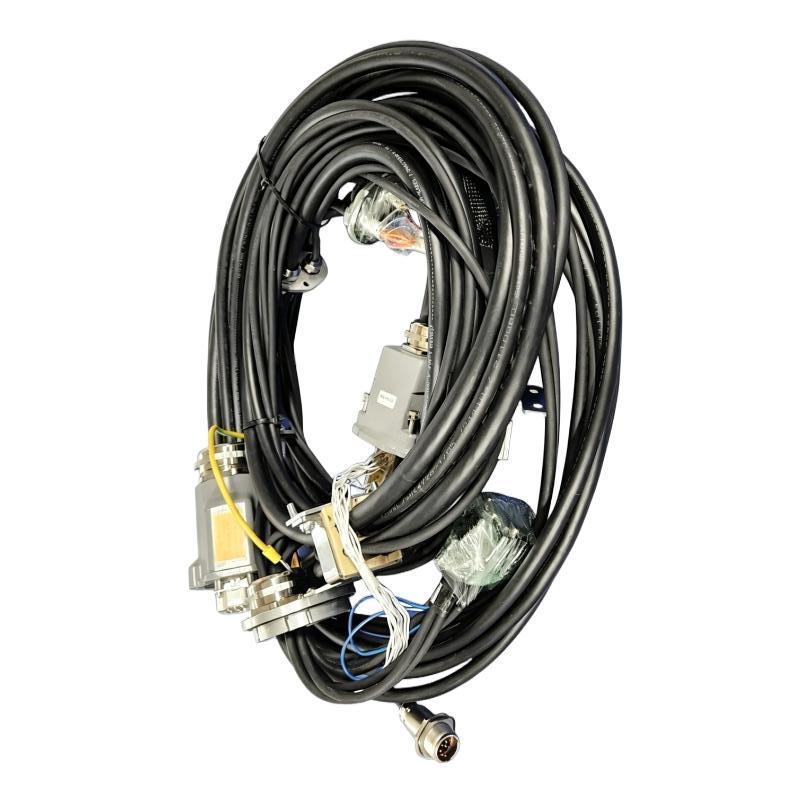
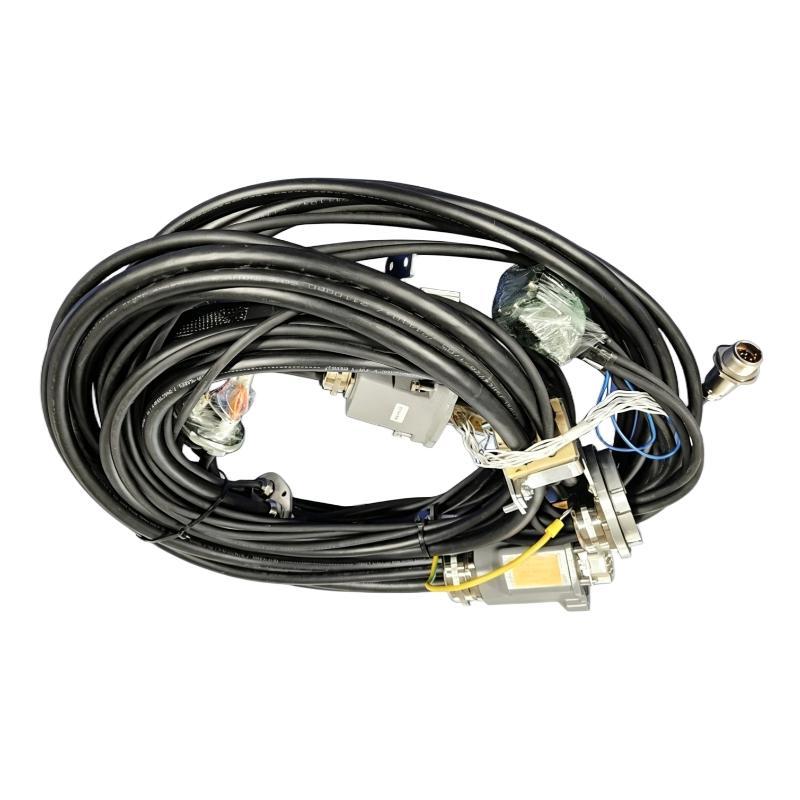
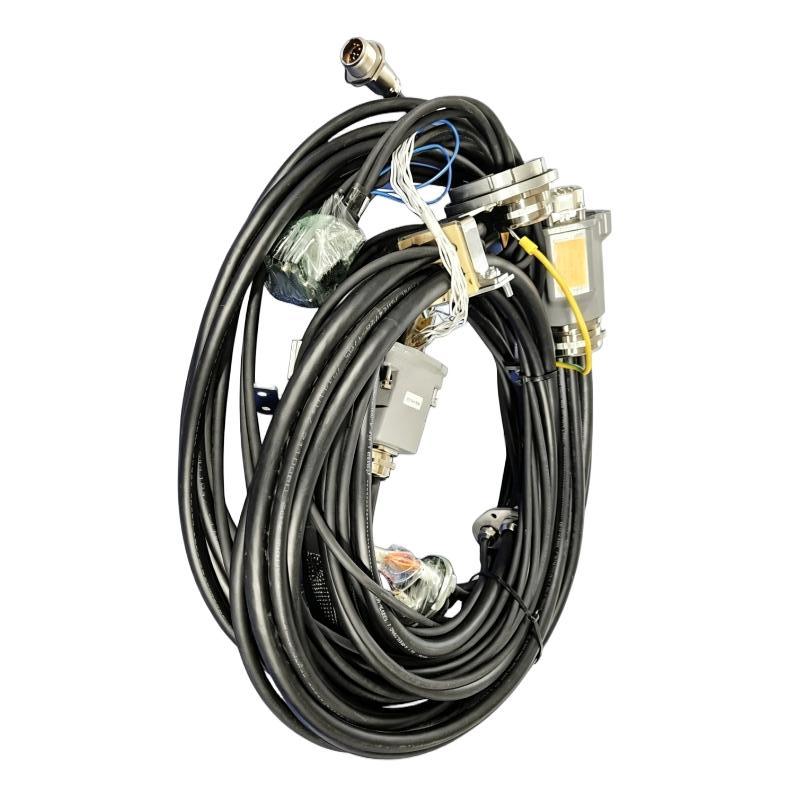
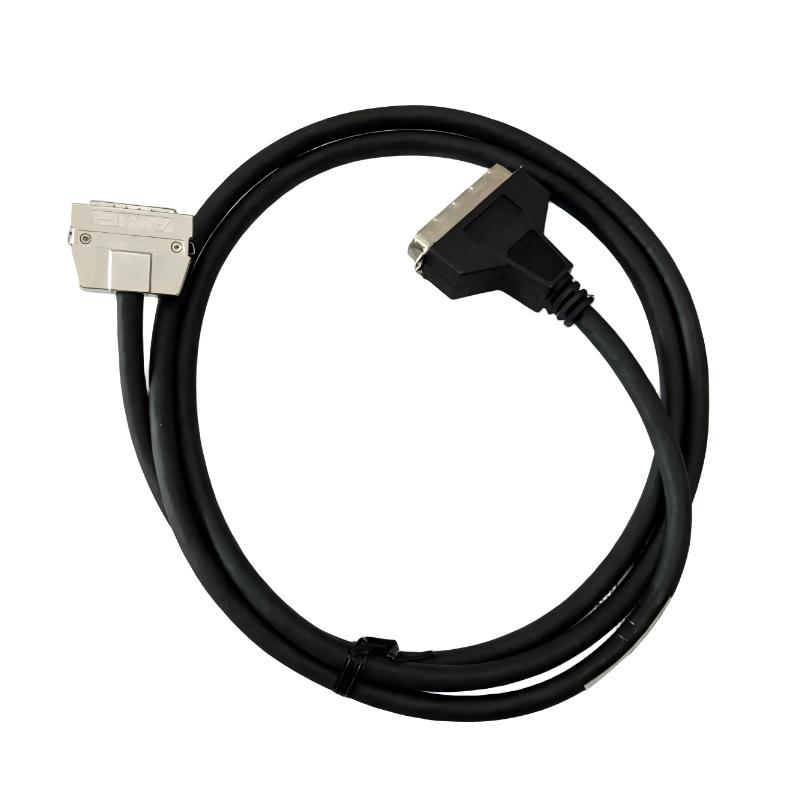
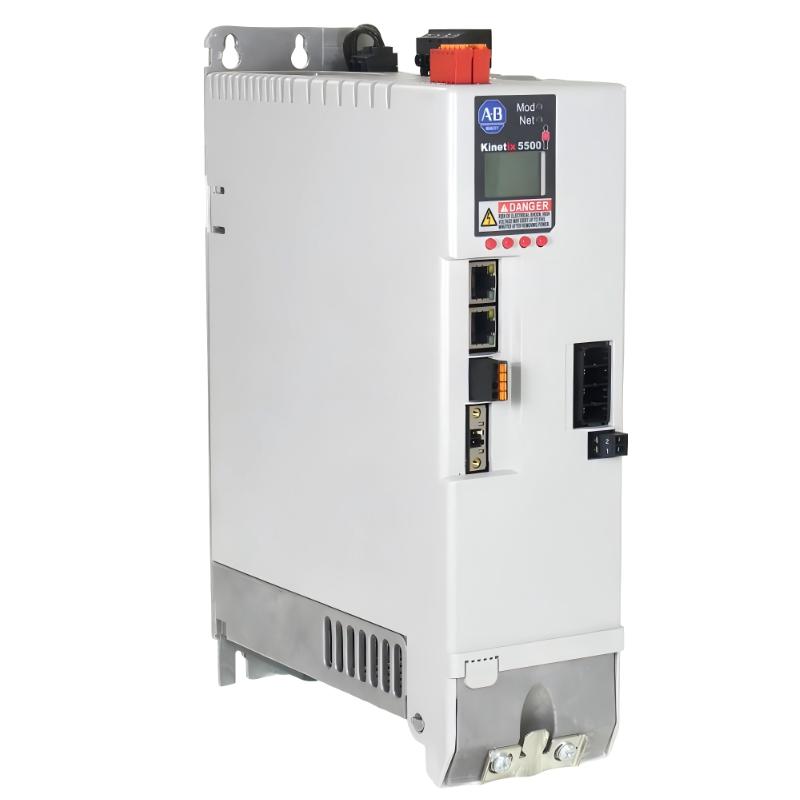
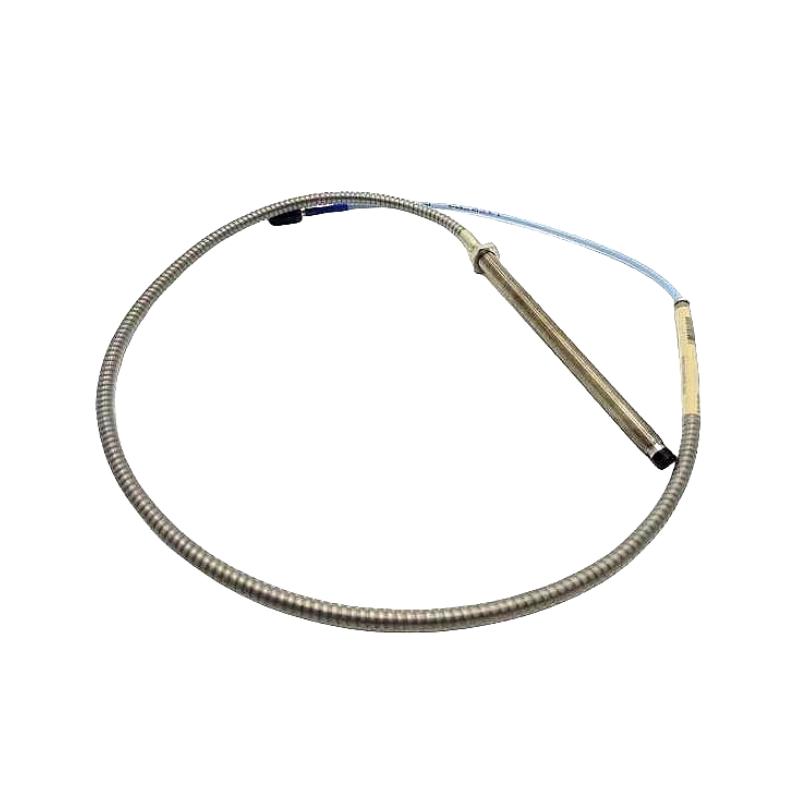
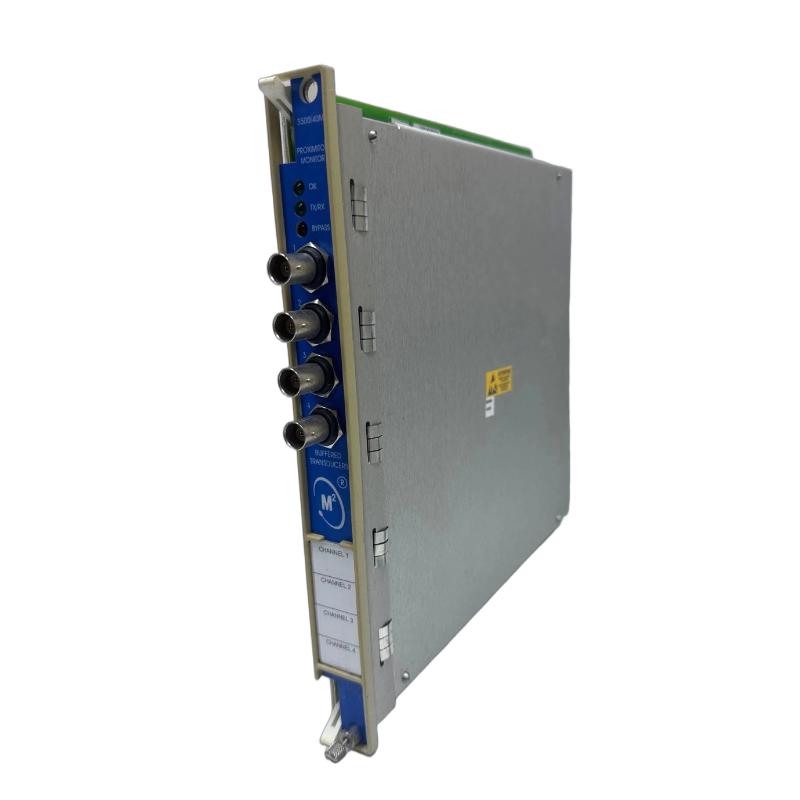
Brand:ABB PLC Item No.:3HAC14940-1 Product Origin:Sweden (SE) Product Dimensions:Cable Length: Optional Product Weight:Shipping Weight: 3 kg Payment:T/T, Western Union, Credit Card Goods_stock:15 Shipping Port:Xiamen, China Lead Time:1-3 Days Condition:Brand New And Original Warranty:1 Year Certificate:COO
The ABB 3HAC14940-1 Robotic Arm Wiring Harness is an important electrical connection component for compatible ABB industrial robot systems. While a wiring harness may not receive as much attention as a robot controller or servo motor, its condition has a direct influence on the reliability of the complete robotic system.
A robot arm is a mechanically dynamic environment. During every production cycle, the arm changes position and repeatedly moves its internal and external cable assemblies. Over time, this mechanical movement can place considerable stress on conductors, insulation, connectors, and protective components.
When a harness begins to deteriorate, the resulting faults can be difficult to diagnose. A robot may operate normally in one position and then generate a feedback or electrical fault when the arm moves to another position. Such behavior can indicate a mechanically induced wiring problem rather than an immediate failure of the motor or controller.
The 3HAC14940-1 provides a dedicated replacement option for compatible ABB robotic arm assemblies. Using the appropriate harness can help restore the intended cable routing and connection arrangement while avoiding unnecessary modifications to the robot.
For maintenance departments, system integrators, and ABB robot service providers, this type of harness is an important spare component for refurbishment and preventive maintenance programs. Replacing aged wiring before a production-critical failure occurs can also be an effective way to improve equipment availability.
Because robotic harnesses can vary according to robot model and configuration, the complete ABB part number should always be verified before ordering or installation. Cable length and connector arrangement should also be matched to the existing robot assembly.
Technical Specifications
Parameter
Specification
Brand
ABB
Part Number
3HAC14940-1
Product Type
Robotic Arm Wiring Harness
Application
ABB Industrial Robot Systems
Primary Function
Robot Arm Electrical Interconnection
Cable Configuration
Harness Assembly
Cable Length
Optional
Installation Area
Robotic Arm Assembly
Typical Use
Maintenance, Replacement and Refurbishment
Dimensions
Harness assembly; overall dimensions depend on configuration
Shipping Weight
3.00 kg (6.61 lb)
Recommended Related Models
Model
Product Type
Recommended Application
ABB 3HAC14940-1
Robotic Arm Wiring Harness
Robot-arm wiring replacement
ABB 3HAC11818-1
Control Cable
ABB control-system interconnection
ABB 3HNE00133-1
Teach Pendant Extension Cable
Extended teach pendant operation
ABB 3HAC020756-001
FlexPendant Cable
ABB robot pendant connection
ABB 3HAC020598-001
USB Data Harness
Controller computer interface
Popular Related Models
Model
Product Type
Typical Application
ABB 3HAC14940-1
Robotic Arm Wiring Harness
Robot-arm electrical connections
ABB 3HAC11818-1
Control Cable
ABB automation system connection
ABB 3HNE00133-1
Teach Pendant Extension Cable
Robot programming and servicing
ABB 3HAC020756-001
FlexPendant Cable
IRC5 FlexPendant connection
ABB 3HAC020598-001
USB Data Harness
ABB controller USB interface
ABB 3HAC022176-001
Ethernet Contact
Robot controller networking
ABB 3HAC023476-001
Control Panel Harness
ABB controller panel connection
The ABB 3HAC14940-1 Robotic Arm Wiring Harness is a practical replacement component for maintaining reliable electrical connections within compatible ABB robotic arms. For production-critical robots, the condition of the harness is worth treating as seriously as the motors and control electronics, particularly when faults appear intermittently during arm movement. Its dedicated design makes it a valuable component for robot maintenance, refurbishment, and long-term spare-parts planning.
Applications
The ABB 3HAC14940-1 Robotic Arm Wiring Harness is a dedicated cable assembly intended for compatible ABB industrial robot systems. Installed around or within the robotic arm assembly, a wiring harness provides organized electrical connections between the robot's moving sections and associated motors, feedback devices, sensors, and other electrical components.
A properly designed robot-arm harness is particularly important in applications involving continuous or repeated movement. Unlike stationary cabinet wiring, cables routed through a robotic arm must accommodate movement while remaining protected against excessive bending, twisting, abrasion, and mechanical stress.
The 3HAC14940-1 can be used in applications such as:
ABB industrial robot maintenance
Robotic arm electrical connections
Robot controller refurbishment
Motor and feedback wiring
Automated assembly systems
Material handling robots
Welding and fabrication cells
Machine tending applications
Production-line robotics
Robot cable replacement projects
Industrial automation equipment servicing
For maintenance engineers, replacing a worn wiring harness can be an effective way to address intermittent electrical problems that are difficult to reproduce during static testing. A new harness can restore the intended routing and connection arrangement while reducing the risk associated with aged or mechanically damaged wiring.
Advantages
Purpose-built robot wiring
The 3HAC14940-1 is identified as an ABB Robotic Arm Wiring Harness, making it suitable for applications where multiple electrical connections need to be routed through the robot-arm assembly in an organized manner.
Supports moving-axis applications
Robot-arm wiring is exposed to repeated movement throughout normal production. A dedicated harness is designed around the physical requirements of robotic equipment rather than the static installation conditions of conventional control-cabinet wiring.
Cleaner cable management
A factory-style harness helps keep related connections organized and routed correctly. This can make inspection, replacement, and troubleshooting easier during routine maintenance.
Useful for intermittent faults
Cable fatigue can result in intermittent signals that appear only when the robot reaches certain positions. Replacing the affected harness can help eliminate problems caused by damaged conductors, worn insulation, or compromised connections.
Reduces improvised wiring
Using the correct replacement harness avoids unnecessary modifications using individually routed cables. Maintaining the intended wiring architecture can simplify future servicing and preserve the original robot configuration.
Practical refurbishment component
For older ABB robots undergoing refurbishment, the wiring harness can be inspected alongside motors, connectors, feedback devices, and other motion-system components. Replacing deteriorated wiring can improve overall system reliability.
Flexible cable configuration
The supplied cable length is specified as optional, allowing the required configuration to be confirmed according to the applicable robot assembly and replacement requirement.
Technical FAQs
1. What is the ABB 3HAC14940-1 used for?
The 3HAC14940-1 is a robotic arm wiring harness designed to provide organized electrical connections within compatible ABB robot-arm assemblies.
2. Why is a dedicated wiring harness important for a robot arm?
A robot arm moves repeatedly during normal operation. Its wiring must therefore accommodate mechanical movement while maintaining reliable electrical connections. A dedicated harness is arranged for the specific robotic installation rather than being treated as ordinary stationary wiring.
3. What types of signals can a robot-arm harness carry?
Depending on the specific harness configuration, robotic wiring assemblies may carry motor, feedback, sensor, control, power, or other system-level signals. The exact circuits supported by the 3HAC14940-1 should be confirmed against the applicable ABB robot configuration.
4. What are typical symptoms of a failing robot wiring harness?
Common indications can include intermittent axis faults, feedback errors, unexpected I/O behavior, signal loss, or faults that occur only when the robot moves through particular positions. Physical inspection may reveal damaged insulation, excessive bending, abrasion, or connector problems.
5. Why can a wiring fault appear only when the robot moves?
A conductor can be partially broken while still maintaining electrical continuity when the robot is stationary. Movement can change the cable's bending position and cause the damaged conductor to open or make intermittent contact, resulting in position-dependent faults.
6. How should the harness be inspected during maintenance?
Inspect the cable jacket, connector assemblies, routing points, clamps, protective coverings, and areas exposed to repeated movement. Look for abrasion, crushed sections, excessive bending, loose connections, and other signs of mechanical deterioration.
7. Can a damaged section simply be repaired instead of replacing the harness?
A temporary repair may restore continuity, but it may not reproduce the mechanical and electrical characteristics of the original harness. For critical robotic equipment, replacing the complete compatible harness is often the more reliable long-term solution when the harness has significant mechanical or electrical damage.
8. Does cable routing affect robot reliability?
Yes. Incorrect routing can introduce excessive tension, bending, twisting, or abrasion. The harness should follow the intended routing path and maintain suitable clearance from moving components and sharp edges.
9. Should the robot be powered down before replacing the harness?
Yes. The robot system should be placed into the appropriate safe maintenance state and isolated according to the applicable plant and equipment procedures before disconnecting or installing electrical wiring.
10. What should be checked after installing a replacement harness?
Verify every connector and cable route, confirm that the harness has sufficient movement clearance, and inspect for potential pinch points. After installation, perform the appropriate electrical and robot-system checks before progressively testing the robot through its operating range.