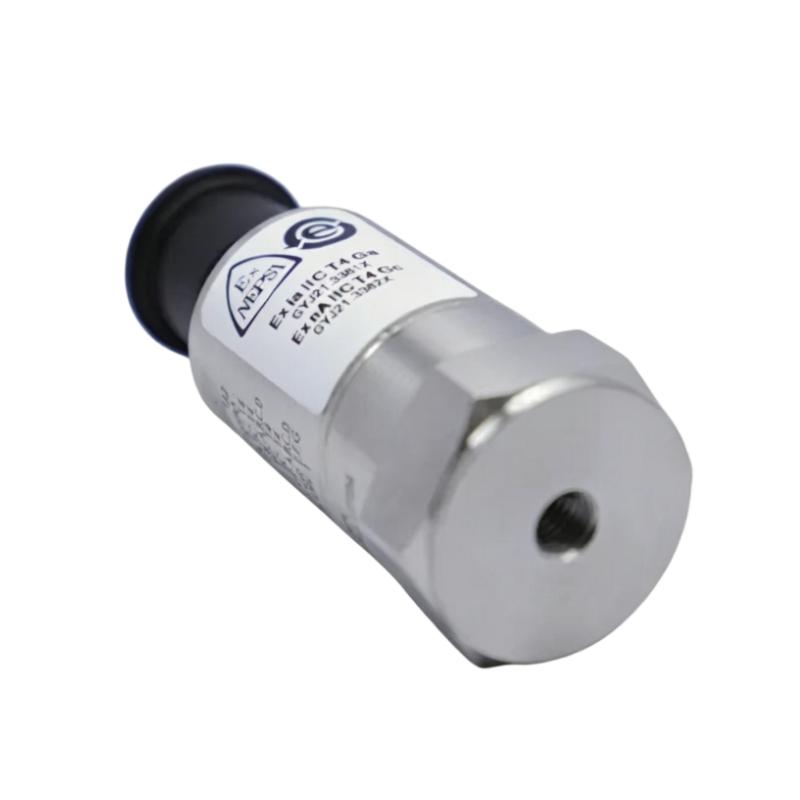
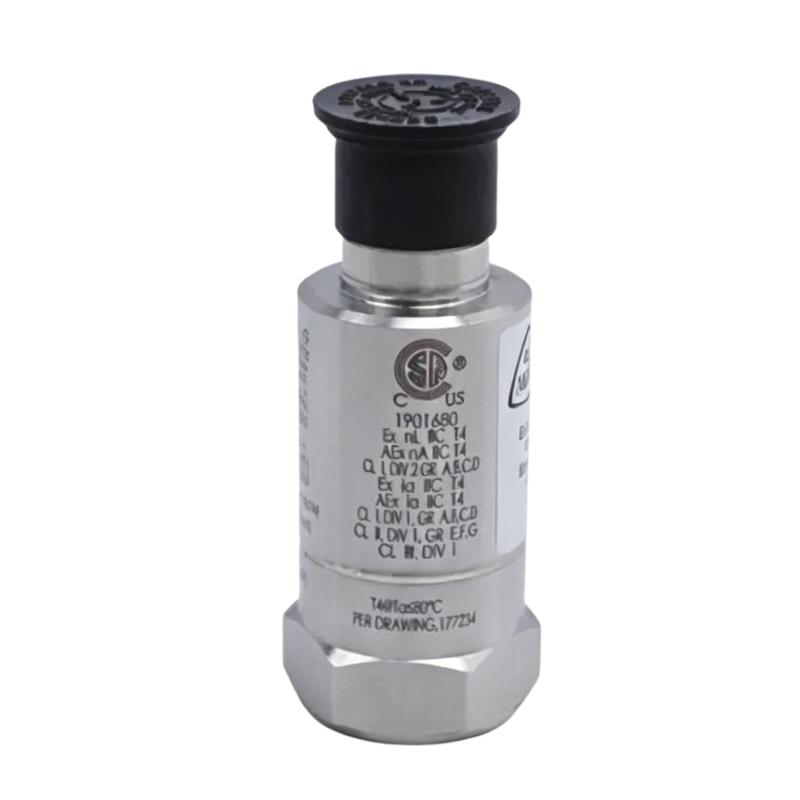
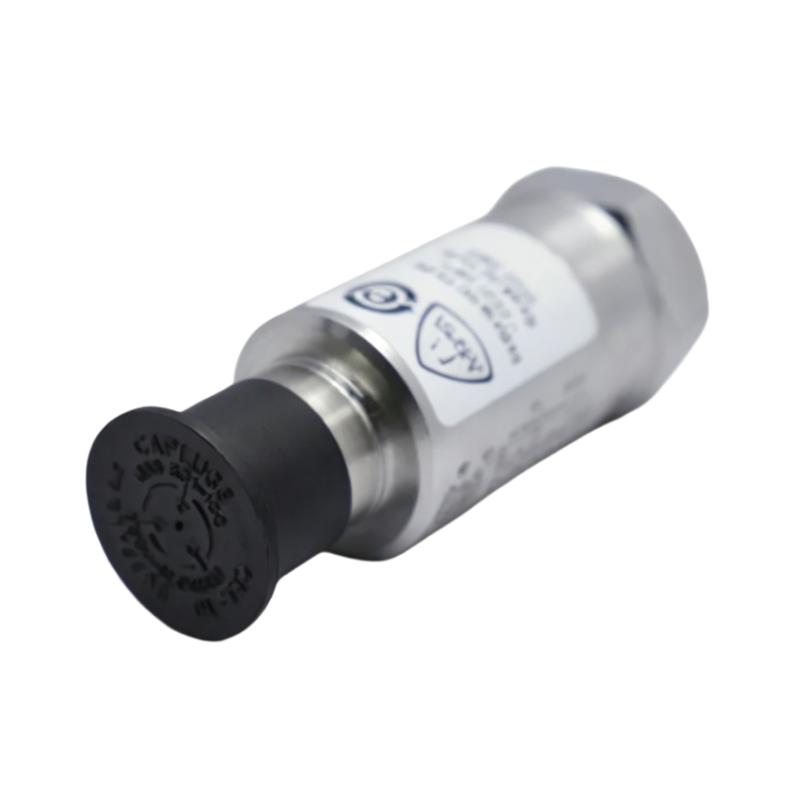
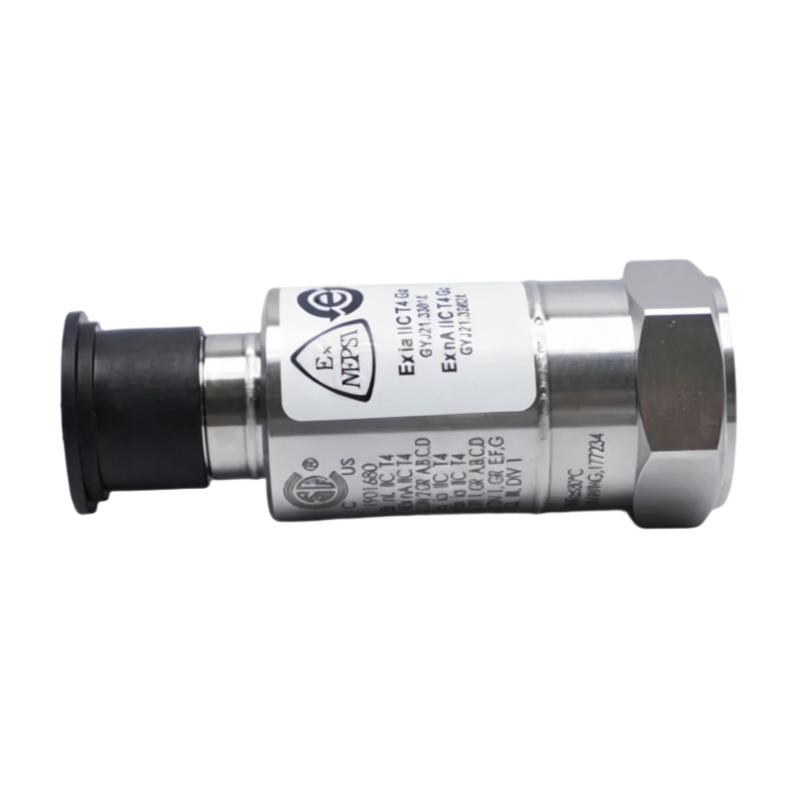
Brand:Bently Nevada PLC Item No.:177230-01-01-BR Product Origin:USA Product Dimensions:Sensor Diameter: 25.4 mm Product Weight:0.131 kg Payment:T/T, Western Union, Credit Card Goods_stock:15 Shipping Port:Xiamen, China Lead Time:1-3 Days Condition:Brand New And Original Warranty:1 Year Certificate:COO
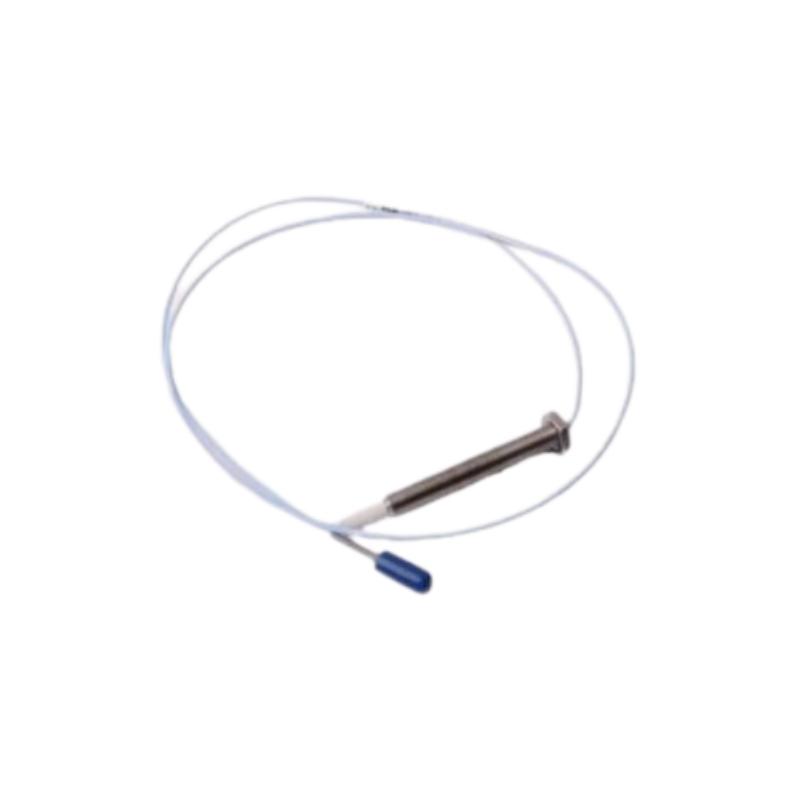
The Bently Nevada 177230-01-01-BR 177230 Seismic Sensor is a compact vibration-monitoring component intended for industrial machinery applications where absolute vibration measurement is required.
Unlike a shaft-relative proximity probe, a seismic sensor responds to vibration of the machine structure. This makes it particularly useful for monitoring the overall vibrational behavior of bearing housings, machine casings, and other structural points on rotating equipment.
The 177230 series is associated with industrial machinery condition monitoring and can be used on common rotating assets including motors, pumps, fans, and compressors. By monitoring changes in vibration levels over time, maintenance teams can gain additional information for condition-based maintenance and machinery health assessment.
The 177230-01-01-BR configuration has a compact 25.4 mm sensor diameter and a lightweight 0.131 kg construction. Its physical format makes it suitable for installations where available space around the machine is restricted.
For industrial users, the value of this type of sensor goes beyond simply obtaining a vibration reading. Properly installed vibration sensors can become part of a broader maintenance strategy in which baseline machine behavior is established, changes are trended, and abnormal conditions are investigated before they develop into more serious equipment problems.
When combined with suitable monitoring and control equipment, the 177230 can therefore contribute to a practical machinery condition-monitoring architecture for both new installations and existing equipment upgrades.
Technical Specifications
Specification
Details
Brand
Bently Nevada
Model
177230-01-01-BR
Product Type
177230 Seismic Sensor
Sensor Type
Seismic Vibration Sensor
Measurement Principle
Absolute / casing vibration
Sensor Diameter
25.4 mm
Weight
0.131 kg (0.29 lb)
Primary Application
Rotating Machinery Vibration Monitoring
Typical Equipment
Motors, Pumps, Fans, Compressors
Installation Location
Machine Casing / Bearing Housing
Monitoring Purpose
Machinery Condition Monitoring
Mounting Consideration
Rigid mechanical coupling recommended
Measurement Orientation
Application dependent
Application Environment
Industrial Machinery
Monitoring Architecture
Compatible vibration monitoring system
The compact 25.4 mm sensor diameter makes the 177230 suitable for machinery locations where installation space is limited. At 0.131 kg (0.29 lb), its lightweight construction also helps simplify sensor installation and equipment integration.
Recommended Related Models
Model
Product Type
Application
177230-01-01-05
177230 Seismic Transmitter
Rotating machinery vibration monitoring
177230-02
Seismic Transmitter
Related seismic vibration monitoring
9200-06-05-05-00
Velocity Seismoprobe
Machinery vibration measurement
9200-09-01-01
Velocity Seismoprobe
Rotating machinery vibration monitoring
74712-06-05-03-00
High Temperature Velocity Seismoprobe
High-temperature vibration applications
330500-00-20
Velomitor Piezo-Velocity Sensor
Piezoelectric velocity measurement
200150-18-CN
Trendmaster Pro Accelerometer
Machinery vibration monitoring
Popular Related Models
Model
Product Type
Typical Application
177230-01-01-05
177230 Seismic Transmitter
Industrial machinery vibration monitoring
177230-02
177230 Seismic Transmitter
Seismic vibration monitoring
9200-06-05-05-00
Velocity Seismoprobe
General rotating equipment monitoring
9200-09-01-01
Velocity Seismoprobe
Machinery vibration measurement
330500-00-20
Velomitor Piezo-Velocity Sensor
Velocity vibration monitoring
330400-01-CN
Acceleration Transducer
Industrial acceleration measurement
200150-18-CN
Trendmaster Pro Accelerometer
Machinery condition monitoring
Applications
The Bently Nevada 177230-01-01-BR 177230 Seismic Sensor is designed for monitoring absolute vibration on industrial rotating machinery. It is intended for applications where vibration information from a machine casing, bearing housing, or structural mounting point needs to be captured and incorporated into a machinery condition-monitoring strategy.
The 177230 family is used for vibration monitoring on equipment such as motors, pumps, fans, compressors, and other rotating assets. Its compact sensing design makes it suitable for installations where reliable casing vibration information is needed without using a large or complicated sensor assembly.
Typical applications include:
Motor casing vibration monitoring
Pump condition monitoring
Fan and blower monitoring
Compressor vibration monitoring
Bearing housing vibration measurement
Rotating equipment condition monitoring
Plant machinery protection
Predictive maintenance systems
PLC and DCS-based vibration monitoring
Industrial asset health monitoring
The sensor is particularly valuable in applications where vibration trends are used to identify developing mechanical problems such as imbalance, misalignment, looseness, bearing deterioration, or other changes in machine operating condition.
For OEM machinery builders, maintenance departments, and industrial system integrators, the 177230 platform provides a practical sensing option for incorporating casing vibration measurements into broader machinery-monitoring systems.
Advantages
The Bently Nevada 177230-01-01-BR provides a compact approach to measuring absolute machine vibration. Its sensing principle is suited to applications where vibration is evaluated relative to the machine casing or structural mounting surface rather than through direct shaft-displacement measurement.
A major benefit of this type of measurement is its usefulness on machines where casing vibration provides meaningful information about overall mechanical condition. It can complement other monitoring technologies and help maintenance personnel build a more complete picture of rotating-equipment health.
The compact sensor format also makes installation practical in locations where available mounting space is limited. With a sensor diameter of 25.4 mm, the device can be incorporated into a variety of machinery-monitoring arrangements.
Key advantages include:
Absolute vibration measurement
Compact industrial sensor design
Suitable for rotating machinery
Useful for condition-based maintenance
Applicable to pumps, motors, fans, and compressors
Supports continuous machinery monitoring
Suitable for OEM equipment packages
Practical for retrofit monitoring projects
Designed for industrial vibration applications
Compatible with broader Bently Nevada monitoring solutions
For customers upgrading an existing machinery-monitoring system, the 177230-01-01-BR can provide a straightforward way to add casing vibration measurement without unnecessarily increasing system complexity.
Technical FAQs
1. What does the Bently Nevada 177230 measure?
The 177230 is designed to measure absolute vibration associated with the machine casing, bearing housing, or structural mounting location. This makes it useful for evaluating the overall vibrational behavior of rotating machinery.
2. What type of machinery can use this sensor?
Typical applications include motors, pumps, fans, blowers, compressors, and other rotating equipment where casing vibration is an important condition indicator.
3. How is a seismic sensor different from a proximity probe?
A seismic sensor measures vibration relative to the machine structure, while a proximity probe measures relative shaft displacement between the probe tip and rotating target. The two technologies provide different types of machinery information and are often selected according to the machine's monitoring requirements.
4. Can casing vibration help identify mechanical problems?
Yes. Changes in casing vibration can provide useful indications of conditions such as imbalance, misalignment, looseness, structural problems, and certain developing bearing or mechanical issues. Proper diagnosis should consider operating speed, load, machine design, and other measurements.
5. Where should a seismic sensor normally be installed?
Installation is generally performed at a mechanically representative location on the machine casing or bearing housing. The mounting point should provide good mechanical coupling to the machine structure and should be selected according to the equipment's vibration characteristics.
6. Is mounting orientation important?
Yes. The sensor orientation should correspond to the intended measurement direction and the monitoring requirements of the machine. Incorrect orientation can result in vibration information that does not accurately represent the desired measurement axis.
7. Can the sensor be used for continuous condition monitoring?
Yes. The 177230 family is intended for industrial machinery vibration monitoring and can be incorporated into continuous monitoring arrangements when paired with compatible signal-conditioning and monitoring equipment.
8. Can a seismic sensor replace a shaft-relative proximity measurement?
Not generally. A seismic sensor and a shaft-relative proximity probe measure different physical quantities. Selection should be based on whether the application requires casing vibration, shaft displacement, or both.
9. What should be checked if the vibration signal appears abnormal?
Technicians should inspect the mounting condition, sensor orientation, cable connections, signal-conditioning equipment, machine operating state, and surrounding electrical environment. The measurement should also be compared with historical operating trends before concluding that the machine has developed a mechanical fault.
10. Can the 177230 be used together with other vibration sensors?
Yes. Using different sensor technologies can provide complementary information. For example, casing vibration measurements can be combined with shaft-relative measurements when a machinery-monitoring application requires both structural and shaft dynamic information.