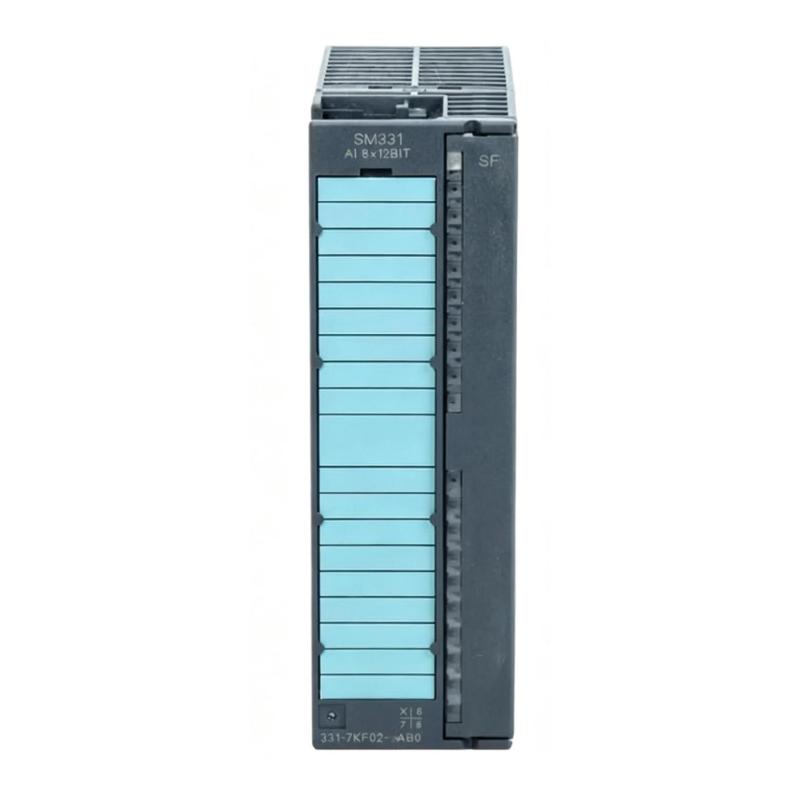
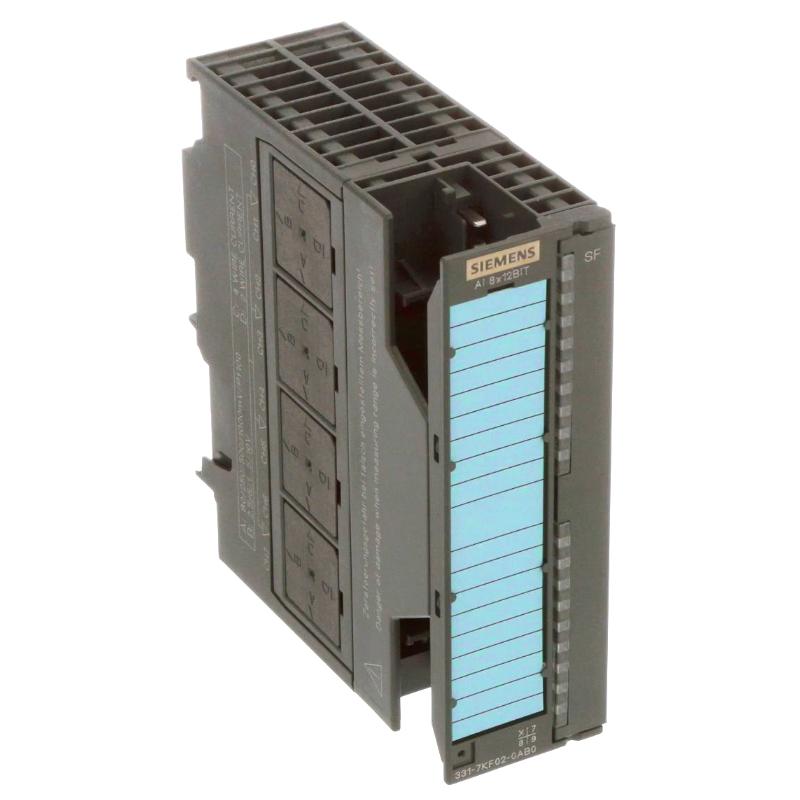
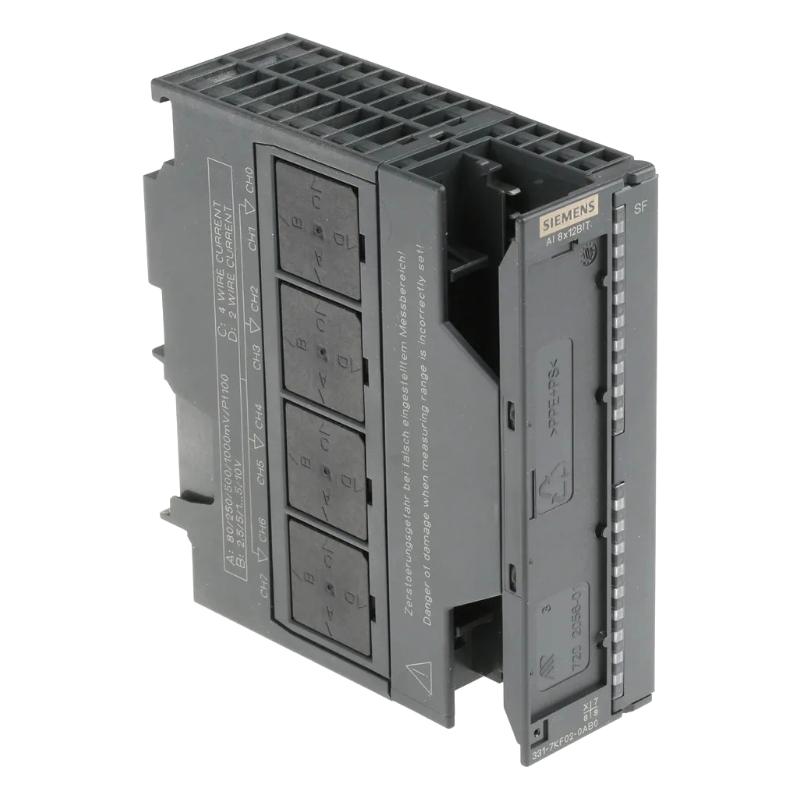
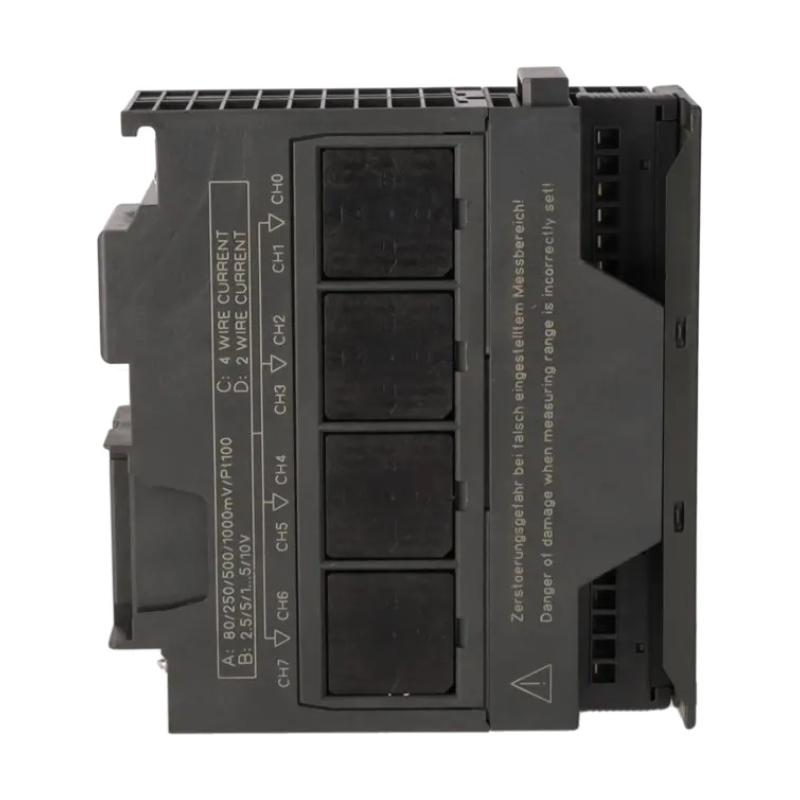
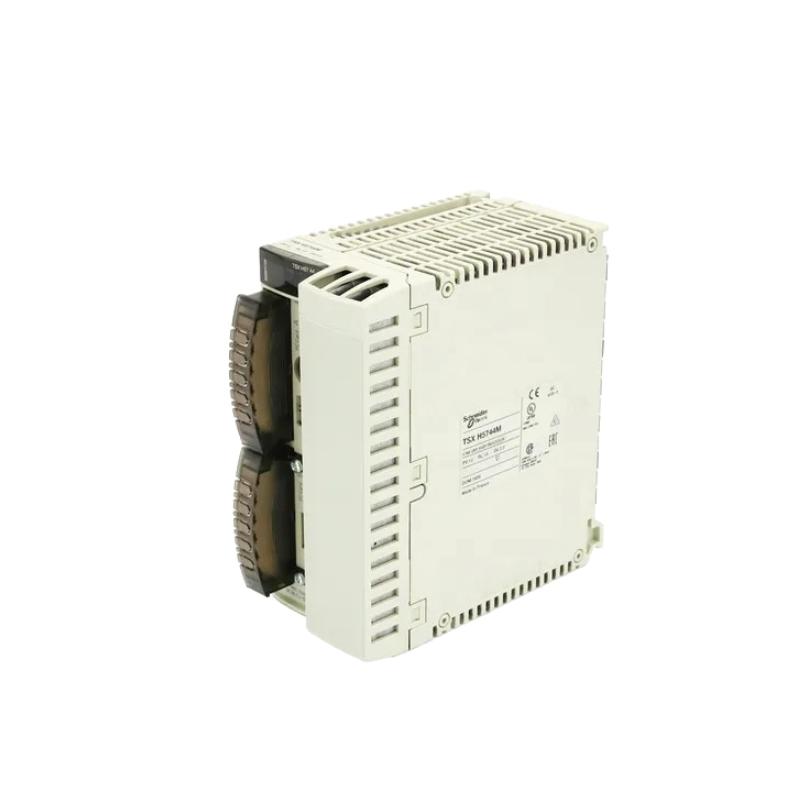
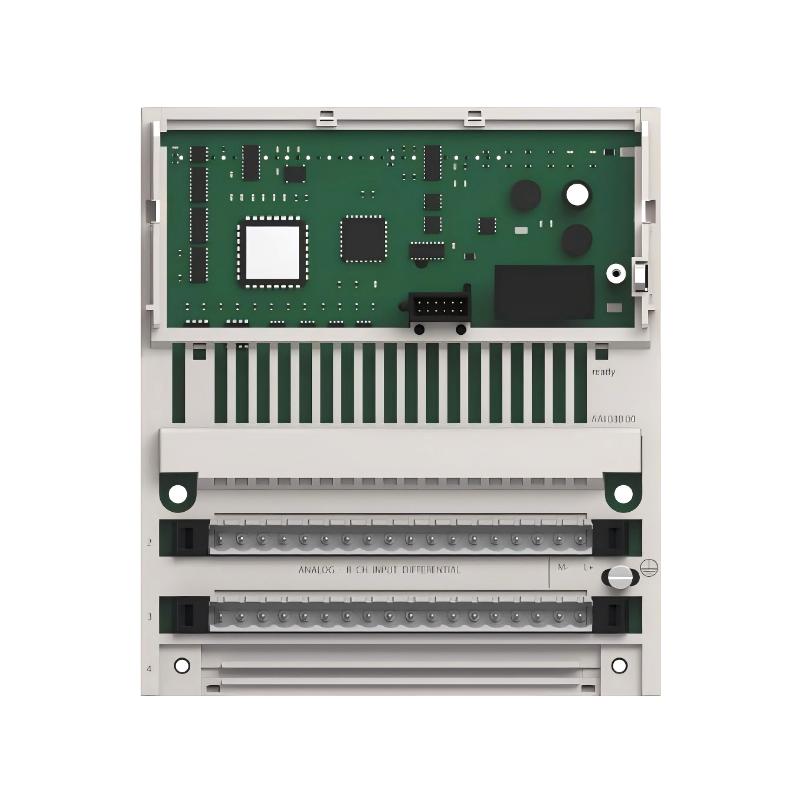
Brand:Siemens Item No.:6AG1331-7KF02-2AB0 Product Origin:Germany Product Dimensions:40 × 125 × 120 mm Product Weight:0.289 kg Payment:T/T, Western Union, Credit Card Goods_stock:15 Shipping Port:Xiamen, China Lead Time:1-3 Days Condition:Brand New And Original Warranty:1 Year Certificate:COO
The Siemens 6AG1331-7KF02-2AB0 Analog Input Module provides a dedicated interface for acquiring analog process information within compatible Siemens automation systems. It allows physical measurements from field instrumentation to become usable data for PLC programs and higher-level control functions.
In modern industrial automation, reliable measurement is fundamental to effective control. A controller can only make appropriate process decisions when the information supplied by sensors and transmitters is accurate and stable. Analog input modules therefore occupy an important position between field instrumentation and the automation controller.
The 6AG1331-7KF02-2AB0 is particularly suitable for applications requiring compact, organized I/O installation. Its 40 mm width makes it practical for control cabinets where multiple modules must be arranged efficiently while maintaining accessible wiring and serviceability.
The SIPLUS design also makes this module an attractive option for industrial users working in applications where environmental conditions place additional demands on automation hardware. For OEMs, system integrators, and maintenance professionals, it can be considered for new installations, system expansions, and replacement projects.
When correctly selected, configured, and installed, the module can contribute to dependable process monitoring and a more responsive automation system.
Technical Specifications and Engineering Data
Specification
Details
Brand
Siemens
Model
6AG1331-7KF02-2AB0
Product Type
Analog Input Module
Product Family
SIPLUS
Module Function
Analog Signal Acquisition
Application
Industrial Automation and Process Control
Installation
Industrial I/O System
Dimensions
40 × 125 × 120 mm
Weight
0.29 kg (0.64 lb)
Recommended Related Models
Model
Product Type
Siemens 6AG1331-7KB02-2AB0
Analog Input Module
Siemens 6AG1331-1KF02-7AB0
Analog Input Module
Siemens 6AG1331-7KF02-2AY0
Analog Input Module
Siemens 6AG1134-6JD00-2CA1
Analog Input Module
Siemens 6AG1131-6BF00-7BA0
ET 200SP Analog Input Module
Popular Related Models
Model
Product Type
Siemens 6ES7331-7KF02-0AB0
SIMATIC S7-300 Analog Input Module
Siemens 6ES7331-7KB02-0AB0
SIMATIC S7-300 Analog Input Module
Siemens 6ES7134-6GF00-0AA1
ET 200SP Analog Input Module
Siemens 6ES7134-6GD01-0BA1
ET 200SP Analog Input Module
Siemens 6ES7155-6AU01-0CN0
ET 200SP Interface Module
Industrial Applications and Measurement Integration
The Siemens 6AG1331-7KF02-2AB0 Analog Input Module is designed to bring continuous process signals into industrial automation systems, providing a practical interface between field instrumentation and PLC-based control. It is suited to applications where measured values must be monitored, processed, and used as part of automated control strategies.
Typical deployment areas include machine building, production lines, process automation, energy systems, equipment monitoring, and industrial instrumentation. Depending on the configured signal type and connected field device, an analog input module can be used to acquire process variables such as temperature, pressure, flow, level, or other continuously changing measurements.
For system integrators and OEMs, the module provides a compact way to expand measurement capabilities within a Siemens automation architecture. It is also a useful component for maintenance and modernization projects where additional analog acquisition points are required.
Core Benefits for Professional Automation Systems
The 6AG1331-7KF02-2AB0 combines compact installation with reliable analog signal acquisition, giving engineers a practical option for industrial control and monitoring applications.
Dependable Process Signal Acquisition
The module provides an organized interface for transferring compatible analog field measurements into the control system, supporting consistent process monitoring.
Designed for Industrial Use
As a SIPLUS component, it is intended for demanding industrial applications where equipment reliability and environmental robustness are important considerations.
Space-Efficient Design
The compact form factor helps engineers make efficient use of control cabinet space, particularly in systems containing numerous I/O channels.
Better Process Visibility
Continuous measurement data allows the PLC to identify process changes and respond according to programmed control strategies, alarms, and operating limits.
Suitable for System Expansion
The module can be considered for automation upgrades where additional analog measurement points need to be incorporated without redesigning the entire control architecture.
Technical FAQs
1. What does the Siemens 6AG1331-7KF02-2AB0 do?
The 6AG1331-7KF02-2AB0 is an analog input module used to acquire compatible continuous electrical signals from field devices and transfer measurement information into an industrial automation system.
2. Why would an automation system require analog inputs?
Many industrial variables are not simply ON or OFF. Analog inputs allow the controller to receive continuously changing measurement values, which can then be used for monitoring, calculations, alarms, and closed-loop control.
3. What types of field instruments can be connected to an analog input module?
Depending on the module's supported electrical characteristics, compatible instruments may include temperature transmitters, pressure transmitters, flow instruments, level transmitters, and other analog-output devices. The signal specification must be confirmed before connection.
4. What should be verified when configuring an analog input channel?
The engineering configuration should match the connected field device and the electrical characteristics of the selected channel. Wiring, signal type, scaling parameters, and PLC hardware configuration should all be checked.
5. Why does an analog signal sometimes fluctuate?
Signal fluctuations can result from electromagnetic interference, poor shielding, grounding problems, unstable sensors, damaged cables, loose terminals, or incorrect configuration. The complete signal path should be inspected rather than immediately replacing the I/O module.
6. How can technicians distinguish a sensor fault from an I/O fault?
Technicians can measure the actual field signal with appropriate test equipment and compare it with the value received by the PLC. If the sensor output is correct but the controller receives an abnormal value, wiring, configuration, and the I/O channel should be investigated.
7. How important is shielding for analog signal wiring?
Shielding can be important because analog signals are susceptible to electrical interference. Proper cable routing, shielding, grounding, and separation from high-power conductors can help maintain stable measurement signals.
8. Can this type of module be used for closed-loop process control?
Yes. Once the input signal is correctly acquired, configured, and scaled, the PLC can use the resulting process value as feedback for appropriate control functions.
9. What should be inspected if a channel suddenly stops reading correctly?
Check the field instrument, its associated power supply where applicable, signal wiring, terminals, channel configuration, PLC hardware configuration, and diagnostic information. This systematic approach helps determine whether the problem is in the field or the I/O system.
10. What maintenance can improve long-term analog input reliability?
Regular inspection of terminals, wiring, shielding, field instruments, environmental conditions, and diagnostic information can help prevent intermittent signal problems and identify developing faults before they affect production.