Siemens

  1. Home
  2. Products
  3. Siemens
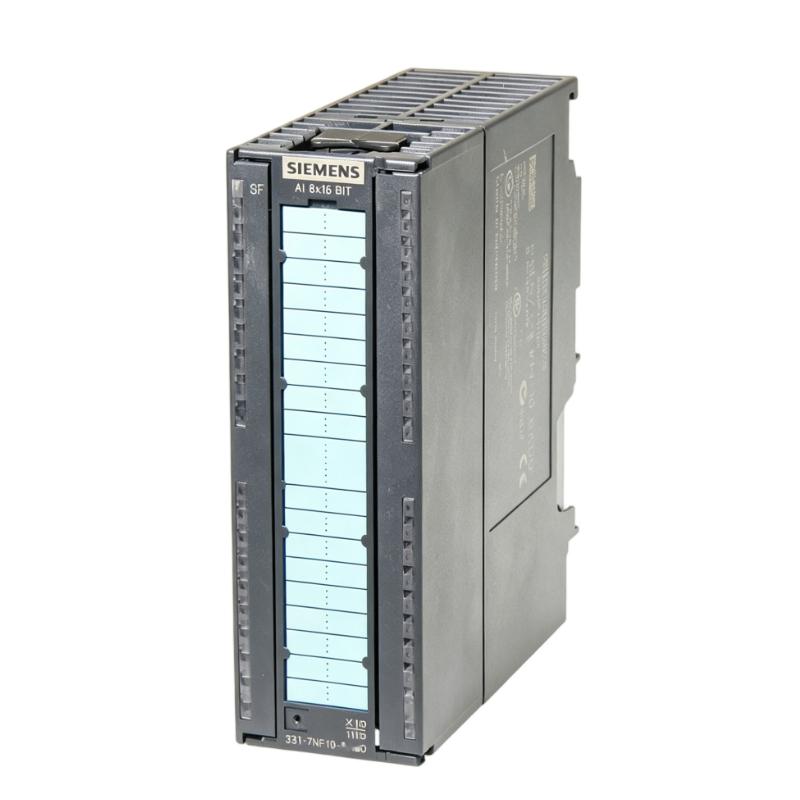
  4. Siemens 6AG1331-7NF10-2AB0 Analog Input Module
Siemens 6AG1331-7NF10-2AB0 Analog Input Module

Siemens 6AG1331-7NF10-2AB0 Analog Input Module

0.0
Points

Brand:Siemens
Item No.:6AG1331-7NF10-2AB0
Product Origin:Germany
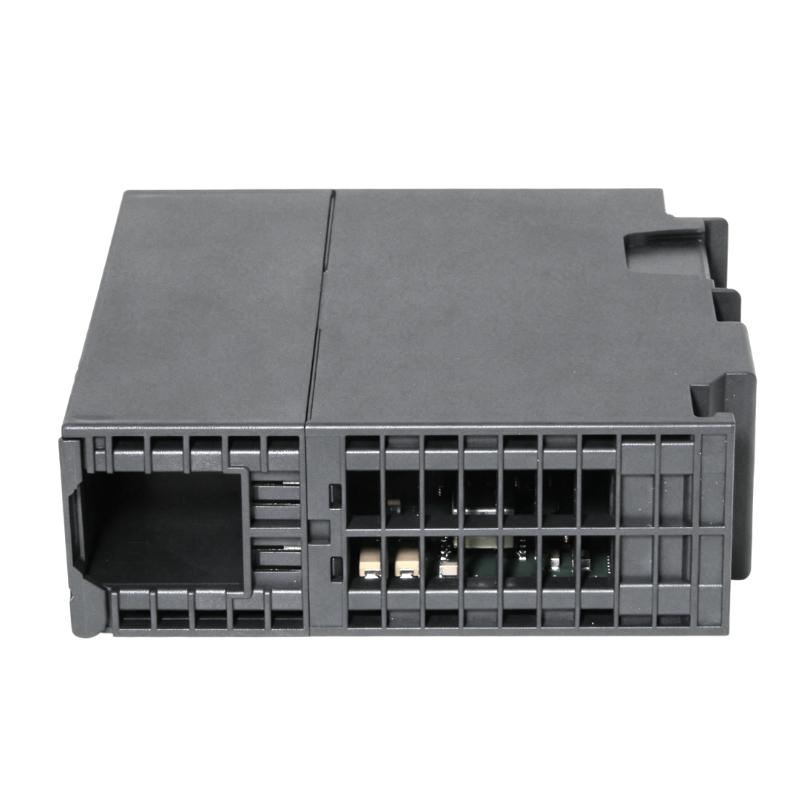
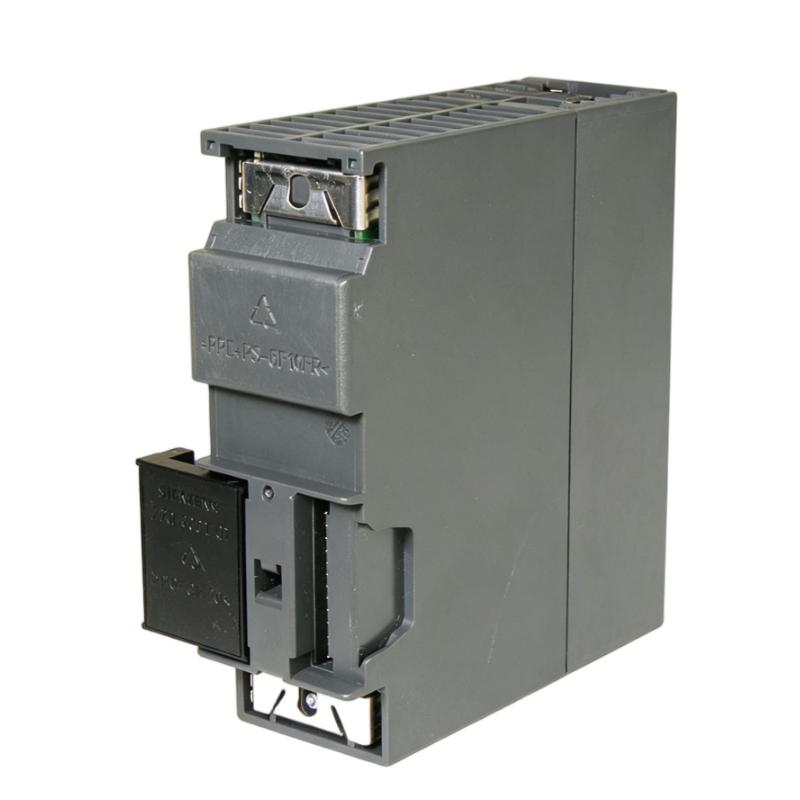
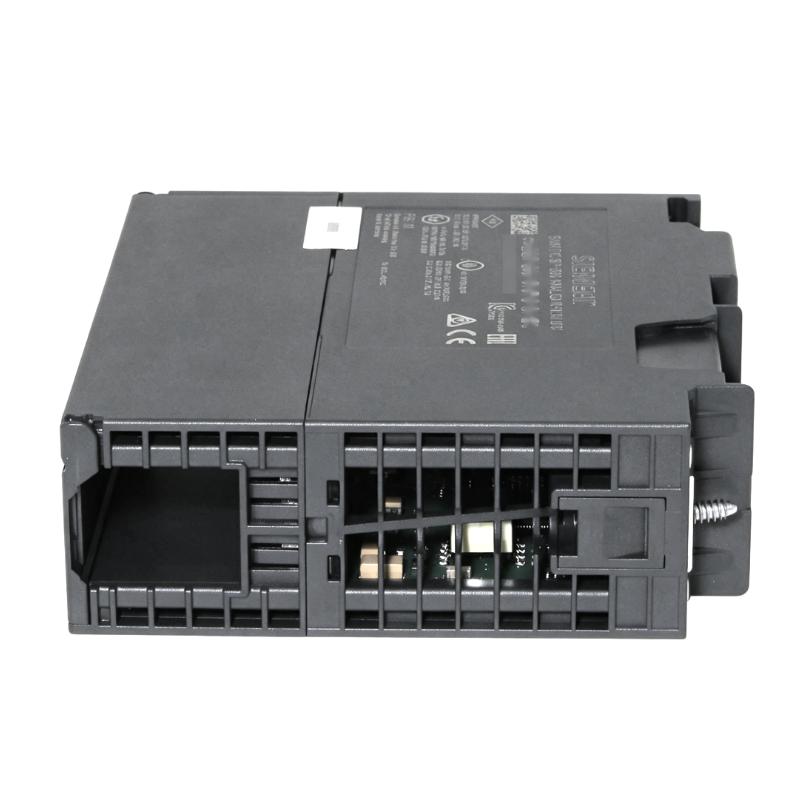
Product Dimensions:40 × 125 × 120 mm
Product Weight:0.328 kg
Payment:T/T, Western Union, Credit Card
Goods_stock:15
Shipping Port:Xiamen, China
Lead Time:1-3 Days
Condition:Brand New And Original
Warranty:1 Year
Certificate:COO

Add to cart


Product Overview

The Siemens 6AG1331-7NF10-2AB0 Analog Input Module is an industrial automation component designed to acquire analog process signals and make them available to a compatible Siemens control system. It provides the critical connection between field measurement equipment and PLC-based automation.

In a modern production environment, accurate process information is essential for maintaining consistent operation. Sensors and transmitters continuously monitor variables such as temperature, pressure, flow, and level, while the analog input system allows the controller to process these measurements and respond according to the application program.

The 6AG1331-7NF10-2AB0 offers a compact solution for applications where analog measurement points need to be integrated into an industrial I/O architecture. Its 40 mm width helps engineers optimize cabinet layouts while maintaining an organized installation.

The SIPLUS design makes the module particularly attractive for demanding industrial applications. It can be considered by OEMs, automation integrators, plant engineers, and maintenance teams working on Siemens-based control systems.

For replacement or expansion projects, engineers should always verify the electrical characteristics, system configuration, supported signal requirements, and application conditions before installation. Correct technical matching is essential for reliable long-term operation.


Technical Specifications and Engineering Data

SpecificationDetails
BrandSiemens
Model6AG1331-7NF10-2AB0
Product TypeAnalog Input Module
Product FamilySIPLUS
Module FunctionAnalog Signal Acquisition
ApplicationIndustrial Automation and Process Control
InstallationIndustrial I/O System
Dimensions40 × 125 × 120 mm
Weight0.33 kg (0.72 lb)

Recommended Related Models

ModelProduct Type
Siemens 6AG1331-7NF00-2AB0Analog Input Module
Siemens 6AG1331-7KF02-2AB0Analog Input Module
Siemens 6AG1331-7KB02-2AB0Analog Input Module
Siemens 6AG1331-1KF02-7AB0Analog Input Module
Siemens 6AG1134-6JD00-2CA1Analog Input Module

Popular Related Models

ModelProduct Type
Siemens 6ES7331-7NF10-0AB0SIMATIC S7-300 Analog Input Module
Siemens 6ES7331-7NF00-0AB0SIMATIC S7-300 Analog Input Module
Siemens 6ES7331-7KF02-0AB0SIMATIC S7-300 Analog Input Module
Siemens 6ES7331-7KB02-0AB0SIMATIC S7-300 Analog Input Module
Siemens 6ES7134-6GF00-0AA1ET 200SP Analog Input Module


Industrial Applications and Process Measurement

The Siemens 6AG1331-7NF10-2AB0 Analog Input Module is designed for automation systems that need to collect reliable analog process information from field instrumentation. It provides an important interface between measuring devices and the PLC, allowing continuously changing process values to become usable data for monitoring, control, and diagnostic functions.

The module is well suited to manufacturing machinery, process control, production equipment, energy systems, industrial instrumentation, and plant monitoring applications. Where compatible sensors or transmitters are used, analog acquisition can provide the controller with valuable information about changing operating conditions.

For machine builders and system integrators, the 6AG1331-7NF10-2AB0 can be a practical choice when additional analog measurement capability is required within a Siemens automation architecture. Its compact design also supports efficient control cabinet planning.


Main Advantages for Industrial Automation

Reliable Measurement Interface
The module provides a dedicated interface for bringing compatible analog field signals into the automation system, supporting consistent process monitoring.

Compact Industrial Design
Its 40 mm width allows efficient use of cabinet space, which is valuable in automation panels containing multiple I/O and control components.

Suitable for Demanding Applications
As a SIPLUS component, it is intended for industrial environments where automation hardware may need to operate under challenging environmental conditions.

Improved Process Visibility
Analog measurement allows the controller to work with changing process values instead of relying exclusively on discrete status information.

Practical for System Expansion
The module can be considered for compatible Siemens automation upgrades, additional measurement points, and equipment modernization projects.


Technical FAQs

1. What is the purpose of the 6AG1331-7NF10-2AB0?

The 6AG1331-7NF10-2AB0 is an analog input module used to acquire compatible analog signals from field instruments and transfer the measurement information into an industrial automation system.


2. Why are analog inputs important in industrial control?

Many physical process variables change continuously. Analog inputs allow the PLC to receive numerical measurement information that can be used for monitoring, calculations, alarms, and appropriate control functions.


3. What types of instruments can be connected to an analog input module?

Depending on the module's electrical specifications, compatible field instruments may include temperature, pressure, flow, level, and other process transmitters. The electrical characteristics of the instrument must be matched with the input configuration.


4. What should be checked before commissioning an analog channel?

Verify the field device, signal type, wiring, polarity, shielding, grounding, channel configuration, PLC hardware configuration, and scaling parameters before placing the system into operation.


5. What causes unstable analog readings?

Common causes include electromagnetic interference, poor grounding, inadequate shielding, damaged cables, loose connections, unstable field instruments, and incorrect configuration.


6. How can technicians determine whether the sensor or I/O module is faulty?

The field signal should first be measured directly with appropriate test equipment. Comparing the actual signal with the value received by the PLC can help determine whether the problem originates from the sensor, wiring, configuration, or I/O hardware.


7. How does electromagnetic interference affect analog inputs?

Electrical interference can introduce unwanted fluctuations or deviations into analog measurements. Proper cable routing, shielding, grounding, and separation from high-power equipment can help reduce these effects.


8. Can the acquired value be used as feedback for automatic control?

Yes. After the input is correctly configured and scaled, the PLC can use the acquired process value for suitable closed-loop control, monitoring, alarm handling, and other programmed functions.


9. What should be inspected when an analog channel suddenly reports an abnormal value?

Inspect the connected instrument, its associated power supply, field wiring, terminals, channel configuration, PLC hardware configuration, and diagnostic status. Testing the signal at several points can help isolate the source of the problem.


10. How can regular maintenance improve analog input reliability?

Periodic inspection of wiring, terminals, shielding, grounding, connected instruments, and diagnostic information can help identify loose connections, deteriorating field devices, and other potential causes of signal problems before they lead to production interruptions.


Look forward to your comments!Comment
Latest comments
Tags:
Need Assistance? Chat with Us on WhatsApp!
Need Assistance? Click to Inquire
Back to top