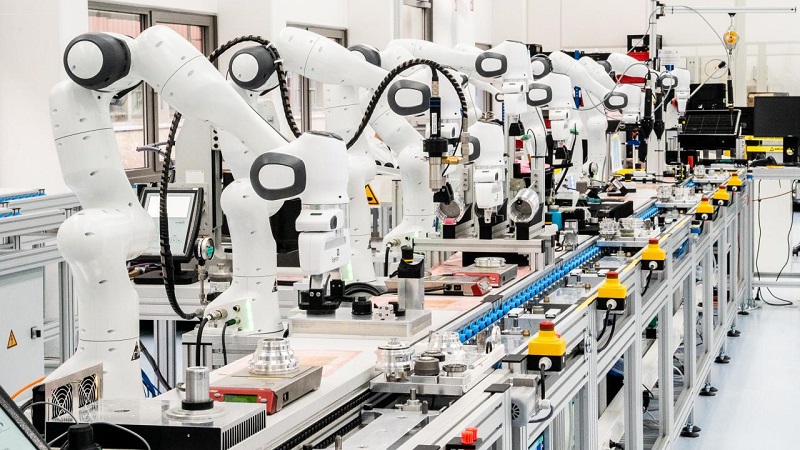
ABB Advances Industrial Automation and Digital Transformation With Smart Control Systems and Intelligent Manufacturing Solutions
ABB Expands Automation, Robotics and Digital Technologies to Support the Future of Smart Industry
ABB continues to strengthen its industrial automation technologies as global manufacturers accelerate digital transformation and move toward more intelligent, connected and sustainable production environments.
The manufacturing industry is experiencing rapid technological changes.
Companies across different sectors are looking for solutions that can improve:
- Production efficiency
- Equipment reliability
- Energy management
- Operational visibility
- Manufacturing flexibility
Modern industrial environments require more than traditional automation control.
Factories today combine:
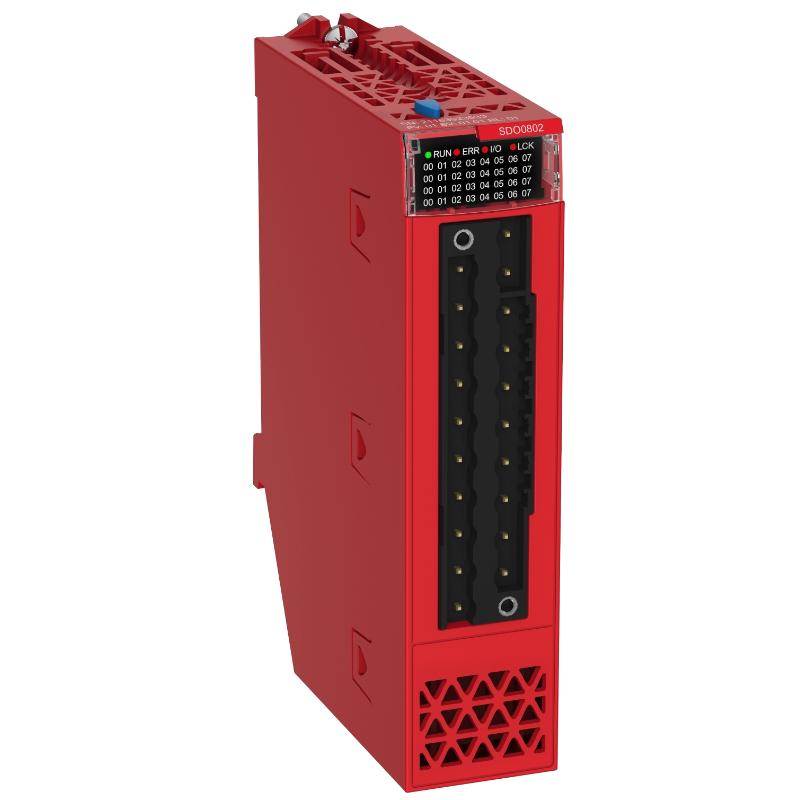
- PLC systems
- Industrial robots
- Motion control
- Electrical systems
- Sensors
- Industrial communication networks
- Digital software platforms
The integration of these technologies is creating a new generation of smart factories.
ABB is supporting this transformation by combining automation expertise, robotics technology and digital solutions to help industries improve operational performance.
Industrial Automation Becomes the Foundation of Smart Manufacturing
Industrial automation has always been essential for modern production.
Traditional automation systems focused on controlling machines and improving manufacturing efficiency.
A typical automated production line includes:
- Controllers
- Sensors
- Drives
- Motors
- Human-machine interfaces
- Industrial networks
These technologies allow machines to operate accurately and consistently.
However, modern manufacturers require additional capabilities.
They need automation systems that can:
- Collect production data
- Analyze equipment performance
- Reduce downtime
- Improve energy efficiency
- Support flexible production
This has accelerated the development of intelligent automation systems.
PLC and Control Systems Support Reliable Industrial Operations
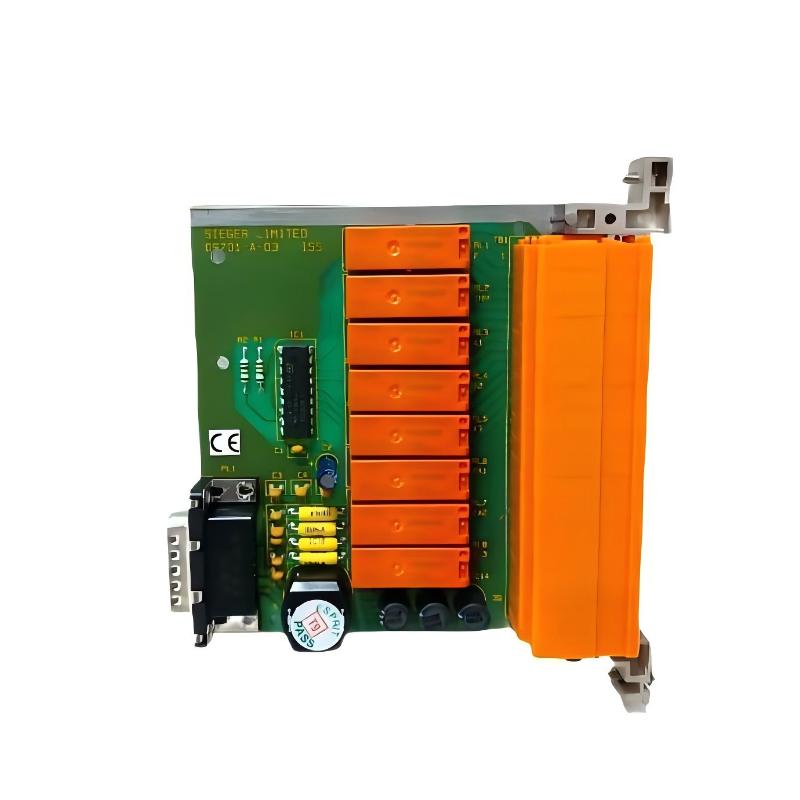
PLC technology remains one of the most important components in industrial automation.
PLC systems provide real-time control for machines and production processes.
Typical PLC applications include:
- Machine sequence control
- Digital and analog signal processing
- Equipment communication
- Process monitoring
- Safety control
In smart manufacturing environments, PLC systems also provide valuable operational data.
This information can support:
- Production optimization
- Fault diagnosis
- Predictive maintenance
- Process improvement
Although industrial technologies continue evolving, PLC systems remain a critical foundation for automation.
ABB Robotics Supports Flexible Manufacturing
Robotics has become an important technology in modern manufacturing.
Industrial robots are widely used in:
- Automotive production
- Electronics manufacturing
- Metal processing
- Packaging
- Material handling
Manufacturers increasingly require robots that can work together with automation systems.
Smart robotic solutions provide advantages including:
- Higher production speed
- Improved accuracy
- Reduced manual workload
- Greater manufacturing flexibility
The combination of robotics, PLC control and digital technologies helps companies create more adaptable production lines.
Digital Transformation Through Industrial Data
Modern factories generate large amounts of operational information.
Data comes from:
- Machines
- Sensors
- Controllers
- Robots
- Production systems
However, data only creates value when companies can use it effectively.
Industrial digital platforms help manufacturers understand:
- Equipment conditions
- Production efficiency
- Energy consumption
- Maintenance requirements
Better data visibility allows companies to make faster and more accurate decisions.
ABB Digital Solutions Improve Asset Management
Industrial assets represent significant investments.
Companies need effective methods to maintain equipment performance throughout its lifecycle.
Digital asset management helps organizations monitor:
- Equipment health
- Operating conditions
- Maintenance requirements
- Performance trends
By combining automation data with analytics technologies, companies can improve asset reliability.
Energy Efficiency Becomes a Key Industrial Priority
Energy management is becoming increasingly important for manufacturers.
Industrial facilities consume large amounts of energy through:
- Motors
- Production equipment
- Electrical systems
- Heating and cooling systems
Automation technologies help companies monitor and optimize energy usage.
Applications include:
- Energy consumption analysis
- Motor efficiency improvement
- Equipment optimization
- Production energy monitoring
Improved energy management helps companies reduce operating costs and support sustainability objectives.
Industrial IoT Connects Modern Factories
Industrial Internet of Things technology is changing how factories operate.
Connected devices allow manufacturers to collect information from equipment continuously.
Industrial IoT applications include:
- Remote monitoring
- Equipment diagnostics
- Production analysis
- Energy management
Connected automation systems provide better visibility across production environments.
Artificial Intelligence Supports Industrial Optimization
Artificial intelligence is becoming increasingly important in automation.
AI technologies can support:
Equipment Monitoring
Analyzing machine conditions and identifying abnormal trends.
Quality Improvement
Supporting automated inspection processes.
Production Optimization
Finding opportunities to improve efficiency.
AI works together with traditional automation technologies to enhance industrial operations.
Digital Twin Technology Improves Engineering Efficiency
Digital twin technology is gaining attention in industrial applications.
A digital twin creates a virtual model of equipment or production systems.
Engineers can use digital twins for:
- Simulation
- Testing
- Optimization
- Virtual commissioning
This helps reduce engineering risks and improve project efficiency.
Cybersecurity in Connected Automation Systems
As industrial systems become more connected, cybersecurity becomes increasingly important.
Modern factories contain communication between:
- PLC systems
- Robots
- Industrial networks
- Software platforms
Companies need to protect:
- Control programs
- Production data
- Industrial communication
Cybersecurity has become a necessary part of automation system design.
Supporting Sustainable Industrial Development
Sustainability is becoming a major focus across global industries.
Automation technologies support sustainability by improving:
- Energy efficiency
- Production accuracy
- Resource utilization
For example:
Better machine control can reduce unnecessary energy consumption.
Improved production monitoring can reduce material waste.
Applications Across Global Industries
ABB automation technologies are applied in many industrial sectors.
Manufacturing
Used for production lines, robotics and machine automation.
Energy
Used for electrical systems and industrial control.
Transportation
Used for infrastructure automation.
Mining
Used for heavy equipment monitoring and control.
Process Industries
Used for automation and operational optimization.
Future Trends in Industrial Automation
The future of industrial automation will continue developing toward:
- Intelligent control systems
- Industrial AI
- Advanced robotics
- Digital twins
- Industrial IoT
- Connected factories
Manufacturers will increasingly rely on integrated automation platforms.