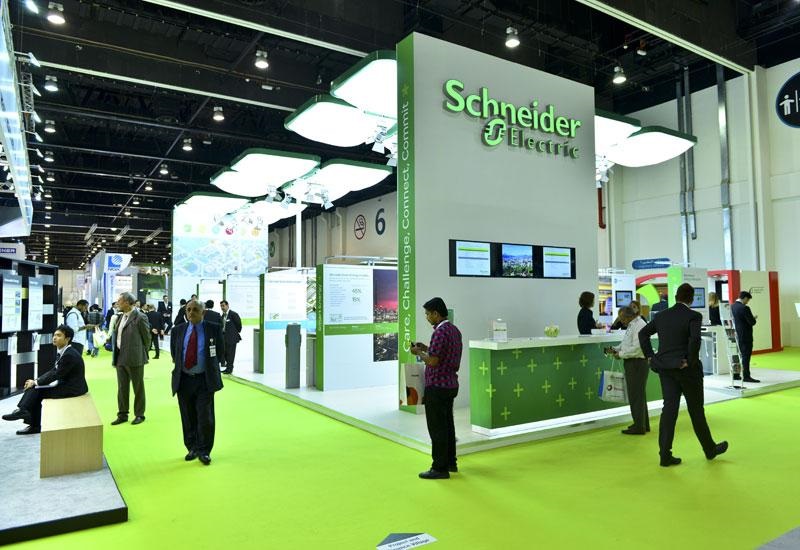
Schneider Electric Expands EcoStruxure Industrial Automation Solutions for Smart Manufacturing and Energy Efficiency
Schneider Electric Advances PLC Control, Industrial IoT and Digital Energy Management Technologies for Future Factories
Schneider Electric continues to expand its industrial automation and digital transformation solutions as manufacturers worldwide accelerate the transition toward smart factories, connected production systems and more sustainable industrial operations.
The global manufacturing industry is entering a new stage of development.
Companies are not only focusing on production capacity but also looking for ways to improve:
- Operational efficiency
- Energy utilization
- Equipment reliability
- Production flexibility
- Digital visibility
Modern factories require integrated automation solutions that connect physical equipment with digital technologies.
Today’s industrial environments combine:
- PLC controllers
- Industrial networks
- Variable frequency drives
- Servo systems
- Sensors
- SCADA platforms
- Manufacturing software
Schneider Electric is developing automation and energy management technologies to help industries build more intelligent and efficient production environments.
Smart Manufacturing Requires Advanced Automation Architecture
Traditional automation systems mainly focused on machine operation and process control.
A PLC controlled equipment.
Sensors collected signals.
Motors and actuators performed mechanical operations.
This approach created reliable industrial production.
However, modern factories face new challenges.
Manufacturers need real-time information about:
- Equipment performance
- Production efficiency
- Energy consumption
- Maintenance requirements
- Quality conditions
Smart manufacturing connects automation systems with digital technologies to create more transparent and intelligent operations.
PLC Technology Remains Essential in Industrial Control
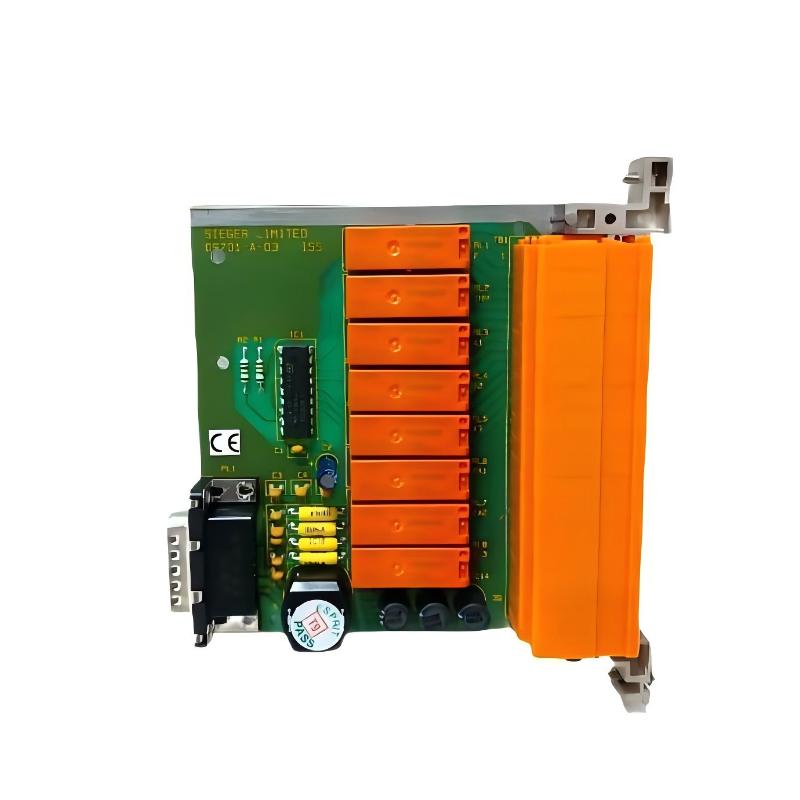
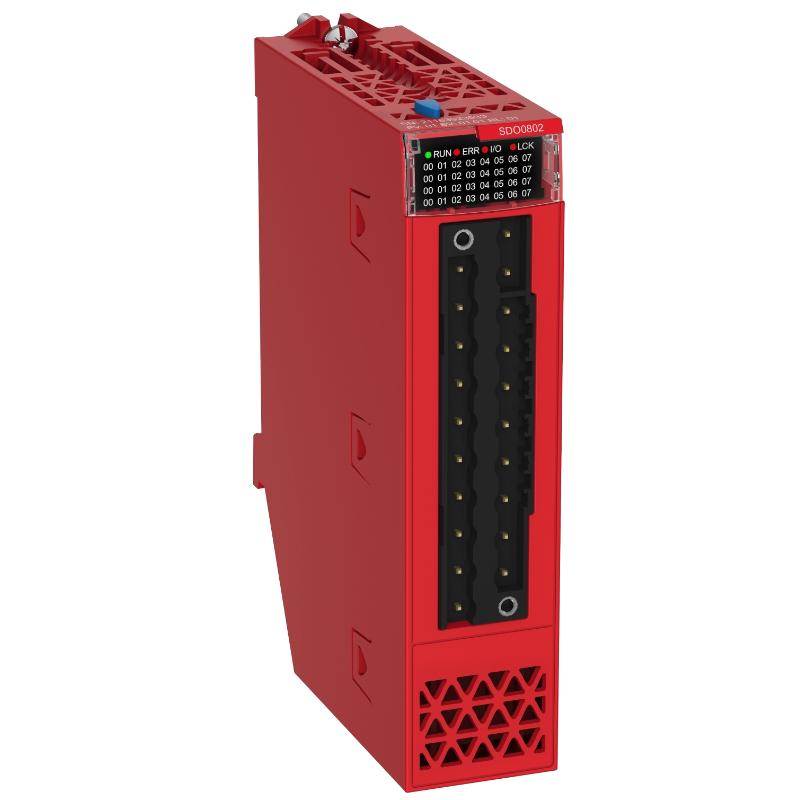
Programmable Logic Controllers continue to play a central role in factory automation.
PLC systems provide reliable control for industrial applications including:
- Assembly lines
- Packaging systems
- Material handling equipment
- Process machinery
- Automated production cells
A PLC system performs several important functions:
- Receiving input signals
- Processing control logic
- Managing output devices
- Communicating with industrial equipment
In modern smart factories, PLC systems also become important data sources.
Operational information from PLC controllers can support:
- Equipment analysis
- Production optimization
- Fault diagnosis
- Maintenance planning
EcoStruxure Connects Industrial Automation and Digital Solutions
Industrial companies increasingly require better integration between automation equipment and software platforms.
Many factories contain different systems, including:
- Controllers
- Sensors
- Robots
- Electrical equipment
- Monitoring platforms
Without integration, important production information may remain separated.
Digital industrial platforms help connect these systems.
The result is improved visibility into:
- Production performance
- Energy usage
- Equipment conditions
- Operational efficiency
This creates a stronger foundation for intelligent manufacturing.
Industrial IoT Improves Factory Connectivity
Industrial Internet of Things technology is becoming an important part of digital transformation.
Connected industrial devices allow manufacturers to collect information continuously.
Applications include:
- Machine monitoring
- Remote diagnostics
- Production analysis
- Energy management
- Asset tracking
Industrial IoT helps companies understand what is happening throughout their production environment.
This allows faster responses to operational changes.
Energy Management Becomes a Major Industrial Focus
Energy costs are becoming an important consideration for manufacturers.
Industrial facilities consume energy through:
- Motors
- Production machines
- Electrical systems
- Heating equipment
- Cooling systems
Automation technologies help companies monitor and optimize energy usage.
Examples include:
Intelligent Motor Control
Improving motor operation efficiency.
Energy Monitoring
Tracking consumption patterns.
Automated Optimization
Adjusting equipment operation according to production requirements.
Better energy management supports both cost reduction and sustainability objectives.
Digital Transformation Improves Industrial Asset Performance
Industrial equipment requires continuous monitoring to maintain reliability.
Digital solutions help companies understand equipment conditions through real-time information.
Important data includes:
- Operating hours
- Equipment status
- Alarm history
- Maintenance records
- Performance trends
This information helps maintenance teams make better decisions.
Instead of relying only on fixed schedules, companies can adopt more condition-based strategies.
Predictive Maintenance Reduces Unexpected Downtime
Equipment failure can create significant production problems.
Unexpected downtime may result in:
- Production delays
- Higher maintenance costs
- Reduced customer delivery performance
Predictive maintenance uses equipment data to identify potential issues before failure.
Monitoring factors include:
- Temperature
- Vibration
- Electrical conditions
- Operating cycles
This allows maintenance teams to repair equipment at the right time.
Automation and Sustainability Work Together
Sustainability has become an important objective for many industrial companies.
Automation technologies support sustainability through:
- Reduced energy waste
- Improved production efficiency
- Better resource utilization
- Lower material waste
For example, intelligent control systems can optimize equipment operation and reduce unnecessary consumption.
Digital monitoring also helps companies identify areas for improvement.
Artificial Intelligence Enhances Industrial Operations
Artificial intelligence is creating new possibilities for industrial automation.
AI technologies can support:
Production Analysis
Identifying patterns within manufacturing data.
Equipment Monitoring
Detecting unusual operating conditions.
Quality Improvement
Supporting automated inspection processes.
AI does not replace traditional automation.
Instead, it enhances existing control systems with advanced analytical capabilities.
Industrial Cybersecurity Becomes Increasingly Important
Connected factories require stronger cybersecurity protection.
Modern automation environments include communication between:
- PLC systems
- Industrial networks
- Software platforms
- Remote monitoring systems
Companies must protect:
- Control systems
- Production data
- Communication networks
Cybersecurity should be considered throughout the entire automation lifecycle.
Supporting Flexible Manufacturing
Customer demand is becoming more diversified.
Manufacturers need production systems that can adapt quickly.
Flexible automation supports:
- Faster product changes
- Reduced setup time
- Improved production efficiency
Integrated automation solutions allow factories to respond more effectively to changing market requirements.
The Role of Automation Engineers Is Changing
The development of smart factories is creating new requirements for automation professionals.
Traditional skills remain important:
- PLC programming
- Electrical engineering
- Industrial communication
- Machine control
New knowledge areas are becoming increasingly valuable:
- Industrial software
- Data analysis
- Cybersecurity
- Digital transformation
- Energy management
Future engineers will combine automation expertise with digital technology skills.
Applications Across Different Industries
Schneider Electric automation technologies support many industrial sectors.
Manufacturing Industry
Used for production automation and machine control.
Food and Beverage
Used for processing and packaging systems.
Water Treatment
Used for monitoring and process control.
Energy Industry
Used for electrical management and automation.
Infrastructure
Used for intelligent facility management.
Future Development of Industrial Automation
The next generation of factories will continue moving toward:
- Intelligent PLC systems
- Industrial AI
- Digital twins
- Connected equipment
- Smart energy management
- Industrial IoT platforms
Manufacturing will become more data-driven and adaptive.
Automation systems will provide not only control but also intelligence.