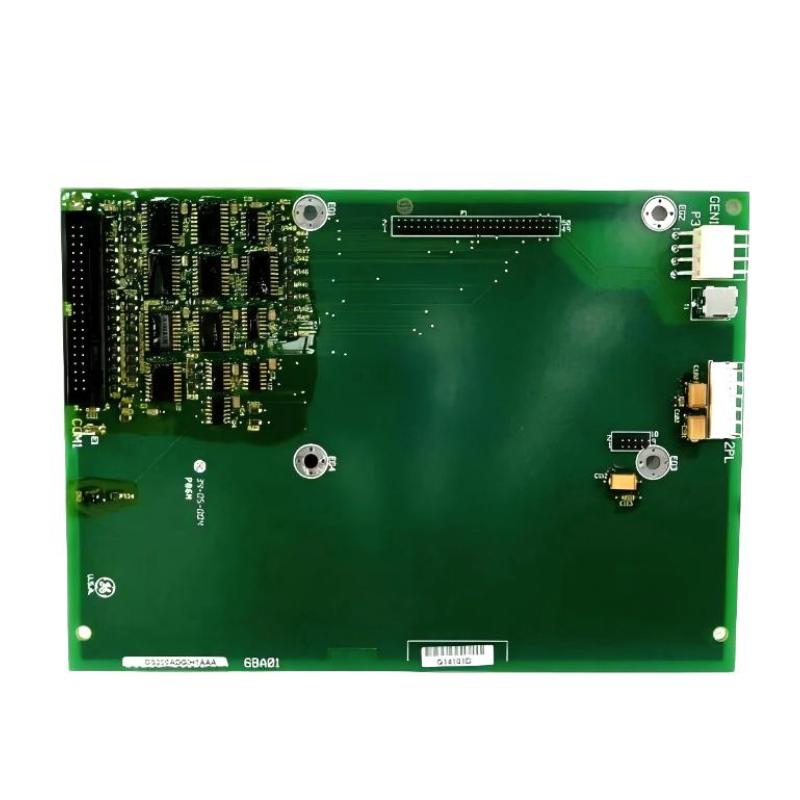
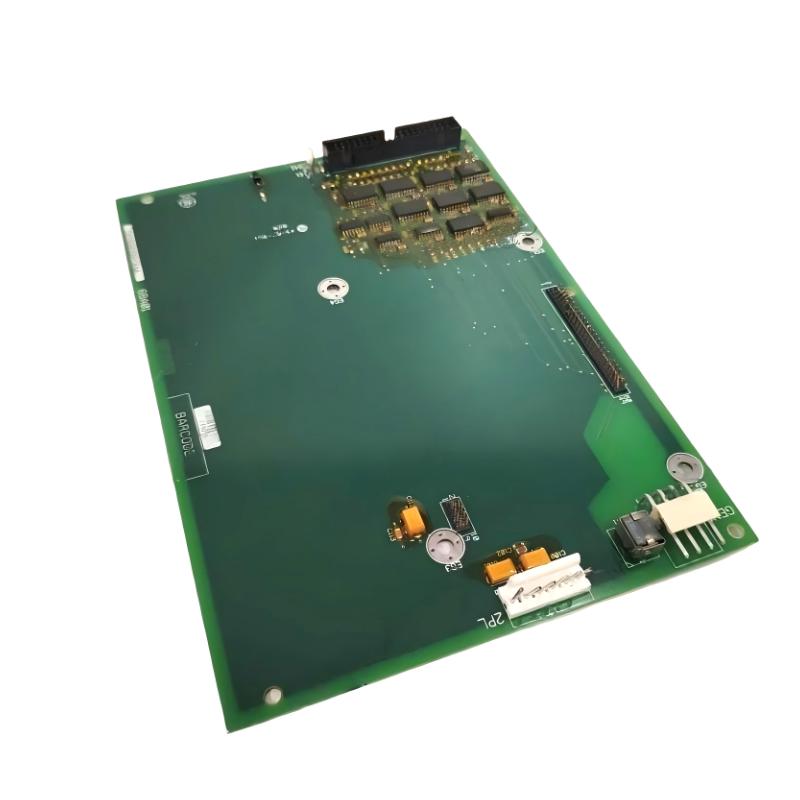
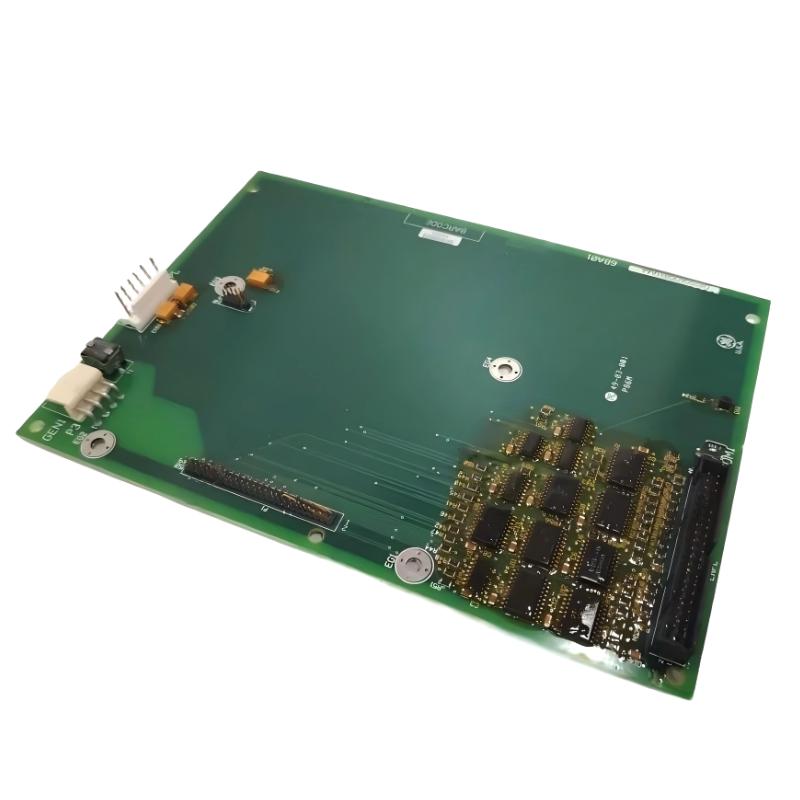
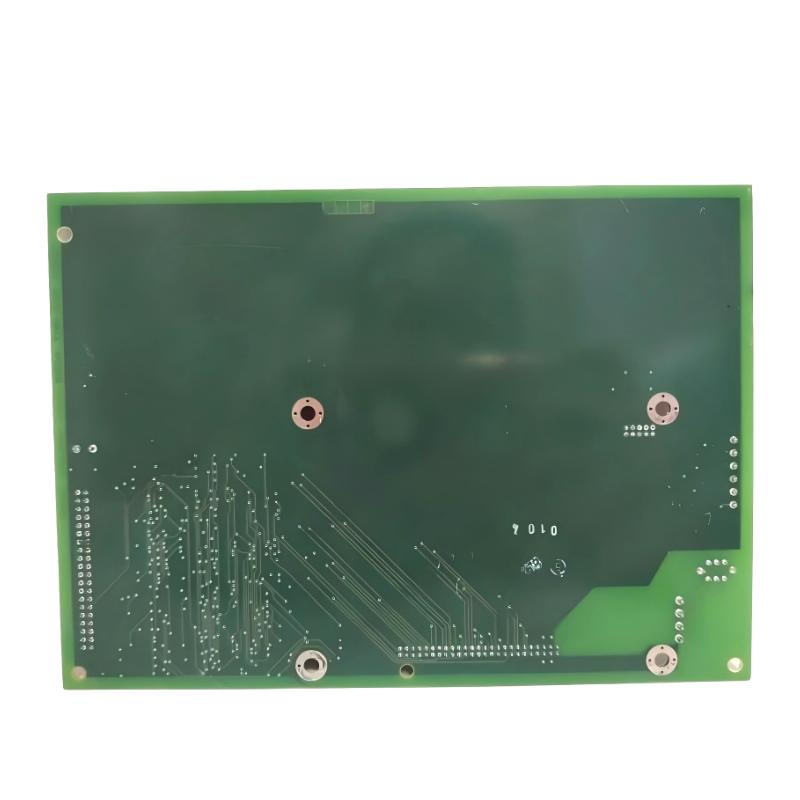
Brand:GE Fanuc PLC Item No.:DS200ADGIH1A Product Origin:USA Product Dimensions:180 × 150 × 50 mm Product Weight:0.454 kg Payment:T/T, Western Union, Credit Card Goods_stock:15 Shipping Port:Xiamen, China Lead Time:1-3 Days Condition:Brand New And Original Warranty:1 Year Certificate:COO
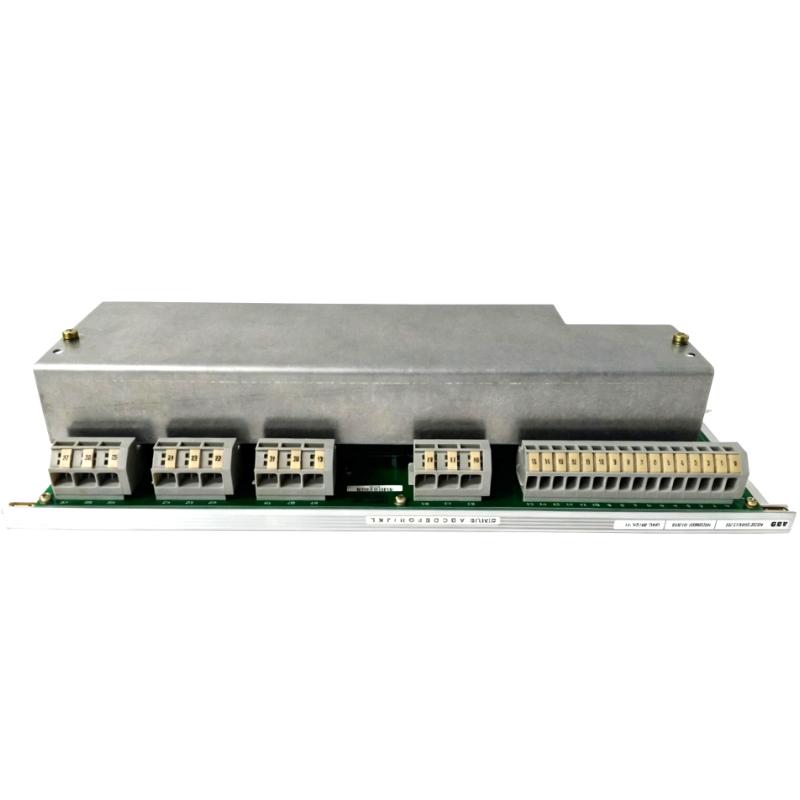
The GE DS200ADGIH1A Auxiliary Interface Board is engineered as an essential signal routing and conditioning module within the Mark V Speedtronic platform. It strengthens system integrity by providing clean signal paths, electrical isolation, and robust noise protection. Built for long-term industrial operation, it plays a vital role in ensuring stable turbine control performance across power generation and heavy industrial environments.
Technical Specifications
Category
Details
Product Model
GE DS200ADGIH1A
System Platform
GE Mark V Speedtronic
Function
Auxiliary signal conditioning and interface module
Signal Support
Analog and digital (system-dependent)
Isolation
Integrated electrical isolation
Mounting
Plug-in PCB
Operating Application
Gas turbines, steam turbines, industrial controller systems
Dimensions
180 × 150 × 50 mm
Weight
0.454 kg
Recommended Related Models
Model
Description
DS200TBQCG1A
Digital I/O terminal board
DS200SDCIG1A
Drive and regulator control board
DS200LDCCH1A
LAN communications controller
DS200IMCPG1A
I/O microprocessor module
DS200TCQBG1A
RST channel control board
DS200SLCCG1A
Communications interface board
DS200PCCAG5A
Power connection module
DS200DSPCH1A
DSP-based control board
DS200TCEAG1A
Trip system interface board
DS200TBCAG1A
Analog terminal board
Popular Related Models
Model
Description
DS200TCQAG1A
Core controller board
DS200TCPSG1A
Power supply and distribution module
DS200DTBAG1A
Digital terminal interface
DS200TCEBG1A
Trip/Protection processing module
DS200FCRRG1A
Regulator control component
DS200SVMAG1A
Servo control module
DS200KLDCG1A
Keyboard/display interface
DS200GGXCG1A
Gate driver interface
DS200ADPBG1A
Analog signal processor
DS200GSIAG1A
Signal isolation board
Applications
The DS200ADGIH1A is widely installed in Mark V turbine control environments where stable, conditioned signal interfacing is required. It supports gas turbines, steam turbines, balance-of-plant systems, auxiliary equipment monitoring, and industrial automation platforms. The board allows the controller to acquire clean, isolated, and noise-free signals from field devices, making it suitable for high-demand power generation and petrochemical applications.
Advantages
The board provides robust electrical isolation, high EMI resistance, and reliable signal conditioning designed specifically for the Mark V ecosystem. Its modular architecture ensures fast replacement and minimal system disruption. It improves system uptime by stabilizing signal quality, reducing noise, and enhancing controller responsiveness in demanding industrial environments.
FAQs
What primary function does the DS200ADGIH1A perform in a Mark V system?
It conditions, isolates, and routes field signals to the controller.
Does the module support both analog and digital interfacing?
Yes, depending on the connected terminal boards and system configuration.
How does the board contribute to noise immunity?
It uses isolation circuits and filtering components designed for high-EMI turbine areas.
Is the board hot-swappable?
No; replacement requires a controlled shutdown for safety.
What happens if the board fails during operation?
The controller may lose part of its field signal input, triggering alarms or fallback modes.
Does the DS200ADGIH1A require firmware loading?
No, it is a hardware-only interface with no firmware.
How does the module interface mechanically with the Mark V rack?
It is a plug-in PCB that connects through backplane connectors.
Is grounding quality important for this module?
Yes, poor grounding can cause noise, signal drift, or intermittent readings.
What diagnostic indicators are available?
Diagnostics are performed by the Mark V controller rather than LEDs on the board.
How do technicians identify early-stage faults?
Symptoms include intermittent signals, unexpected alarms, or abnormal diagnostic logs.