Yokogawa Electric

  1. Home
  2. Products
  3. Yokogawa Electric
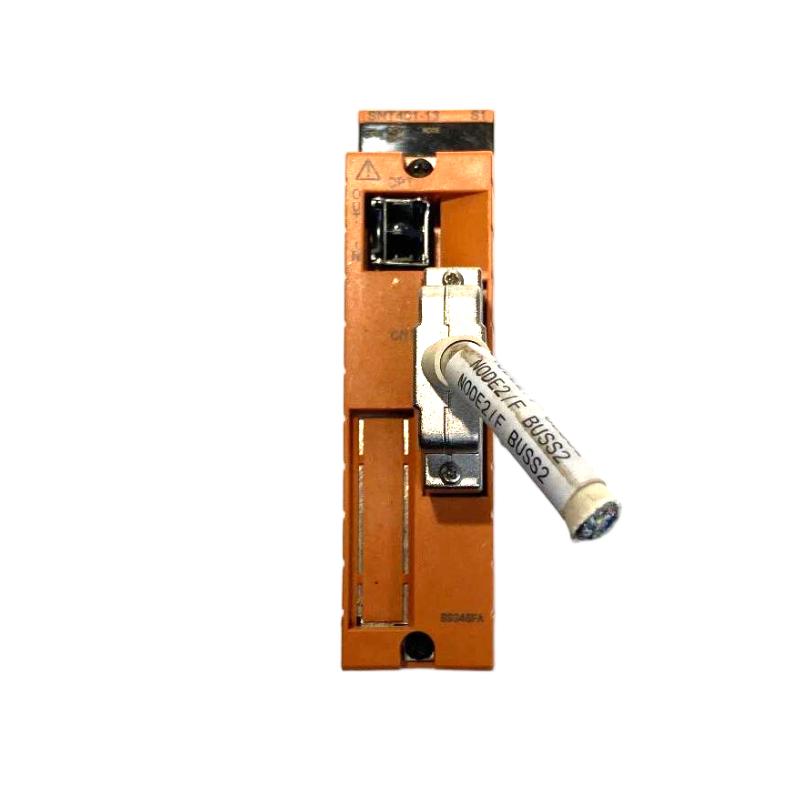
  4. Yokogawa SNT401 Optical ESB Bus Repeater Master Module
Yokogawa SNT401 Optical ESB Bus Repeater Master Module

Yokogawa SNT401 Optical ESB Bus Repeater Master Module

0.0
Points

Brand:Yokogawa Electric
Item No.:Yokogawa SNT401
Product Origin:Japan
Product Dimensions:482.6 × 221.5 × 146 mm
Product Weight:0.3 kg
Payment:T/T, Western Union, Credit Card
Goods_stock:15
Shipping Port:Xiamen, China
Lead Time:1-3 Days
Condition:Brand New And Original
Warranty:1 Year
Certificate:COO

Add to cart

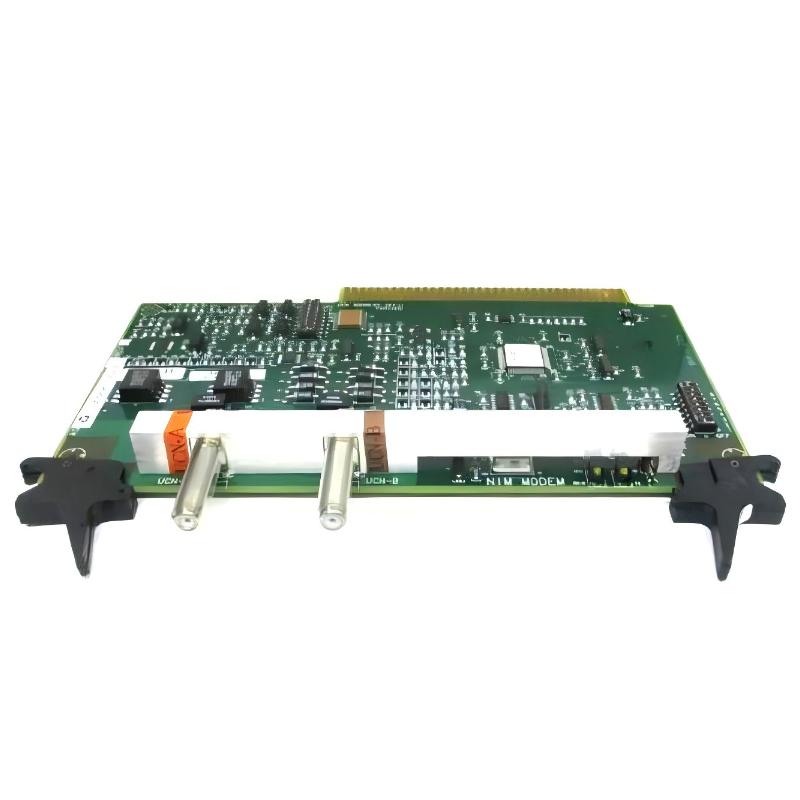
Yokogawa SNT401-53 CU1N-1Yokogawa SNT401-53 CU1N-3Yokogawa SNT401-53 CU1N-4Yokogawa SNT401-53 CU1N-2

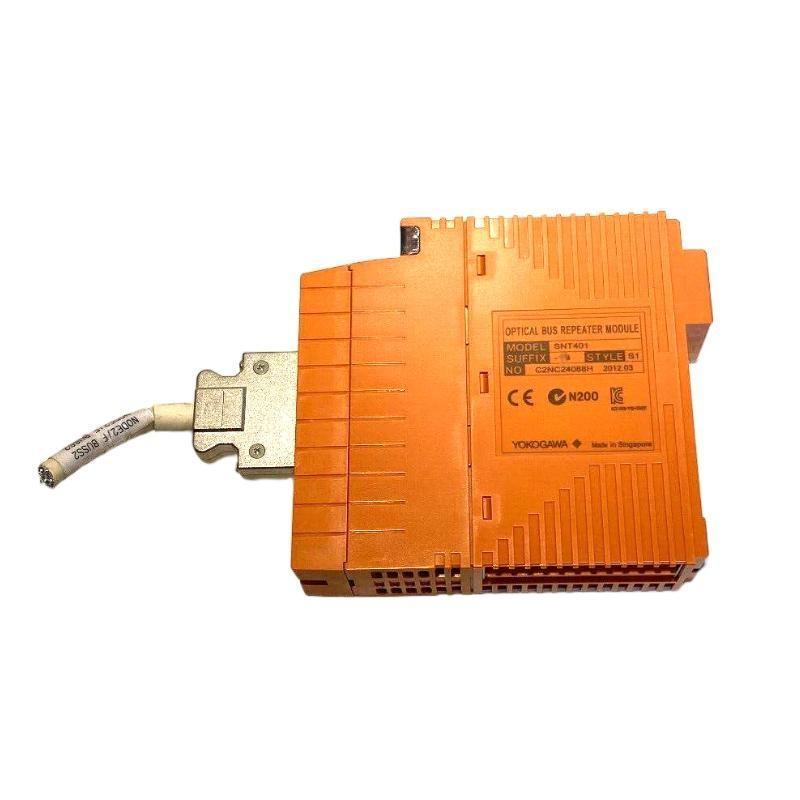
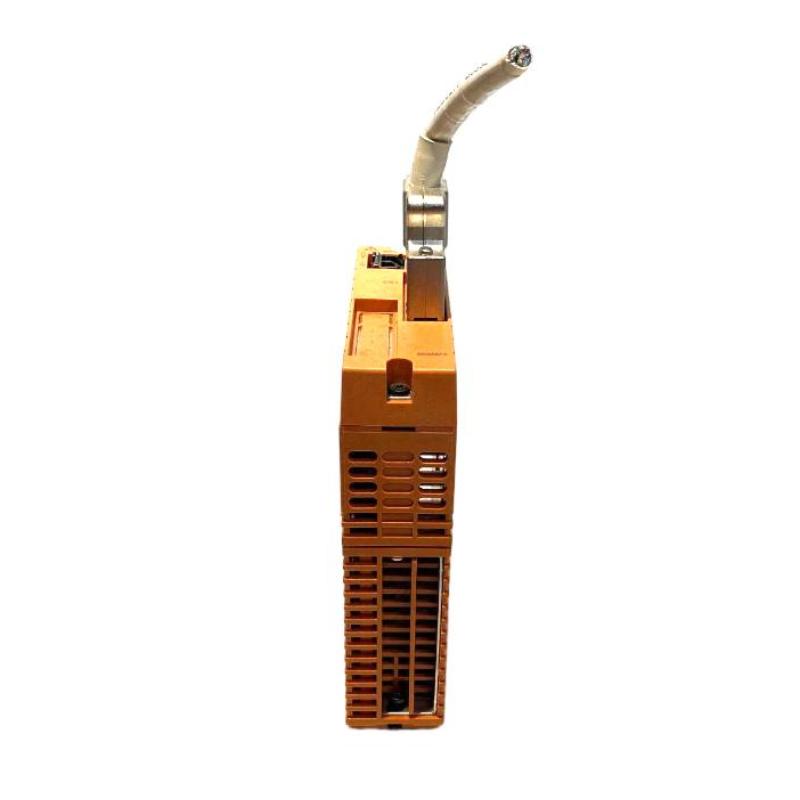
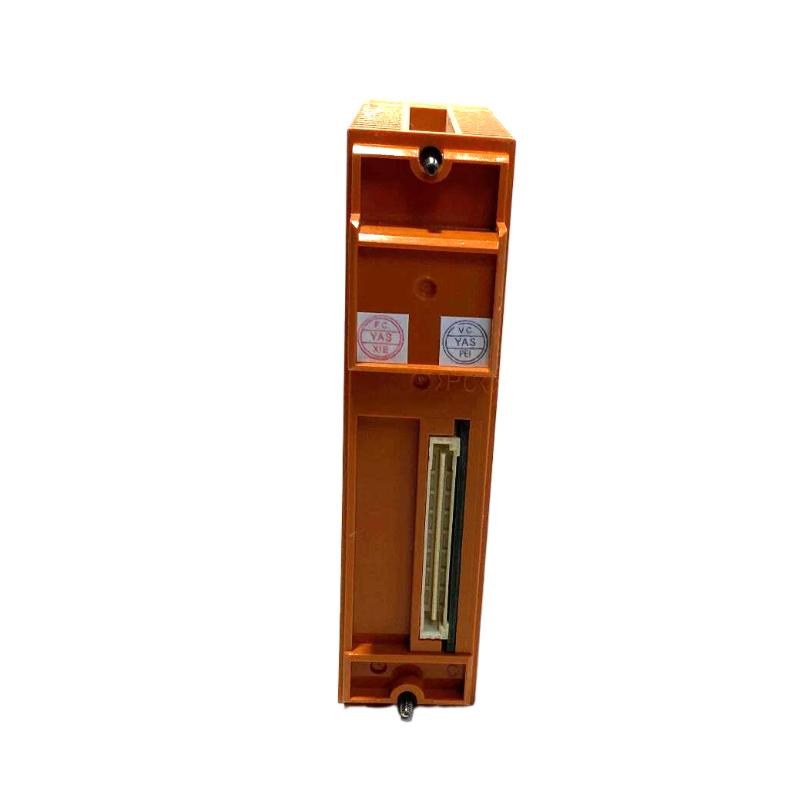
The Yokogawa SNT401 is an Optical ESB Bus Repeater Master Module used in Yokogawa ProSafe-RS Safety Instrumented Systems (SIS).

It is designed to convert ESB bus electrical signals into optical fiber signals, enabling long-distance, high-reliability communication between safety control units, safety nodes, and I/O subsystems.

When paired with the SNT501 slave module, the SNT401 allows engineers to build extended ESB bus networks (star or chain topology) for large distributed safety systems in oil & gas, petrochemical, and power plants.


Technical Specifications

ParameterSpecification
BrandYokogawa
ModelSNT401
Product TypeOptical ESB Bus Repeater (Master)
System CompatibilityProSafe-RS / ESB bus architecture
FunctionElectrical-to-optical ESB signal conversion
Pairing ModuleSNT501 slave module
Network TypeESB bus optical fiber communication
TopologyStar type / Chain type
Max Connection Stages2 stages
Max Transmission Distance5 km (up to 10 km in certain Vnet/IP configurations)
Current Consumption~0.5 A
Operating Temperature-20°C to +70°C (ISA G3 class)
InstallationRack-mounted system unit

The SNT401 is part of Yokogawa’s optical ESB bus extension system, ensuring stable and deterministic communication across distributed safety networks.


Physical Characteristics

ItemSpecification
Dimensions (W × H × D)Approx. 482.6 × 221.5 × 146 mm (rack system dependent)
WeightApprox. 0.3 kg (module only)
Mounting Type19-inch industrial rack
StructureOptical repeater module assembly
InstallationControl cabinet / SIS rack system

System Role

The SNT401 acts as the master-side optical repeater in the ESB communication chain.

Typical architecture:

  • ESB bus from controller (SSC / SCS / SNB systems)
    → SNT401 (Master)
    → Optical fiber link
    → SNT501 (Slave)
    → Remote safety node / I/O system

This enables long-distance distributed safety system design without signal degradation.


Recommended Related Models

  • Yokogawa SNT501 – Optical ESB bus repeater slave module
  • Yokogawa SNT10D – ESB bus repeater rack unit
  • Yokogawa SNB10D – safety node unit
  • Yokogawa SSC series – safety control stations
  • Yokogawa SNT411 – optical interface variants

Applications

The Yokogawa SNT401 is widely used in:

  • Safety Instrumented Systems (SIS / ProSafe-RS)
  • Emergency Shutdown Systems (ESD)
  • Fire & Gas systems (F&G)
  • Burner Management Systems (BMS)
  • Offshore oil & gas platforms
  • Petrochemical refinery distributed control systems
  • Large-scale power plant safety networks

It is especially important in large distributed plants requiring long-distance ESB communication over fiber optics.


Advantages

  • Converts ESB bus to optical fiber communication
  • Enables long-distance transmission up to kilometers
  • Supports star and chain network topologies
  • High reliability for safety-critical systems
  • Stable operation in harsh industrial environments
  • Compatible with Yokogawa ProSafe-RS architecture
  • Scalable for large distributed control systems
  • Proven use in global SIS installations 


Technical FAQs

1. What is Yokogawa SNT401 used for?
It converts ESB bus electrical signals into optical signals for long-distance communication.

2. What is the difference between SNT401 and SNT501?
SNT401 is the master (transmit side), SNT501 is the slave (receive side).

3. What systems use it?
Yokogawa ProSafe-RS SIS systems.

4. What is the maximum communication distance?
Typically up to 5 km (or up to 10 km depending on configuration).

5. What topology does it support?
Star and chain configurations.

6. What is its main function?
To extend ESB bus communication using optical fiber.

7. Where is it installed?
Inside 19-inch SIS control racks.

8. Does it support redundancy?
Yes, depending on system design.

9. What is its weight?
Approximately 0.3 kg for the module unit.

10. Is it still used today?
Yes, mainly in installed Yokogawa ProSafe-RS systems.


Look forward to your comments!Comment
Latest comments
Tags:
Need Assistance? Chat with Us on WhatsApp!
Need Assistance? Click to Inquire
Back to top