ABB Bailey

  1. Home
  2. Products
  3. ABB Bailey
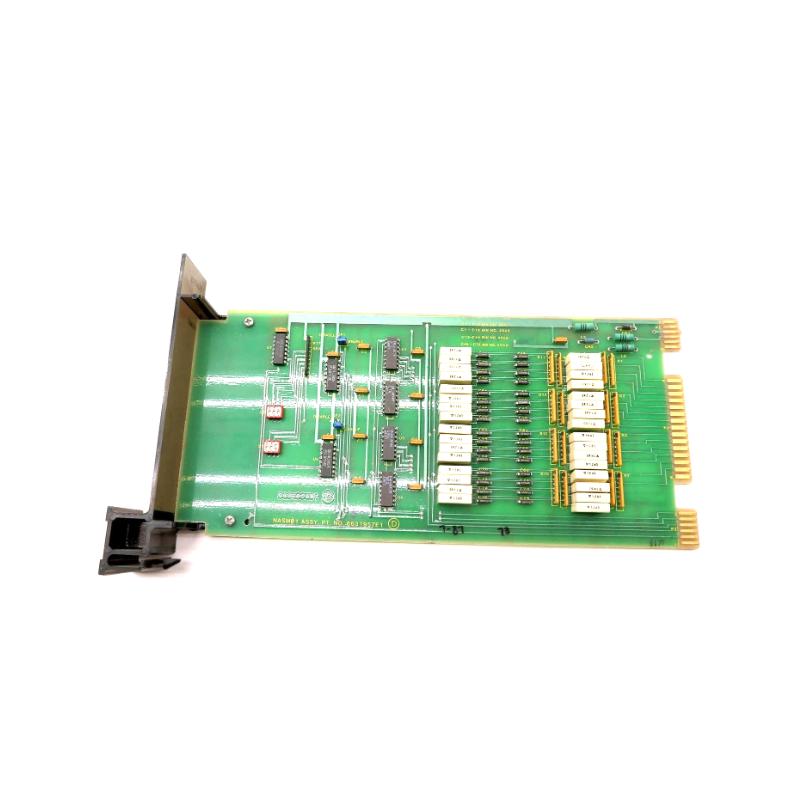
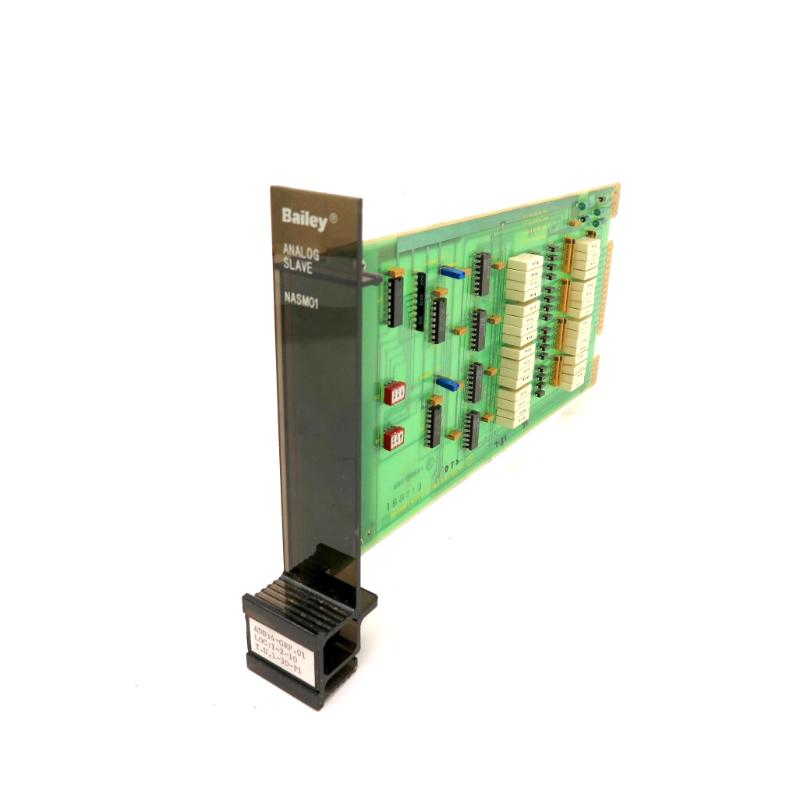
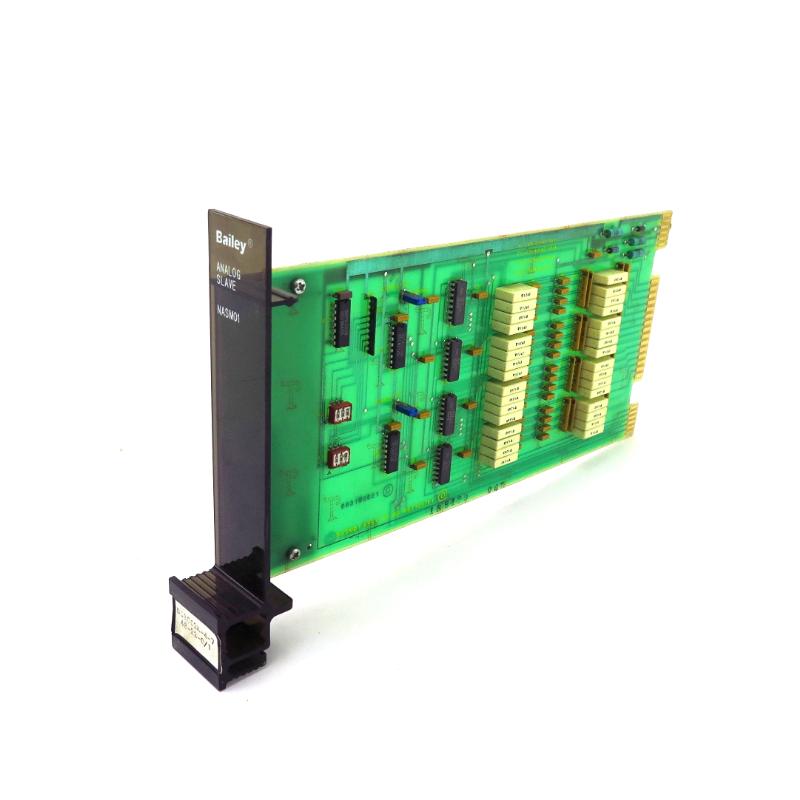
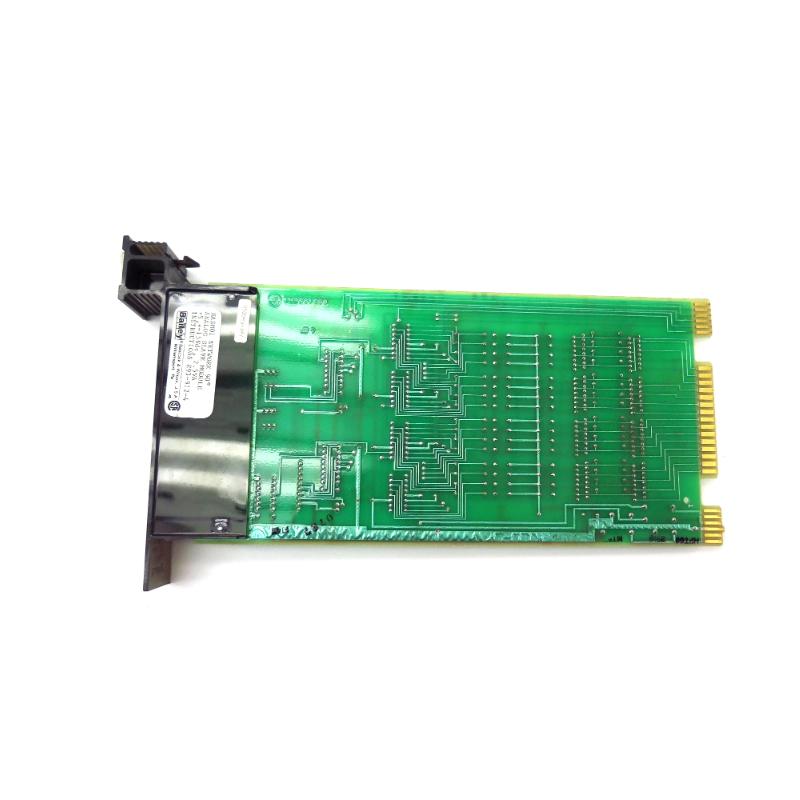
  4. ABB Bailey NASM01 Analog Slave Module
ABB Bailey NASM01 Analog Slave Module

ABB Bailey NASM01 Analog Slave Module

0.0
Points

Brand:ABB Bailey
Item No.:ABB Bailey NASM01
Product Origin:Sweden
Product Dimensions:102 × 127 × 178 mm
Product Weight:0.9 kg
Payment:T/T, Western Union, Credit Card
Goods_stock:15
Shipping Port:Xiamen, China
Lead Time:1-3 Days
Condition:Brand New And Original
Warranty:1 Year
Certificate:COO

Add to cart

NASM01-2NASM01-1NASM01-4NASM01-3

The ABB Bailey NASM01 is a reliable Analog Slave Module developed for the INFI 90 / Net 90 distributed control system (DCS). It is designed to support analog signal communication and distributed I/O processing between field instrumentation and the central control architecture.

As part of the ABB Bailey analog subsystem, the NASM01 enhances system scalability by expanding analog signal handling capacity while maintaining stable communication with master control modules. The module is widely deployed in power generation, petrochemical processing, oil & gas operations, and large-scale industrial automation systems, where accurate analog data transmission is essential for continuous process control.


Technical Specifications

ItemSpecification
Product TypeAnalog Slave Module
SystemABB Bailey INFI 90 / Net 90 DCS
FunctionAnalog signal expansion and distributed I/O support
Signal Types4–20 mA / 0–10 V DC
Communication InterfaceINFI 90 proprietary system bus
Processing RoleAnalog signal coordination and transmission
Channel SupportMulti-channel analog management
CompatibilityNAMM series analog master modules
IsolationElectrical noise isolation support
DiagnosticsStatus and communication monitoring
Module TypeRack-mounted PCB module
Power SupplySystem backplane powered
Operating Temperature0°C to 70°C
Humidity5%–95% non-condensing

Dimensions & Weight

ItemValue
Size (L × W × H mm)102 × 127 × 178 mm
Weightapprox. 0.5 – 0.9 kg

Recommended Related Models

  • ABB NAMM01 / NAMM02 / NAMM03 – analog master modules
  • ABB NASI02 – analog slave input module
  • ABB IMASI series – analog signal interface modules
  • ABB IMRAE11 / IMRAE12 – analog input modules
  • ABB IMMFP11 / IMMFP12 – multifunction processor modules

Popular ABB Bailey Models

  • INFI 90 analog slave module series
  • Bailey Harmony distributed control systems
  • ABB Symphony automation platforms
  • Net 90 analog signal management architecture
  • Industrial DCS analog expansion modules 

Applications

The NASM01 is commonly used in:

  • Power plant process automation systems
  • Oil refinery instrumentation networks
  • Petrochemical production facilities
  • Chemical process monitoring systems
  • Industrial SCADA analog data acquisition
  • Large-scale distributed control systems


Advantages

  • Expands analog signal capacity in DCS architectures
  • Reliable communication with ABB Bailey master modules
  • Stable signal transmission with improved noise resistance
  • Supports flexible distributed I/O configurations
  • Enhances scalability of industrial automation systems
  • Compact modular design simplifies maintenance
  • Proven durability in continuous industrial operation


Technical FAQs

1. What is the main function of NASM01?
It expands and manages analog signal communication within ABB Bailey DCS systems.

2. What systems is it compatible with?
ABB Bailey INFI 90 and Net 90 distributed control systems.

3. What signal types does it support?
Typically 4–20 mA and 0–10 V DC analog signals.

4. Does it work independently?
No, it is designed to operate with analog master modules such as NAMM series units.

5. Is it an input module?
It is an analog slave support module rather than a dedicated input-only module.

6. What is its weight?
Approximately 0.5–0.9 kg.

7. What is its operating temperature range?
0°C to 70°C.

8. Why is it important in distributed control systems?
It improves analog I/O scalability and signal distribution efficiency.

9. Is it still used today?
Yes, especially in legacy ABB Bailey maintenance and retrofit projects.

10. Where is it commonly installed?
Power plants, petrochemical facilities, oil refineries, and industrial automation cabinets.


Look forward to your comments!Comment
Latest comments
Tags:
Need Assistance? Chat with Us on WhatsApp!
Need Assistance? Click to Inquire
Back to top