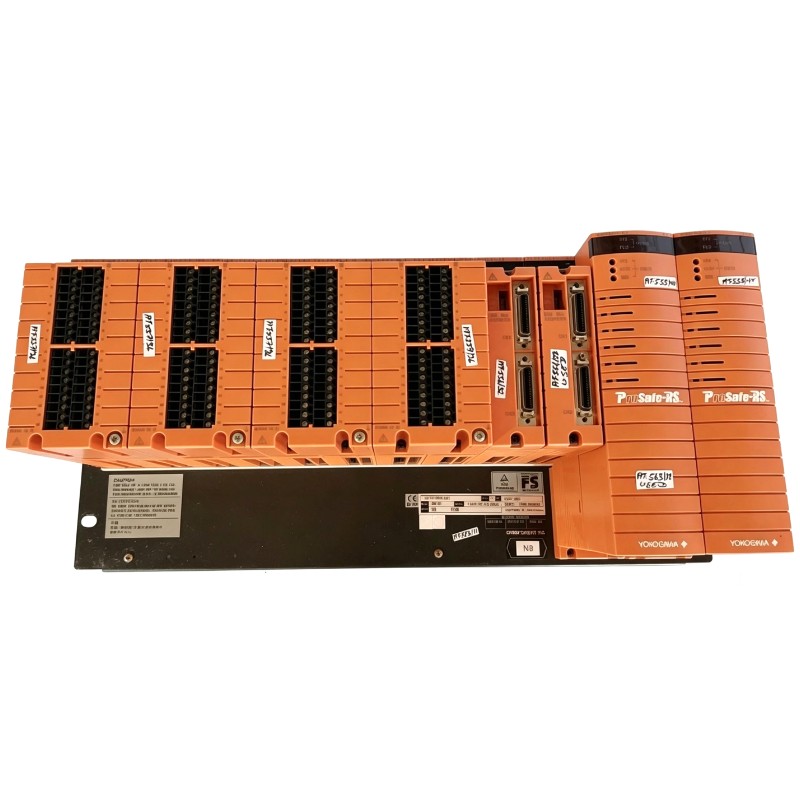
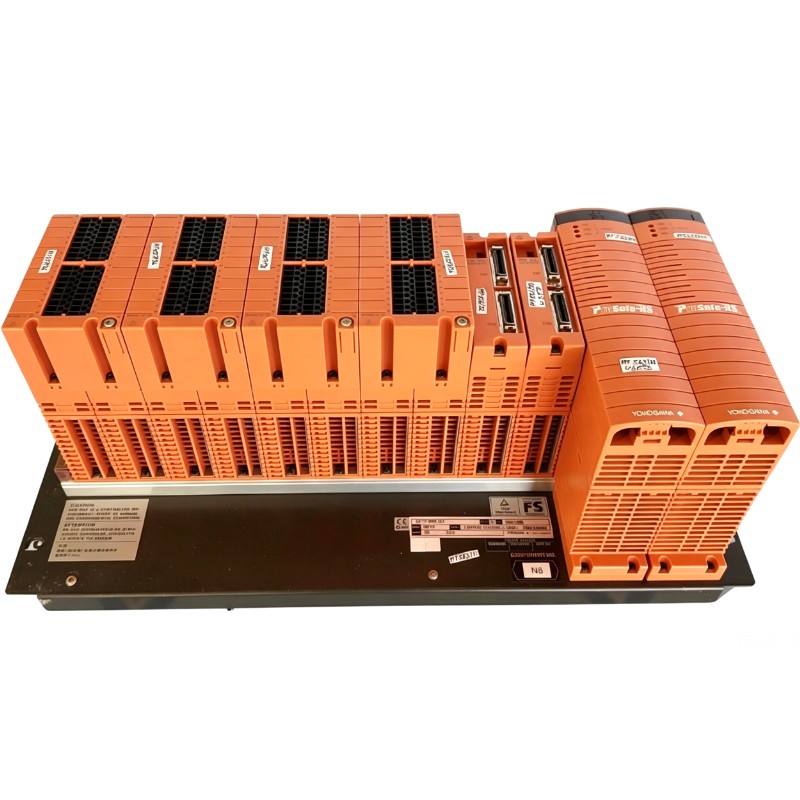
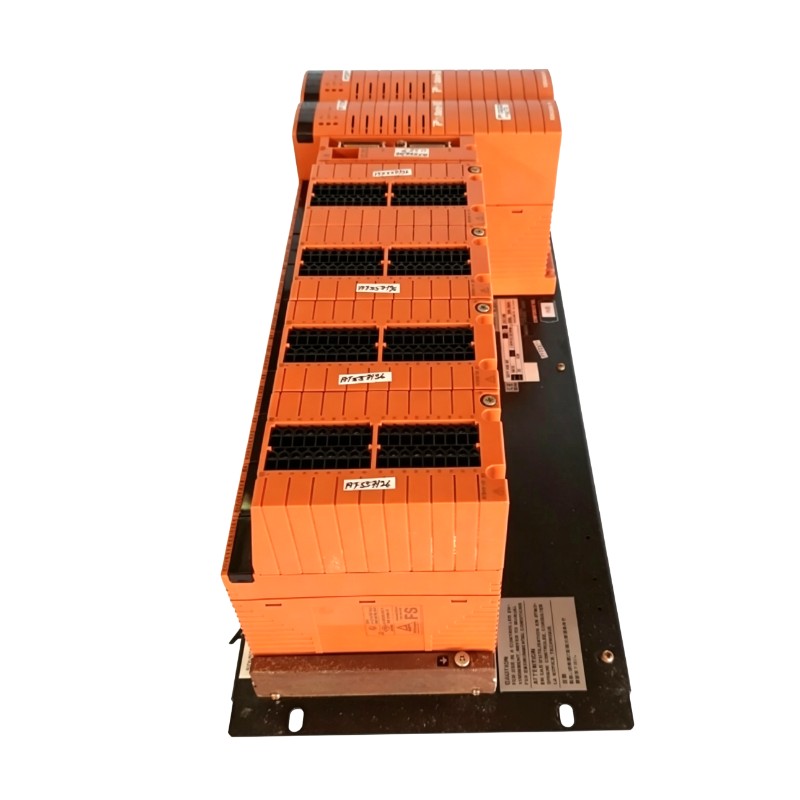
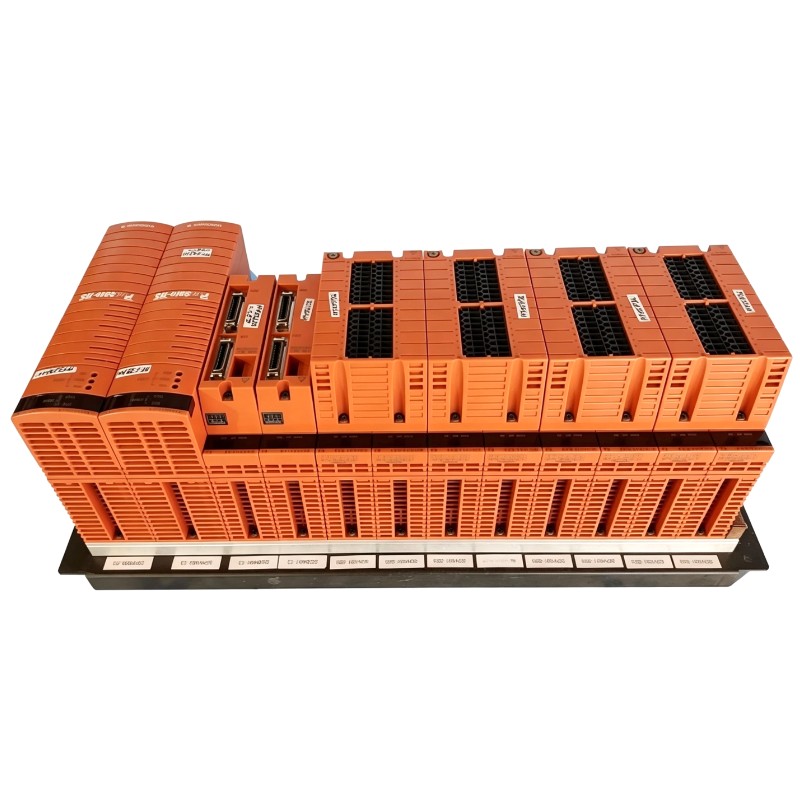
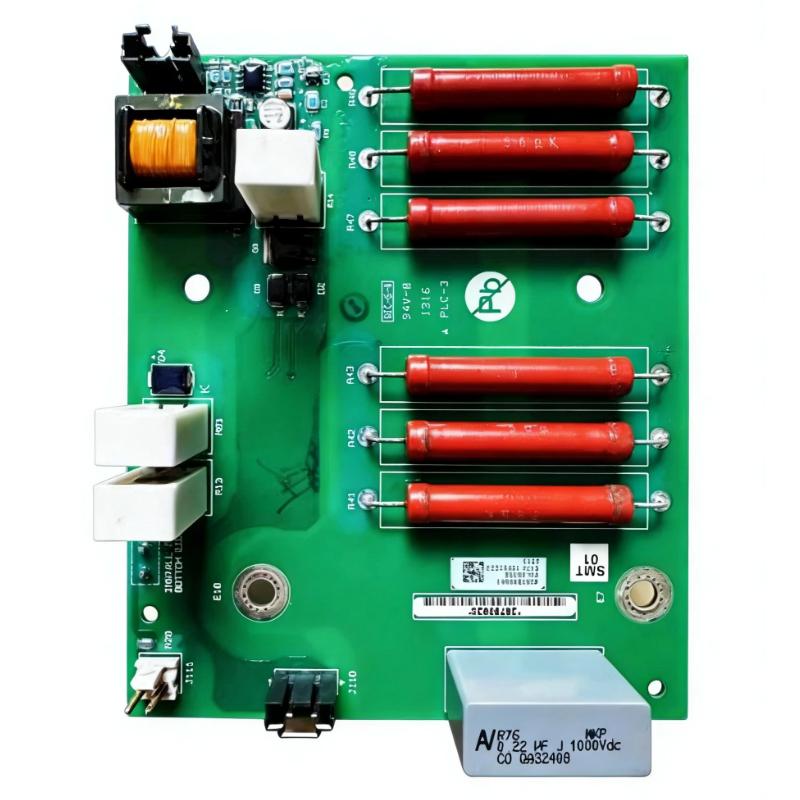
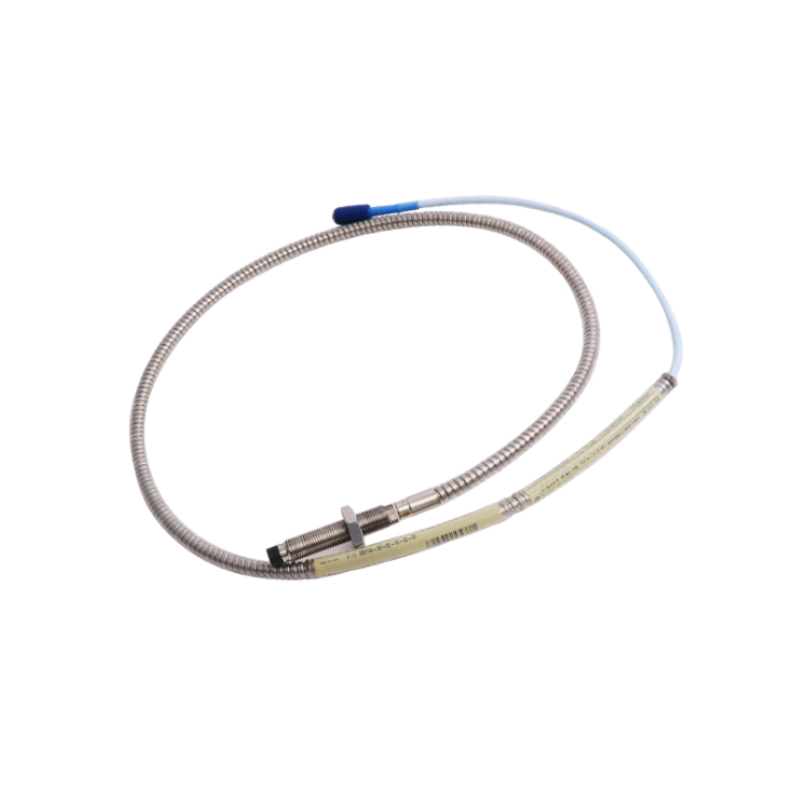
Brand:Yokogawa Electric Item No.:SNB10D-445/CU2T Product Origin:Japan Product Dimensions:482.6 x 221.5 x 205 mm Product Weight:5.9 kg Payment:T/T, Western Union, Credit Card Goods_stock:15 Shipping Port:Xiamen, China Lead Time:1-3 Days Condition:Brand New And Original Warranty:1 Year Certificate:COO
The Yokogawa SNB10D-445/CU2T Safety Node Unit is a high-performance industrial communication component designed for safety-critical automation systems. It provides reliable safety network coordination and supports fault-tolerant communication within Yokogawa safety and distributed control environments. Engineered for demanding industrial applications, it is widely deployed in oil and gas, petrochemical, refining, and power generation facilities where continuous safety operation and system reliability are essential.
Technical Specifications
Parameter
Specification
Product Model
SNB10D-445/CU2T
Product Type
Safety Node Unit
Function
Industrial Safety Communication
System Compatibility
Yokogawa Safety / DCS Systems
Dimensions
482.6 × 221.5 × 205 mm
Weight
5.9 kg
Communication Type
Safety Network Communication
Installation Type
Rack Mount
Application
Safety Instrumented Systems (SIS)
Operating Environment
Industrial Process Automation
Recommended Related Models
Model Number
Product Name
SSC60D
Duplex Safety Control Unit
SNT411-5F
Fiber ESB Bus Repeater Master Module
AIP502
Vnet/IP Interface Unit
ADV151-P00
Digital Input Module
Popular Related Models
Model Number
Product Name
AAI143-S00
Analog Input Module
AAR145-S00
Analog Output Module
CP451-10
Processor Module
PW482-10
Power Supply Module
Applications
• Safety communication management within Yokogawa safety instrumented systems (SIS).
• Emergency shutdown (ESD) architectures in oil and gas production facilities.
• Redundant process safety networking in petrochemical and refining plants.
• High-availability safety control systems for power generation operations.
• Critical process protection and fault-tolerant automation infrastructures.
• Distributed safety communication across large industrial automation networks.
• Real-time safety signal coordination in hazardous industrial environments.
• Plant-wide safety monitoring and operational integrity management.
Key Advantages
• High-reliability safety node architecture for mission-critical applications.
• Supports stable and deterministic industrial safety communication.
• Improves redundancy and fault tolerance within safety systems.
• Seamless integration with Yokogawa safety and DCS platforms.
• Designed for continuous industrial operation in harsh environments.
• Enhances safety signal transmission reliability and response performance.
• Rugged industrial construction ensures long-term operational stability.
• Optimized for large-scale process automation and safety protection systems.
Technical FAQs
Q1: What is the primary function of the SNB10D-445/CU2T Safety Node Unit?
A1: It manages communication and coordination between components in industrial safety systems.
Q2: What systems is this unit compatible with?
A2: It is designed for Yokogawa safety instrumented systems and distributed control platforms.
Q3: Where is this safety node unit commonly used?
A3: It is widely used in oil and gas, petrochemical, refining, and power generation industries.
Q4: Does it support redundant safety communication?
A4: Yes, it is engineered to improve redundancy and communication reliability.
Q5: Why is deterministic communication important in safety systems?
A5: It ensures critical safety signals are transmitted quickly and reliably during abnormal conditions.
Q6: Can it operate continuously in industrial environments?
A6: Yes, it is designed for stable 24/7 operation in demanding process industries.
Q7: Is it suitable for emergency shutdown systems?
A7: Yes, it is commonly used in ESD and critical process protection applications.
Q8: What industries benefit most from this unit?
A8: Industries requiring high process safety integrity, including chemical, refining, and energy sectors.
Q9: Does it improve overall plant reliability?
A9: Yes, it enhances communication stability and operational fault tolerance.
Q10: What is the advantage of dedicated safety node units?
A10: They improve coordination, redundancy, and communication integrity within safety systems.