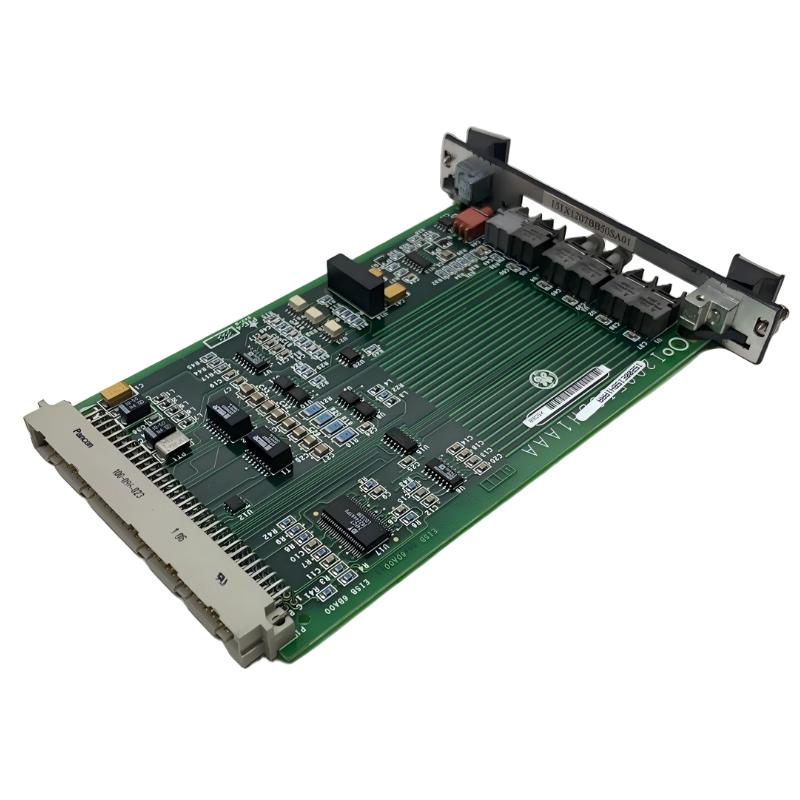
GE IS215VCMIH1B IS200VCMIH1B VME Communication Interface Board
GE IS215VCMIH1B IS200VCMIH1B VME Communication Interface Board
0.0
Points
Brand:GE Fanuc PLC Item No.:IS215VCMIH1B IS200VCMIH1B Product Origin:USA Product Dimensions:230 × 30 × 180 mm Product Weight:0.55 kg Payment:T/T, Western Union, Credit Card Goods_stock:15 Shipping Port:Xiamen, China Lead Time:1-3 Days Condition:Brand New And Original Warranty:1 Year Certificate:COO
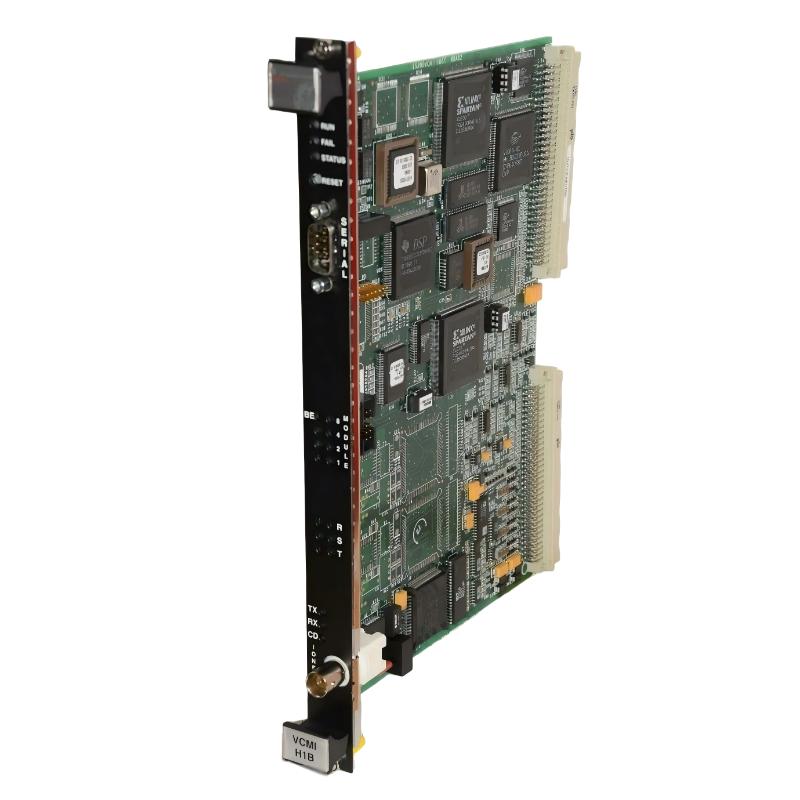
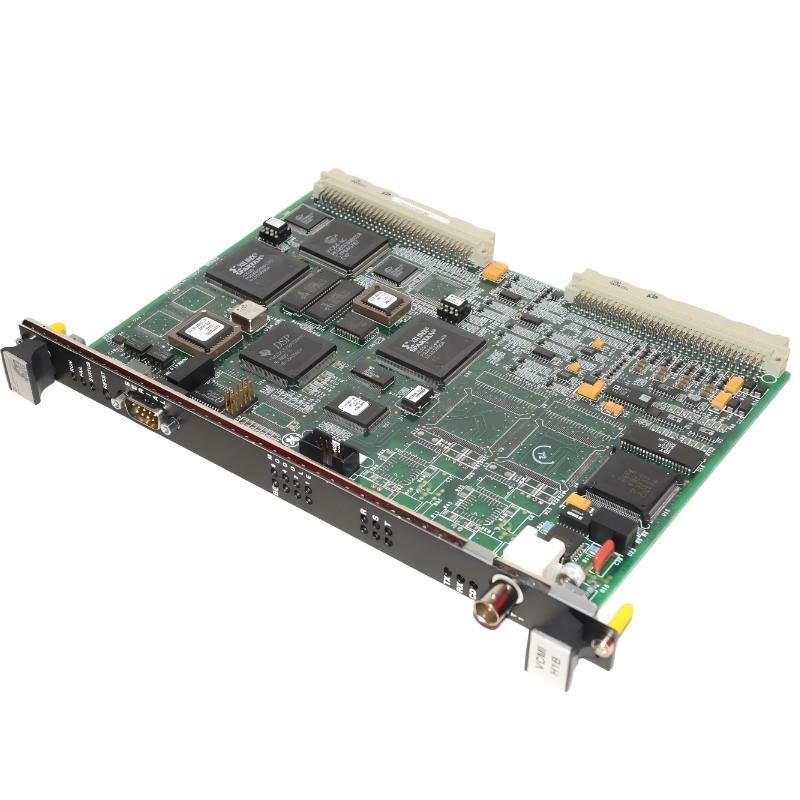
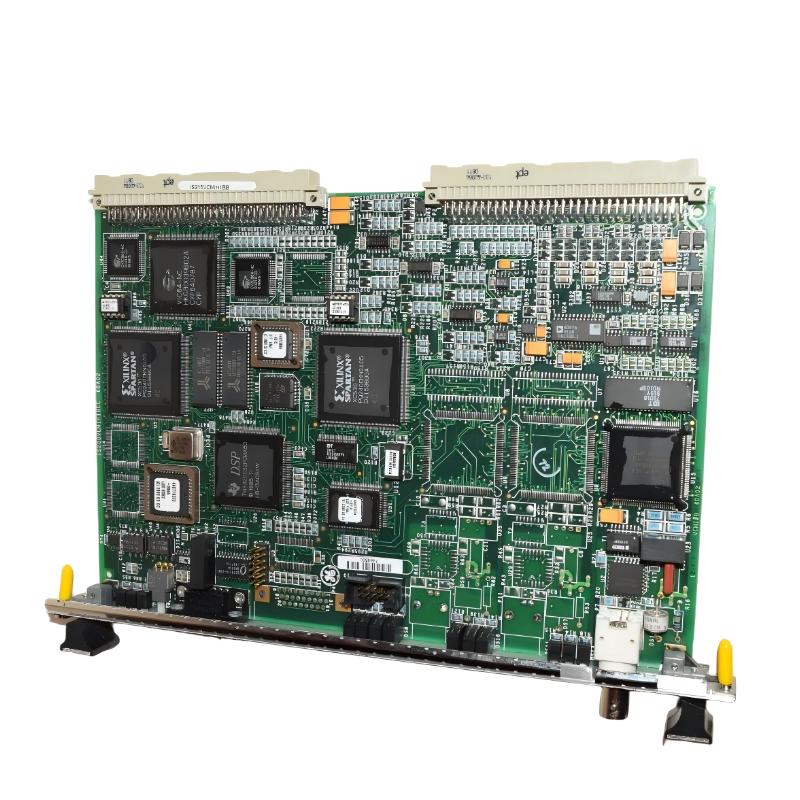
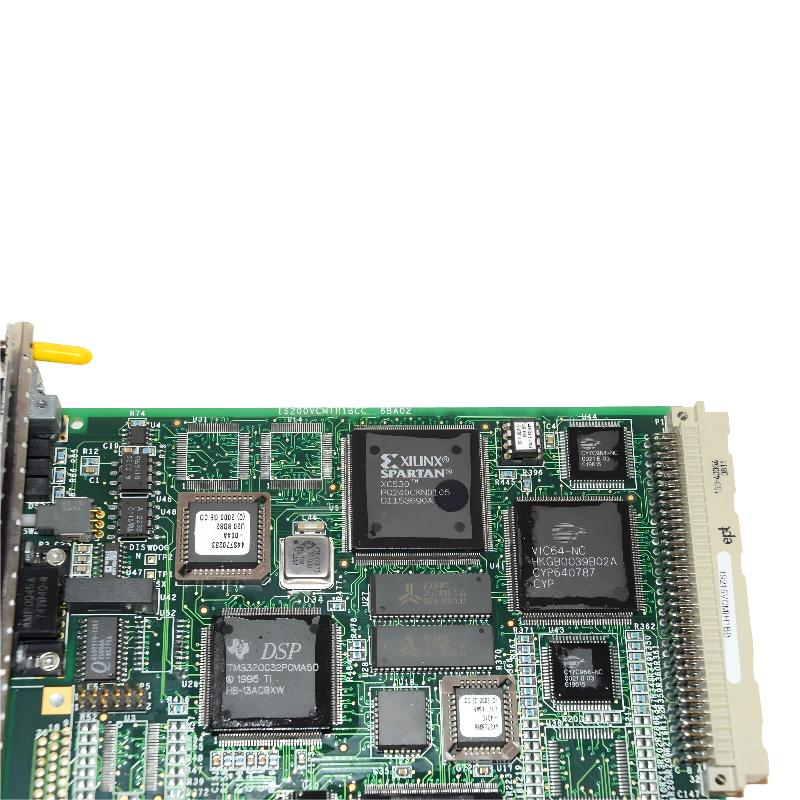
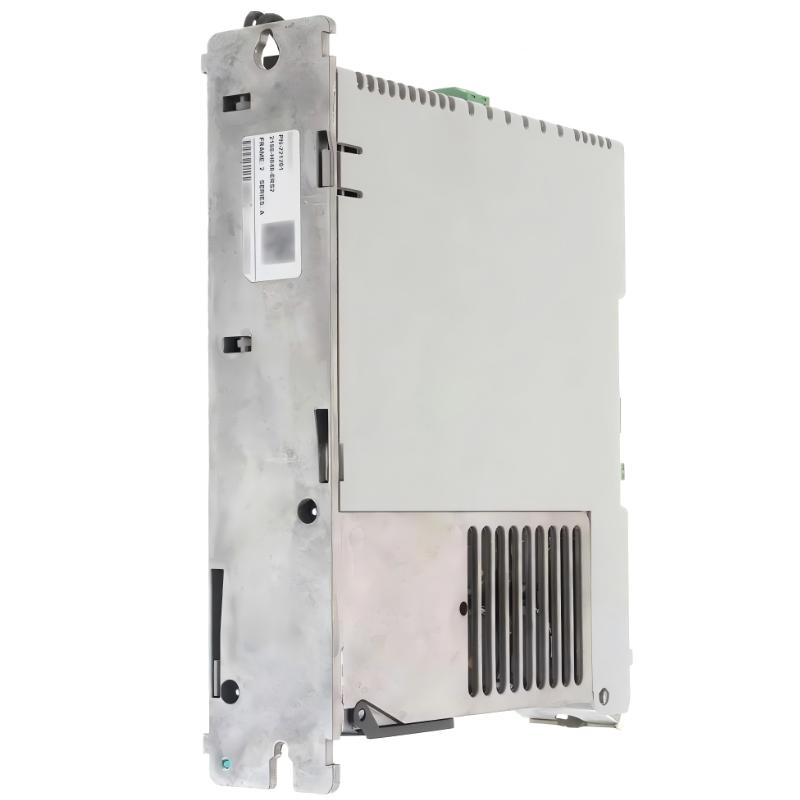
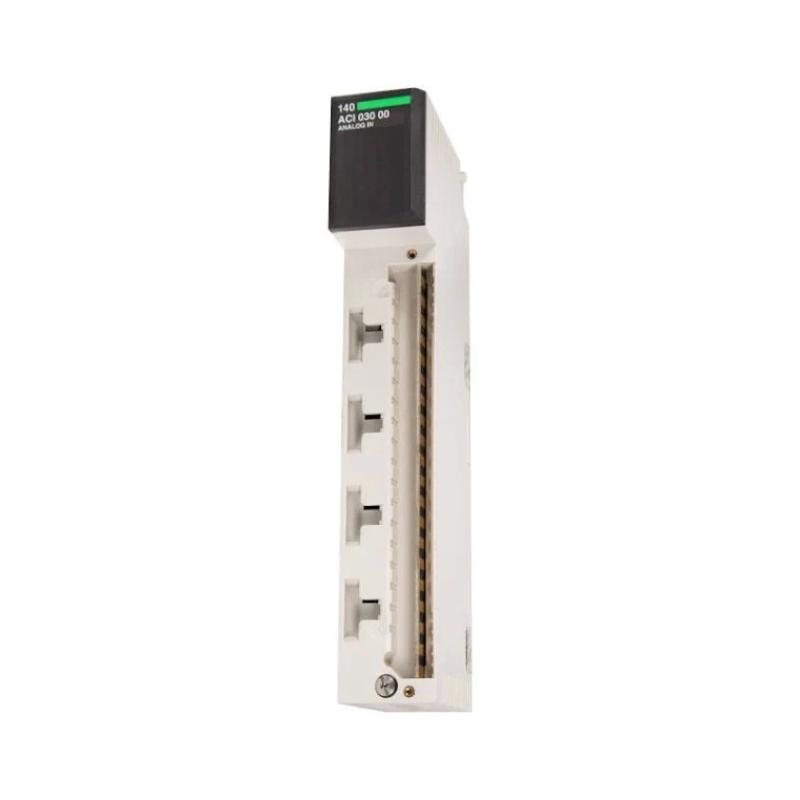
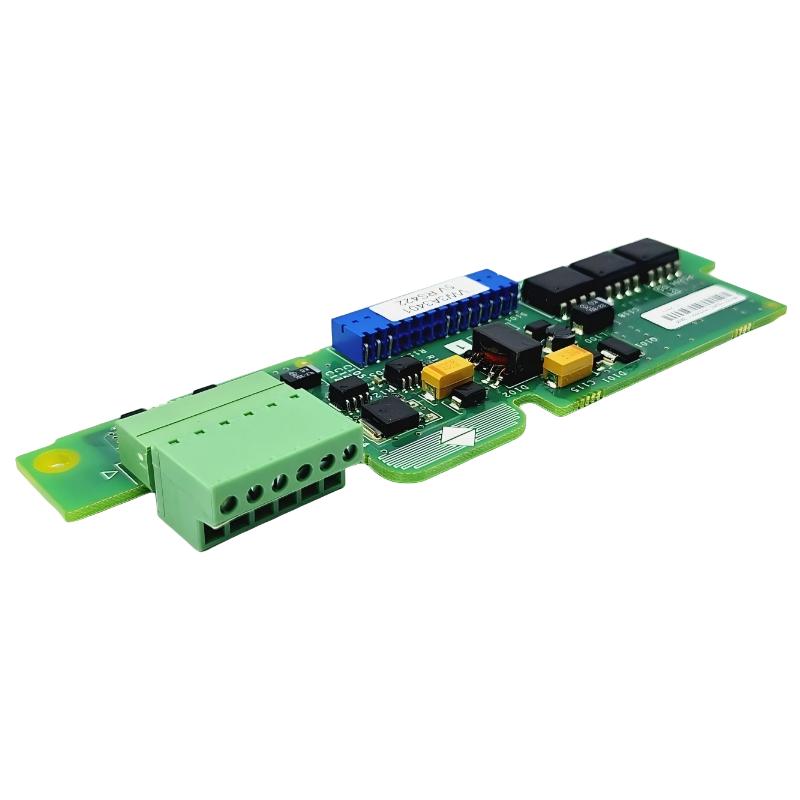
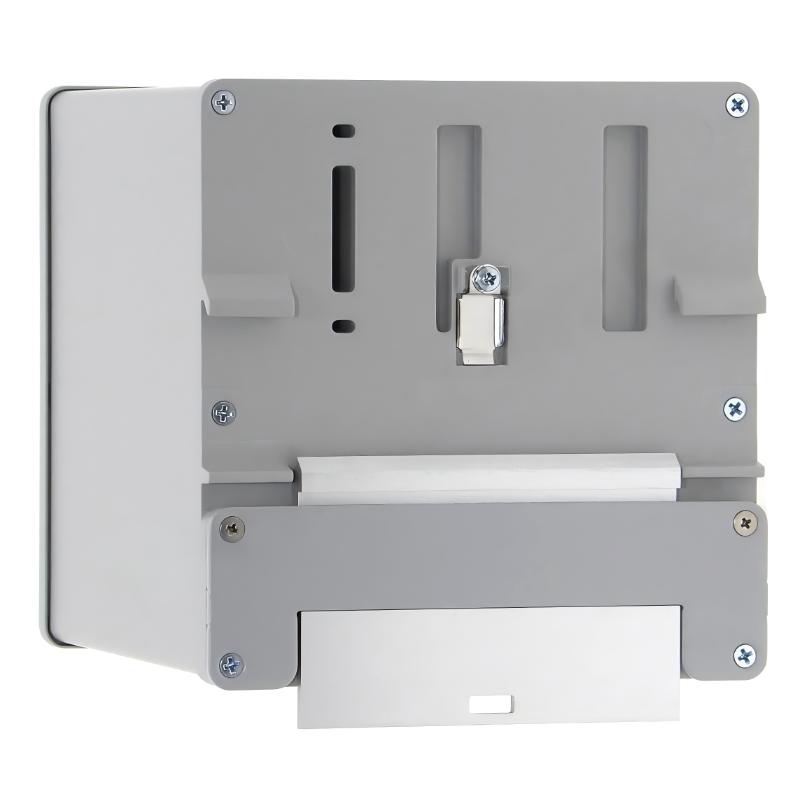
The GE IS215VCMIH1B / IS200VCMIH1B VME Communication Interface Board is designed for high-performance industrial control and communication applications within GE turbine and automation systems. It enables reliable data exchange across VME bus architectures, ensuring stable coordination between control modules and processors. Widely used in power generation and industrial environments, it supports continuous operation and enhances system reliability in mission-critical applications.
Technical Specifications
Parameter
Specification
Product Model
IS215VCMIH1B / IS200VCMIH1B
Product Type
VME Communication Interface Board
Function
Industrial Communication Interface
Bus Type
VME Bus
Dimensions
230 × 30 × 180 mm
Weight
0.55 kg
System Compatibility
GE Control Systems (Mark VI / VIe)
Application
Gas Turbine & Industrial Automation
Installation Type
Rack / Control System Module
Operating Environment
Industrial Power & Process Control
Recommended Related Models
Model Number
Product Name
IS215ACLEH1A
Control Processor Module
IS200DSPXH1D
Digital Signal Processor Board
IS215UCVEH2A
Controller Interface Module
IS200EGDMH1A
Excitation Control Module
Popular Related Models
Model Number
Product Name
IS200TRLYH1B
Relay Output Module
IS215WEMAH1A
Ethernet Communication Module
IS200TREGH1B
Turbine Regulator Module
IS215ISBBH1A
System Base Board
Applications
• VME-based communication interface in GE industrial control systems.
• Gas turbine control system data exchange and coordination.
• Power generation plant control and monitoring architectures.
• Industrial automation systems requiring high-speed VME communication.
• Mark VI / Mark VIe system integration and communication handling.
• Turbine control signal processing and system synchronization tasks.
• Distributed control environments in energy and utility sectors.
• Critical industrial monitoring systems requiring stable data transmission.
Key Advantages
• Reliable high-speed VME bus communication for industrial control systems.
• Designed for stable operation in mission-critical power generation environments.
• Supports efficient data exchange between control modules and processors.
• Strong compatibility with GE turbine control system architectures.
• Resistant to electrical noise in harsh power plant environments.
• Optimized for continuous 24/7 operation in critical applications.
• Enhances system coordination and communication efficiency.
Technical FAQs
Q1: What is the main function of this VME communication interface board?
A1: It manages data communication between modules within GE VME-based control systems.
Q2: Where is this board commonly used?
A2: It is widely used in gas turbine control systems and power generation facilities.
Q3: Is it part of GE Mark VI systems?
A3: Yes, it is commonly associated with GE Mark VI and Mark VIe control architectures.
Q4: What does VME stand for?
A4: VME is a high-speed computer bus standard used for industrial and embedded systems.
Q5: Is it suitable for harsh environments?
A5: Yes, it is designed for industrial and power plant operating conditions.
Q6: What role does it play in turbine systems?
A6: It supports communication between turbine control modules and system processors.
Q7: Can it operate continuously?
A7: Yes, it is built for continuous 24/7 industrial operation.
Q8: Does it improve system reliability?
A8: Yes, it enhances communication stability and system coordination.
Q9: What industries use this module?
A9: Power generation, oil and gas, and heavy industrial automation sectors.
Q10: What is the benefit of VME communication in control systems?
A10: It provides fast, reliable, and deterministic data exchange between system components.