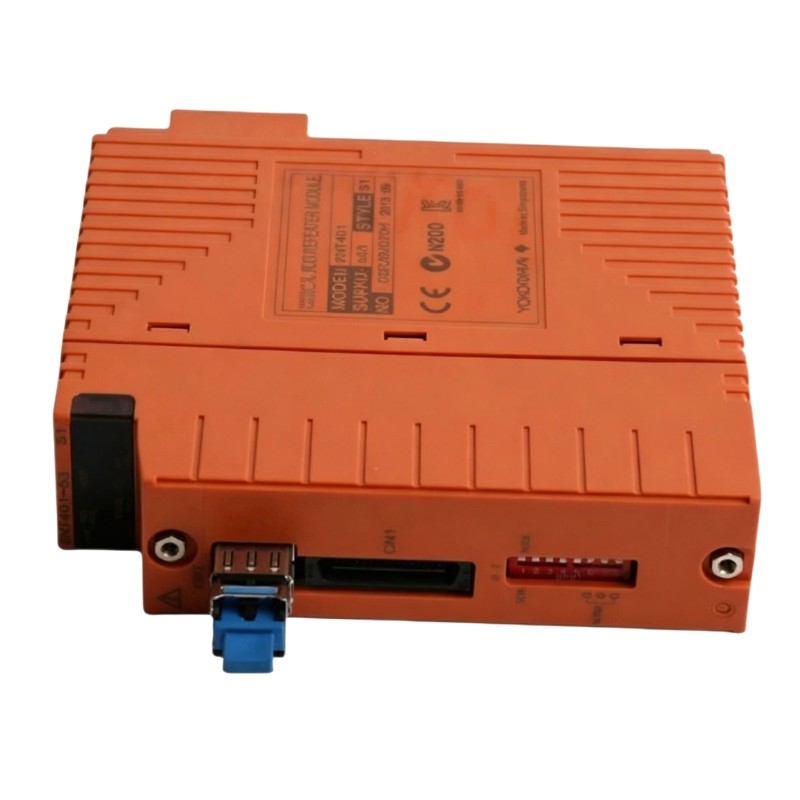
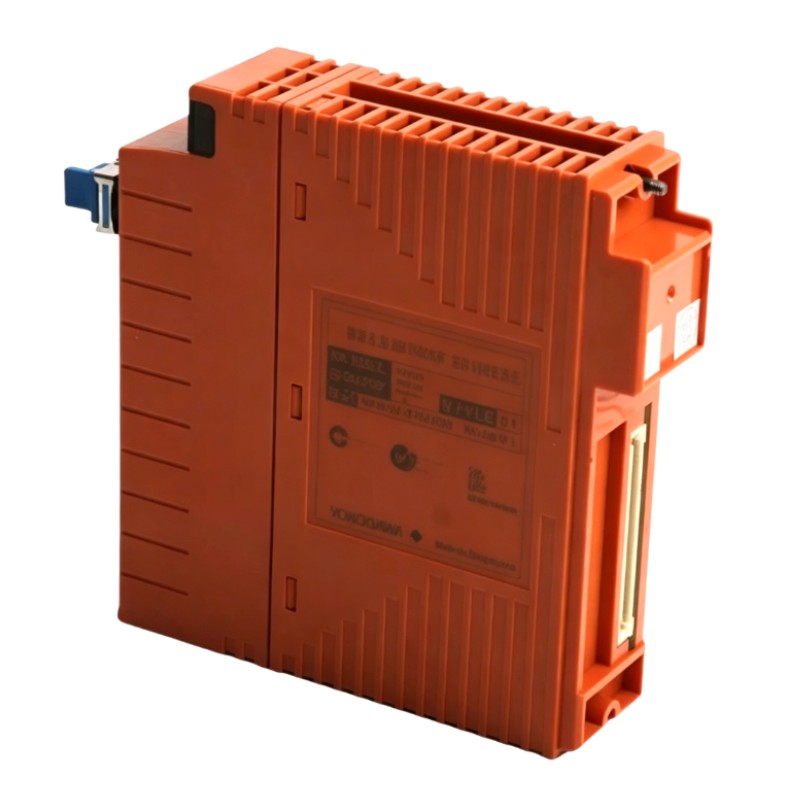
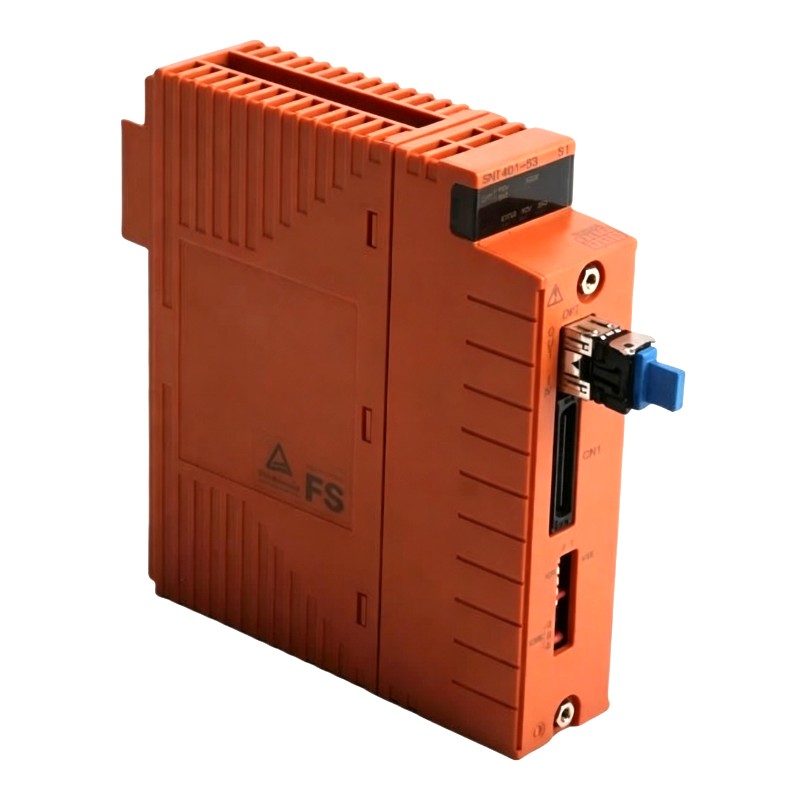
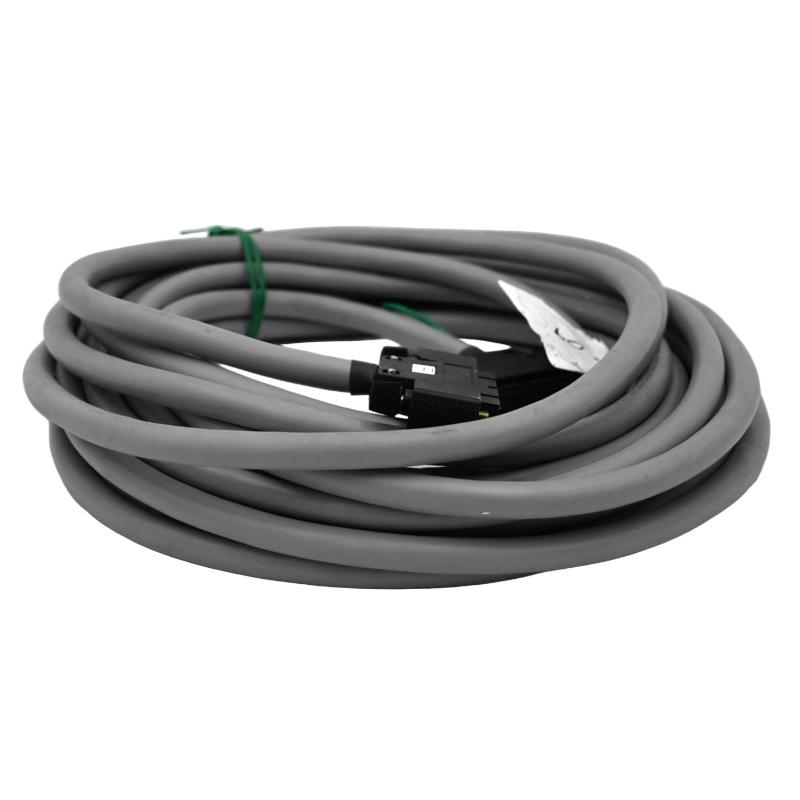
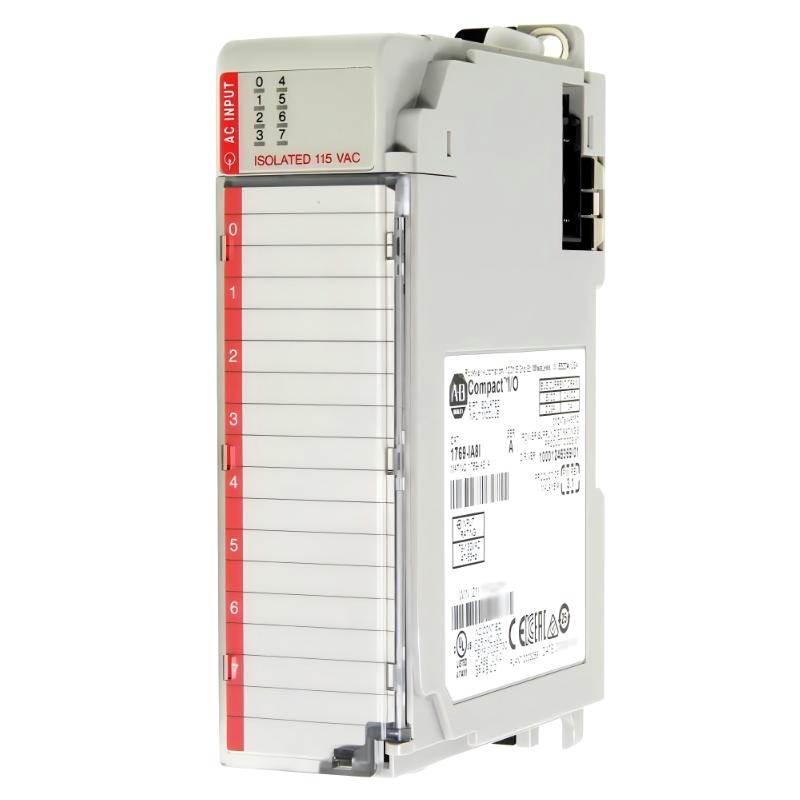
Yokogawa SNT401-53/CU1T Fiber Optic ESB Bus Repeater Main Module
Yokogawa SNT401-53/CU1T Fiber Optic ESB Bus Repeater Main Module
0.0
Points
Brand:Yokogawa Electric Item No.:SNT401-53/CU1T Product Origin:Japan Product Dimensions:142.5 x 130 x 32.8 mm Product Weight:0.3 kg Payment:T/T, Western Union, Credit Card Goods_stock:15 Shipping Port:Xiamen, China Lead Time:1-3 Days Condition:Brand New And Original Warranty:1 Year Certificate:COO
The SNT401-53/CU1T Fiber Optic ESB Bus Repeater Main Module is a key communication component within Yokogawa’s distributed control system architecture. It is designed to extend and stabilize ESB bus communication using fiber optic technology, ensuring high immunity to electrical noise and long-distance signal reliability. Its compact form factor and robust design make it suitable for integration into complex industrial automation environments where stable data transmission is essential.
Technical Specifications
Parameter
Specification
Product Model
SNT401-53/CU1T
Function
Fiber Optic ESB Bus Repeater Main Module
Communication Type
Fiber optic ESB bus
Mounting Type
Cabinet installation
Operating Environment
Industrial-grade conditions
Power Supply
DC system supply
Housing
Rugged industrial enclosure
Dimensions
142.5 × 130 × 32.8 mm
Weight
0.3 kg
Protection
EMI-immune via fiber optic isolation
Diagnostics
Built-in communication status monitoring
Recommended Related Models
Model
Product Name
SNT401-51/CU1T
Fiber Optic ESB Bus Repeater Basic Module
SNT401-52/CU1T
Fiber Optic ESB Bus Repeater Standard Module
SNT401-54/CU1T
Fiber Optic ESB Bus Repeater Extended Range Module
SNT401-55/CU1T
Fiber Optic ESB Bus Repeater High-Performance Module
Popular Related Models
Model
Product Name
SNT401-53/CU1T
Fiber Optic ESB Bus Repeater Main Module
SNT401-60/CU1T
Advanced ESB Bus Optical Repeater Module
SNT401-70/CU1T
High-Speed ESB Bus Communication Module
SNT401-80/CU1T
Next-Generation Fiber Optic ESB Interface Module
Applications
• ESB bus signal extension in distributed control systems
Ensures stable communication over long distances by regenerating and forwarding ESB bus signals.
• Fiber optic communication backbone in industrial automation
Supports high-speed, noise-immune data transmission across plant-wide control networks.
• Large-scale process control systems
Maintains reliable synchronization between remote I/O stations and central controllers.
• Oil & gas and petrochemical facilities
Used in environments where electrical noise immunity and long-distance communication are critical.
• Power generation and utility infrastructure
Supports stable data exchange in high-reliability plant communication networks.
Key Advantages
• Fiber optic transmission for high noise immunity
Eliminates electromagnetic interference, ensuring stable and clean signal communication.
• Reliable ESB bus signal regeneration
Maintains signal integrity over extended transmission distances.
• Compact and lightweight design
Allows easy installation in dense control cabinet environments.
• High-speed and stable communication performance
Supports consistent data exchange in mission-critical automation systems.
• Industrial-grade durability
Designed for long-term operation in harsh industrial environments.
Technical FAQs
1. What is the main function of the SNT401-53/CU1T?
It acts as a fiber optic ESB bus repeater for extending and stabilizing communication signals.
2. Where is it typically used?
It is used in distributed control systems requiring long-distance ESB bus communication.
3. Does it use fiber optic communication?
Yes, it is designed for fiber optic transmission to improve noise immunity.
4. Can it improve signal stability?
Yes, it regenerates signals to maintain integrity over long distances.
5. Is it suitable for harsh environments?
Yes, it is built for industrial-grade operating conditions.
6. Does it require calibration?
No calibration is required during normal operation.
7. Can it be used in power plants?
Yes, it is widely used in power generation communication systems.
8. Is it compatible with Yokogawa systems?
Yes, it integrates within Yokogawa ESB bus architectures.
9. What happens if signal degradation occurs?
The module regenerates and restores signal quality to maintain communication stability.
10. Is it suitable for distributed architectures?
Yes, it is designed for distributed control system communication networks.