GE Fanuc PLC

  1. Home
  2. Products
  3. GE Fanuc PLC
  4. GE IS215ACLEH1C Application Control Layer Module
GE IS215ACLEH1C Application Control Layer Module

GE IS215ACLEH1C Application Control Layer Module

0.0
Points

Brand:GE Fanuc PLC
Item No.:GE IS215ACLEH1C
Product Origin:USA
Product Dimensions:16 × 16 × 12 cm
Product Weight:2.0 kg
Payment:T/T, Western Union, Credit Card
Goods_stock:15
Shipping Port:Xiamen, China
Lead Time:1-3 Days
Condition:Brand New And Original
Warranty:1 Year
Certificate:COO

Add to cart

IS215ACLEH1C-4IS215ACLEH1C-4IS215ACLEH1C-3IS215ACLEH1C-4

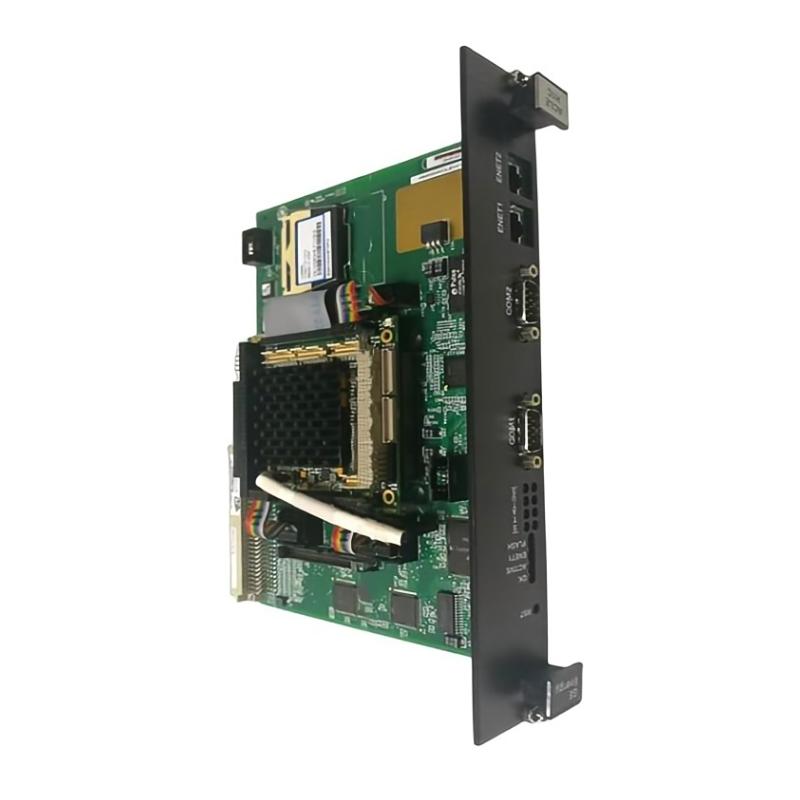
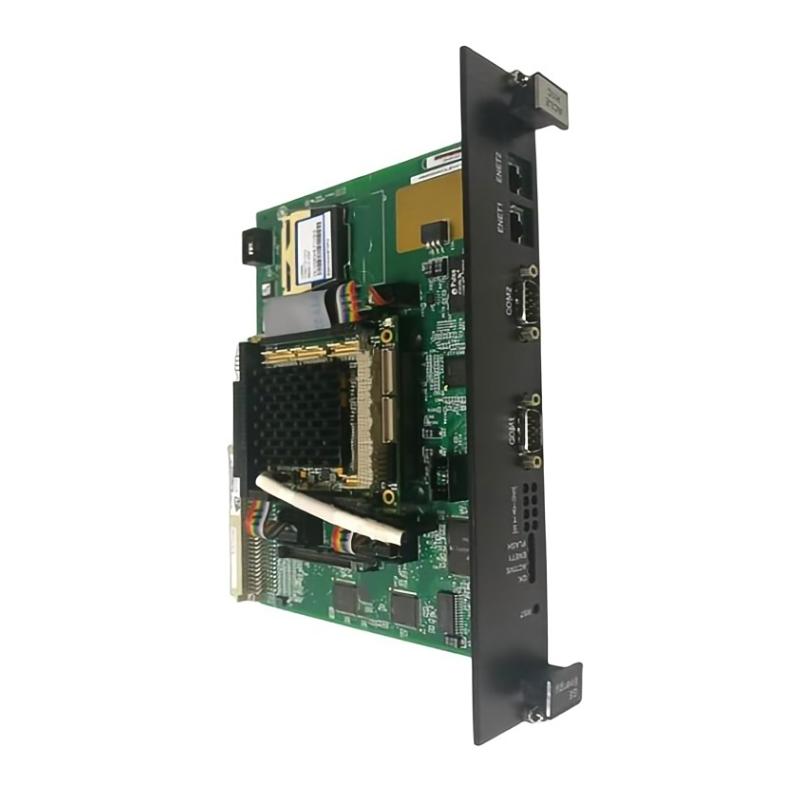
The GE IS215ACLEH1C is an Application Control Layer (ACL) Module used in GE Mark VI turbine control and EX2100 excitation systems. It serves as a high-level control processor board, responsible for executing application logic, managing communication between subsystems, and coordinating turbine or drive control strategies.

In industrial automation, this module acts as a software-driven control layer, sitting above I/O and signal conditioning boards to ensure precise execution of control algorithms in real time.


Technical Specifications — Engineering & System-Level Profile

CategorySpecification
ManufacturerGeneral Electric (GE)
SeriesMark VI / EX2100 Excitation Control
Product TypeApplication Control Layer Module (ACL)
Functional CodeACLE H1C
Primary FunctionControl logic execution & system coordination
Processor TypeEmbedded microprocessor-based controller
MemoryDRAM + Flash (configuration dependent)
CommunicationEthernet, ISBus (system dependent)
Mounting LocationEX2100 rack / Innovation Series drive rack
Operating Temperature-40°C to +70°C
Storage Temperature-40°C to +85°C
Physical Size~16 × 16 × 12 cm
Weight~0.5–2.0 kg (variant dependent)

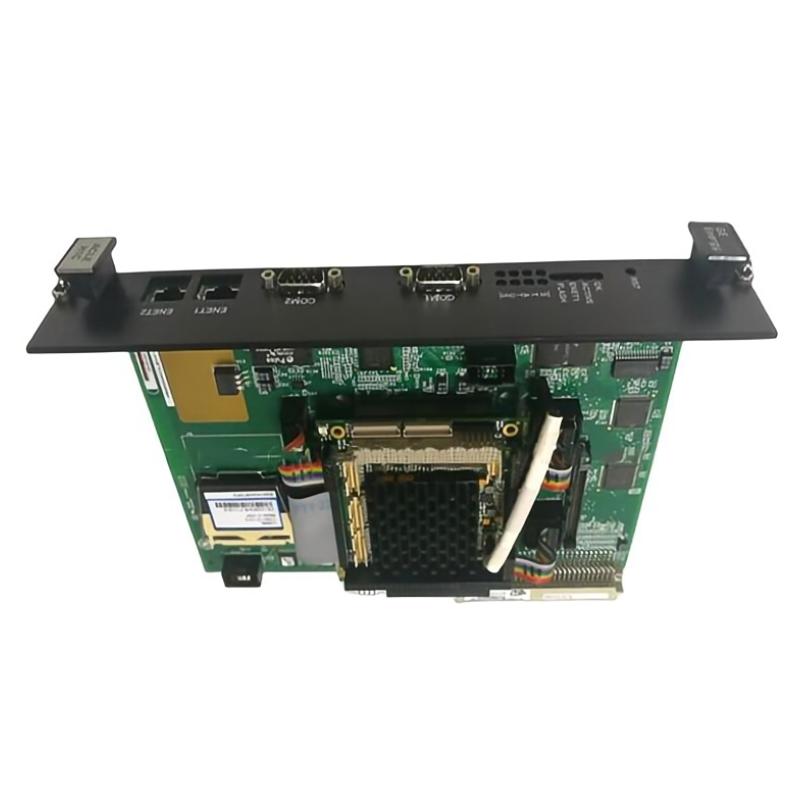
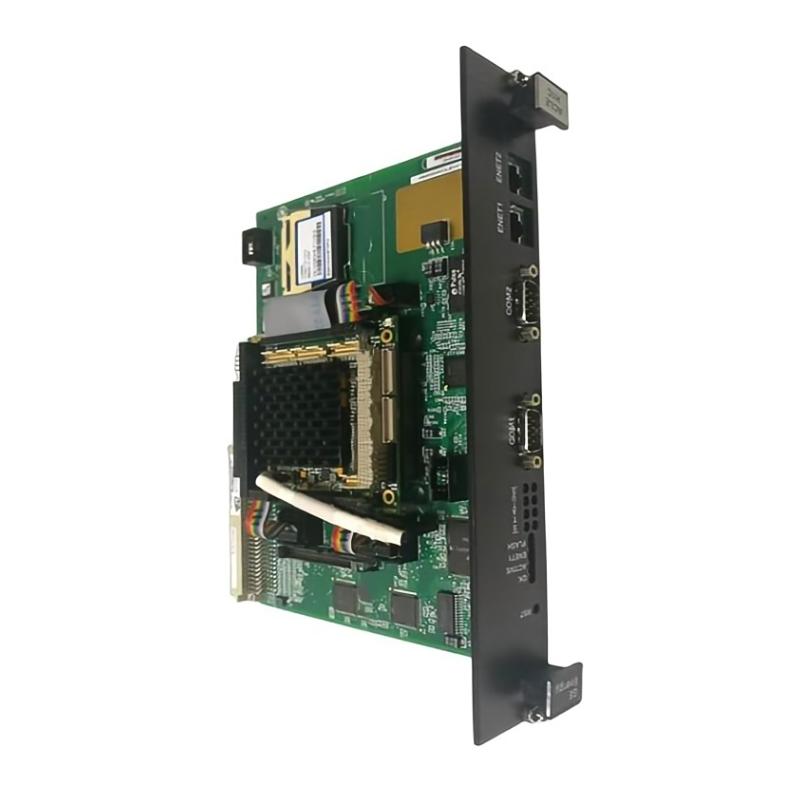
The module typically includes diagnostic LEDs (OK, ENET, Active, Flash), Ethernet communication capability, and dual-port communication architecture for integration with turbine subsystems.


Recommended Related Models — System Ecosystem Compatibility

For complete GE control system architecture, IS215ACLEH1C is commonly paired with:

  • IS200DSPXH1D — Digital signal processing module
  • IS210AEDBH4A — Bridge interface board
  • IS210AEBIH3B — Energy bridge interface module
  • IS210MACCH1A — Communication interface module
  • IS210AEPSG1B — Power supply module

These components collectively support turbine control execution, communication routing, and power stability.


Popular GE Mark VI / EX2100 Modules — Widely Deployed Field Systems

Within GE industrial control platforms, the following modules are frequently used:

  • IS215ACLIH1A — Application control layer module (similar ACL family)
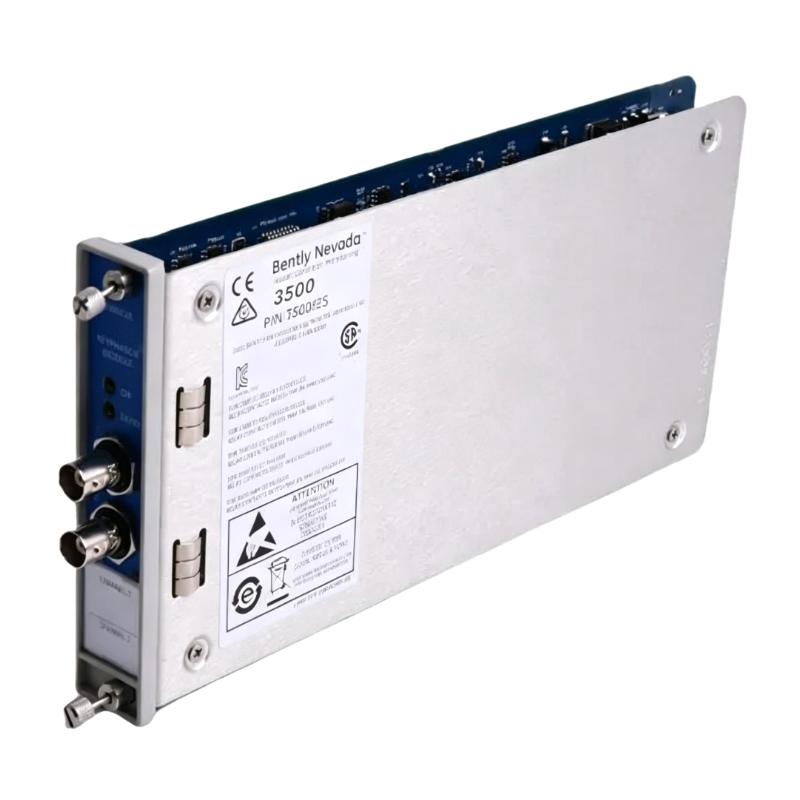
  • IS200VVIBH1C — Vibration monitoring module
  • IS200EGDMH1A — Ethernet diagnostic gateway
  • IS200TRLYH1B — Relay output module
  • IS200TBAIH1C — Terminal board assembly

These modules are widely adopted in global power plants due to their long lifecycle reliability and strong integration within GE Speedtronic systems.

Applications — Where IS215ACLEH1C Is Used

The IS215ACLEH1C is deployed in high-reliability industrial environments such as:

  • Gas turbine control systems in power plants
  • Steam turbine automation and protection systems
  • EX2100 excitation control systems
  • Industrial drive and motor control systems
  • Combined-cycle and distributed generation plants

Its role is to execute application-level control logic, ensuring stable operation of turbine speed, load, excitation, and safety functions.


Advantages — Why Engineers Use This Module

  • Executes high-level turbine control algorithms in real time
  • Strong integration with GE Mark VI / EX2100 architectures
  • Ethernet-based communication for system coordination
  • Industrial-grade reliability for continuous operation
  • Supports diagnostics via onboard LED indicators and system monitoring

This makes it a central intelligence layer in GE turbine control stacks.


Technical FAQs — Engineering Insights

1. What is the IS215ACLEH1C used for?
It is an application control layer module for GE turbine control systems.

2. Is it a CPU module?
It contains an embedded processor but functions as a system-level control module, not a general-purpose CPU.

3. Which systems use it?
GE Mark VI and EX2100 excitation control systems.

4. What is its main function?
Executing control logic and coordinating turbine system operations.

5. Does it support Ethernet communication?
Yes, Ethernet is commonly used for system communication.

6. Does it support ISBus?
Some configurations use ISBus depending on system architecture.

7. What is its operating temperature range?
Typically -40°C to +70°C.

8. What indicators does it have?
LEDs such as OK, Active, ENET, and Flash for system diagnostics.

9. Is it still widely used today?
Yes, especially in installed industrial turbine fleets and legacy control systems.

10. Why is it important in turbine systems?
Because it executes the core application control logic that ensures stable and safe turbine operation.


Look forward to your comments!Comment
Latest comments
Tags:
Need Assistance? Chat with Us on WhatsApp!
Need Assistance? Click to Inquire
Back to top