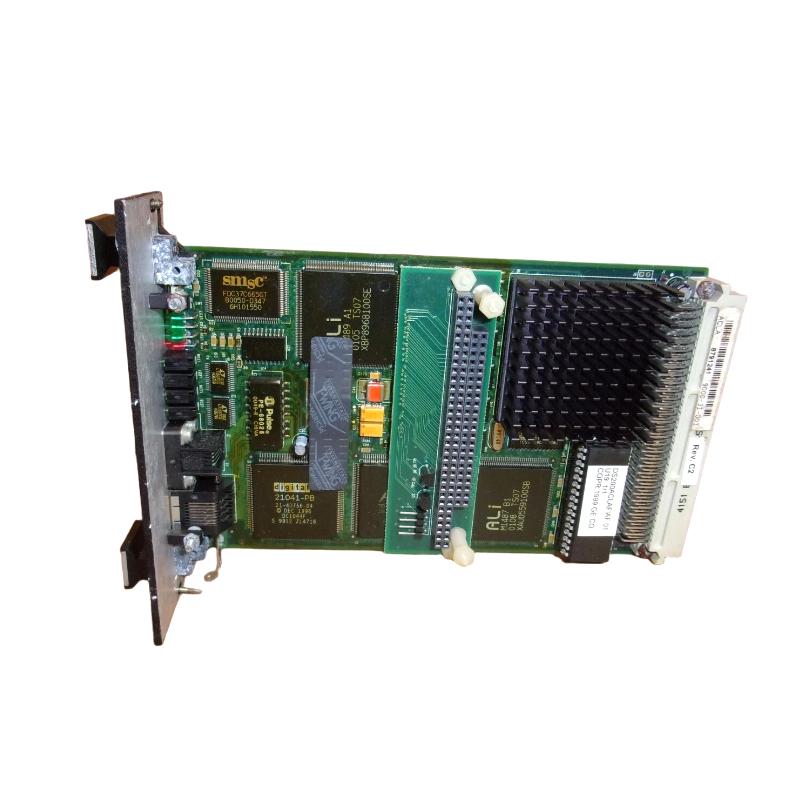
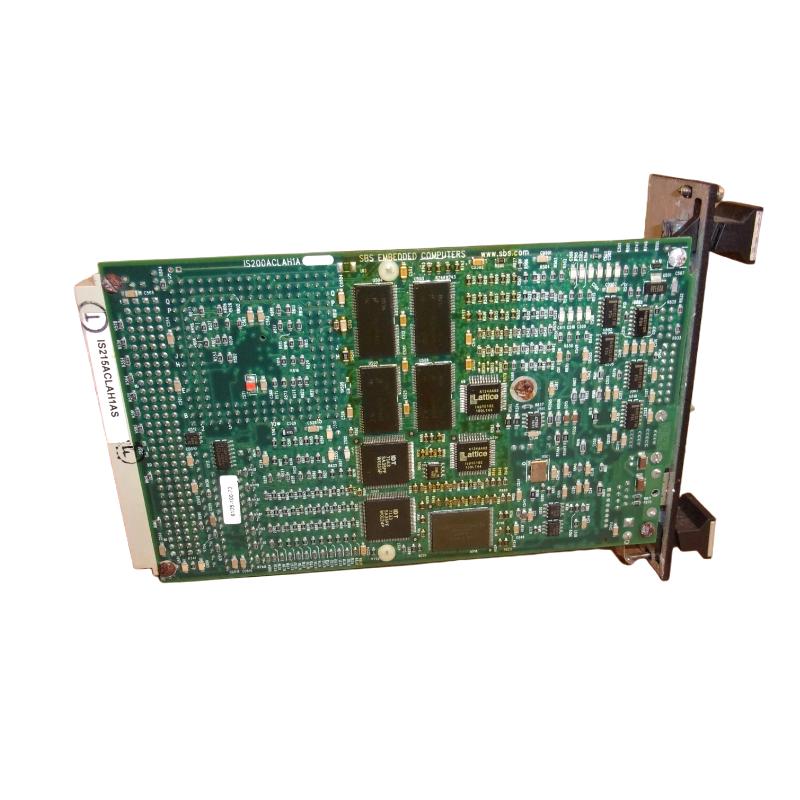
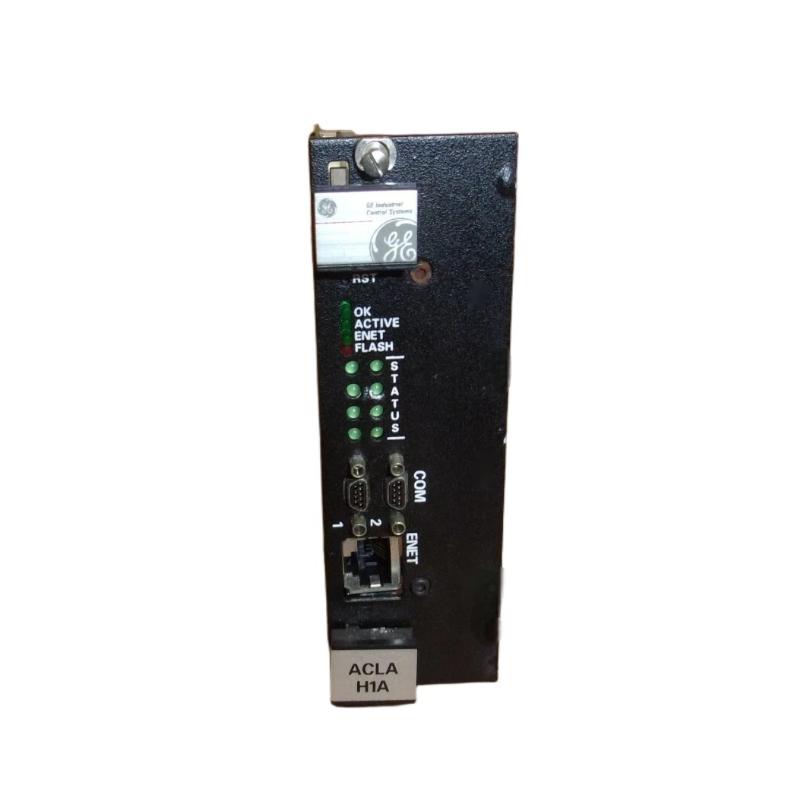
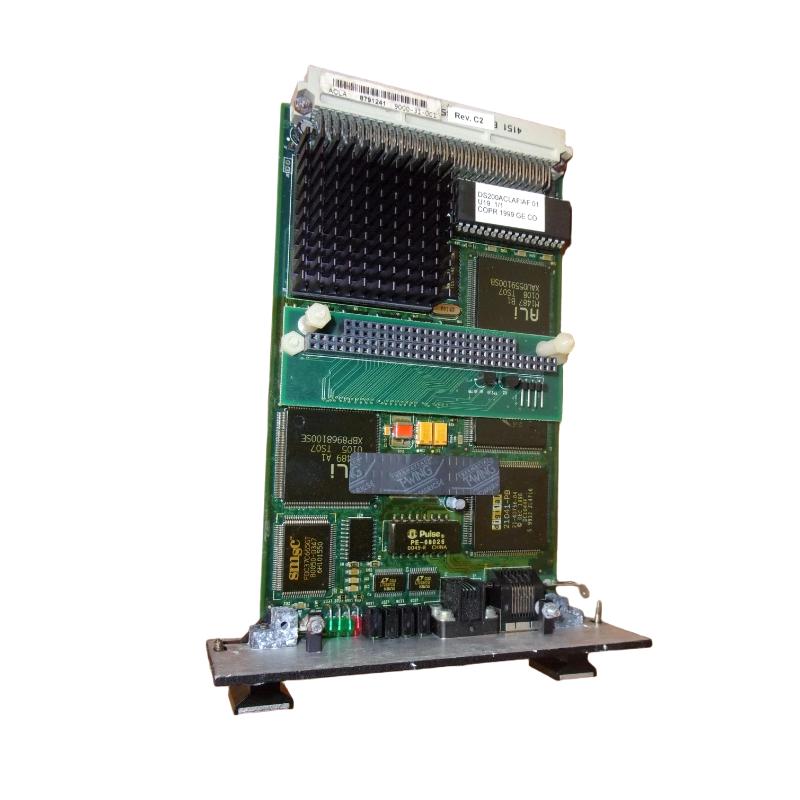
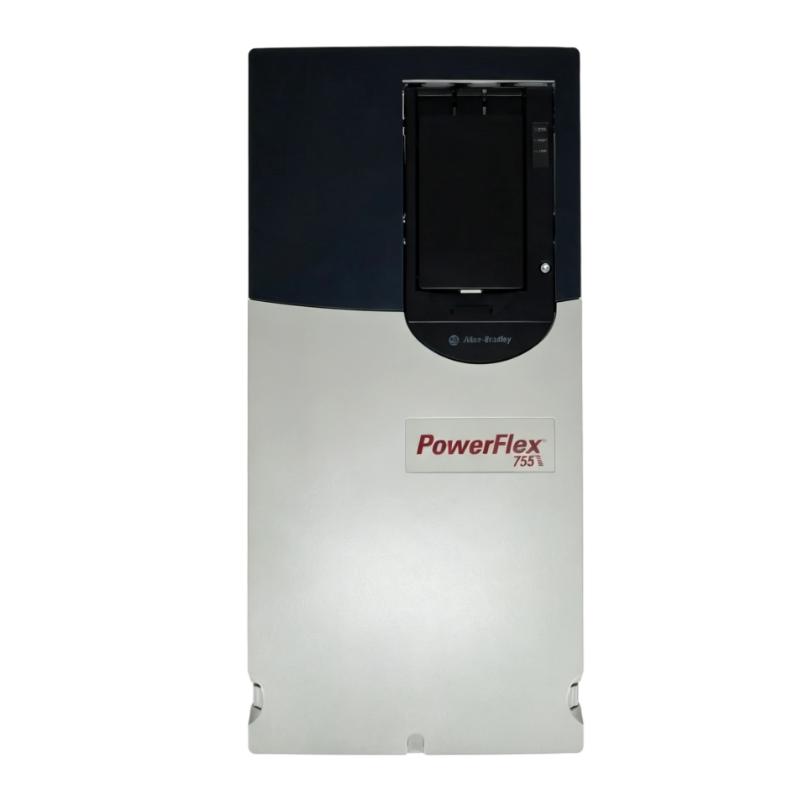
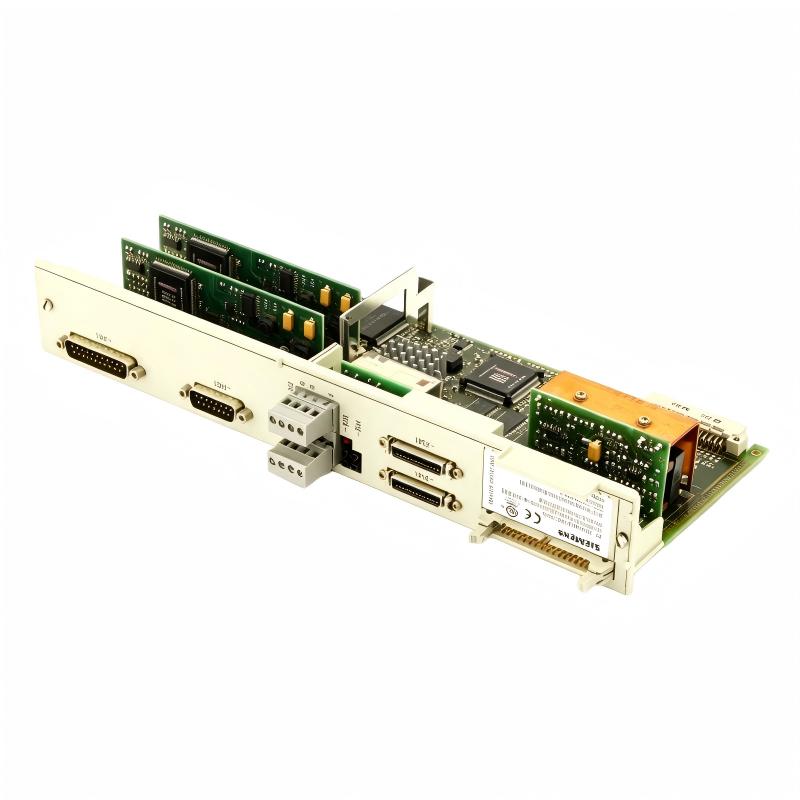
Brand:GE Fanuc PLC Item No.:IS215ACLAH1AD Product Origin:USA Product Dimensions:280 × 120 × 22 mm Product Weight:0.65 kg Payment:T/T, Western Union, Credit Card Goods_stock:15 Shipping Port:Xiamen, China Lead Time:1-3 Days Condition:Brand New And Original Warranty:1 Year Certificate:COO
The GE IS215ACLAH1AD Application Control Layer Module delivers precise, reliable, and scalable control for industrial automation systems. With a compact profile and advanced functionality, it is ideal for manufacturers seeking to optimize production efficiency while maintaining robust system reliability. Its versatile connectivity and backward compatibility ensure smooth integration into both new and legacy systems.
Technical Specifications
Parameter
Specification
Dimensions (L × W × H)
280 × 120 × 22 mm
Weight
0.65 kg (1.43 lb)
Operating Temperature
0°C to 60°C
Communication Protocols
EtherNet/IP, Modbus TCP
Power Supply
24 VDC ±10%
MTBF
250,000 hours
Protection
Surge and transient voltage protection
Applications
The GE IS215ACLAH1AD is designed for advanced industrial automation systems, offering seamless integration into complex control architectures. Ideal for manufacturing process control, power management, and data acquisition systems, it ensures precise and reliable operation across a range of industrial environments. Its robust design makes it suitable for both centralized control systems and distributed networked control setups.
Advantages
High Reliability: Engineered for continuous operation in industrial conditions.
Scalable Performance: Supports networked expansion and modular integration.
Enhanced Compatibility: Fully interoperable with GE’s automation ecosystem and standard industrial protocols.
Energy Efficient: Optimized for low power consumption while maintaining peak performance.
Technical FAQs
Q: What types of industrial networks does this module support? A: Supports EtherNet/IP, Modbus TCP, and standard industrial communication protocols for flexible integration.
Q: Can the module operate in high-temperature environments? A: Yes, it is rated for operation between 0°C to 60°C, suitable for most industrial applications.
Q: How is firmware updated? A: Firmware can be updated via GE’s dedicated software suite over Ethernet or USB interfaces.
Q: Does the module provide real-time monitoring capabilities? A: Yes, it offers real-time diagnostics and logging to monitor performance metrics.
Q: What is the module’s MTBF (Mean Time Between Failures)? A: MTBF is rated at 250,000 hours under standard operating conditions.
Q: Is it compatible with legacy GE control systems? A: Fully backward-compatible with previous generation GE Application Control Modules.
Q: How does the module handle network redundancy? A: Supports ring topology and hot-swap redundancy for continuous operation.
Q: Can it be integrated with SCADA systems? A: Yes, the module easily integrates with SCADA for centralized monitoring and control.
Q: Does it provide protection against electrical surges? A: Yes, it includes built-in surge and transient voltage protection.
Q: What diagnostics are available for troubleshooting? A: LED indicators, software logging, and remote diagnostics tools are provided.