GE IS210HSLAH1A High-Speed Serial link Interface Module
GE IS210HSLAH1A High-Speed Serial link Interface Module
0.0
Points
Brand:GE Fanuc PLC Item No.:IS210HSLAH1A Product Origin:USA Product Dimensions:120 × 80 × 100 mm Product Weight:0.4 kg Payment:T/T, Western Union, Credit Card Goods_stock:15 Shipping Port:Xiamen, China Lead Time:1-3 Days Condition:Brand New And Original Warranty:1 Year Certificate:COO
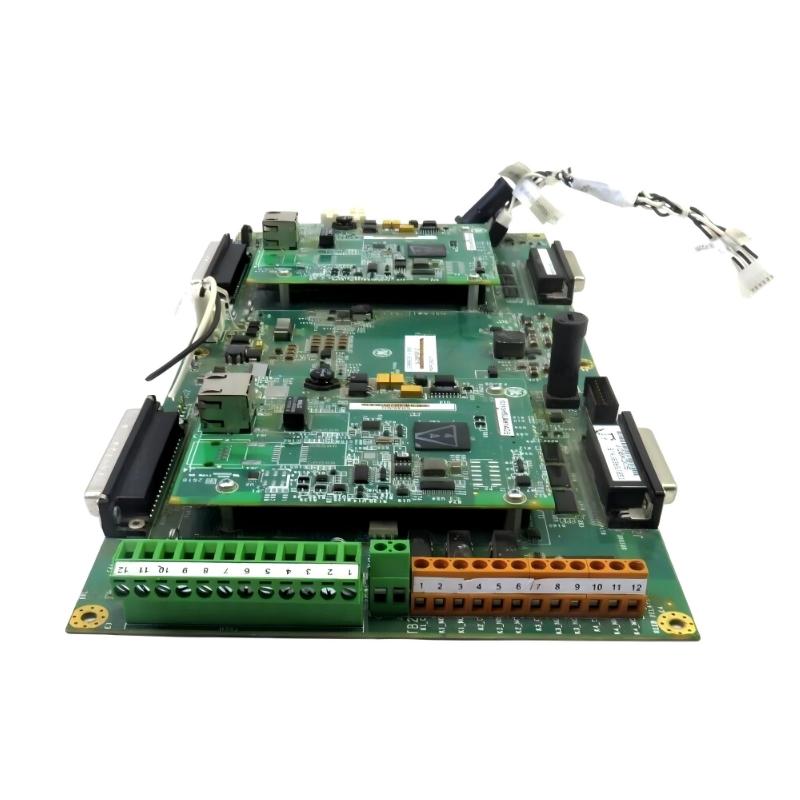
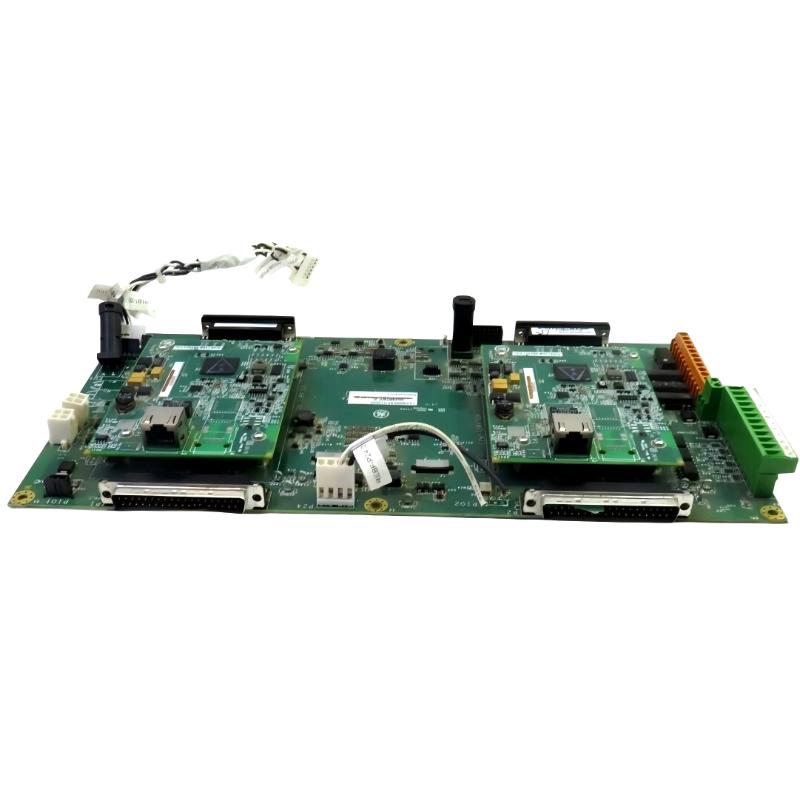
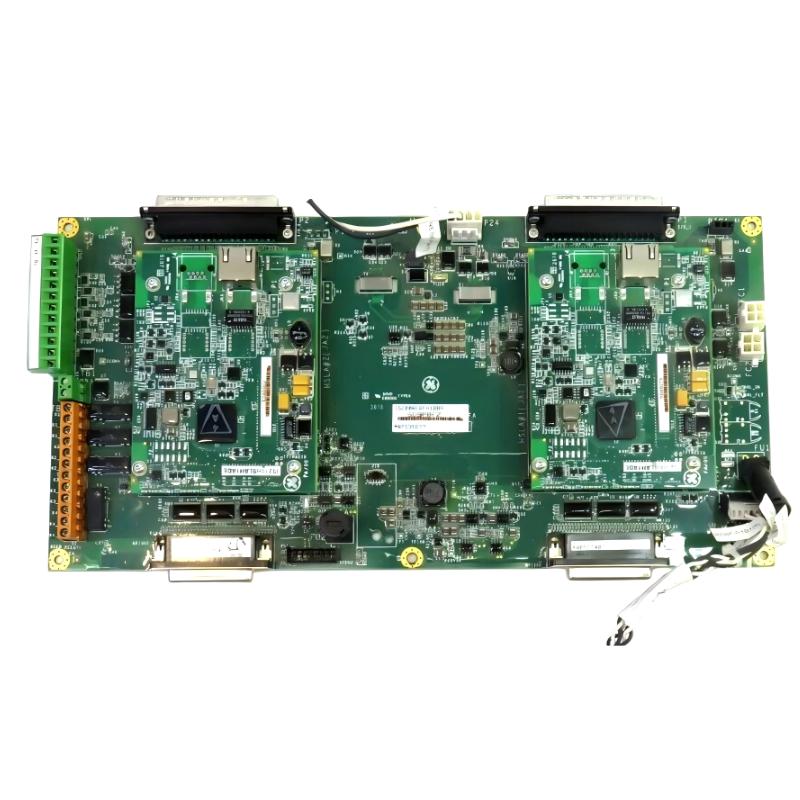
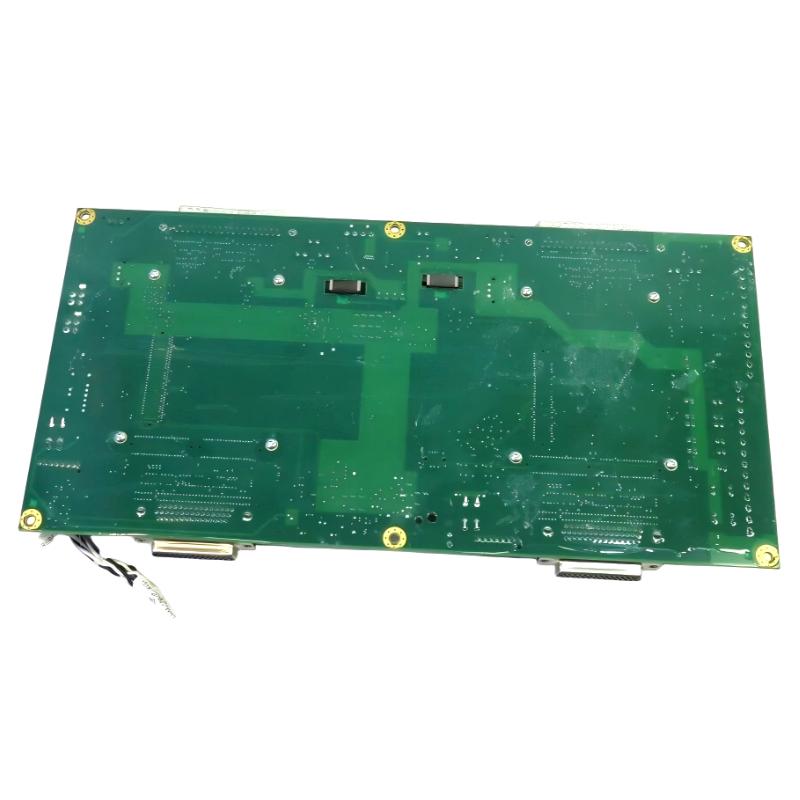
The GE IS210HSLAH1A High-Speed Serial Link Interface Module is a key communication element in GE’s Mark VI turbine control platform. It provides high-speed data exchange between control and monitoring modules, ensuring that turbine systems operate with precise synchronization and reliable coordination.
Built for demanding industrial environments, this module supports continuous operation in power generation, oil & gas, and heavy industrial applications. Its robust design ensures stable communication performance, which is critical for maintaining system integrity in mission-critical turbine control systems.
Technical Specifications
Parameter
Specification
Product Model
IS210HSLAH1A
Product Type
High-Speed Serial Link Interface Module
Brand
GE
System Compatibility
GE Mark VI Control System
Function
High-speed serial communication interface
Application
Turbine and industrial automation systems
Installation
Control cabinet / rack-mounted module
Communication
High-speed serial link (system proprietary)
Industrial Use
Power generation, oil & gas, process control
Dimensions
120 × 80 × 100 mm
Weight
0.4 kg (0.88 lb)
Industrial Applications
The GE IS210HSLAH1A High-Speed Serial Link Interface Module is a communication-focused control component used in GE Mark VI turbine control systems. It is designed to enable fast and reliable serial data exchange between control processors, I/O modules, and system-level controllers, ensuring synchronized operation in critical industrial environments.
Typical applications include:
Gas turbine control and monitoring systems
Steam turbine automation and sequencing
Combined-cycle power plant control systems
Compressor and driven-equipment coordination
Generator control and synchronization systems
Oil & gas and petrochemical automation platforms
High-speed industrial communication networks
Distributed turbine control architectures
Key Advantages
High-speed serial communication for real-time control systems
Stable data transfer between distributed control modules
Designed for GE Mark VI turbine control architecture
Robust performance in harsh industrial environments
Supports mission-critical turbine automation and protection systems
Enhances system synchronization and operational stability
Compact design for easy integration into control cabinets
Reliable long-term industrial operation under continuous load
Improved fault tolerance through stable communication links
Optimized for high-availability power generation systems
Technical FAQs
1. What is the main function of this module?
It enables high-speed serial communication between GE control system components.
2. Which systems use this module?
It is used in GE Mark VI turbine control systems.
3. What does HSLA stand for?
It stands for High-Speed Serial Link Architecture (or Link Access depending on system documentation).
4. Does it process control logic?
No, it primarily handles communication rather than control execution.
5. Is it used in power plants?
Yes, it is widely used in gas and steam turbine power generation systems.
6. Can it operate in harsh environments?
Yes, it is designed for industrial temperature, vibration, and EMI conditions.
7. Is it part of a redundant system?
Yes, it can be used in redundant communication architectures depending on configuration.
8. What happens if it fails?
Loss of communication between modules may lead to control faults or protective shutdowns.
9. Does it support real-time data transfer?
Yes, it is optimized for high-speed deterministic communication.
10. Why is this module important?
It ensures synchronized communication across turbine control systems, improving stability and safety.