2026 Digital Selection Guide: How Enterprises Choose the Right Commodity Trading System in the Era of Smart Industrial Platforms
Meta Description (SEO):
A 2026 professional guide on how enterprises select commodity trading systems, covering digital platform evaluation, architecture, risk control, and smart industrial integration for global trade and industrial automation sectors.
The Rise of Digital Commodity Trading Systems in 2026
In 2026, commodity trading is no longer just a financial or procurement function—it has become a core part of industrial digital infrastructure. From metals and energy to chemical materials and industrial equipment, enterprises are increasingly relying on digital commodity trading systems to manage pricing, contracts, logistics, and risk in real time.
As global supply chains become more volatile and data-driven, selecting the right trading platform has become a strategic decision affecting cost efficiency, compliance, and supply chain resilience.
Why Commodity Trading System Selection Matters More Than Ever
Modern commodity trading platforms are evolving into integrated ecosystems that connect:
- Suppliers and buyers
- Warehousing and logistics systems
- Financial settlement and risk control modules
- Industrial IoT and real-time data systems
A high-quality system is no longer just a transaction tool—it is a full-cycle industrial coordination platform.
Poor system selection can lead to:
- Fragmented supply chain visibility
- Contract execution risks
- Lack of regulatory compliance traceability
- Inefficient pricing and settlement mechanisms
Core Evaluation Framework for 2026 System Selection
Based on industry digital transformation trends, enterprises should evaluate commodity trading systems using four key dimensions:
1. Full Lifecycle Digitalization Capability
A modern system must support end-to-end workflows, including:
- Product listing and sourcing
- Online negotiation and contract signing
- Dynamic contract version control
- Order execution tracking
- Digital settlement and reconciliation
The key benchmark is whether the system can maintain a complete digital traceability chain across all transaction stages.
2. Integration with Physical Supply Chain (IT + OT Convergence)
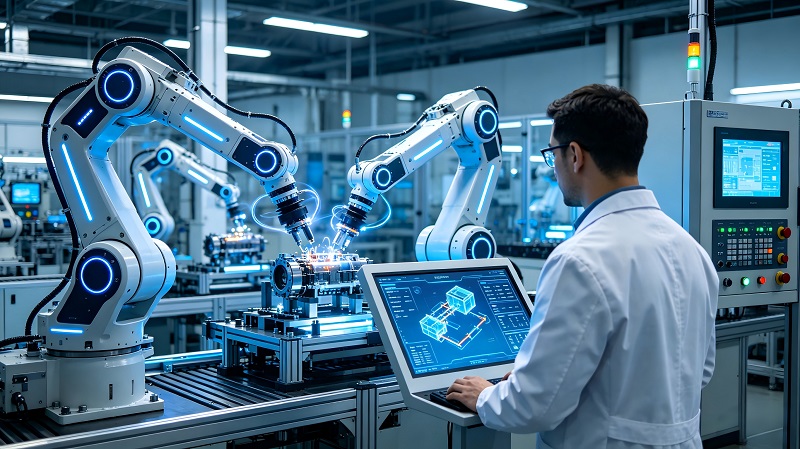
One of the most important 2026 trends is the integration of digital platforms with industrial operations (OT systems).
Advanced systems should support:
- Warehouse sensor integration (RFID, infrared, smart weighing)
- Real-time inventory synchronization
- Automated shipment status updates
- Physical-to-digital asset mapping
This capability ensures that digital orders reflect real-world physical movement of goods.
3. Built-in Risk Control and Compliance Engine
A competitive trading system must include embedded risk intelligence, such as:
- Real-time anomaly detection
- Credit and counterparty risk scoring
- Transaction behavior monitoring
- Automated compliance reporting
Regulatory compliance is no longer an add-on—it is a core system module required for industrial-grade trading platforms.
4. Auditable Data and Regulatory Traceability
Enterprises increasingly require systems that provide:
- Immutable transaction records
- End-to-end audit trails
- Integration with third-party regulators
- Blockchain or tamper-proof logging mechanisms
This ensures transparency in sectors such as chemicals, energy, and bulk materials trading.
Key Industry Trend: From Trading Platforms to Industrial Digital Infrastructure
According to recent industrial digitalization policies and market developments, commodity trading platforms are expanding into:
- Smart procurement ecosystems
- Industrial supply chain coordination hubs
- Cross-border B2B trading networks
- AI-driven pricing and forecasting systems
Governments and industrial clusters are also actively promoting the development of large-scale commodity trading centers and industrial internet platforms, emphasizing data integration, logistics optimization, and digital compliance systems.
Deployment Models: How Enterprises Should Choose
Enterprises typically choose between three models:
1. SaaS-Based Trading Platforms
Fast deployment, lower cost, limited customization.
2. Self-Developed Systems (Custom Architecture)
High flexibility, strong control, but requires long development cycles and skilled engineering teams.
3. Hybrid Industrial Platforms (2026 Mainstream)
Combines cloud platforms + industrial IoT + modular trading engines for scalability and compliance.
Strategic Recommendation for Industrial Enterprises
In 2026, the optimal commodity trading system should not only support transactions but also enable:
- Smart supply chain coordination
- Real-time industrial data integration
- AI-assisted pricing and forecasting
- Compliance-driven digital governance
The future of commodity trading is shifting toward fully connected industrial digital ecosystems, where trading, logistics, and production are seamlessly integrated.