ABB and Global Automation Leaders Advance Next-Generation DCS and PLC Integration (2026 Industry Update)
Industrial automation leaders are accelerating innovation in Distributed Control Systems (DCS) and Programmable Logic Controllers (PLC) to support next-generation manufacturing requirements. In 2026, the focus has shifted toward unified automation platforms that combine control, data analytics, and lifecycle management.
ABB has continued upgrading its System 800xA platform, introducing enhanced support for long-term system stability, virtualization, and extended digital integration capabilities. The latest updates aim to help industrial operators modernize existing infrastructure without disrupting production.
Convergence of PLC and DCS Systems
Traditionally, PLC and DCS systems served different roles:
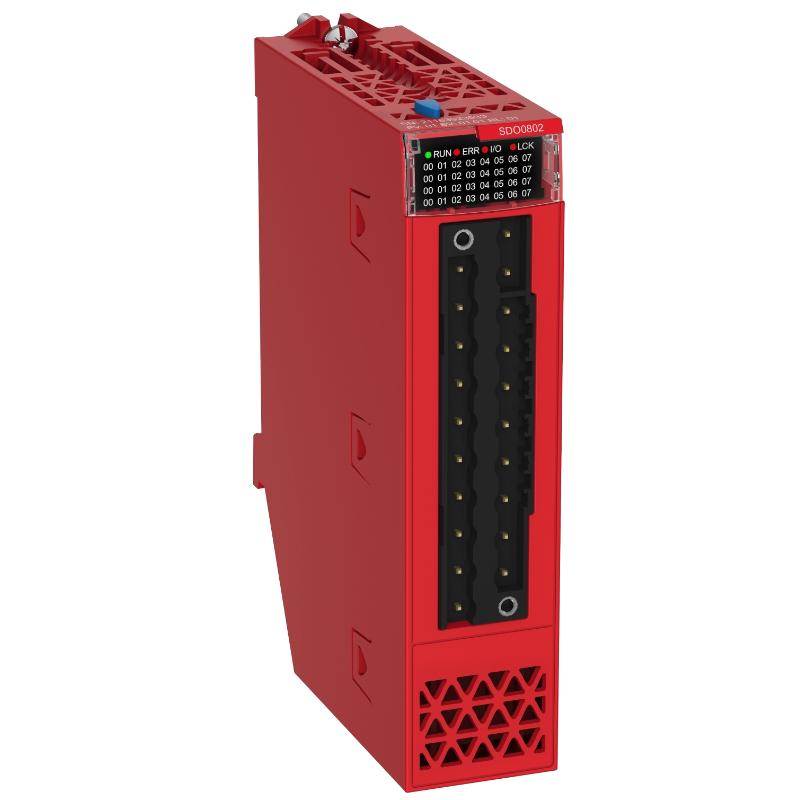
- PLC: Machine-level control, discrete automation
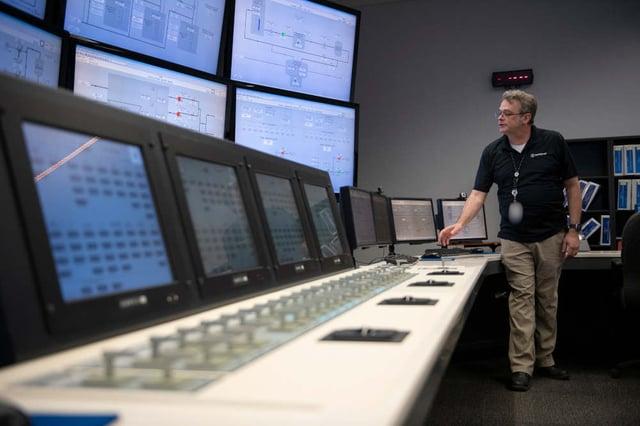
- DCS: Process-level control, continuous industrial systems
However, the boundary between these systems is becoming less distinct. Modern industrial platforms now integrate both into unified control architectures.
Key convergence trends include:
- Unified engineering environments
- Shared data models across PLC and DCS
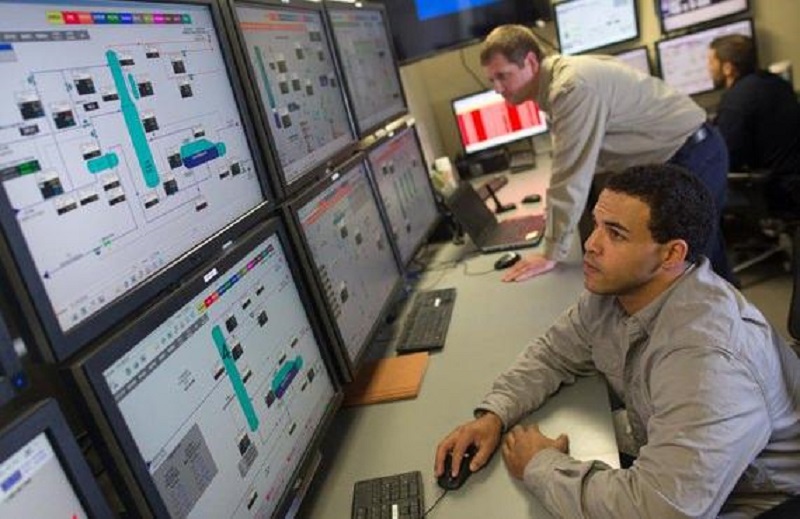
- Integrated HMI/SCADA systems
- Cloud-based monitoring dashboards
- AI-assisted diagnostics and optimization
Industrial Cybersecurity Becomes Critical
As automation systems become more connected, cybersecurity has become a core design requirement. Modern DCS and PLC platforms now include:
- Built-in encryption layers
- Secure remote access protocols
- Network segmentation for OT systems
- Real-time threat detection systems
Industrial companies are prioritizing secure-by-design automation architectures to protect critical infrastructure.
Engineering Workforce Transformation
The demand for automation engineers continues to grow globally. However, job requirements are shifting toward:
- Multi-platform PLC programming (Siemens, Rockwell, ABB)
- SCADA system integration
- Industrial networking (OPC UA, MQTT)
- Cloud and edge computing knowledge
Engineers with combined DCS + PLC + IT skills are becoming highly valuable in international markets.
Future Outlook
The industrial automation industry is moving toward fully integrated digital ecosystems where PLC, DCS, AI, and cloud computing operate as a single intelligent system.