China-Africa Zero-Tariff Policy Advances, Unlocking New Growth Potential for Industrial Control Equipment Exporters
China has continued to advance its zero-tariff treatment for a wide range of African countries, reinforcing long-term trade cooperation under frameworks such as the Forum on China–Africa Cooperation (FOCAC).
The policy direction aims to reduce trade barriers, enhance market accessibility for African exports to China, and simultaneously deepen industrial and infrastructure cooperation between the two regions.
For global exporters—especially in the industrial control and automation sector—this policy shift signals stronger supply chain integration and growing downstream demand in Africa’s manufacturing and infrastructure industries.
Strong Growth Outlook for Africa’s Industrial Automation Market
Africa is undergoing rapid industrialization driven by:
- Expanding power infrastructure projects
- Mining and mineral processing upgrades
- Manufacturing localization policies
- Urban infrastructure and smart city development
- Rising demand for energy management systems
As a result, demand is accelerating for:
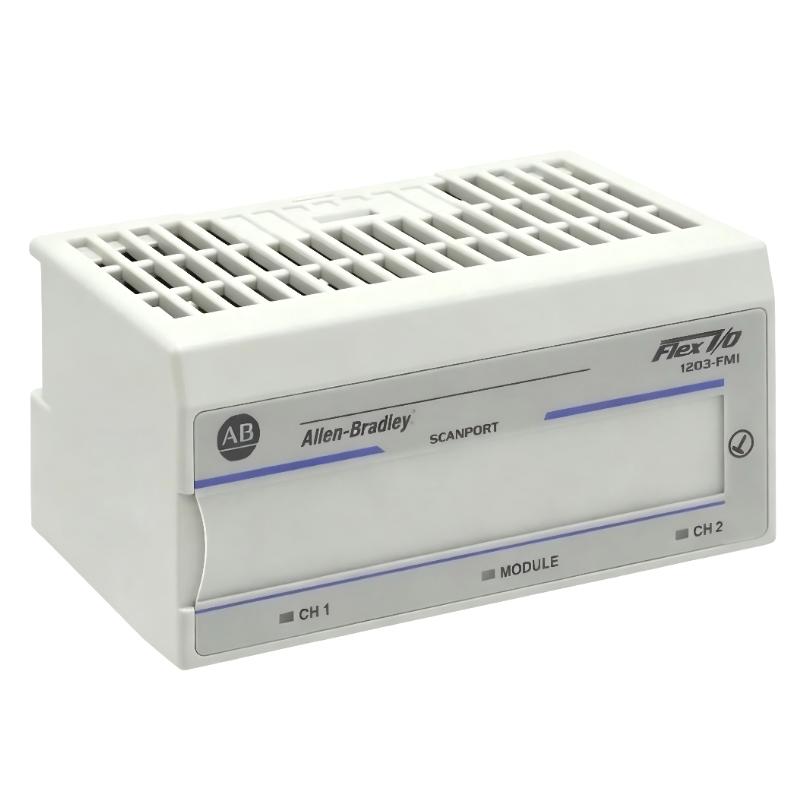
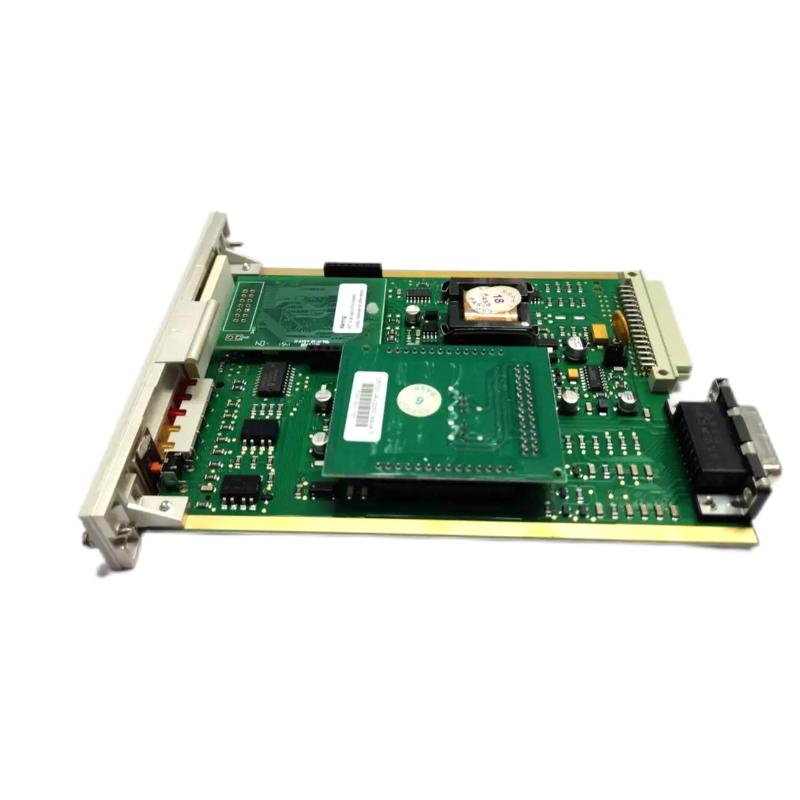
- PLC (Programmable Logic Controllers)
- SCADA systems
- Industrial sensors and transmitters
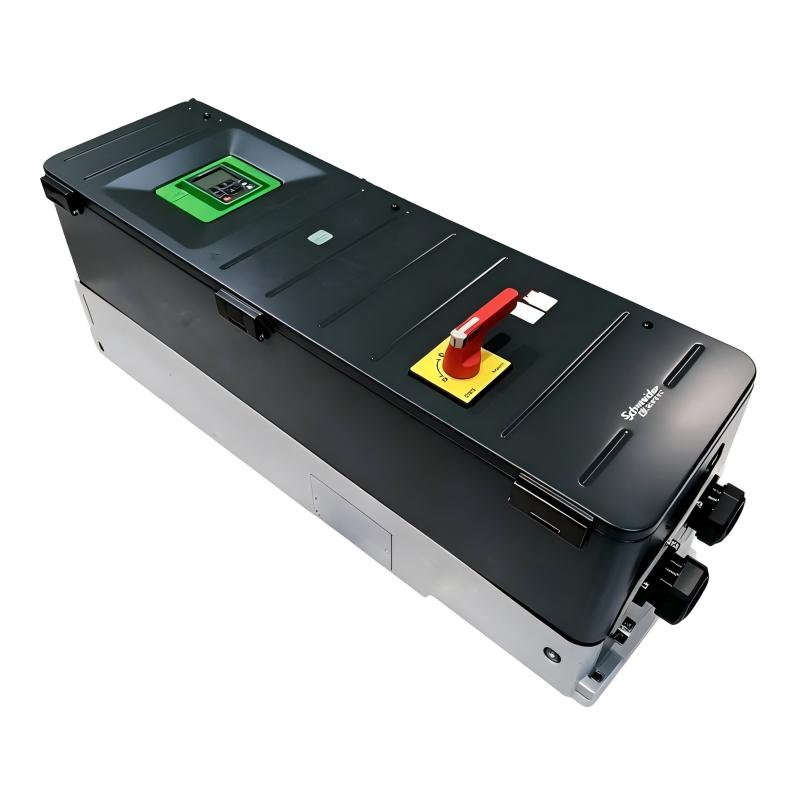
- Variable frequency drives (VFDs)
- HMI interfaces
- Industrial networking and IoT solutions
The continued easing of trade barriers between China and African economies is expected to improve equipment accessibility and reduce procurement costs for African industrial buyers.
Impact on Industrial Control Equipment Exporters
For Chinese and global industrial automation suppliers, the policy environment creates several key opportunities:
1. Lower Market Entry Friction
Reduced tariffs and simplified customs procedures improve price competitiveness for automation equipment in Africa.
2. Expansion of Infrastructure Projects
Africa’s ongoing investment in energy, transportation, and manufacturing increases demand for reliable industrial control systems.
3. Strong Demand for Cost-Effective Automation
Mid-range PLC systems, modular control panels, and energy-efficient drives are particularly in demand.
4. Increased EPC and OEM Cooperation
Engineering procurement and construction (EPC) contractors increasingly source automation components from China due to cost and delivery advantages.
Strategic Outlook: Africa as a High-Growth Automation Market
Industry analysts widely consider Africa one of the next high-growth regions for industrial automation, driven by:
- Population growth and urbanization
- Foreign direct investment in manufacturing
- Renewable energy expansion (solar, hydro, wind)
- Digital transformation in industrial sectors
As tariff barriers continue to ease under China-Africa trade cooperation frameworks, the region is expected to become more integrated into global industrial supply chains.