Global Sea Freight Rates Continue to Rise as New June Price Adjustments Take Effect, Impacting Industrial Equipment Trade
International sea freight rates have continued to rise as major shipping carriers implement a new round of June pricing adjustments, driven by tighter vessel capacity, shifting trade demand, and ongoing route optimization across Asia–Europe and Asia–Americas lanes.
Industry reports indicate that container shipping costs have increased across multiple key trade routes, with spot market volatility returning after a relatively stable period earlier this year.
For exporters of industrial control equipment and automation systems, the upward trend in logistics costs is becoming a key operational factor in international pricing and delivery strategies.
Key Factors Driving the Freight Rate Increase
Several structural and seasonal factors are contributing to the current freight price surge:
1. Capacity Tightening on Major Trade Routes
Shipping lines are adjusting fleet deployment, resulting in reduced available container space on high-demand routes.
2. Seasonal Demand Recovery
June traditionally marks the beginning of peak mid-year shipping demand as manufacturers restock inventories.
3. Port Congestion and Scheduling Delays
Congestion in several major ports is affecting vessel turnaround times and overall shipping efficiency.
4. Energy and Operational Cost Pressure
Higher fuel costs and rerouting strategies are adding upward pressure to global freight pricing.
Impact on Industrial Control Equipment Exporters
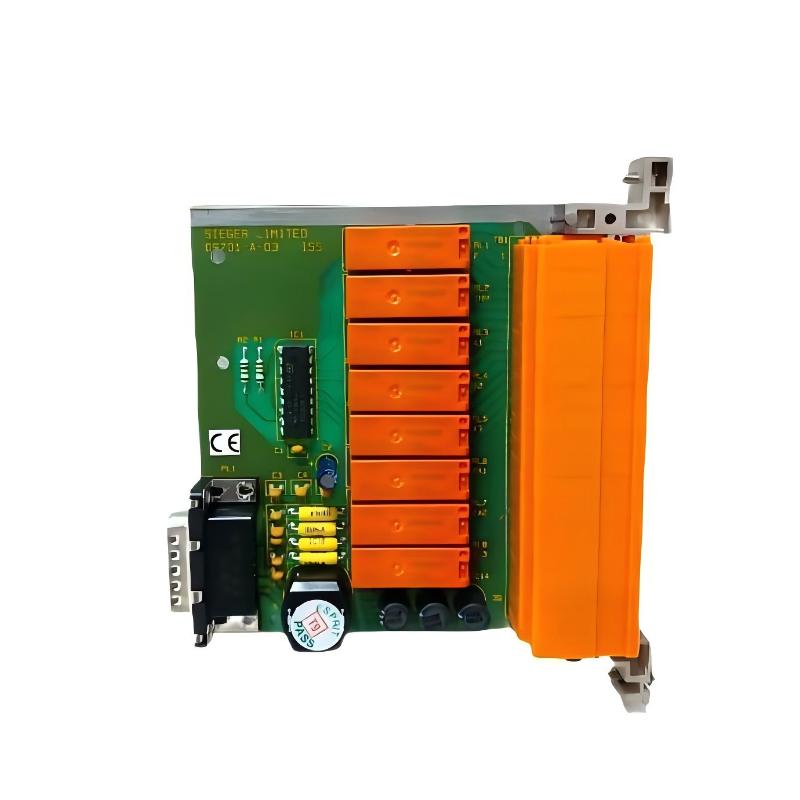
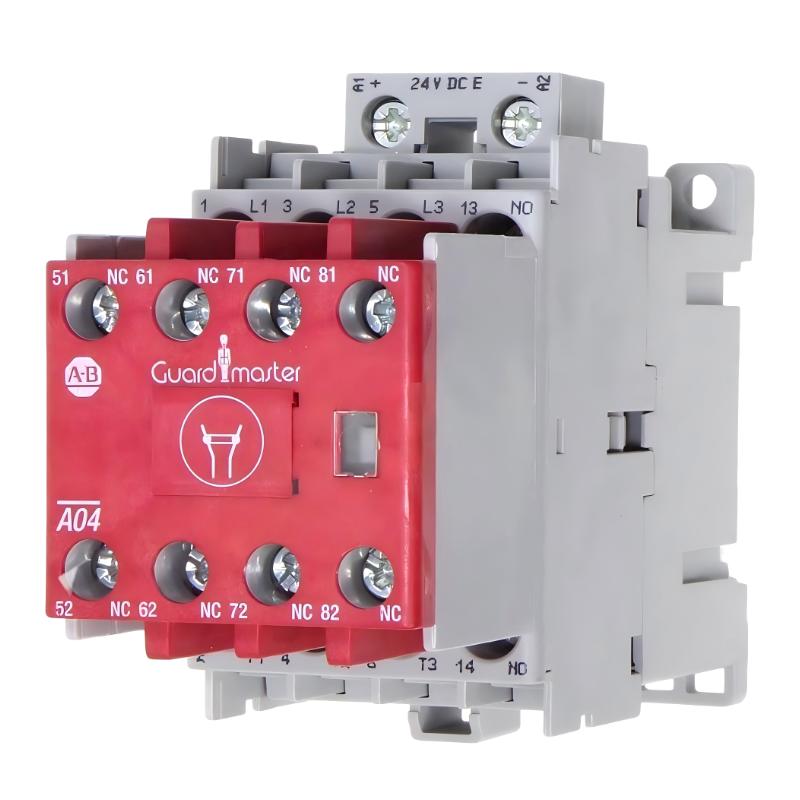
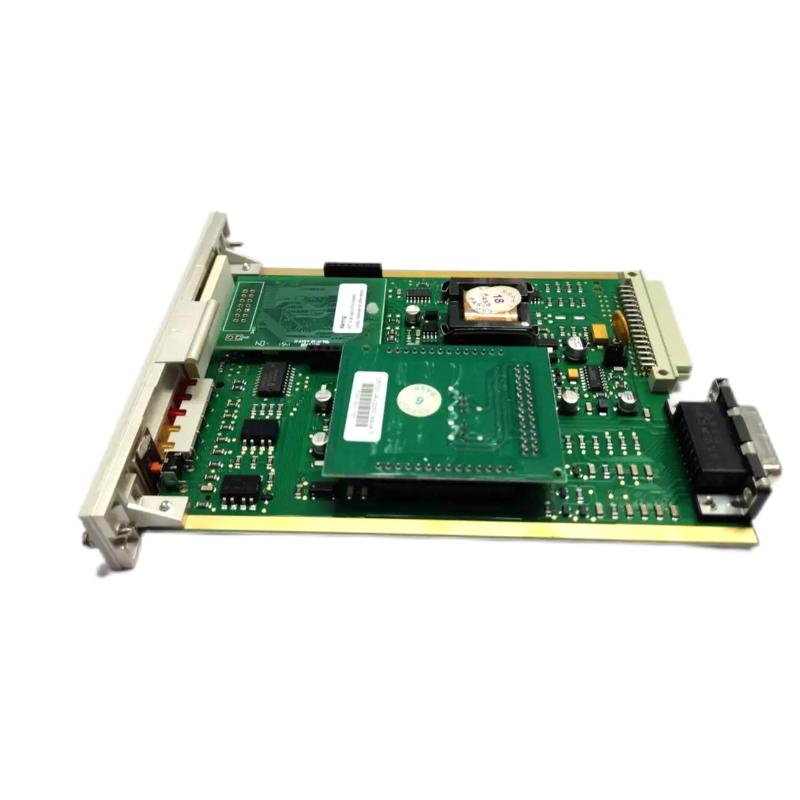
For companies exporting industrial automation products, including PLCs, HMIs, VFDs, sensors, and control cabinets, rising freight costs may affect:
Increased Delivered Cost (Landed Cost)
Shipping expenses represent a larger proportion of total order value, especially for small and mid-sized shipments.
Pricing Pressure in Competitive Markets
Buyers in regions such as Africa, the Middle East, and South America are increasingly sensitive to logistics cost fluctuations.
Shift Toward Bulk and Consolidated Shipments
Exporters are optimizing shipments by increasing order volume per container to reduce per-unit logistics costs.
Longer Planning Cycles
More buyers are adopting forward procurement strategies to lock in pricing before further freight increases.
Industry Response: Logistics Optimization Becomes a Priority
To mitigate rising shipping costs, industrial equipment exporters are adopting several strategies:
- Long-term contracts with freight forwarders
- Consolidated shipping for automation components
- Regional warehouse planning in key overseas markets
- Flexible Incoterms (FOB / CIF adjustments)
- Increased use of multimodal transport where applicable
These strategies are helping manufacturers maintain competitiveness despite global logistics volatility.
Outlook: Freight Market Expected to Remain Volatile
Analysts expect continued fluctuations in global container shipping rates through the coming months, driven by:
- Seasonal peak demand cycles
- Geopolitical and trade route adjustments
- Capacity management by major shipping alliances
- Ongoing uncertainty in global supply chains
For industrial automation exporters, logistics planning is becoming as important as production efficiency in maintaining global competitiveness.