Global Trade Agreements Accelerate, Reducing Trade Barriers and Supporting Industrial Automation Equipment Exports
A growing number of regional and bilateral trade agreements are continuing to advance globally, contributing to a gradual reduction in trade barriers, tariffs, and customs friction across multiple international markets.
These agreements, including updates under existing free trade frameworks and new economic cooperation arrangements, are improving market accessibility and strengthening cross-border supply chain integration.
For global manufacturers and exporters in the industrial control and automation sector, these developments are creating a more open and efficient international trade environment.
Lower Trade Barriers Support Industrial Equipment Export Growth
The ongoing reduction in tariffs and non-tariff barriers is having a direct impact on global industrial trade, particularly in capital goods and automation systems.
Key benefiting sectors include:
- Industrial PLC and control systems
- SCADA and industrial software solutions
- Sensors and measurement instruments
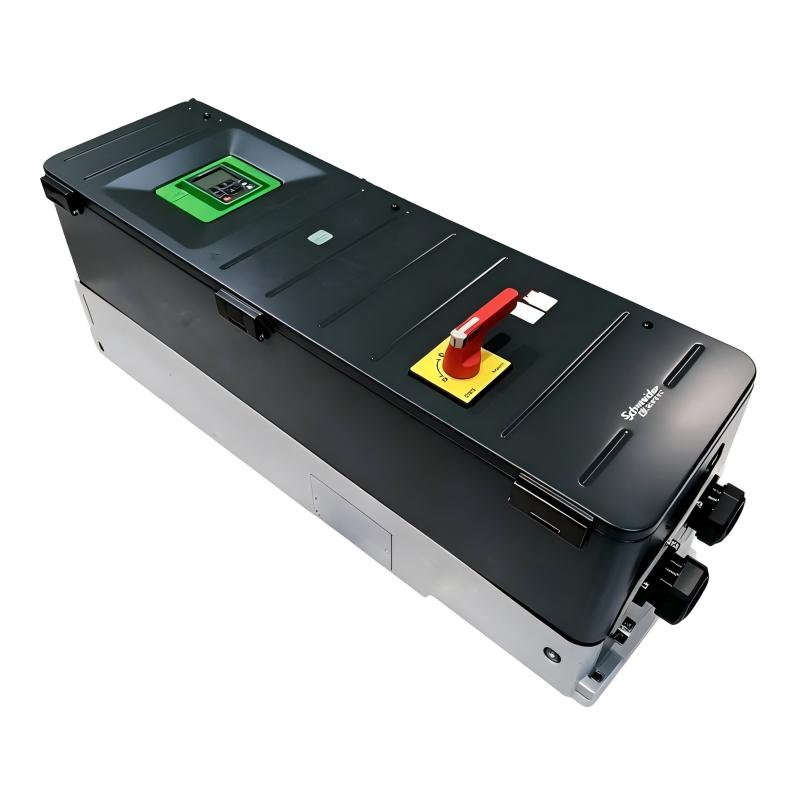
- Variable frequency drives (VFDs)
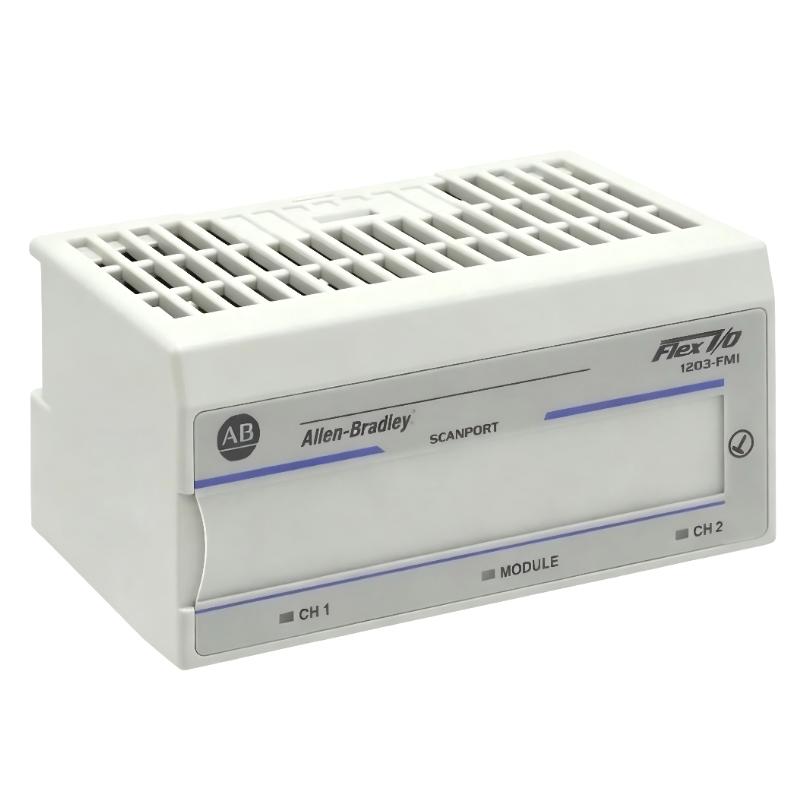
- Industrial networking and communication modules
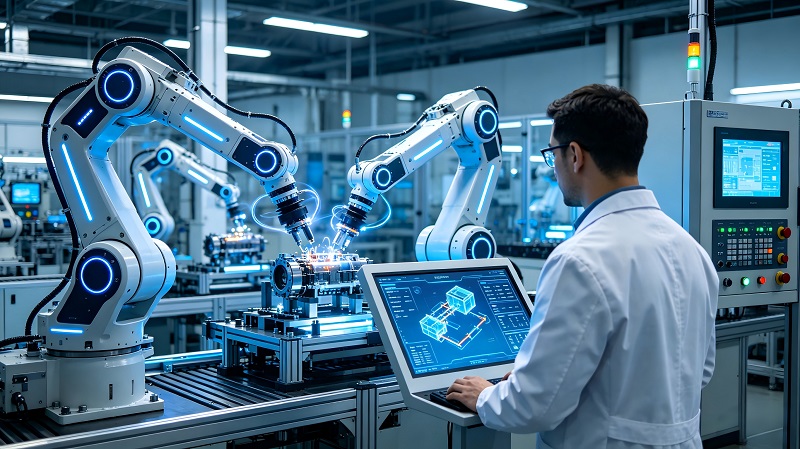
- Smart manufacturing and IoT automation systems
Lower trade friction is helping reduce procurement complexity for international buyers and improving competitiveness for exporters.
Improved Market Access Strengthens Global Supply Chains
As trade agreements expand across Asia, Europe, the Middle East, Africa, and Latin America, global supply chains are becoming more interconnected and efficient.
Key improvements include:
1. Reduced Tariff Costs
Lower import duties are improving pricing competitiveness for industrial automation products.
2. Simplified Customs Procedures
Standardized documentation and digital customs systems are reducing clearance delays.
3. Greater Supply Chain Predictability
Improved regulatory alignment is helping manufacturers plan long-term export strategies.
4. Expanded Emerging Market Access
Developing economies are increasingly integrated into global manufacturing and infrastructure supply chains.
Impact on Industrial Control Equipment Exporters
For industrial automation manufacturers and exporters, the continued reduction in trade barriers is creating several strategic advantages:
Enhanced Global Competitiveness
Lower tariff environments improve pricing flexibility in international bidding and EPC projects.
Faster Market Expansion
Exporters can enter new regions with fewer regulatory restrictions and lower initial compliance costs.
Increased Demand from Infrastructure Projects
Free trade frameworks support cross-border investment in energy, transportation, and manufacturing infrastructure.
Greater OEM and Distributor Cooperation
Simplified trade conditions encourage long-term partnerships with overseas system integrators and distributors.
Outlook: Continued Trade Liberalization Supports Industrial Growth
While global trade conditions remain influenced by geopolitical and economic factors, the long-term trend toward trade liberalization and regional integration continues to support industrial supply chains.
Analysts expect that expanding trade agreements will:
- Strengthen global manufacturing networks
- Improve cost efficiency in cross-border logistics
- Support adoption of advanced automation technologies
- Increase competitiveness of industrial exporters