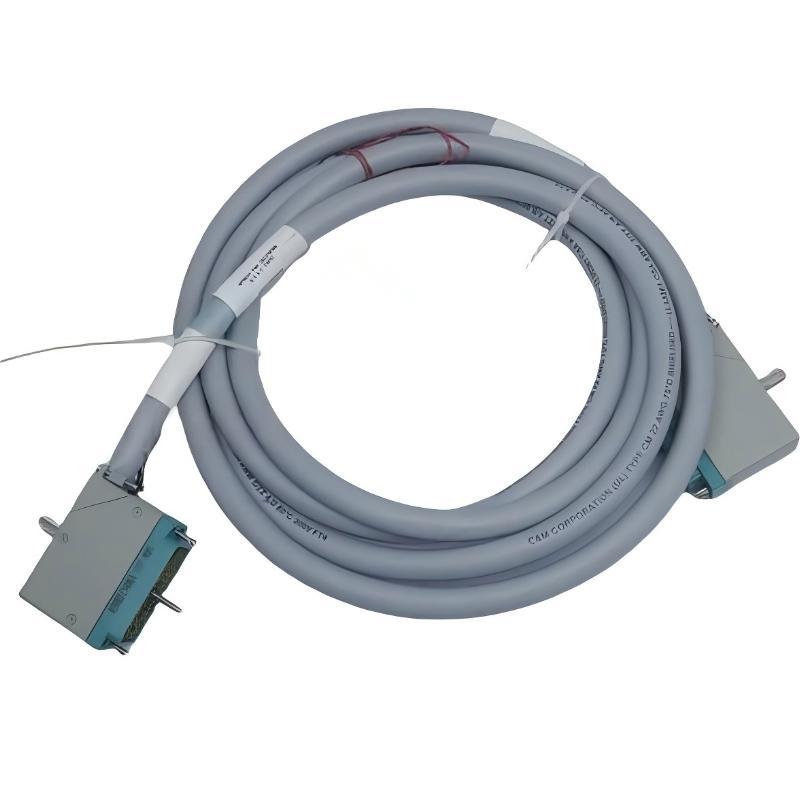
Triconex 4000103-510 Cable Assembly Fault Troubleshooting Guide for Output Signal Failure
Typical symptoms include:
- Intermittent output signal loss on specific channels
- Random actuator ON/OFF behavior
- PLC module shows normal status but field device does not respond
- Sporadic SIS alarm triggers without logic fault
In one offshore platform case, unstable output behavior was initially attributed to a failed I/O module, but later traced to connector oxidation on the cable assembly.
Fault Diagnosis Process for Triconex 4000103-510
A structured Fault Diagnosis approach should be applied:
First, verify PLC output command status at the module level.
Then measure field voltage directly at the termination panel.
Next, check continuity across individual cable cores.
Finally, inspect grounding and shielding integrity.
In one chemical plant case, intermittent signal failure was linked to vibration-induced micro-fractures inside the cable shielding braid.
Real Case Study: Intermittent Output Failure
A safety shutdown system experienced random valve control failure.
Observed behavior:
- Output voltage dropped from 24VDC to around 18VDC under load
- PLC diagnostics showed no module fault
- Failure only occurred during high-temperature operation
Root cause analysis revealed increased contact resistance in the termination connector of the 4000103-510 cable assembly.
Measured resistance varied from 0.3Ω to 3.8Ω depending on vibration and thermal expansion.
Repair and Recovery Actions
Corrective maintenance included:
- Re-termination of connector contacts
- Cleaning oxidation from metal surfaces
- Mechanical tightening of panel mounting points
- Rerouting cable away from heat-emitting equipment
After repair, system performance returned to stable conditions:
- Stable 24.1VDC output restored
- No further signal dropouts recorded
- Full SIS proof testing passed successfully
Engineering Insight for Maintenance Teams
Field experience shows that Triconex cable assembly faults are rarely pure electrical failures.
Instead, they are usually caused by:
- Mechanical wear
- Thermal expansion stress
- EMI interference from nearby equipment
- Poor grounding design
Replacing the cable without analyzing grounding and termination conditions often leads to repeated failure.