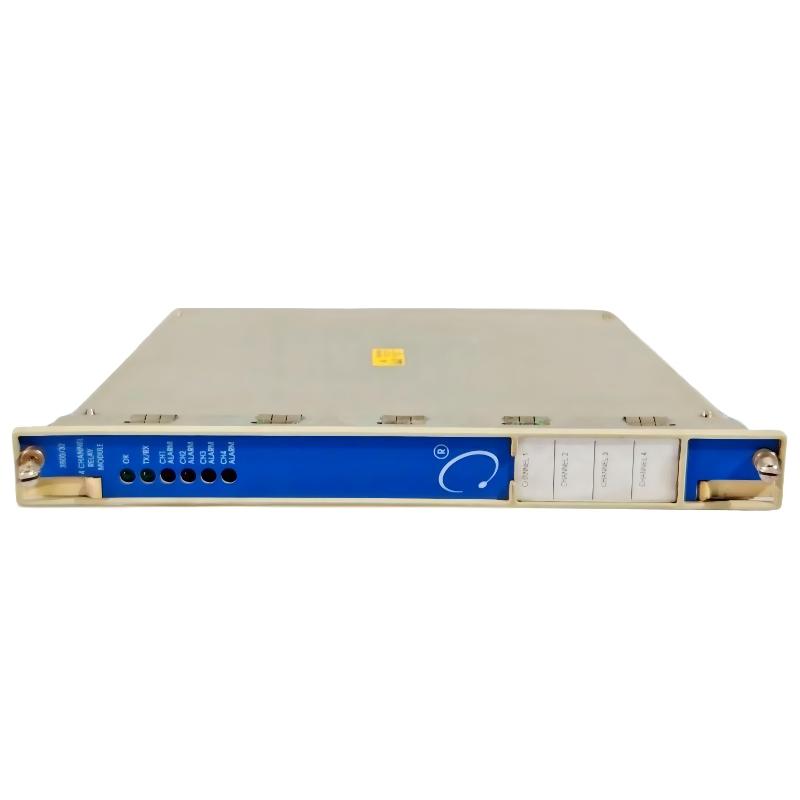
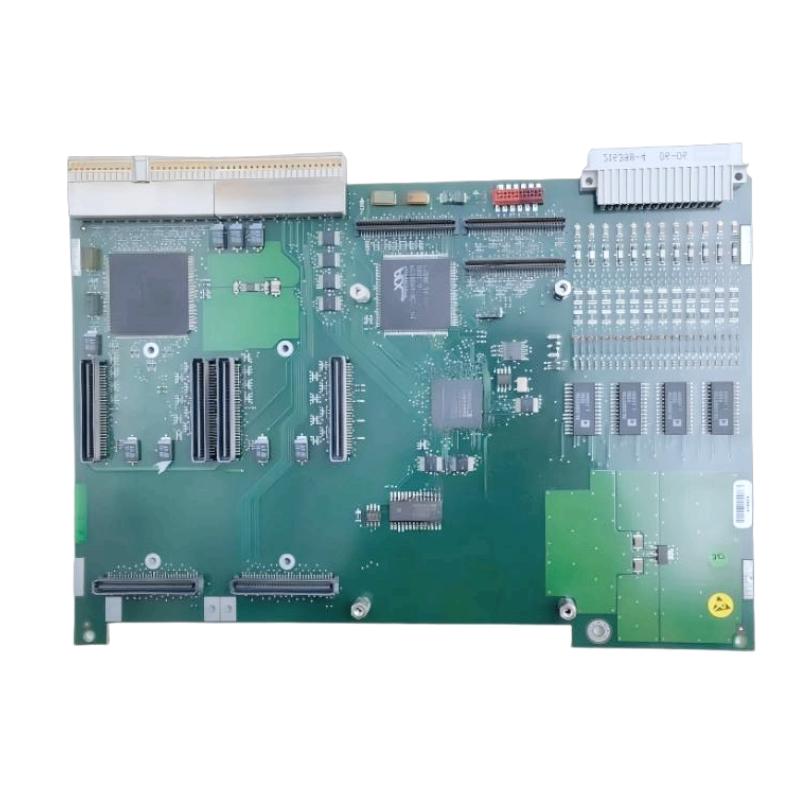
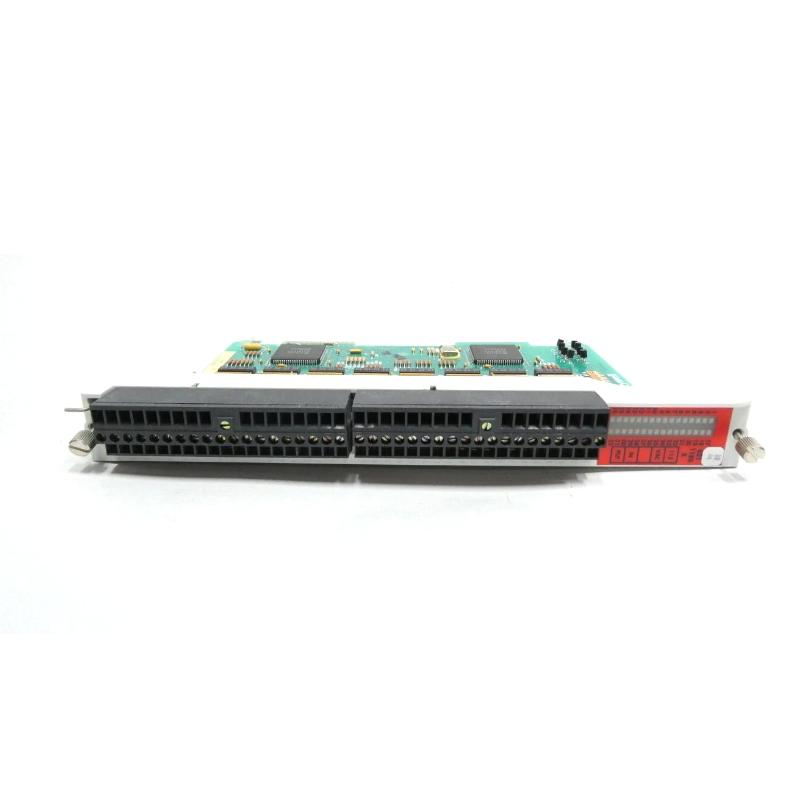
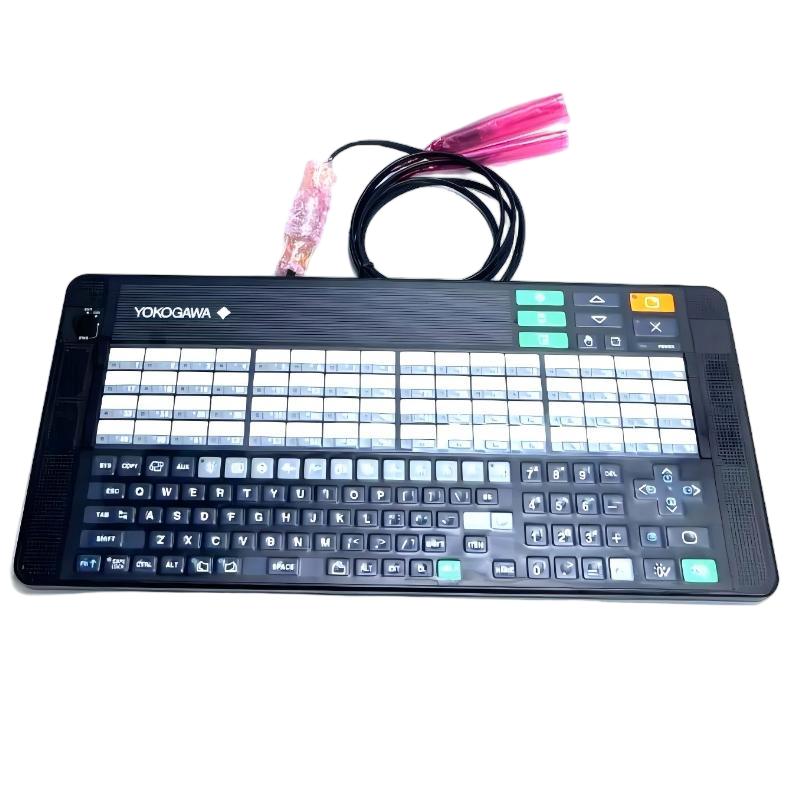
GE IS215VCMIH2BB IS200VCMIH2BCC VME Communication Interface Module
GE IS215VCMIH2BB IS200VCMIH2BCC VME Communication Interface Module
0.0
Points
Brand:GE Fanuc PLC Item No.:IS215VCMIH2BB IS200VCMIH2BCC Product Origin:USA Product Dimensions:211 × 25 × 150 mm Product Weight:0.55 kg Payment:T/T, Western Union, Credit Card Goods_stock:15 Shipping Port:Xiamen, China Lead Time:1-3 Days Condition:Brand New And Original Warranty:1 Year Certificate:COO
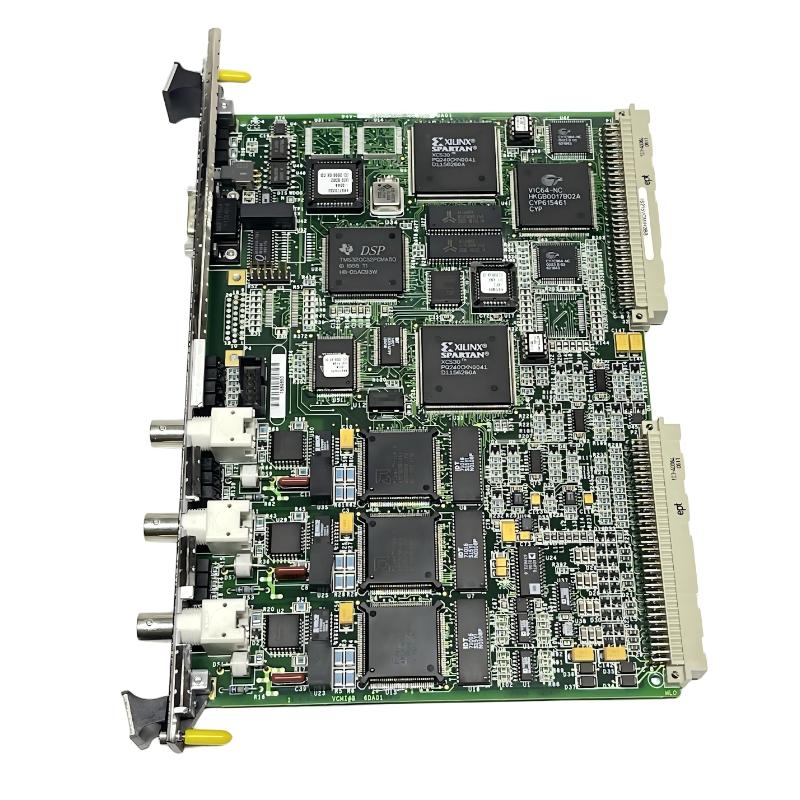
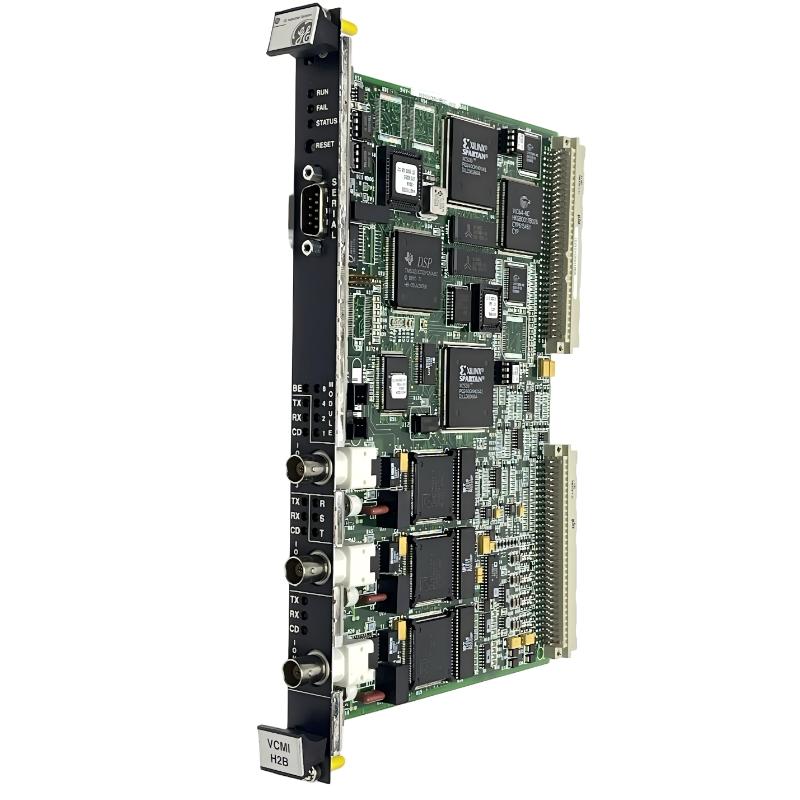
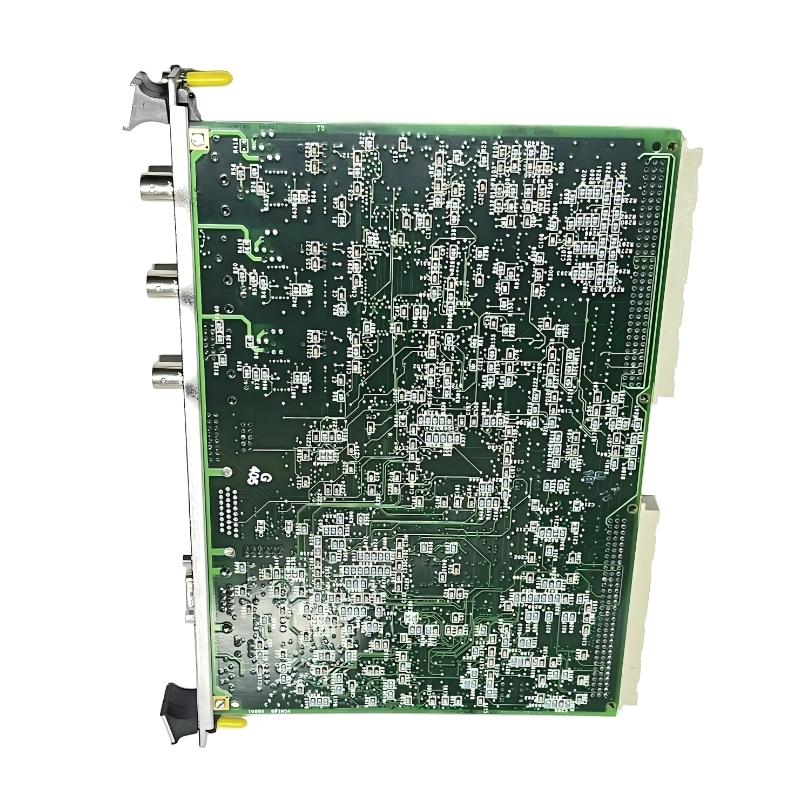
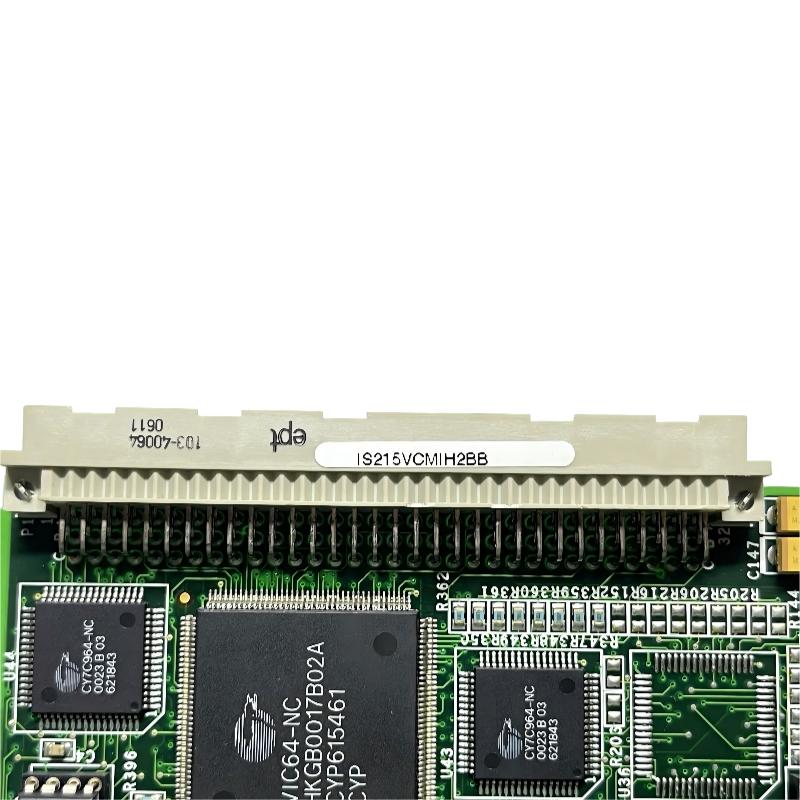
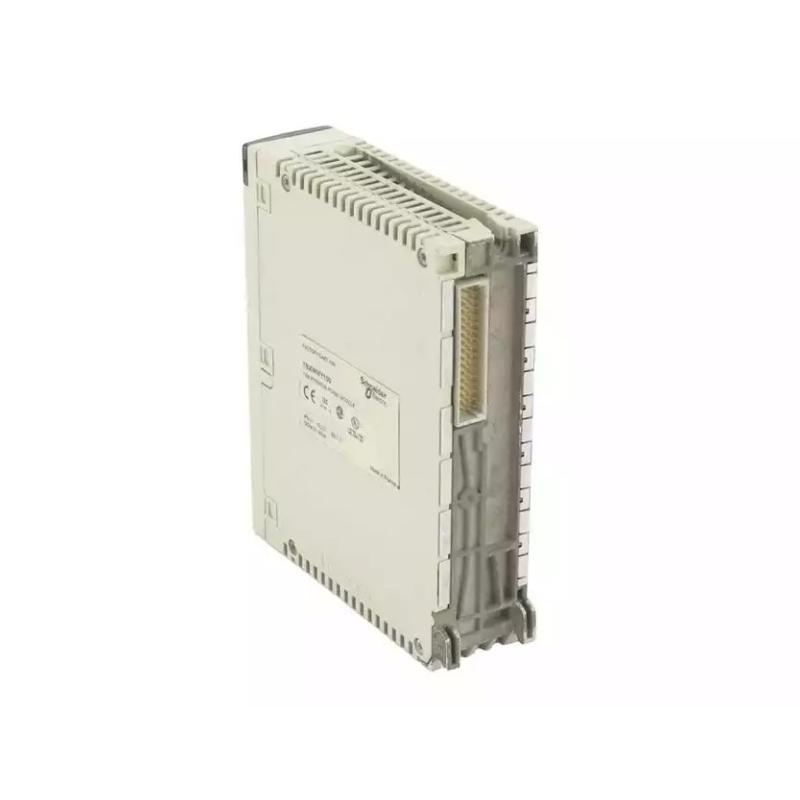
The GE IS215VCMIH2BB / IS200VCMIH2BCC VME Communication Interface Module is a core communication component used in GE Mark VI turbine control systems. It is responsible for managing high-speed data exchange between the central controller and multiple I/O modules through a VME backplane architecture.
Technical Specifications
Parameter
Specification
Product Name
GE IS215VCMIH2BB / IS200VCMIH2BCC
Manufacturer
General Electric (GE)
Product Type
VME Communication Interface Module
System Compatibility
Mark VI / Speedtronic
Function
Controller–I/O Communication Interface
Architecture
VME Bus Backplane
Application
Turbine Control & Industrial Automation
Installation Method
VME Rack / Control Module Slot
Dimensions
211 × 25 × 150 mm
Weight
0.55 kg
Recommended Related Models
Model Number
Product Name
IS215UCVEH2AE
Mark VI Controller Module
IS200TRLYH1B
Turbine Relay Output Module
VE4003S2B7
Analog Input Module
SE3007 KJ2005X1-BK1
DeltaV SX Controller Module
Popular Related Models
Model Number
Product Name
IS220PDOAH1B
Discrete Output Module
IS230SNRLH2A
Discrete Output Module
VE4002S1T2B4
Discrete Input Card
VE4050E1C0 KJ4001X1-BE1
I/O Interface Carrier
Applications
• VME-based communication control in GE Mark VI™ turbine management systems.
• Gas turbine and steam turbine automation and monitoring systems.
• Power generation plant control architectures requiring high-speed internal communication.
• Industrial distributed control systems handling real-time I/O data exchange.
• Oil and gas facilities with turbine-driven compression and generation equipment.
• Petrochemical and refinery process control systems with critical communication links.
• High-reliability industrial automation platforms using VME backplane architecture.
• Redundant or simplex control modules requiring deterministic communication handling.
Key Advantages
• Provides high-speed VME bus communication between controller and I/O modules.
• Ensures deterministic data exchange for turbine control and protection systems.
• Designed for stable operation in mission-critical industrial environments.
• Supports multi-channel communication paths for robust system architecture.
• Enhances system reliability through tightly integrated backplane communication.
• Built for continuous operation in demanding power generation applications.
• Improves synchronization between control logic and field I/O modules.
• Engineered for long lifecycle performance in legacy Mark VI systems.
Technical FAQs
Q1: What is the main function of the IS215VCMIH2BB / IS200VCMIH2BCC module?
A: It acts as a VME communication interface, enabling data exchange between the central controller and I/O modules within GE Mark VI systems.
Q2: What systems is this module used in?
A: It is primarily used in GE Mark VI and related turbine control architectures.
Q3: What role does VME communication play in the system?
A: It ensures high-speed, deterministic communication between control processors and distributed I/O boards.
Q4: Is this module responsible for process control logic?
A: No, it handles communication; control logic is executed by the main controller.
Q5: Can this module operate in redundant systems?
A: It can be used within system architectures that support redundancy depending on configuration.
Q6: Is it suitable for turbine applications?
A: Yes, it is commonly used in gas and steam turbine control systems.
Q7: Does it process field signals directly?
A: No, it facilitates communication between control modules and I/O boards that handle signals.
Q8: What makes VME architecture important here?
A: It provides a standardized, high-speed backplane for reliable industrial module communication.
Q9: Is the module still used in modern systems?
A: It is mainly found in established Mark VI installations and legacy industrial systems.
Q10: What is the key benefit of this communication interface?
A: It ensures stable, fast, and reliable data exchange across critical turbine control components.