EU Foreign Trade Slows Growth as Green Trade Standards Reshape Cross-Border E-Commerce and Industrial Equipment Exports
Recent developments in the European Union’s foreign trade landscape show a noticeable slowdown in overall growth momentum. While trade volumes remain stable, demand expansion has become more moderate due to macroeconomic pressures, energy transition costs, and regulatory tightening across key industries.
Despite the slower growth environment, the EU continues to play a central role in global industrial supply chains, particularly in advanced manufacturing, automation systems, and industrial control equipment imports.
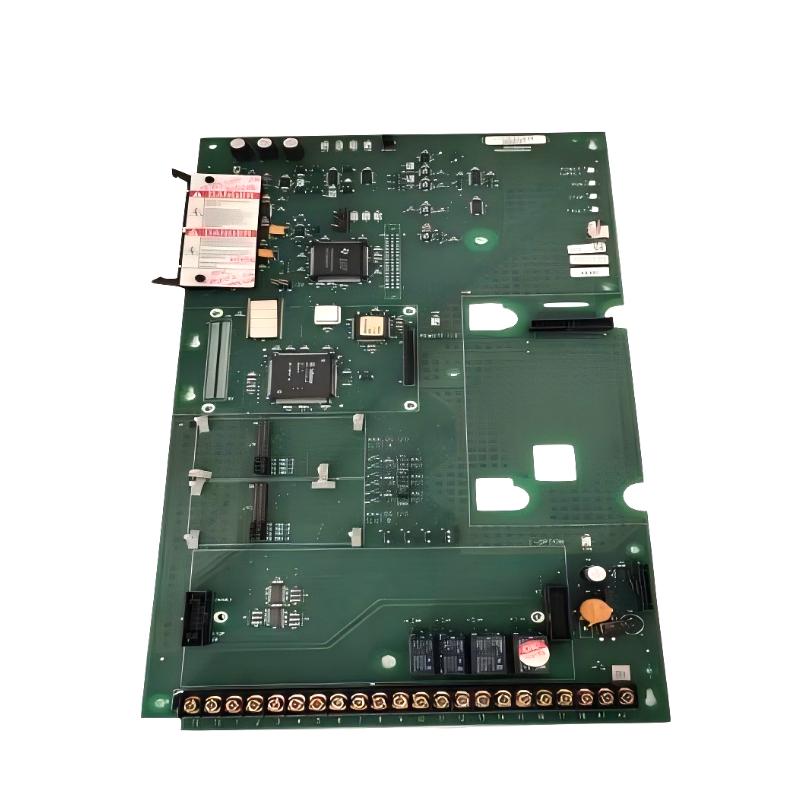
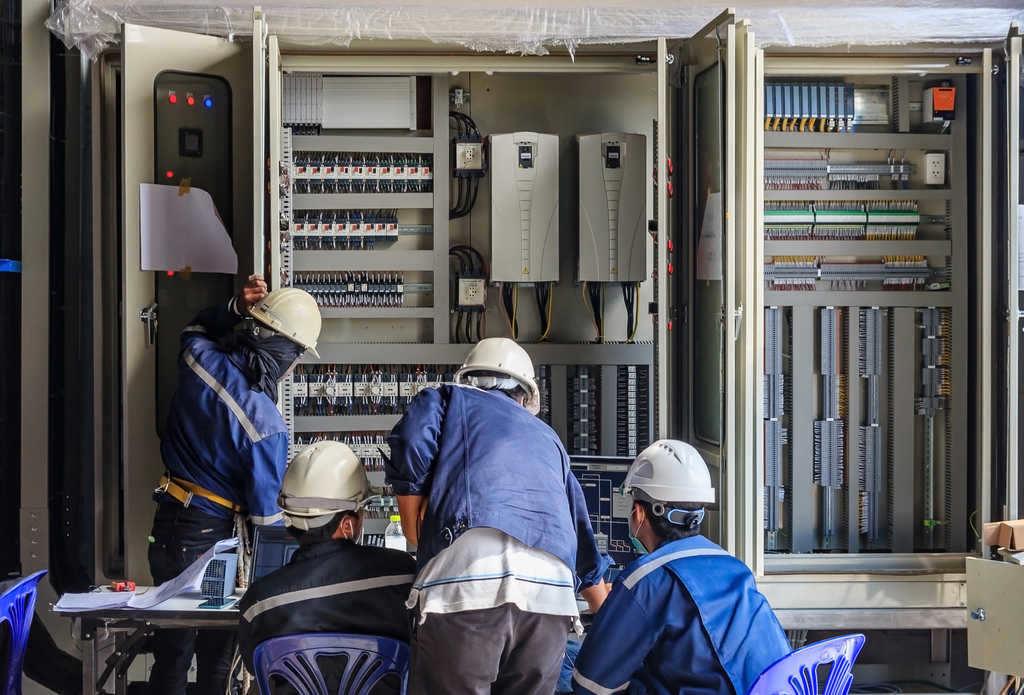
For exporters of PLC systems, industrial sensors, control panels, and factory automation components, the European market remains highly strategic—but increasingly regulated.
Green Trade Standards Become a Core Requirement
One of the most significant shifts in EU trade policy is the accelerated implementation of green trade standards. These standards are now influencing both traditional B2B imports and cross-border e-commerce logistics.
Key developments include:
- Stronger carbon footprint reporting requirements for imported industrial goods
- Sustainability compliance checks for manufacturing supply chains
- Increased demand for energy-efficient industrial automation systems
- Expansion of ESG-related documentation in customs declarations
For industrial control equipment exporters, this means that product design and supply chain transparency are now as important as pricing and delivery speed.
Energy-efficient PLC systems, low-power industrial sensors, and smart manufacturing solutions are gaining stronger acceptance in EU procurement channels.
Cross-Border E-Commerce Customs Clearance Is Being Optimized
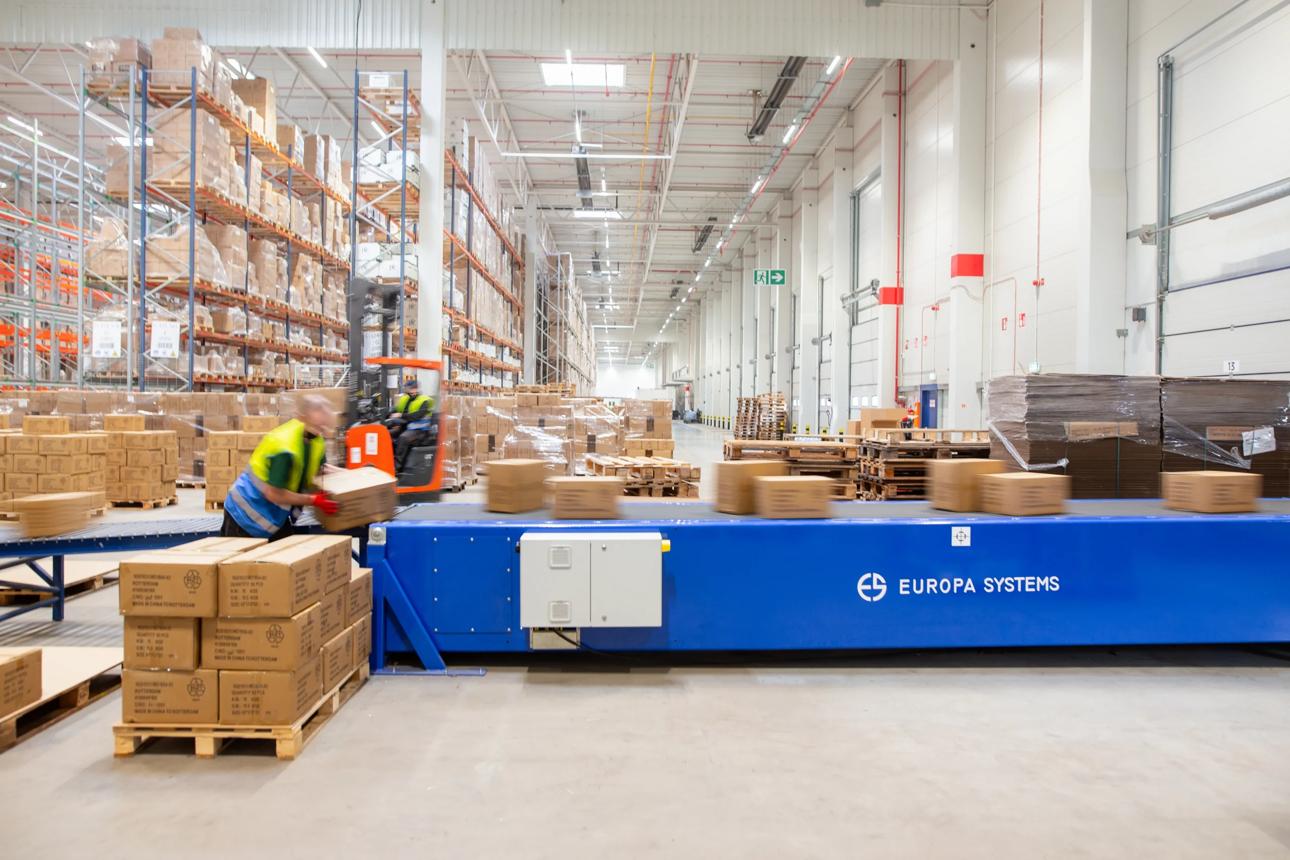
In parallel with sustainability reforms, the EU is actively improving cross-border e-commerce customs processes. The goal is to simplify small-parcel imports while maintaining stricter compliance and data transparency.
Key improvements include:
- Streamlined digital customs declaration systems
- Faster clearance for compliant low-risk parcels
- Enhanced integration of VAT and import duty platforms
- Improved tracking and data sharing between logistics providers and customs authorities
These changes are particularly important for industrial parts and components shipped via e-commerce channels, including replacement modules, automation accessories, and low-volume industrial control hardware.
As a result, exporters can expect improved delivery efficiency—but also higher expectations for data accuracy and compliance readiness.
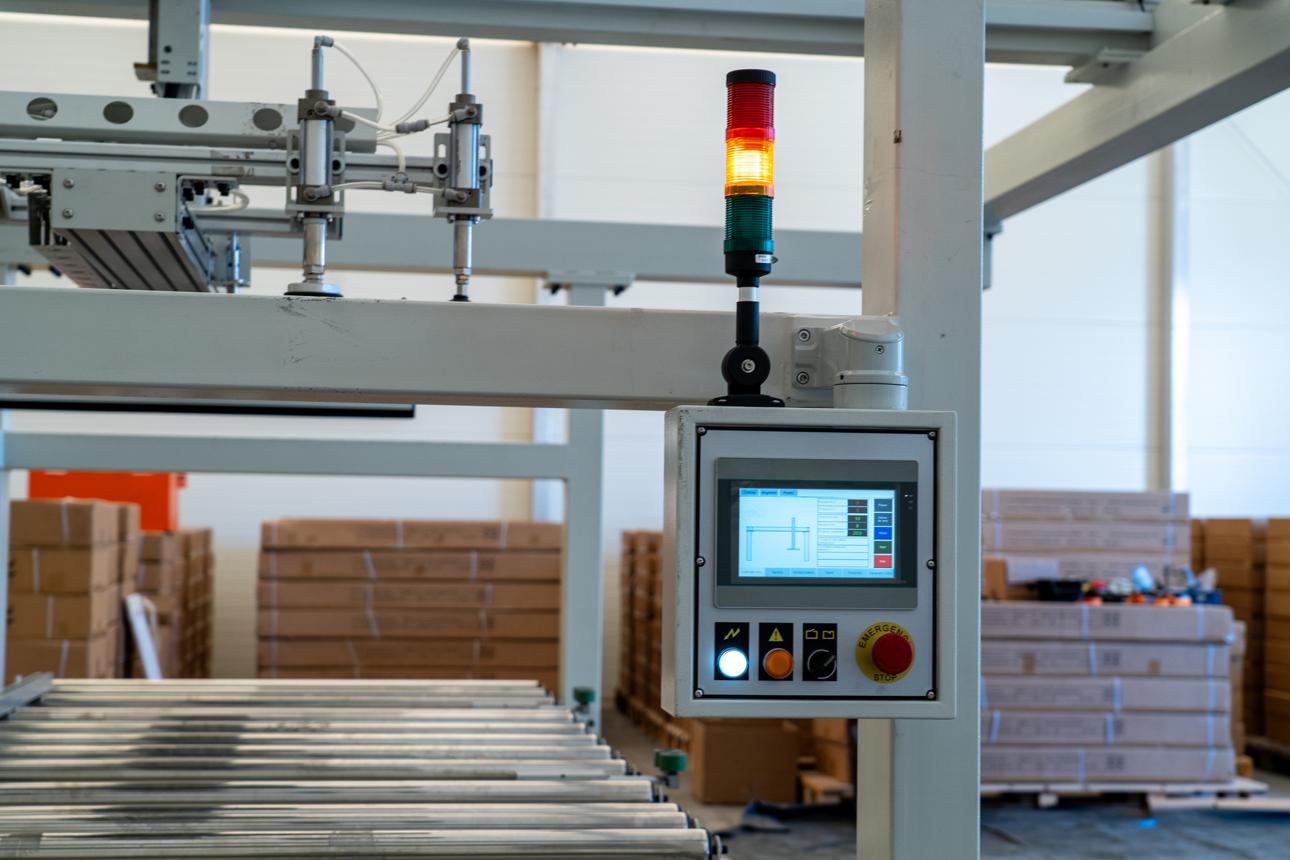
Impact on Industrial Control Equipment Exporters
The combination of slower trade growth, stricter green standards, and improved customs efficiency creates a mixed environment for exporters.
Challenges:
- Higher compliance costs for sustainability certification
- Increased documentation requirements for customs clearance
- Competitive pressure from EU-based manufacturers
Opportunities:
- Strong demand for energy-efficient automation systems
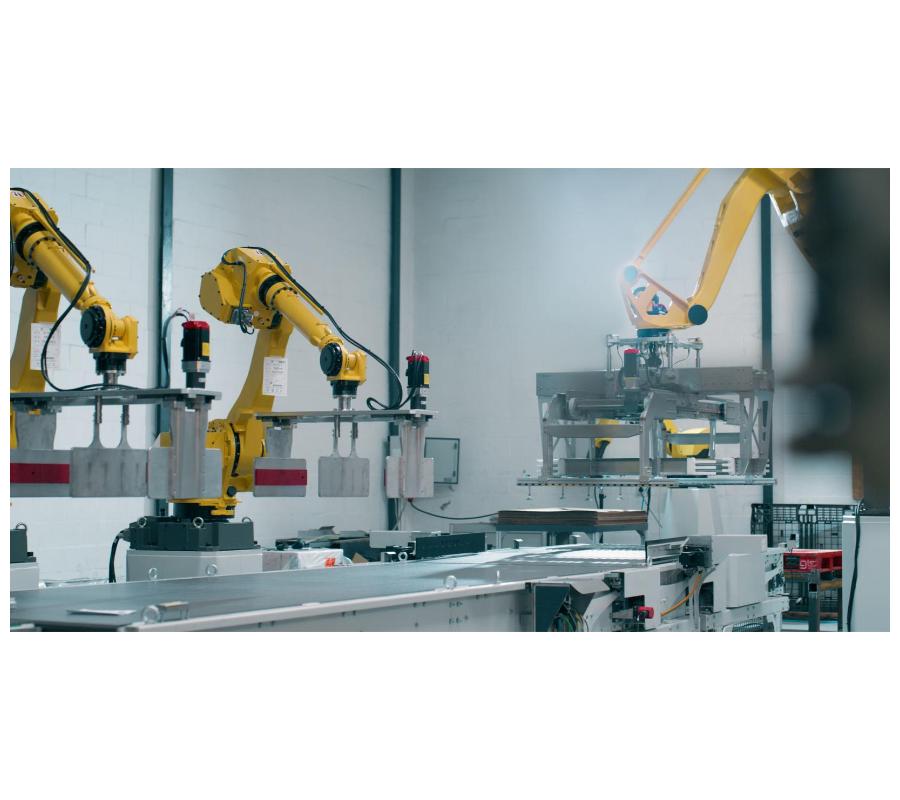
- Growth in smart factory and Industry 4.0 investments
- Faster e-commerce logistics for compliant suppliers
- Expansion of digitalized procurement in EU manufacturing sectors
Companies specializing in industrial automation, PLC control systems, SCADA solutions, and smart sensors are well-positioned to benefit from long-term EU industrial modernization trends.
Strategic Recommendations for Exporters
To remain competitive in the evolving EU trade environment, industrial control equipment suppliers should consider the following strategies:
- Strengthen ESG and carbon compliance documentation
- Optimize product design for energy efficiency and sustainability
- Adopt digital customs-ready export documentation systems
- Improve cross-border e-commerce logistics integration
- Focus on high-value automation solutions aligned with Industry 4.0
Conclusion
The EU foreign trade environment is entering a structural transformation phase. While overall growth is slower, regulatory modernization and green trade policies are reshaping long-term opportunities.
For industrial control equipment exporters, success will depend on balancing compliance readiness with technological innovation and supply chain efficiency.
Those who adapt early to green standards and digital customs systems will gain a competitive advantage in the evolving European industrial market.