Industrial Automation Trends 2026: PLC, DCS, and Smart Factory Integration Driving Global Manufacturing
Industrial automation in 2026 is defined by convergence—where PLC systems, DCS platforms, robotics, artificial intelligence, and Industrial IoT all work together to create fully integrated smart factories.
Convergence of PLC and DCS Systems
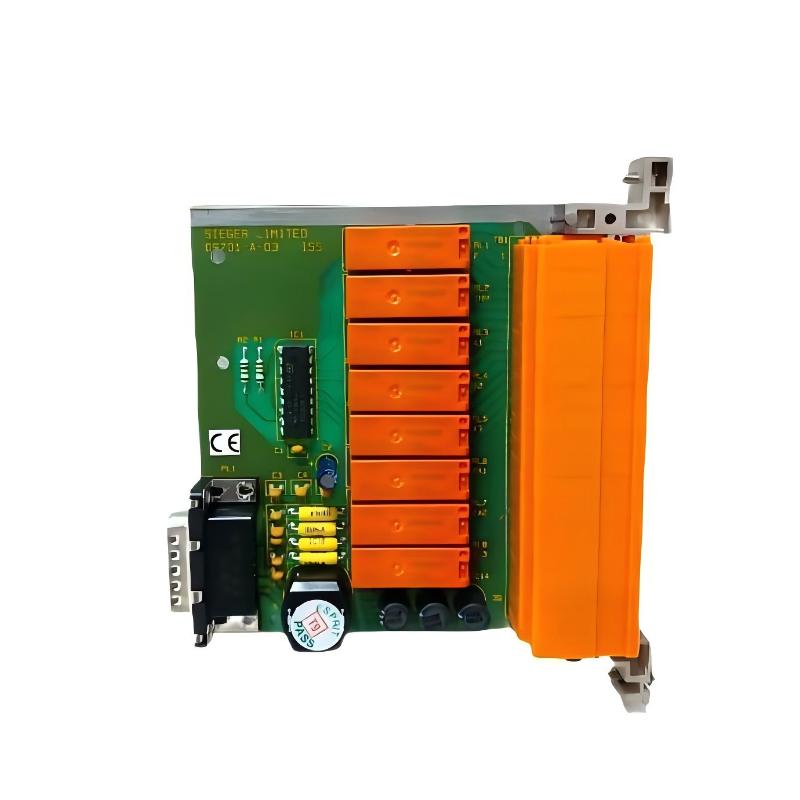
The traditional separation between PLC and DCS is gradually disappearing. Modern industrial systems now integrate both technologies into unified platforms that support both discrete and process automation.
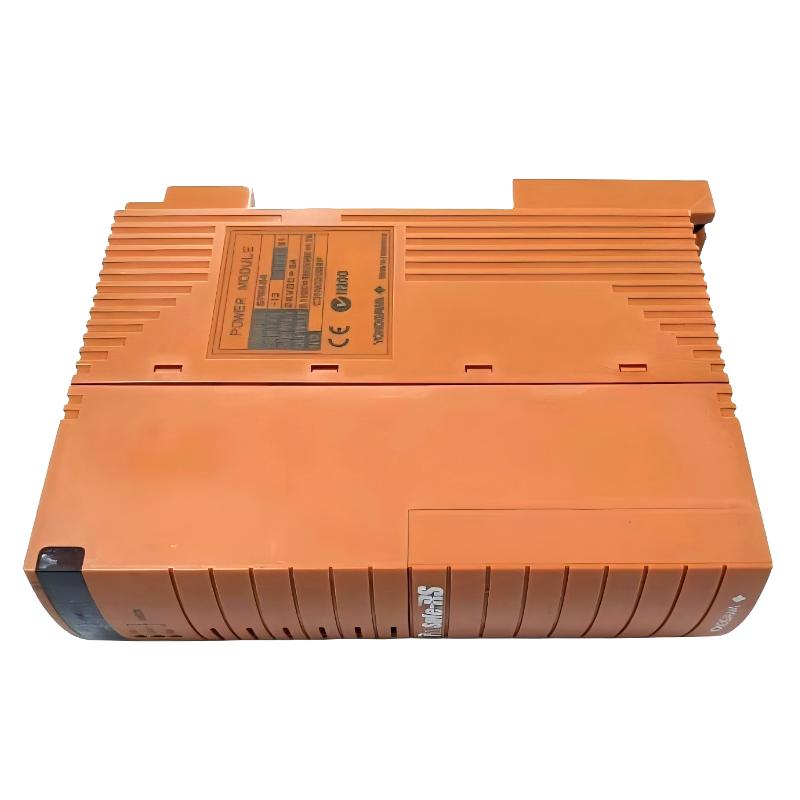
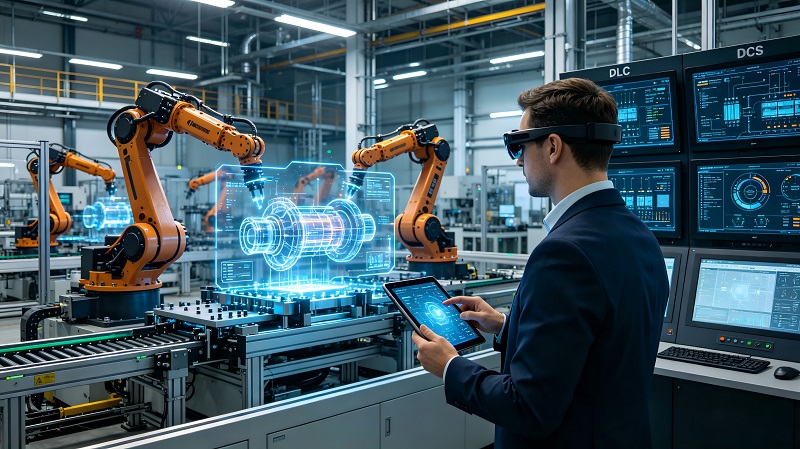
This convergence allows manufacturers to manage complex production environments more efficiently. PLCs handle high-speed machine-level operations, while DCS manages large-scale continuous processes. Together, they create a seamless automation ecosystem.
Role of AI and Data Analytics
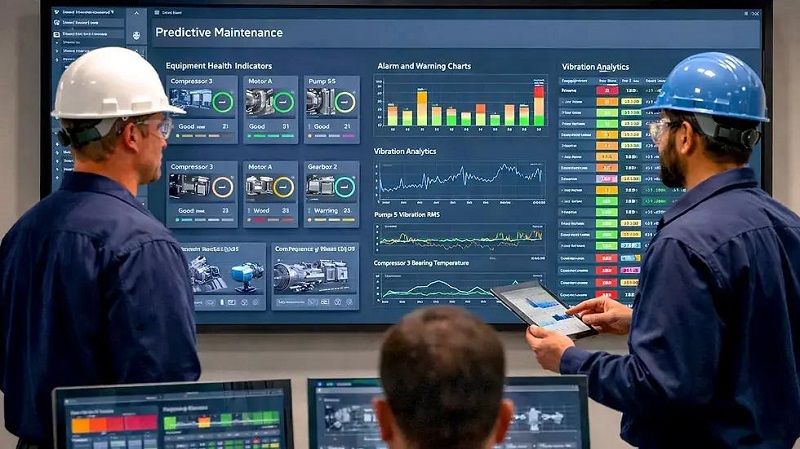
Artificial intelligence is now deeply embedded in industrial automation systems. AI algorithms analyze production data to optimize workflows, reduce waste, and improve equipment utilization.
Machine learning models also help identify production inefficiencies that were previously undetectable using traditional control methods. This leads to continuous improvement in manufacturing performance.
Smart Factory and Digital Transformation
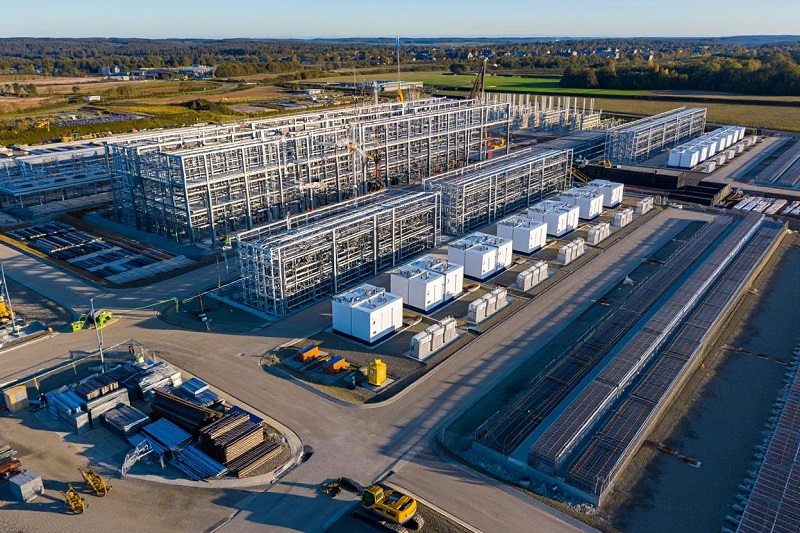
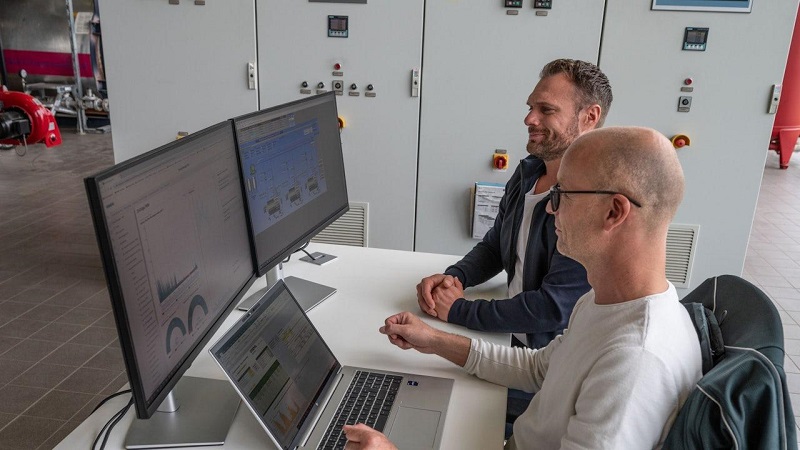
Smart factories are becoming the global standard in industrial production. These facilities use interconnected systems to monitor, analyze, and optimize every stage of manufacturing.
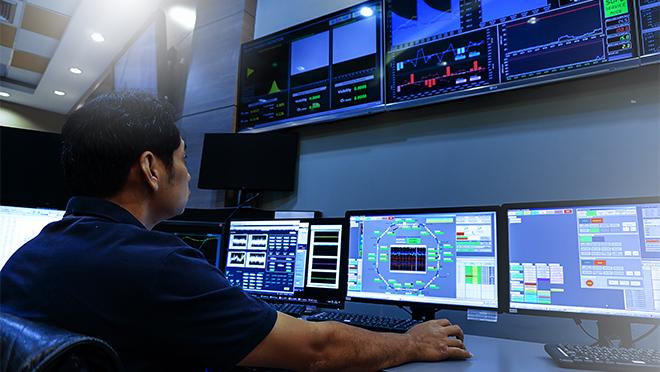
Operators can now control entire production lines remotely using mobile devices and cloud platforms. This level of flexibility is transforming how factories operate globally.
Future Outlook of Industrial Automation
The industrial automation market continues to grow rapidly, driven by demand for efficiency, sustainability, and digital transformation. Companies investing in advanced PLC and DCS systems are gaining a significant competitive advantage in global markets.
As automation technology continues to evolve, integration, intelligence, and connectivity will remain the key drivers of innovation.