Global Ocean Freight Rates Stabilize While Air Cargo Prices Edge Higher; Cross-Border Payment Technology Upgrades Improve Settlement Efficiency
The global logistics market is currently experiencing a period of relative stability, with ocean freight rates remaining steady after previous fluctuations, while air cargo prices show a modest upward trend driven by capacity adjustments and seasonal demand shifts.
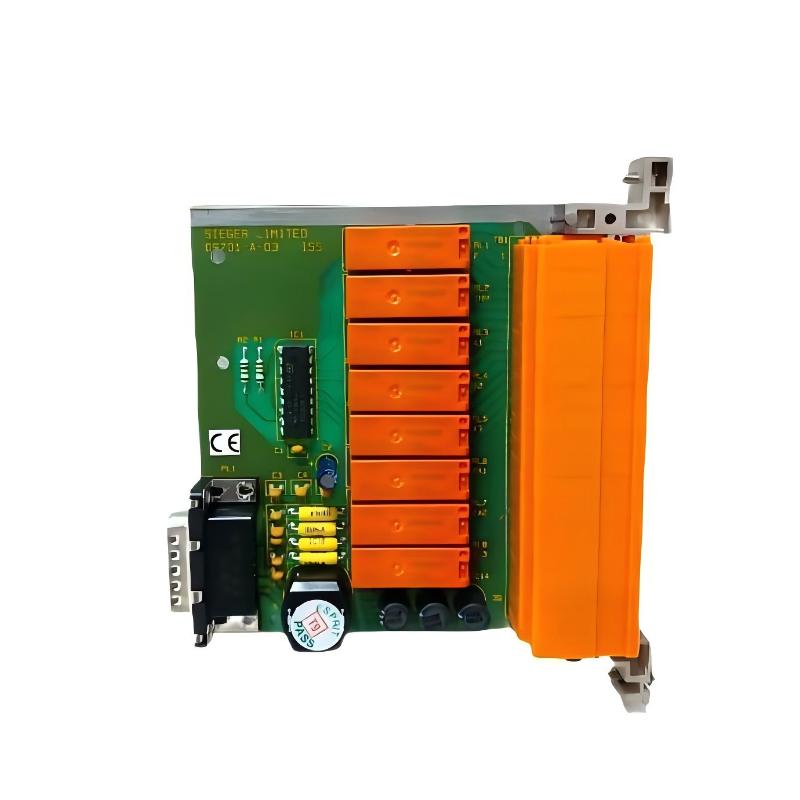
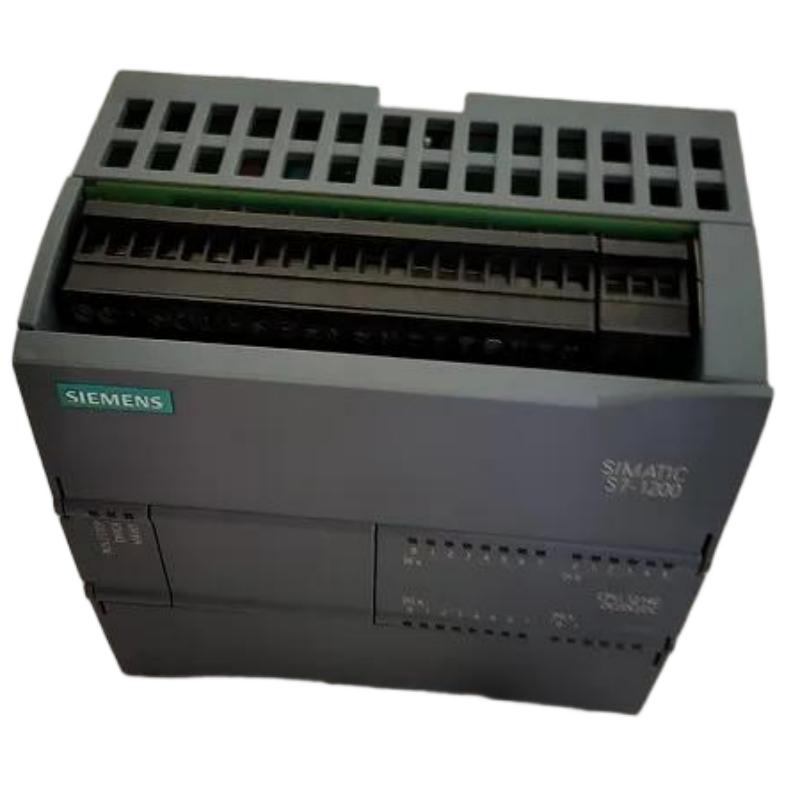
For industrial control equipment exporters—including suppliers of PLC systems, industrial sensors, automation controllers, and electrical components—this mixed freight environment is reshaping international shipping strategies.
Ocean shipping continues to serve as the most cost-efficient option for bulk industrial shipments, while air freight remains essential for urgent deliveries and high-value automation components.
Ocean Freight Stability Supports Long-Term Export Planning
The stabilization of global maritime freight rates provides improved predictability for international trade planning. Shipping lines have gradually adjusted capacity, leading to a more balanced supply-demand structure across major routes connecting Asia, Europe, and North America.
Key implications include:
- More stable long-term shipping contracts
- Reduced volatility in logistics cost forecasting
- Improved planning for bulk industrial equipment shipments
- Stronger confidence for long-term procurement agreements
For industrial automation exporters, stable ocean freight costs help maintain competitive pricing in overseas markets, especially for large-scale equipment shipments.
Air Freight Prices Rise Slightly Amid Capacity Adjustments
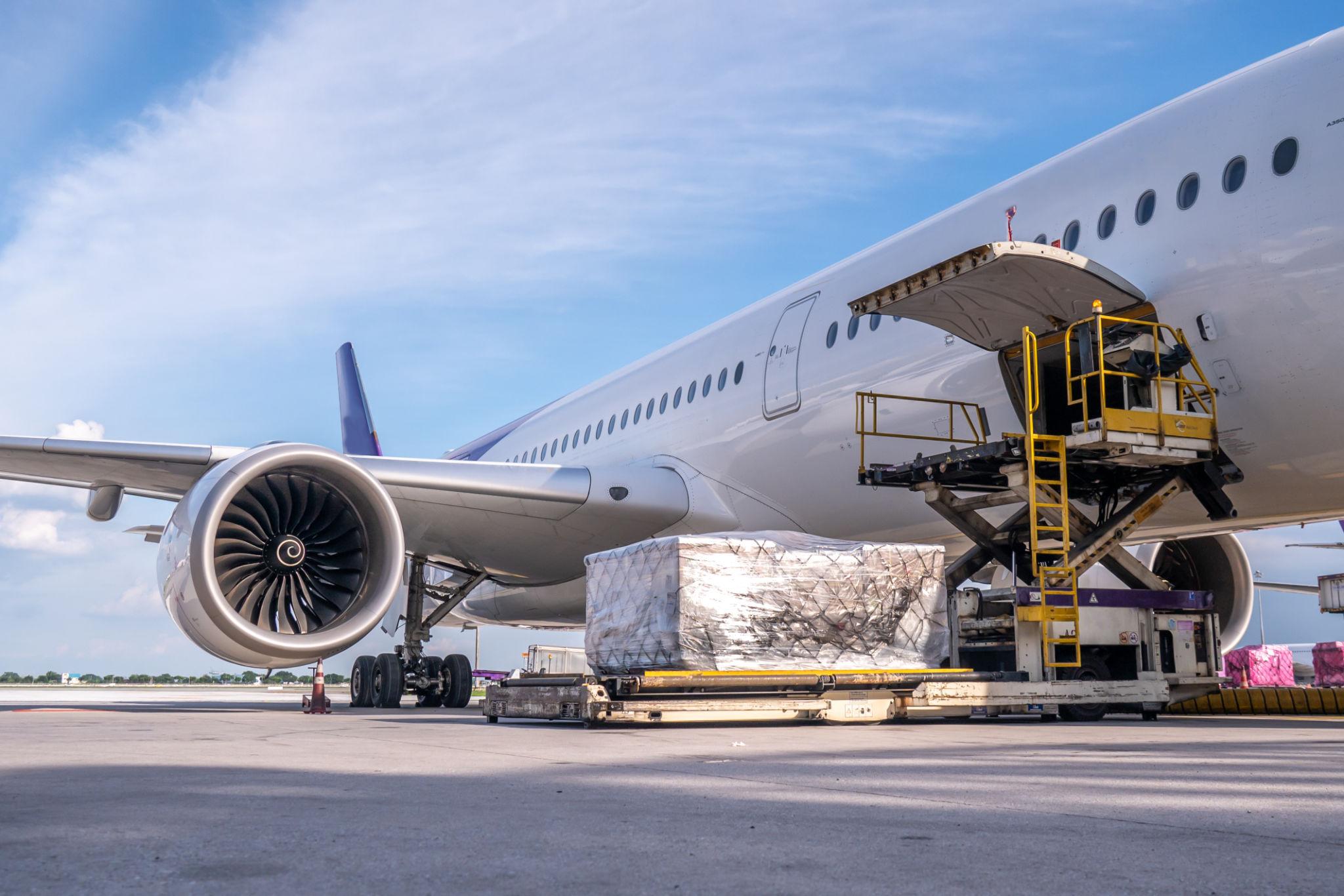
In contrast, global air cargo prices have experienced a slight increase due to limited capacity expansion and higher demand for time-sensitive shipments.
This trend is particularly relevant for:
- Emergency replacement parts for industrial systems
- High-precision automation components
- Time-critical production line maintenance equipment
While air freight remains a premium logistics option, many exporters are optimizing shipment planning by combining sea-air hybrid logistics solutions to balance cost and delivery speed.
Cross-Border Payment Technology Upgrades Improve Efficiency
Alongside logistics changes, the global trade finance ecosystem is undergoing significant modernization. Cross-border payment systems are being upgraded, resulting in faster settlement cycles and improved transaction transparency.
Key improvements include:
- Real-time or near-real-time international payment settlement
- Enhanced integration of digital banking APIs and trade platforms
- Reduced intermediary processing delays
- Improved FX conversion efficiency and cost transparency
These advancements are particularly beneficial for industrial control equipment exporters, where large-volume B2B transactions often require reliable and fast settlement systems.
Faster payment cycles improve cash flow efficiency and reduce financial friction in global supply chains.
Impact on Industrial Control Equipment Exporters
The combined trends in logistics and financial technology are creating a more efficient global trade environment.
Positive impacts:
- More predictable ocean freight cost structures
- Improved planning for global supply chain operations
- Faster cross-border payment settlement cycles
- Better liquidity management for exporters
Ongoing challenges:
- Slightly higher air freight costs for urgent shipments
- Continued sensitivity to regional logistics capacity fluctuations
- Need for digital integration across logistics and payment systems
Overall, the environment is becoming more stable and digitally integrated, supporting long-term growth in industrial automation exports.
Strategic Recommendations for Exporters
Industrial control equipment manufacturers and exporters should consider the following strategies:
- Optimize hybrid logistics models (sea + air)
- Strengthen supply chain forecasting using stable ocean freight trends
- Adopt digital cross-border payment platforms
- Improve cash flow management through faster settlement systems
- Integrate logistics and financial data for end-to-end visibility
Conclusion
The global logistics market is entering a more balanced phase, with stable ocean freight rates and moderately rising air cargo prices. At the same time, cross-border payment technologies are significantly improving settlement efficiency.
For industrial control equipment exporters, these developments offer improved cost predictability and faster financial cycles—key advantages in an increasingly competitive global market.