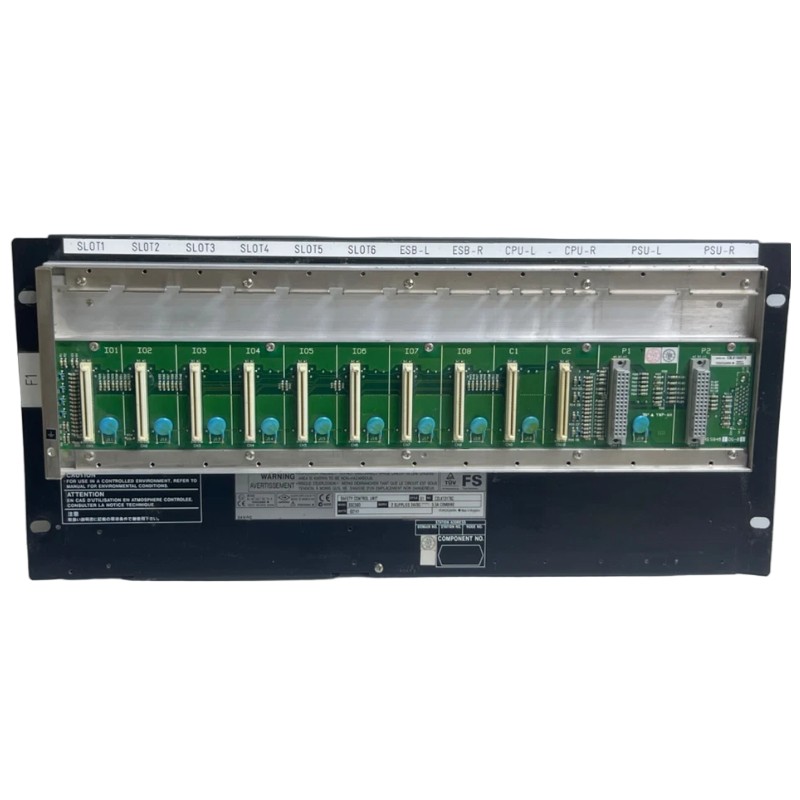
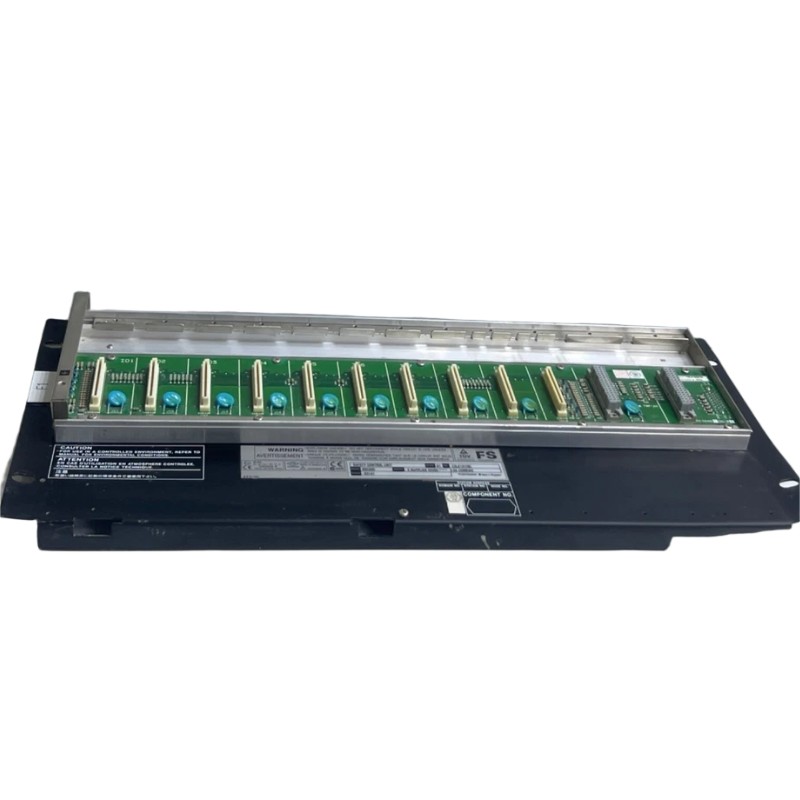
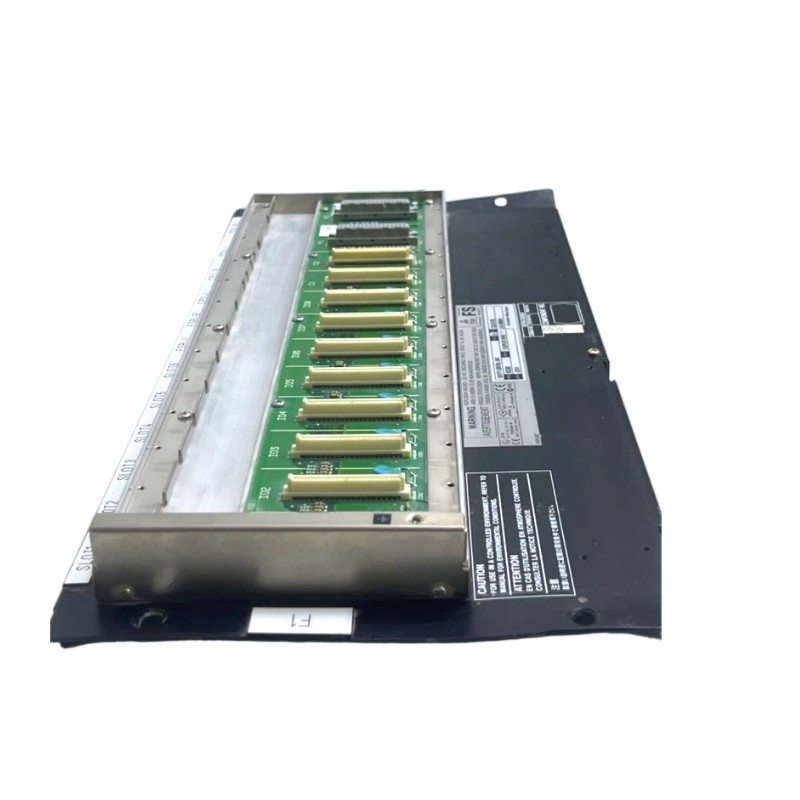
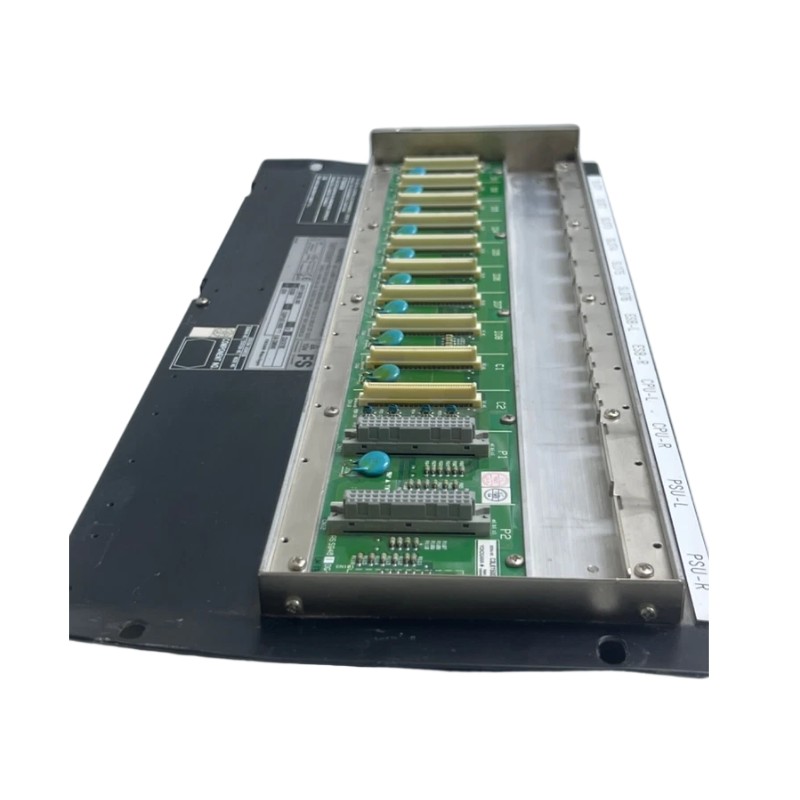
Brand:Yokogawa Electric Item No.:SSC50D-S2524 Product Origin:Japan Product Dimensions:482.6 x 399.2 x 264.4 mm Product Weight:8.5 kg Payment:T/T, Western Union, Credit Card Goods_stock:15 Shipping Port:Xiamen, China Lead Time:1-3 Days Condition:Brand New And Original Warranty:1 Year Certificate:COO
The Yokogawa SSC50D-S2524 Duplex Safety Control Unit provides high-reliability safety execution for modern industrial process environments. Its duplex architecture ensures that safety functions remain active even under fault conditions, making it a core component of Safety Instrumented Systems.
Designed for complex industrial plants, it delivers robust performance, scalable integration, and continuous diagnostics, ensuring both personnel safety and asset protection in demanding operational environments.
Technical Specifications
Specification
Details
Product Type
Duplex Safety Control Unit
Safety System
Yokogawa ProSafe-RS SIS
Architecture
Duplex Redundant Processing
Function
Safety Logic Execution & Coordination
Communication
Safety Network Integration
Operating Temperature
0°C to 55°C
Dimensions
482.6 × 399.2 × 264.4 mm
Weight
8.5 kg / 18.74 lb
Installation Type
Rack-mounted industrial control unit
Diagnostics
Continuous self-monitoring & fault detection
Applications
The Yokogawa SSC50D-S2524 Duplex Safety Control Unit is designed for high-integrity Safety Instrumented Systems (SIS), providing centralized execution of safety logic and coordinated control across distributed safety nodes. It is widely used in emergency shutdown systems (ESD), fire & gas (F&G) detection systems, burner management systems, and large-scale process safety architectures.
Typical industries include oil & gas, LNG facilities, petrochemical refineries, chemical processing plants, and power generation stations where continuous operational safety is critical.
Advantages
Duplex Redundant Architecture: Ensures uninterrupted safety control even in the event of hardware failure
High System Availability: Maintains continuous operation for mission-critical safety functions
Centralized Safety Processing: Coordinates distributed safety nodes within a unified control framework
Industrial-Grade Reliability: Designed for harsh environments with electrical noise, vibration, and temperature variation
Advanced Diagnostics: Real-time monitoring of system health and fault conditions
Scalable Safety Integration: Supports expansion across large and complex plant architectures
Seamless SIS Connectivity: Integrates with Yokogawa ProSafe-RS safety systems
Operational Continuity: Ensures safety logic execution during partial system degradation
Technical FAQs
What is the main function of the SSC50D-S2524?
It serves as a duplex safety control unit responsible for executing and coordinating safety logic within a Safety Instrumented System.
What does “duplex” mean in this model?
It indicates a redundant dual-processor architecture that continuously cross-checks execution results for fail-safe operation.
Is this unit suitable for SIL-rated applications?
Yes, it is designed for high-integrity safety systems typically used in SIL 2 / SIL 3 environments.
Can it operate during partial hardware failure?
Yes, the redundant architecture allows continued operation even if one processing channel fails.
What types of systems does it support?
It is used in ESD, F&G, BMS, and other Safety Instrumented System applications.
How does it improve plant safety?
It ensures deterministic execution of safety logic and immediate response to abnormal conditions.
Does it support system expansion?
Yes, it can integrate with additional safety nodes and control modules in scalable architectures.
What kind of diagnostics are available?
Continuous monitoring of CPU status, communication integrity, and system synchronization.
Is it designed for continuous operation?
Yes, it is built for 24/7 mission-critical industrial safety environments.
What happens in case of communication failure?
The system maintains local safety logic execution and triggers fault isolation mechanisms.