Industrial Automation Trends 2026: AI, PLC Programming Innovation, and Software-Driven Control Systems Reshape Manufacturing
Introduction
The industrial automation sector is entering a new era driven by artificial intelligence, software-defined control systems, and advanced PLC programming technologies. In 2026, manufacturers are accelerating digital transformation to improve efficiency, reduce downtime, and increase flexibility in production environments.
AI Integration in PLC and DCS Systems
One of the most significant developments in automation is the integration of artificial intelligence into PLC and DCS engineering workflows. AI-driven tools are now capable of:
- Generating control logic from natural language requirements
- Optimizing ladder logic programming efficiency
- Supporting automated test case generation
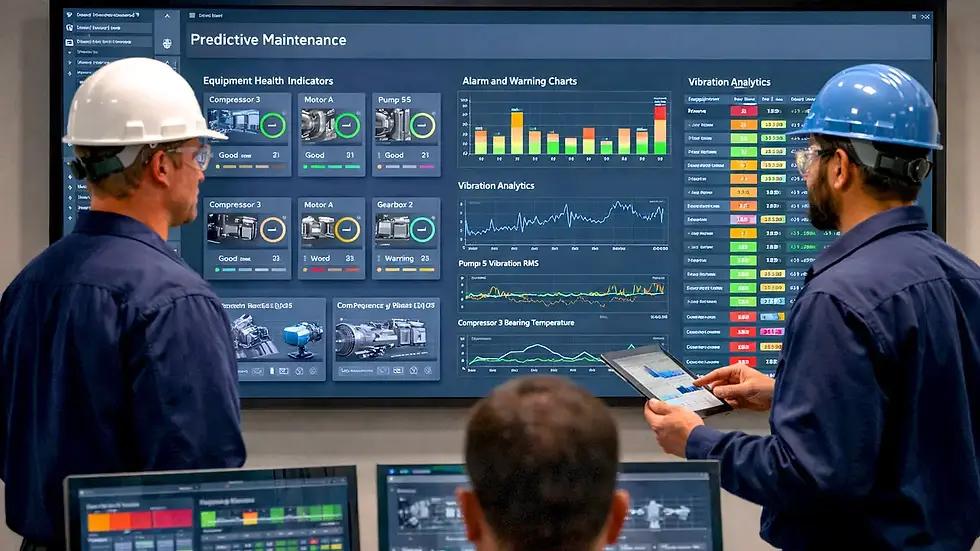
- Enhancing predictive maintenance strategies
This reduces engineering workload while improving system accuracy and consistency.
Rise of Software-Defined Industrial Control
Traditional hardware-centric automation systems are being replaced by software-defined architectures. These systems separate control logic from physical devices, allowing faster deployment and easier system upgrades.
Key benefits include:
- Vendor-independent architecture
- Faster system commissioning
- Improved scalability for large factories
- Reduced dependency on proprietary hardware
This trend is reshaping how PLC, SCADA, and DCS systems are designed and deployed.
Workforce Transformation in Automation Industry
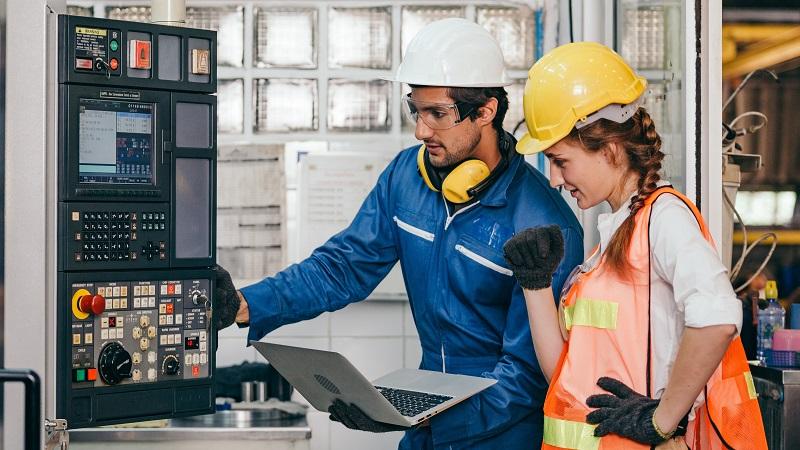
As automation systems become more intelligent, the role of automation engineers is also evolving. Modern engineers are now expected to have skills in:
- Industrial networking and cybersecurity
- PLC programming and system integration
- SCADA and MES system design
- Cloud-based industrial data platforms
- AI-assisted automation tools
The industry is facing a growing demand for skilled professionals as experienced engineers retire and new technologies emerge.
Industrial Outlook
The convergence of IT and OT systems is creating a fully connected industrial ecosystem. Future factories will rely heavily on real-time analytics, digital twins, and autonomous control systems.