Siemens and NVIDIA Expand Partnership to Build an Industrial AI Operating System
Introduction
Siemens and NVIDIA have expanded their strategic partnership to accelerate the development of an Industrial AI Operating System. This initiative represents a significant step forward in industrial automation and smart manufacturing, combining artificial intelligence, simulation technology, and industrial control systems into a unified ecosystem.
The goal of this collaboration is to help manufacturers improve efficiency, flexibility, and productivity while reducing operational complexity.
What Is an Industrial AI Operating System
An Industrial AI Operating System is a unified industrial platform that integrates artificial intelligence with core automation technologies.
It combines:
- AI algorithms and machine learning models
- PLC, DCS, and SCADA control systems
- Digital twin simulation environments
- Edge and cloud computing infrastructure
- Real-time industrial data processing
Instead of operating separately, these systems work together to create a connected and intelligent manufacturing environment.
This represents a shift from traditional automation toward adaptive, data-driven production systems.
Siemens Xcelerator and Industrial AI Development
Siemens continues to develop its Xcelerator ecosystem as a foundation for industrial digital transformation. With the integration of NVIDIA’s AI computing and simulation technologies, Siemens is strengthening its ability to deliver real-time industrial intelligence.
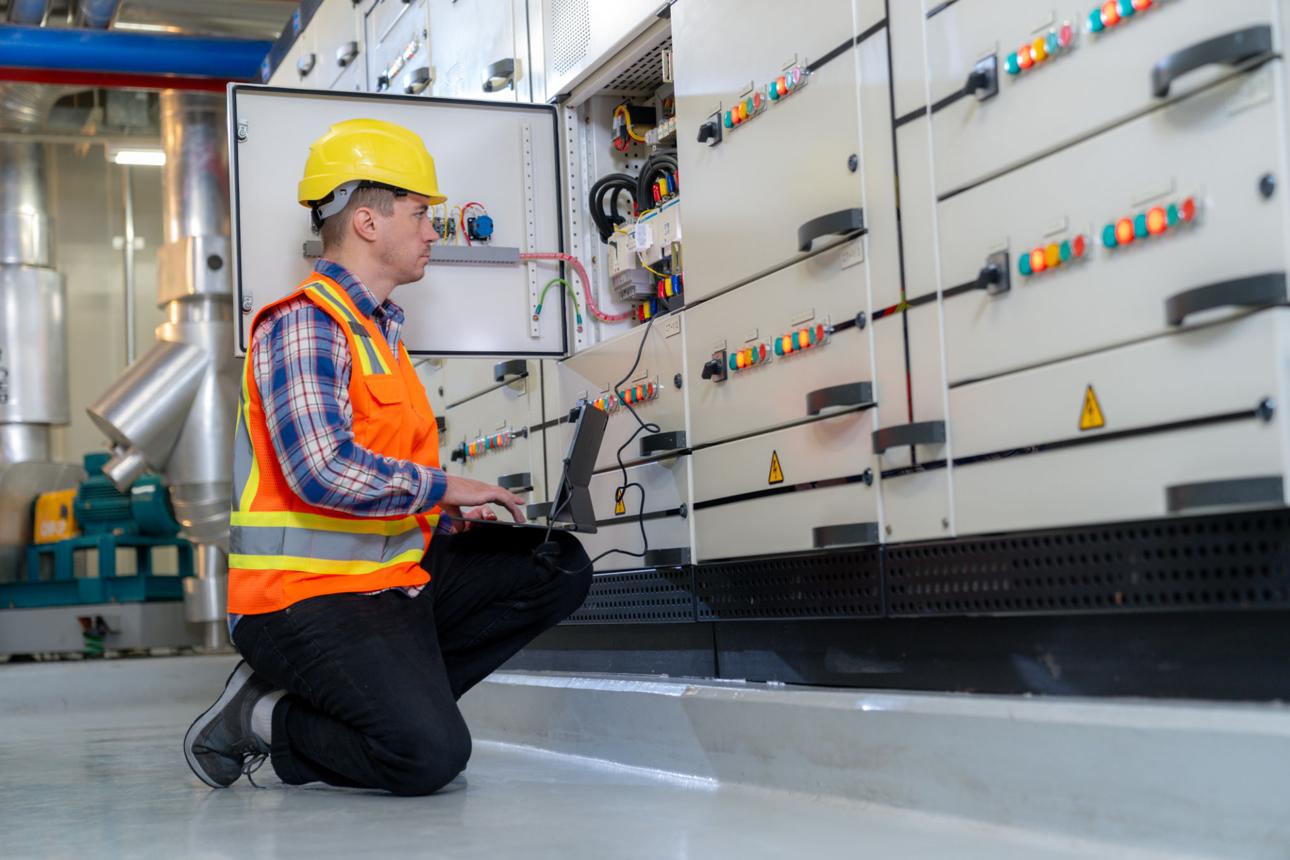
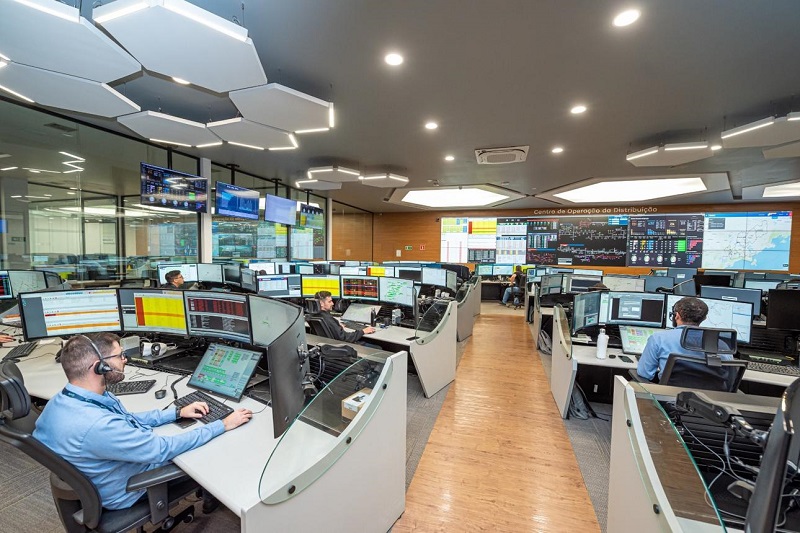
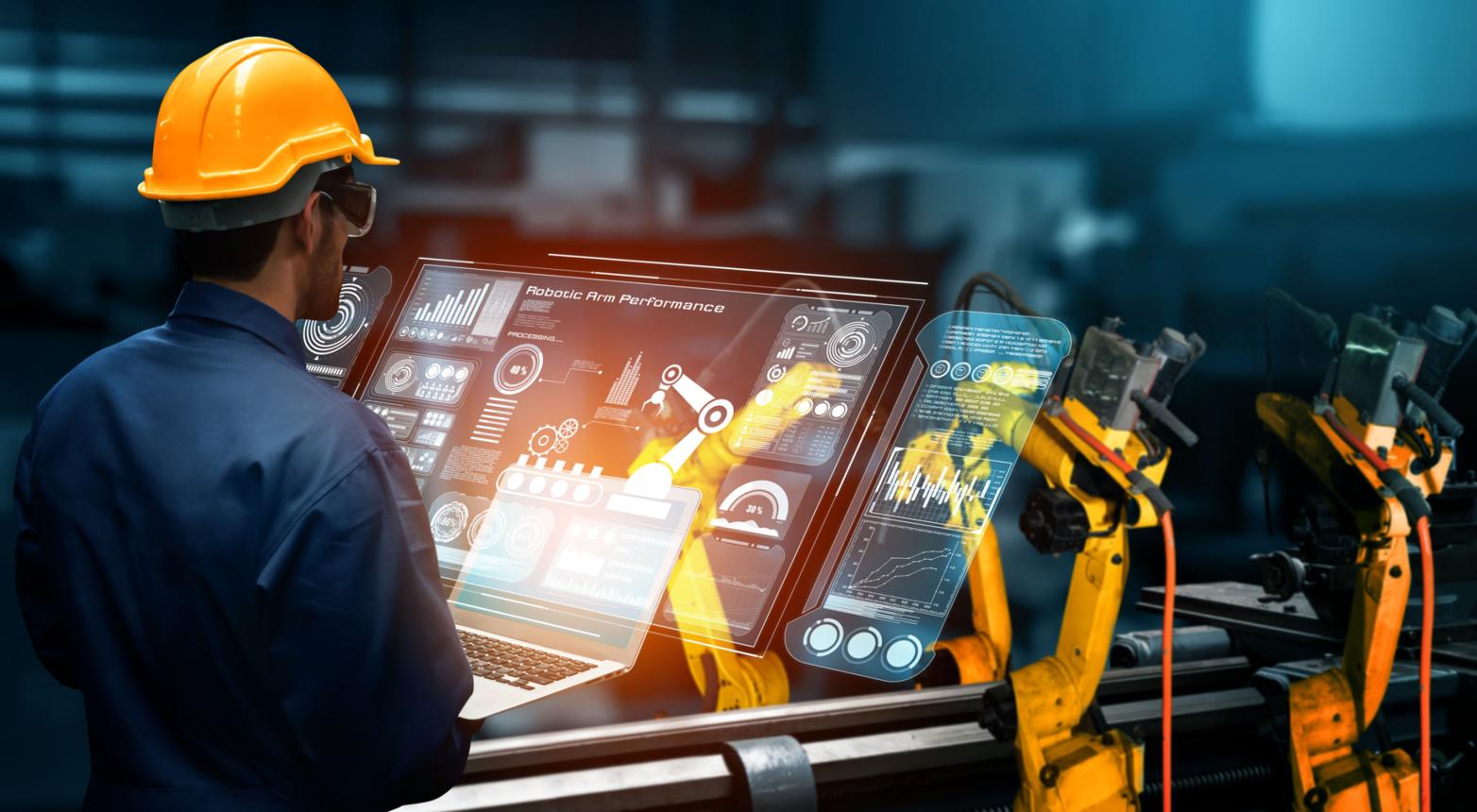
Image suggestion: Smart factory control room with Siemens digital platform and AI dashboard visualization.
This integration allows manufacturers to better connect software, hardware, and data across the entire production lifecycle.
Digital Twin Technology in Smart Manufacturing
Digital twin technology plays a central role in this partnership. A digital twin is a virtual model of a physical industrial system that mirrors real-world production behavior.
With AI enhancement, digital twins can now:
- Simulate entire production lines before deployment
- Test PLC and automation logic virtually
- Optimize factory layout and workflow
- Predict system performance issues
- Reduce commissioning time and cost
This improves engineering efficiency and reduces production risks.
Impact on PLC, DCS, and SCADA Systems
For industrial automation engineers, this development introduces a new layer of intelligence above traditional control systems.
PLC, DCS, and SCADA systems will continue to operate as the core of industrial control. However, they will increasingly be supported by AI-driven optimization systems.
Future industrial environments will include:
- Predictive alarm detection
- AI-assisted process control
- Real-time optimization of production parameters
- Adaptive control logic based on data
- Integrated simulation feedback loops
This improves both operational stability and efficiency.
Artificial Intelligence in Manufacturing
Artificial intelligence is becoming a core part of industrial production systems.
Siemens and NVIDIA are enabling AI applications in several key areas:
Predictive Maintenance
AI analyzes machine data to predict failures before they occur, reducing downtime and maintenance costs.
Quality Inspection
Machine vision systems improve defect detection accuracy and ensure consistent product quality.
Process Optimization
AI continuously adjusts production parameters to improve efficiency and reduce waste.
Supply Chain Optimization
Industrial AI improves forecasting, logistics planning, and inventory control.
Role of Edge Computing in Industrial AI
Edge computing is essential in industrial environments because it enables real-time decision-making close to the production process.
Key advantages include:
- Low latency control response
- Improved system reliability
- Reduced dependency on cloud connectivity
- Enhanced cybersecurity
This is particularly important for PLC and DCS-based systems where timing is critical.
Transformation of Industrial Workforce
Industrial AI is changing the role of human workers rather than replacing them.
Workers are increasingly focused on:
- System optimization and engineering
- Digital twin modeling
- AI system supervision
- Predictive maintenance planning
- Data analysis and decision-making
Meanwhile, automated systems handle repetitive and data-intensive tasks, improving overall productivity and safety.
Industry 4.0 Acceleration
The collaboration between Siemens and NVIDIA is accelerating global Industry 4.0 adoption.
Key technologies include:
- Artificial intelligence
- Industrial IoT
- Digital twin systems
- Edge computing
- Machine learning
- Autonomous industrial systems
These technologies are forming the foundation of next-generation smart factories.
Industrial Applications
Automotive Manufacturing
AI improves robotic assembly, welding precision, and production line flexibility.
Semiconductor Industry
Advanced inspection systems increase accuracy and improve yield rates.
Energy Sector
AI optimizes power generation, distribution, and asset maintenance.
Logistics and Warehousing
Autonomous systems improve material handling and inventory tracking efficiency.
Sustainability Benefits
Industrial AI also contributes to sustainability goals by improving energy efficiency and reducing waste.
Key benefits include:
- Lower energy consumption
- Reduced material waste
- Optimized machine utilization
- Improved production efficiency
- Reduced environmental impact
Digital simulation also reduces the need for physical testing, saving resources.
Future Outlook of Industrial AI Systems
Industrial AI Operating Systems represent the future direction of manufacturing technology.
Factories will increasingly become:
- Fully connected digital ecosystems
- Self-optimizing production environments
- AI-driven decision-making systems
- Highly flexible manufacturing networks
This transformation will redefine global industrial competitiveness.