Industrial Automation Market Growth Driven by Smart Manufacturing, Energy Efficiency, and Advanced Control Systems in 2026
Global Industries Accelerate Investment in PLC, DCS, SCADA, and Intelligent Automation Technologies
The global industrial automation market is experiencing significant growth in 2026 as manufacturers and process industries increase investment in advanced control systems, smart manufacturing technologies, energy optimization solutions, and digital transformation strategies.
Industrial companies worldwide are facing increasing pressure to improve productivity, reduce operational costs, increase equipment reliability, and achieve more sustainable production methods.
To meet these challenges, businesses are adopting advanced automation solutions based on Programmable Logic Controllers (PLC), Distributed Control Systems (DCS), Supervisory Control and Data Acquisition (SCADA), Industrial Internet of Things (IIoT), and artificial intelligence technologies.
The modern industrial environment is changing rapidly. Automation is no longer only focused on replacing manual operations. Instead, it has become a strategic technology that helps companies improve decision-making, optimize production processes, and maintain competitiveness in global markets.
Industrial Automation Becomes a Strategic Investment for Global Manufacturers
In the past, automation projects were mainly implemented to increase production speed and reduce labor requirements.
Today, industrial automation has a much broader purpose.
Manufacturers are investing in automation technologies to achieve:
- Higher production efficiency
- Better product quality
- Reduced energy consumption
- Improved equipment reliability
- Faster production adjustments
- Enhanced workplace safety
Companies across different industries are upgrading their automation infrastructure to support long-term business growth.
Major industries adopting advanced automation include:
- Automotive manufacturing
- Electronics production
- Food and beverage processing
- Pharmaceutical manufacturing
- Chemical industries
- Oil and gas
- Renewable energy
- Water treatment
Each industry has different automation requirements, but all share the same goal: creating smarter and more efficient operations.
The Growing Importance of PLC Automation Systems
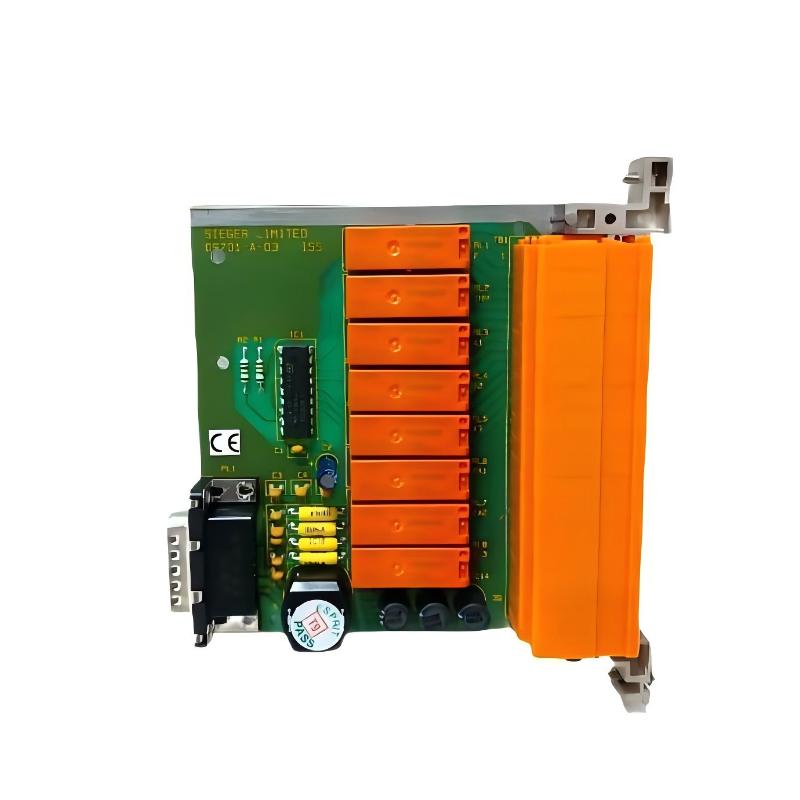
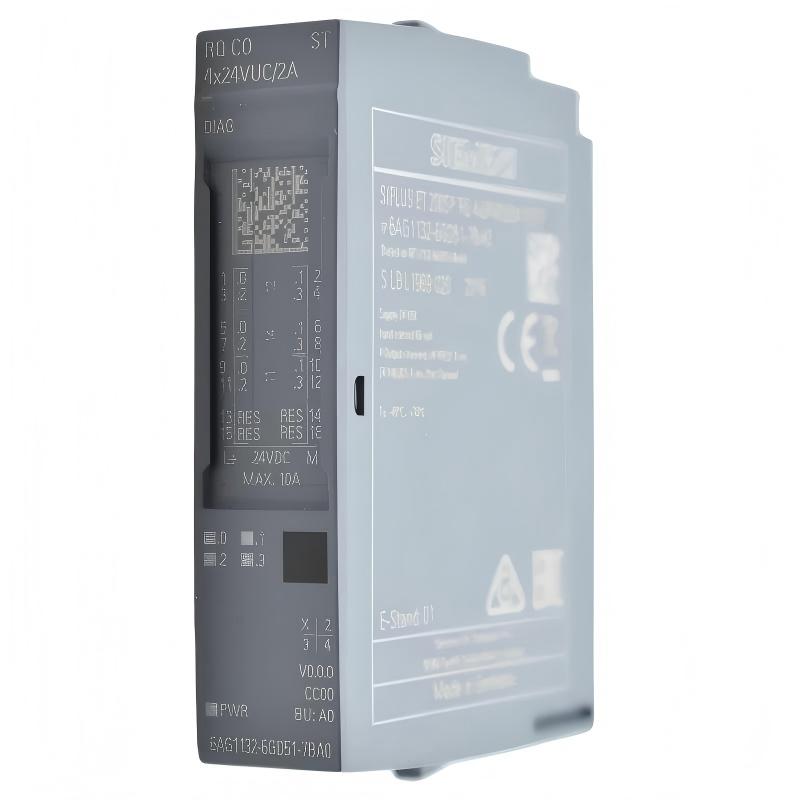
PLC technology continues to be a fundamental component of industrial automation.
Modern PLC systems provide reliable control for thousands of industrial applications.
Common PLC applications include:
- Machine control
- Assembly lines
- Packaging systems
- Conveyor systems
- Motor control
- Robotics integration
- Industrial equipment monitoring
The latest PLC systems are becoming increasingly intelligent.
Advanced PLC platforms now support:
- High-speed processing
- Industrial networking
- Remote diagnostics
- Data collection
- Cloud connectivity
- Advanced programming environments
This allows PLC systems to become an important part of digital manufacturing strategies.
DCS Systems Support the Digital Transformation of Process Industries
Distributed Control Systems remain essential for industries requiring continuous and complex process management.
Process industries depend on DCS systems because they provide:
- Reliable process control
- Centralized monitoring
- Safety management
- Alarm handling
- Operational visibility
Modern DCS platforms are evolving beyond traditional control functions.
Today, DCS systems increasingly integrate:
- Data analytics
- Artificial intelligence
- Digital twins
- Remote operation
- Asset management systems
This evolution allows process industries to improve efficiency while maintaining high levels of safety and reliability.
Energy Efficiency Becomes a Major Driver of Automation Investment
Energy costs and sustainability requirements are becoming increasingly important factors influencing industrial automation decisions.
Manufacturers are searching for ways to reduce energy consumption without reducing production output.
Automation technologies help companies achieve this through:
Real-Time Energy Monitoring
Modern automation systems can monitor energy consumption from:
- Motors
- Pumps
- Production equipment
- Heating systems
- Cooling systems
This information allows companies to identify areas of energy waste.
Automatic Energy Optimization
Intelligent control systems can automatically adjust operating conditions to improve efficiency.
Examples include:
- Optimizing motor speed
- Adjusting production parameters
- Managing equipment operating schedules
These improvements can significantly reduce operational costs.
Supporting Sustainable Manufacturing
Automation plays an important role in sustainable industrial development.
Companies use automation technology to:
- Reduce waste
- Improve resource utilization
- Lower emissions
- Optimize production processes
Sustainable automation is becoming a key consideration for industrial companies worldwide.
SCADA Systems Improve Industrial Monitoring and Data Management
SCADA technology continues to play an important role in industrial automation.
SCADA systems provide:
- Real-time monitoring
- Data visualization
- Alarm management
- Historical data recording
- Remote supervision
Modern SCADA platforms are becoming more advanced through integration with:
- Cloud computing
- Mobile monitoring
- Artificial intelligence
- Data analytics
This enables operators and managers to make faster and more accurate decisions.
Industrial IoT Creates Connected Production Environments
Industrial Internet of Things technology is one of the strongest trends driving automation development.
IIoT connects industrial devices and allows them to exchange information.
Connected systems include:
- Sensors
- PLC controllers
- Robots
- Drives
- Machines
- Industrial computers
The collected data provides valuable information about production performance.
Companies can use IIoT data to improve:
- Maintenance planning
- Production efficiency
- Quality control
- Equipment management
Artificial Intelligence Improves Industrial Decision-Making
AI technology is becoming increasingly important in automation systems.
Industrial AI applications include:
Predictive Maintenance
AI analyzes equipment conditions and predicts potential failures.
Benefits include:
- Reduced downtime
- Lower maintenance costs
- Longer equipment lifespan
Intelligent Quality Control
AI-based systems can detect product defects and improve manufacturing consistency.
Applications include:
- Visual inspection
- Defect identification
- Process adjustment
Automatic Process Optimization
AI can analyze complex industrial processes and recommend improvements.
This helps companies achieve:
- Better productivity
- Reduced resource consumption
- Improved operational stability
The Development of Open Automation Systems
Industrial companies increasingly require flexible automation architectures.
Traditional closed automation systems may create challenges when companies need future expansion.
Open automation systems provide:
- Easier integration
- Greater flexibility
- Better compatibility
- Reduced upgrade difficulties
Modern automation projects increasingly use open communication technologies and standardized industrial protocols.
This allows equipment from different manufacturers to work together more efficiently.
Industrial Cybersecurity Becomes a Core Requirement
The increasing connection between industrial systems and digital platforms creates new cybersecurity challenges.
Modern automation environments must protect:
- PLC systems
- DCS networks
- SCADA platforms
- Industrial communication systems
- Production data
Companies are implementing stronger security measures, including:
- Access control
- Network protection
- Secure communication
- Continuous monitoring
Cybersecurity is now considered an essential part of industrial automation design.
Automation Industry Creates New Opportunities for Suppliers and Integrators
The growth of industrial automation creates new business opportunities for:
- PLC manufacturers
- DCS suppliers
- Automation component companies
- System integrators
- Engineering service providers
Customers increasingly prefer complete automation solutions instead of individual products.
Future automation suppliers will need to provide:
- Hardware solutions
- Software platforms
- Engineering services
- Technical support
- Digital transformation consulting
Companies that can deliver complete automation ecosystems will have stronger market advantages.
Future Outlook of Industrial Automation Market
The industrial automation market will continue expanding as companies invest in intelligent manufacturing technologies.
Future automation development will focus on:
- AI-based control systems
- Smart PLC platforms
- Advanced DCS solutions
- Industrial IoT networks
- Digital twin technology
- Sustainable automation
The factories of the future will become more connected, efficient, and intelligent.
Automation will continue to play a central role in global industrial development by helping companies improve productivity, reduce costs, and create more sustainable manufacturing operations.
The combination of PLC, DCS, SCADA, IIoT, and artificial intelligence will define the next generation of industrial automation.