ABB Robotics and NVIDIA Advance Industrial Automation with Physical AI Integration
Introduction
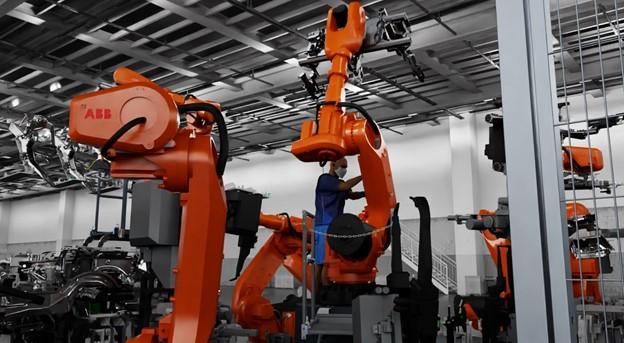
ABB Robotics and NVIDIA are expanding their collaboration to accelerate the adoption of Physical AI in industrial automation. This partnership is driving a major transformation in manufacturing by combining robotics, artificial intelligence, and advanced simulation technologies.
The goal is to build smarter, more flexible, and highly efficient production systems that can adapt to modern industrial demands.
Physical AI in Industrial Automation
Physical AI refers to intelligent systems that can understand and interact with the real physical environment. Unlike traditional automation systems that rely on fixed logic, Physical AI enables machines to learn, adapt, and make decisions based on real-time data.
In industrial environments, this allows robots and automation systems to:
- Recognize objects and environments
- Adjust to production changes
- Improve operational accuracy
- Work safely alongside human operators
- Optimize manufacturing processes
This marks a major step toward fully autonomous industrial systems.
Digital Twin Technology Advancement
A key part of this collaboration is the development of advanced digital twin systems.
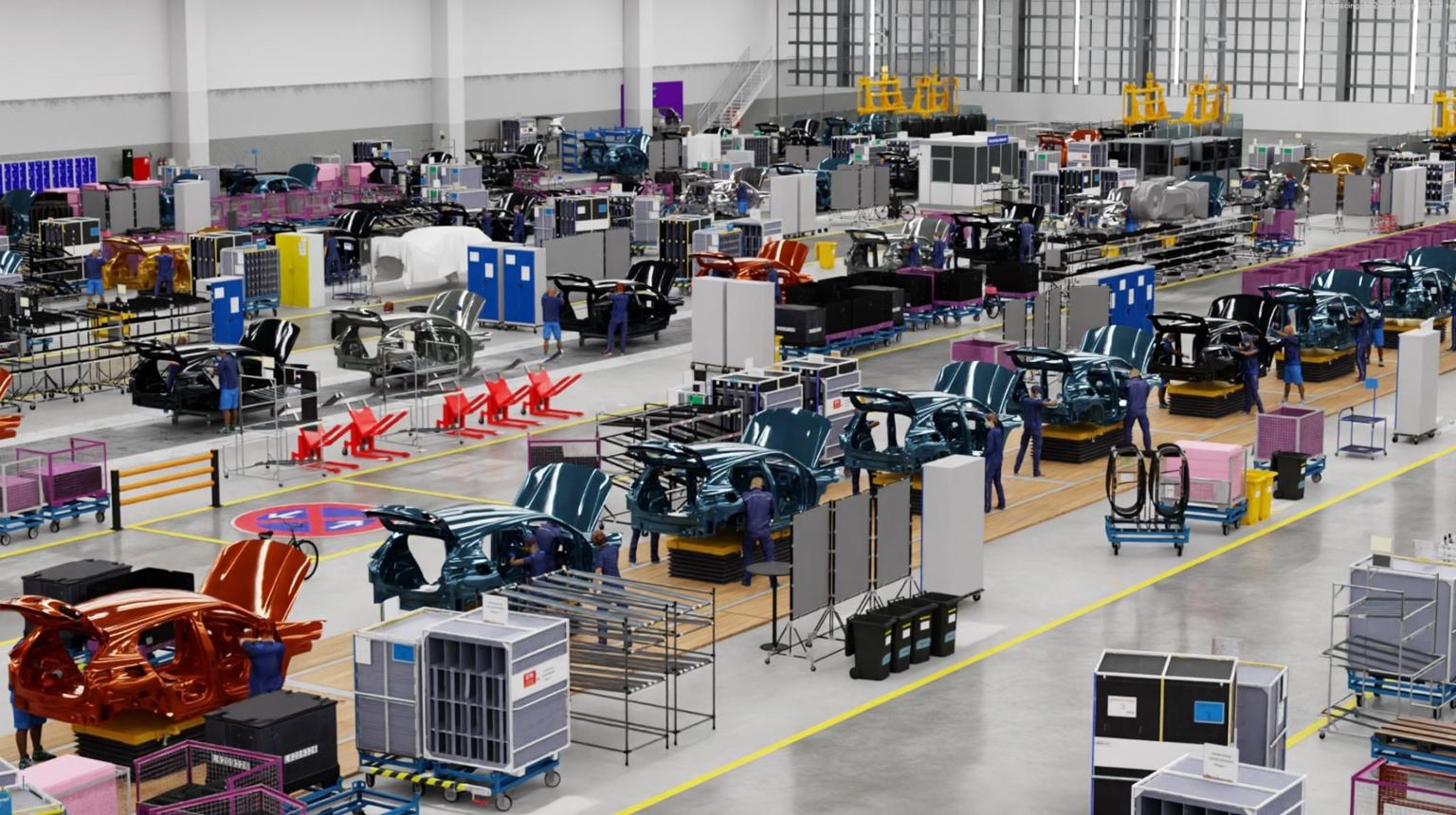
Digital twins are virtual models of real-world factories that simulate production processes in real time. With AI integration, these systems become more powerful and accurate.
Manufacturers can use digital twins to:
- Simulate factory operations before implementation
- Test robot programming in a virtual environment
- Optimize production layouts
- Reduce commissioning time
- Prevent operational failures
This significantly improves efficiency and reduces production risks.
Impact on PLC and Industrial Control Systems
For PLC, DCS, and SCADA systems, Physical AI introduces a new layer of intelligence above traditional automation.
While PLC systems continue to execute core control logic, AI systems enhance decision-making capabilities by adding:
- Predictive process control
- Intelligent alarm detection
- Real-time optimization
- Adaptive production adjustments
- Data-driven system improvements
This creates a hybrid automation architecture combining reliability with intelligence.
AI in Manufacturing Operations
Artificial intelligence is increasingly being used across industrial production systems.
Key applications include:
Predictive Maintenance
AI analyzes machine data to detect potential failures before they occur, reducing downtime and maintenance costs.
Quality Inspection
Machine vision systems improve accuracy and ensure consistent product quality.
Process Optimization
AI continuously adjusts production parameters to improve efficiency and reduce waste.
Human and Machine Collaboration
Industrial AI is not replacing human workers but transforming their roles.
Workers are shifting toward higher-value tasks such as system optimization, robotics programming, and data analysis, while automation systems handle repetitive production work.
This improves productivity, safety, and operational efficiency.
Industry 4.0 Development
This partnership supports the ongoing evolution of Industry 4.0 by integrating:
- Artificial intelligence
- Industrial IoT
- Digital twin systems
- Edge computing
- Autonomous robotics
These technologies are forming the foundation of next-generation smart factories.
Industrial Applications
Automotive Manufacturing
AI robotics improve assembly accuracy, welding processes, and production flexibility.
Electronics Industry
Advanced inspection systems enhance defect detection and quality control.
Logistics and Warehousing
Automation systems improve material handling and inventory efficiency.
Food and Beverage
Robotics improve packaging, sorting, and production consistency.
Sustainability Benefits
AI-driven automation also supports sustainability goals by improving energy efficiency and reducing waste.
Benefits include:
- Lower energy consumption
- Reduced material waste
- Optimized production efficiency
- Better resource utilization
Digital simulation also reduces the need for physical testing, saving resources.