Top Industrial Automation Trends in 2026 for PLC, DCS and Smart Manufacturing
Introduction
Industrial automation is entering a new phase in 2026, driven by rapid advances in artificial intelligence, digital transformation, and connected manufacturing systems.
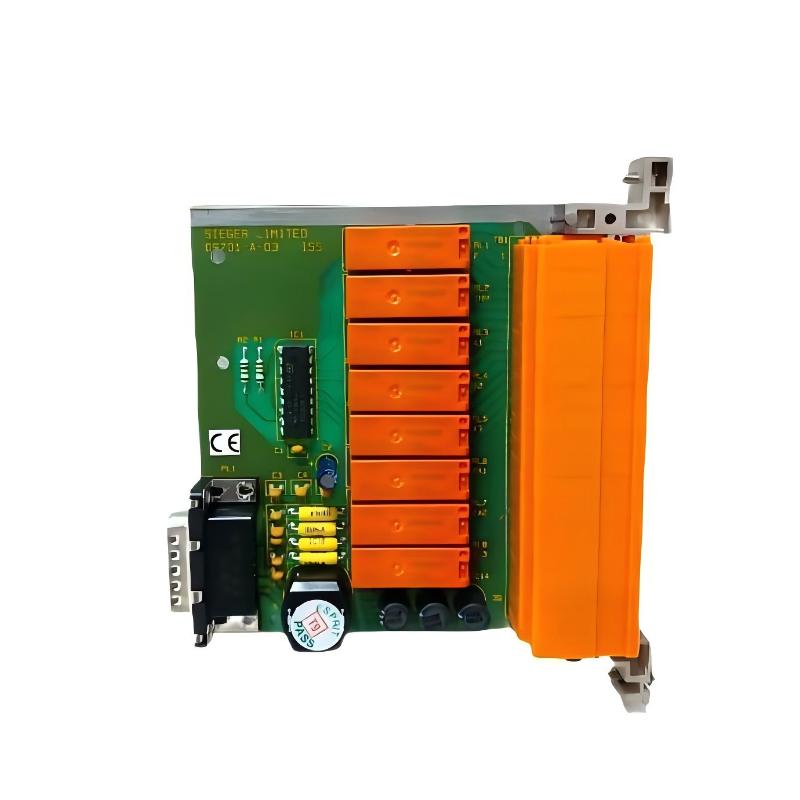
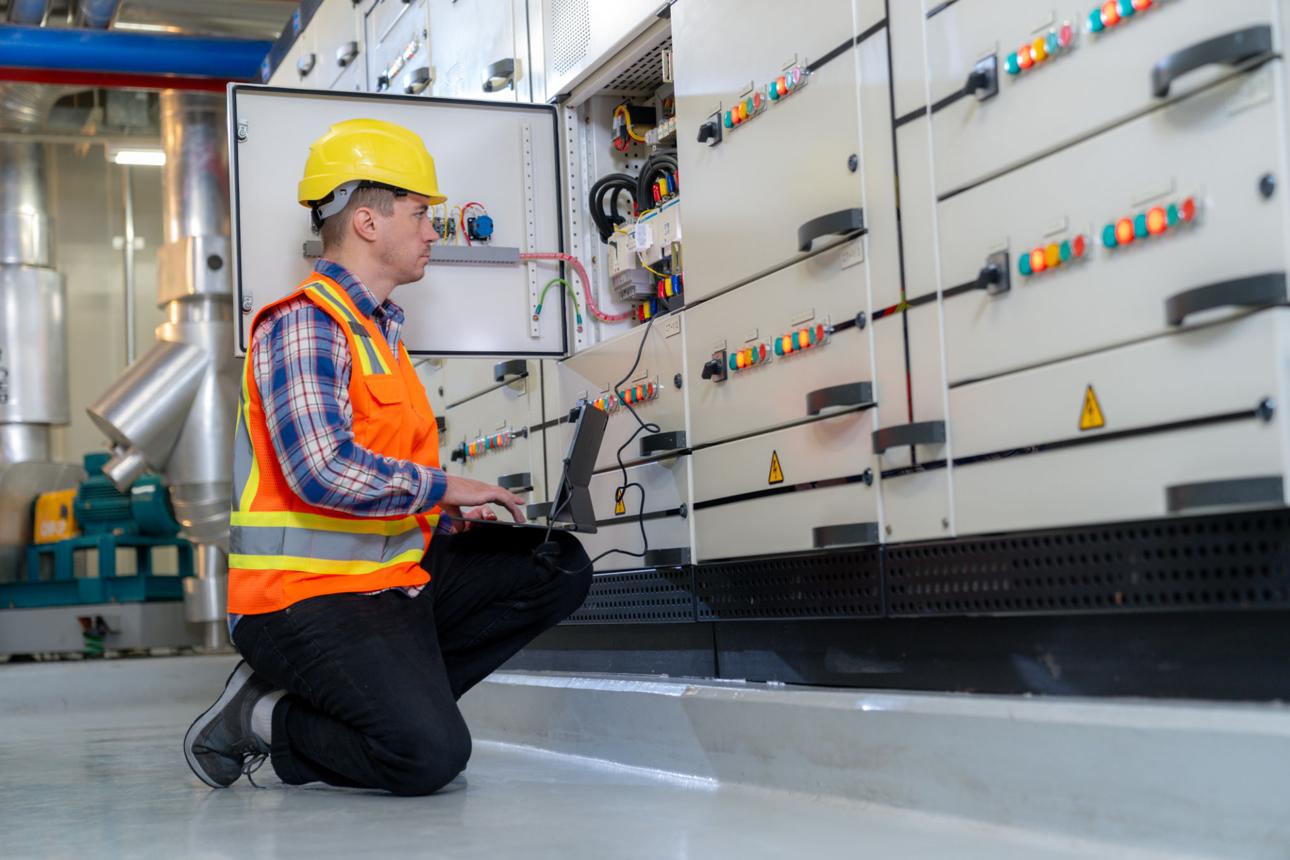
Technologies such as PLC, DCS, and SCADA are no longer operating as isolated control systems. Instead, they are becoming part of a larger intelligent ecosystem powered by AI, data analytics, and digital twin technology.
This article explores the most important industrial automation trends that are shaping the future of global manufacturing.
AI Integration in PLC and DCS Systems
One of the most significant trends is the integration of artificial intelligence into traditional control systems.
PLC and DCS systems remain the backbone of industrial automation, but AI is enhancing their capabilities by adding predictive and adaptive functions.
Key improvements include:
- Predictive maintenance alerts
- Intelligent process optimization
- Real-time anomaly detection
- Adaptive control logic
- Data-driven decision support
This shift allows factories to operate with higher efficiency and lower downtime.
Expansion of Digital Twin Technology
Digital twin technology is becoming a standard tool in modern manufacturing.
A digital twin is a virtual replica of a physical production system that simulates real-world operations.
Manufacturers are using digital twins to:
- Test production systems before deployment
- Optimize factory layout and workflow
- Reduce commissioning time
- Predict system failures
- Improve production efficiency
As computing power increases, digital twins are becoming more accurate and widely adopted.
Growth of Smart Factories
Smart factories are becoming the new global standard in industrial production.
These factories combine:
- Industrial IoT sensors
- AI-based analytics
- Robotics automation
- Cloud and edge computing
- Real-time monitoring systems
The result is a fully connected production environment that can self-optimize and adapt to changing conditions.
Rise of Industrial AI in Manufacturing
Artificial intelligence is playing a central role in modern automation systems.
Industrial AI is being applied in:
Predictive Maintenance
AI systems analyze machine behavior to detect failures before they occur, reducing downtime.
Quality Control
Machine vision improves inspection accuracy and ensures consistent product quality.
Production Optimization
AI continuously adjusts machine settings to improve efficiency and reduce waste.
Supply Chain Management
AI improves forecasting, logistics planning, and inventory control.
Edge Computing in Industrial Automation
Edge computing is becoming essential for real-time industrial operations.
Instead of sending all data to the cloud, edge devices process information locally.
Benefits include:
- Faster response times
- Improved reliability
- Lower network dependency
- Enhanced cybersecurity
This is especially important for PLC and DCS environments where timing is critical.
Evolution of Human and Machine Collaboration
Industrial automation is not replacing human workers but changing their roles.
Workers are now focusing more on:
- System optimization
- Data analysis
- Robot programming
- Process engineering
- Maintenance strategy
Meanwhile, machines handle repetitive and physically demanding tasks.
This improves productivity and workplace safety.
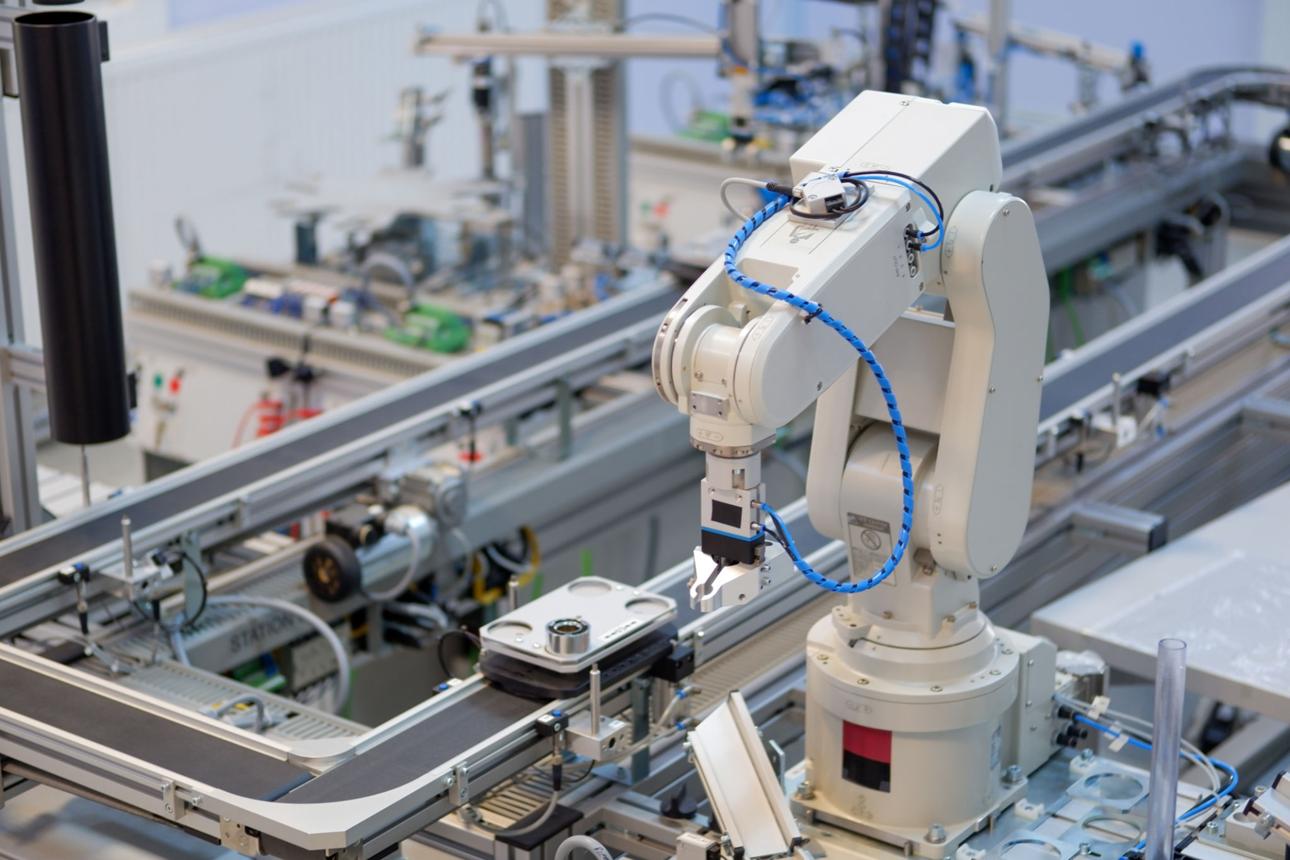
Expansion of Robotics in Industry
Industrial robots are becoming more intelligent and flexible.
Modern robotics systems can:
- Adapt to different production tasks
- Work safely alongside humans
- Perform high-precision operations
- Integrate with AI systems
This is expanding automation into new industries beyond automotive and electronics.
Sustainability in Industrial Automation
Sustainability is now a key driver of automation technology.
Industrial systems are being designed to reduce environmental impact through:
- Lower energy consumption
- Reduced material waste
- Efficient production planning
- Optimized machine utilization
Digital simulation also reduces the need for physical testing, saving energy and resources.
Future Outlook of Industrial Automation
The future of industrial automation will be defined by intelligent, connected, and autonomous systems.
Factories will continue to evolve into:
- Fully digital production environments
- Self-learning manufacturing systems
- AI-driven decision-making platforms
- Highly flexible production networks
This transformation will redefine global industrial competitiveness over the next decade.
Conclusion
Industrial automation in 2026 is rapidly evolving due to the integration of AI, digital twins, and advanced control systems.
PLC, DCS, and SCADA technologies remain the foundation of industrial operations, but they are now being enhanced with intelligent capabilities.
Companies that adopt these technologies early will gain significant advantages in efficiency, cost reduction, and global competitiveness.