ABB 087629-001 Circuit Board Installation Guide (DCS/PLC Rack Integration & Commissioning)
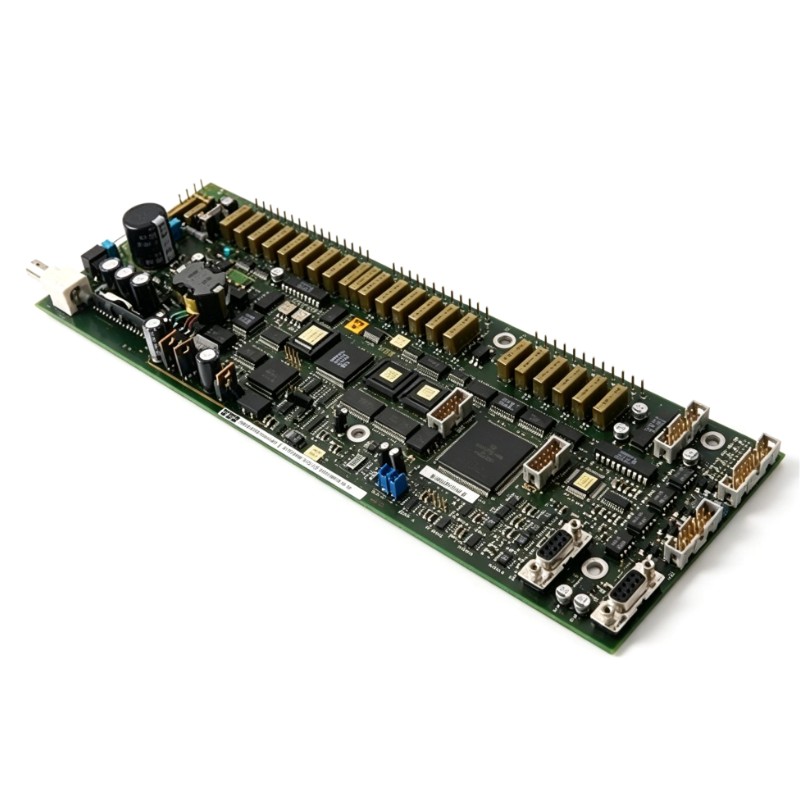
ABB 087629-001 circuit board installation issues are most often caused by backplane contact instability, unstable 24V DC supply, or incorrect rack compatibility, rather than actual PCB hardware failure. In real ABB DCS environments, especially in process control cabinets, many “dead board” cases are resolved by reseating or correcting system-level configuration instead of replacing the module.
ABB 087629-001 Circuit Board Role in Control System
The ABB 087629-001 circuit board is typically used in ABB industrial control and automation rack systems where it handles signal processing, communication interfacing, or internal control logic distribution depending on system architecture.
In field applications, it is commonly found in:
- ABB DCS control cabinets
- PLC-based hybrid automation systems
- Industrial I/O communication racks
- Process signal conditioning assemblies
In one chemical dosing system retrofit, this board was responsible for relaying analog input signals from flow sensors into the main controller. Any instability directly affected dosing accuracy.
Installation Preparation and System Checks
Before installing or replacing the board, field engineers usually focus on system-level conditions rather than the board itself:
- Verify stable 24V DC supply under load conditions
- Confirm rack model compatibility with board revision
- Inspect backplane slot for oxidation, dust, or mechanical wear
- Ensure cabinet grounding resistance is within acceptable range
- Check for nearby high-frequency noise sources (VFDs, large motors)
In one pulp and paper plant case, intermittent faults were traced back to oxidation on the backplane contacts rather than any electronic defect.
Field Installation Practice and Mechanical Handling
ABB circuit boards are highly sensitive to mechanical seating quality in rack systems.
Typical field installation sequence:
- Fully isolate system power before intervention
- Align board with rack guide rails carefully
- Insert slowly to ensure full backplane engagement
- Lock mechanical retention latch firmly
- Restore power and observe initialization behavior
- Confirm communication recovery with PLC/DCS system
In one real commissioning case, partial insertion caused repeated “module not responding” alarms, which disappeared immediately after proper reseating.
Commissioning Behavior and System Validation
After installation, a healthy ABB 087629-001 board should show:
- Stable startup without reset loops
- Normal communication with controller system
- No intermittent signal drop during load changes
- Consistent I/O response under process variation
Field observation example:
A control cabinet in a water treatment facility showed random signal loss every 10–15 minutes. After inspection, the issue was linked to cabinet vibration loosening the board seating slightly on the backplane. Once mechanically secured, the system ran continuously for over 72 hours without interruption.
Common Installation Risks in Real Projects
- Loose rack locking mechanism under vibration conditions
- Shared unstable DC supply with inductive loads
- Incorrect board revision installed in mismatched ABB system family
- EMI interference from nearby VFD drives
- Aging or oxidized backplane connectors
These issues are frequently misdiagnosed as “board failure” during initial troubleshooting.