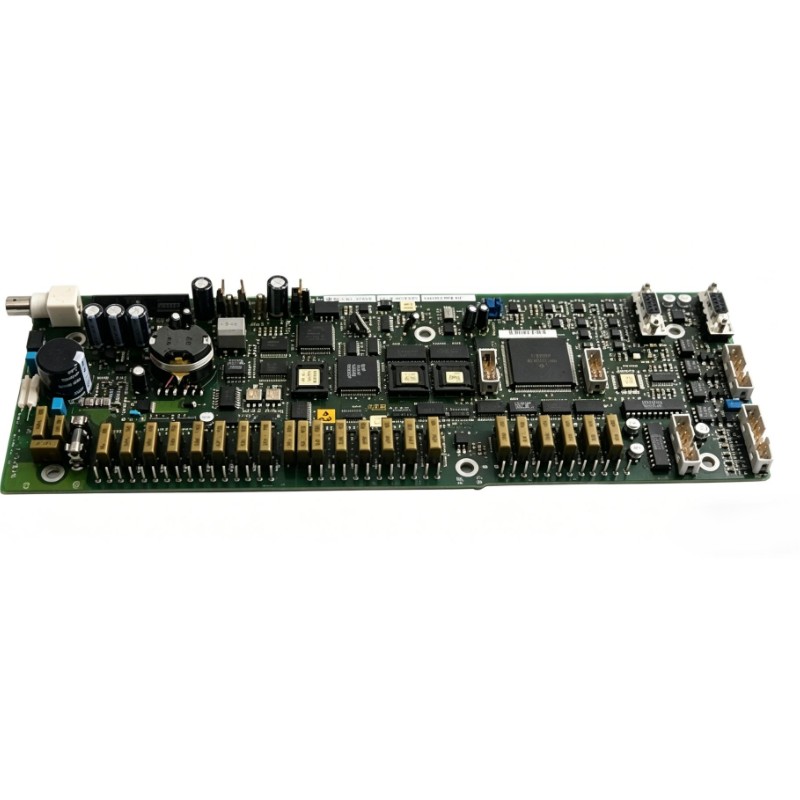
ABB 087629-001 Circuit Board Troubleshooting Guide (Signal Loss, Reset Faults & Communication Issues)
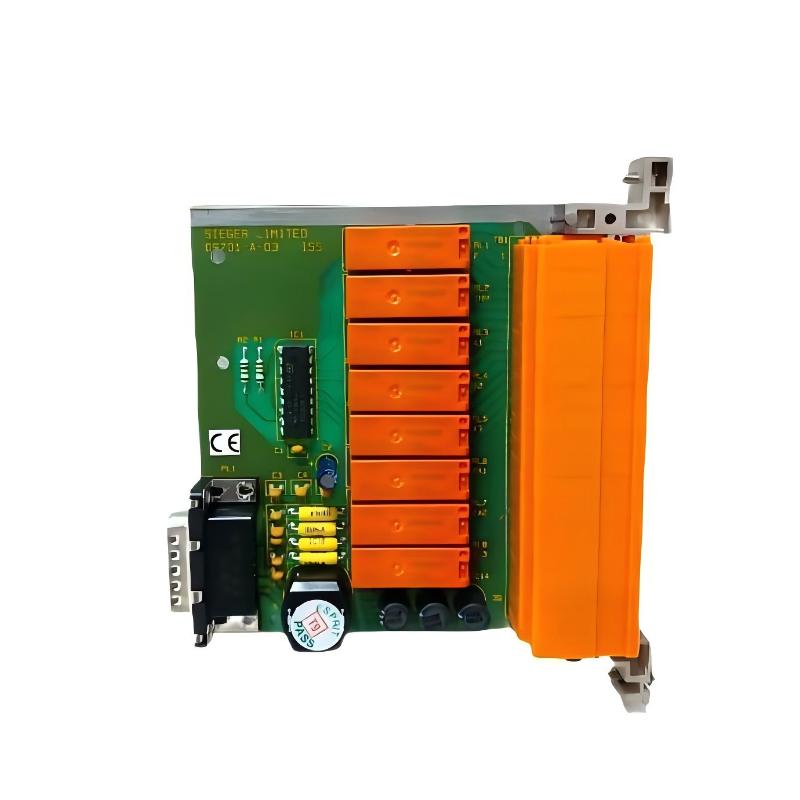
ABB 087629-001 circuit board faults are generally caused by power instability, backplane communication interruption, or electromagnetic interference, rather than internal PCB damage. In ABB control systems, true hardware failure is less common than system-level integration issues.
Fault Symptoms Observed in Industrial Applications
Typical field symptoms include:
- Module not detected in PLC or DCS scan
- Random communication timeout alarms
- Intermittent input/output signal loss
- Unexpected system reset or watchdog restart
- Stable system idle state but failure under load conditions
In one refinery monitoring system, the operator reported complete signal loss while the controller CPU remained fully functional.
Engineering Fault Diagnosis Approach
Instead of replacing the board directly, engineers typically follow a layered diagnostic logic:
Power behavior analysis
Check whether 24V DC supply drops during motor start or valve switching cycles.
Backplane communication check
Verify whether other modules in the same rack remain stable.
Isolation test
Move board to another slot or substitute with identical module if available.
Noise environment evaluation
Inspect proximity to VFD output cables, relays, or high-current switching devices.
In one compressor station case, communication dropouts were traced to EMI spikes generated during large motor startup.
Real Field Case Analysis
A typical case in a water treatment plant:
Symptom: intermittent module reset every 20 minutes
Initial assumption: faulty ABB circuit board
Observation: resets correlated with pump motor activation
Measurement: voltage dropped to 21.0–21.5V during load peaks
Root cause: shared 24V DC supply with high inductive load circuit
Corrective actions:
- Installed dedicated power supply for control rack
- Improved grounding system layout
- Separated control wiring from power cables
Result: system operated continuously for more than 100 hours without reset events.
Repair and Recovery Actions in Field Practice
Common corrective measures include:
- Reseating board into rack backplane
- Cleaning connector contacts to remove oxidation
- Replacing unstable or undersized 24V power supply
- Improving grounding structure of control cabinet
- Rerouting cables away from EMI sources
In many real-world cases, simple reseating resolves the issue immediately without component replacement.
Field Engineering Insight (EEAT Perspective)
From industrial automation experience:
- Most ABB board failures are actually system integration problems
- Power quality is a more critical factor than PCB condition
- Mechanical rack issues often cause more faults than electronics
- True board failure is relatively rare unless surge or overheating occurs
In ABB DCS environments, correct diagnosis always starts from power → backplane → communication → board, not the reverse.