Siemens Advances Industrial AI and Edge Computing Strategy in Smart Manufacturing
Introduction
Siemens is accelerating its industrial automation strategy with a strong focus on artificial intelligence, edge computing, and digital twin technologies. In 2026, the company continues to expand its Industrial Edge ecosystem to support more flexible, data-driven, and intelligent manufacturing environments.
Industrial Edge Expansion
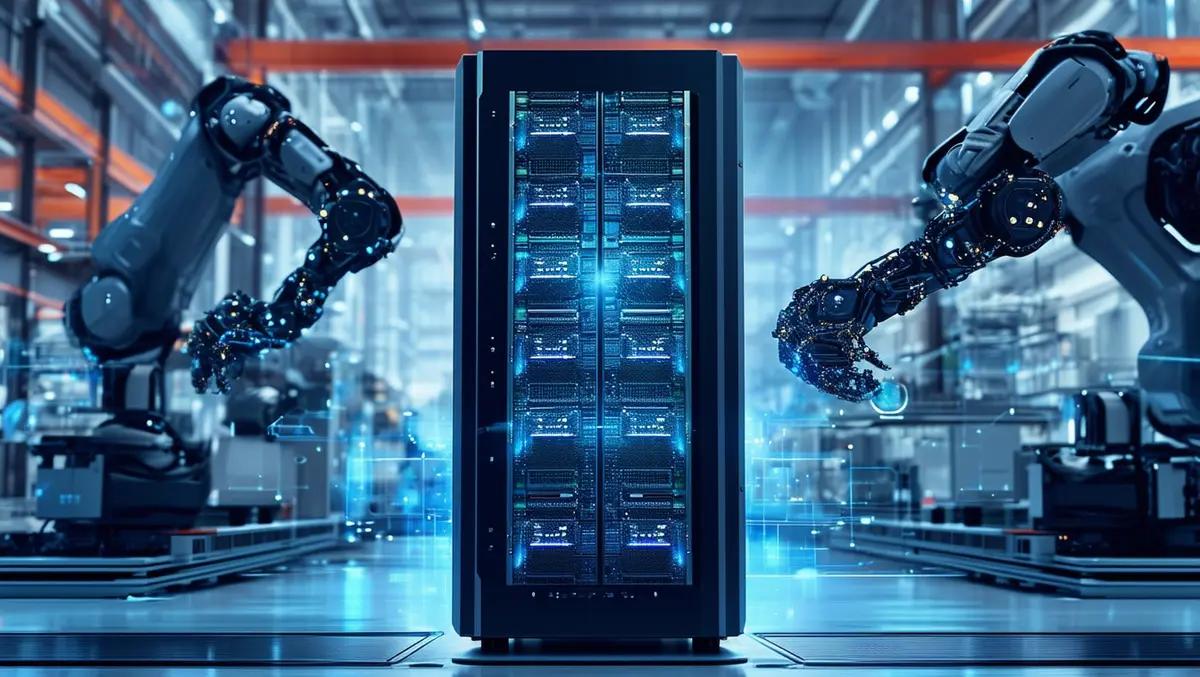
Siemens is strengthening its Industrial Edge platform to enable real-time data processing directly at factory sites. This reduces dependency on centralized cloud systems and improves responsiveness in industrial operations.
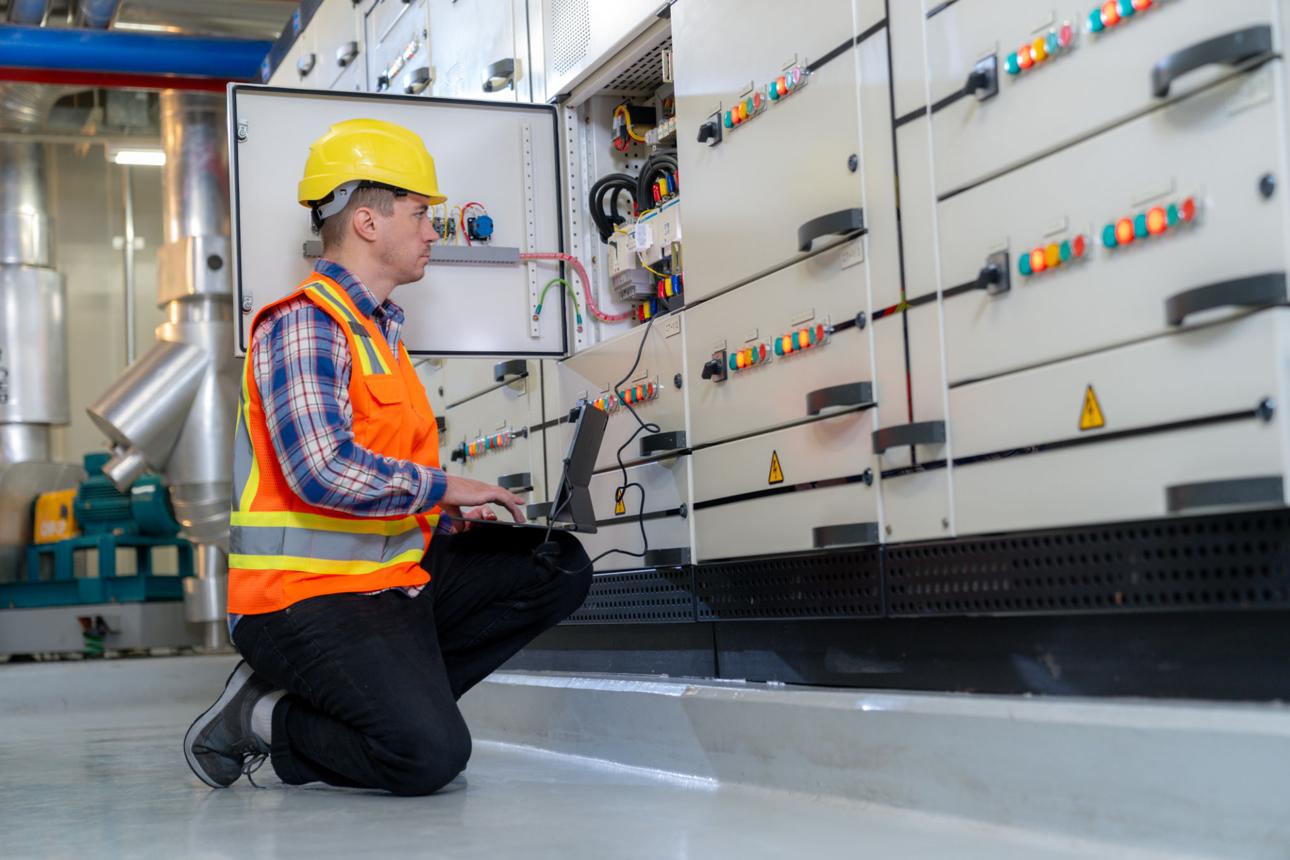
The system allows manufacturers to process production data locally, integrate AI applications, and connect seamlessly with PLC and SCADA systems.
Artificial Intelligence in Manufacturing
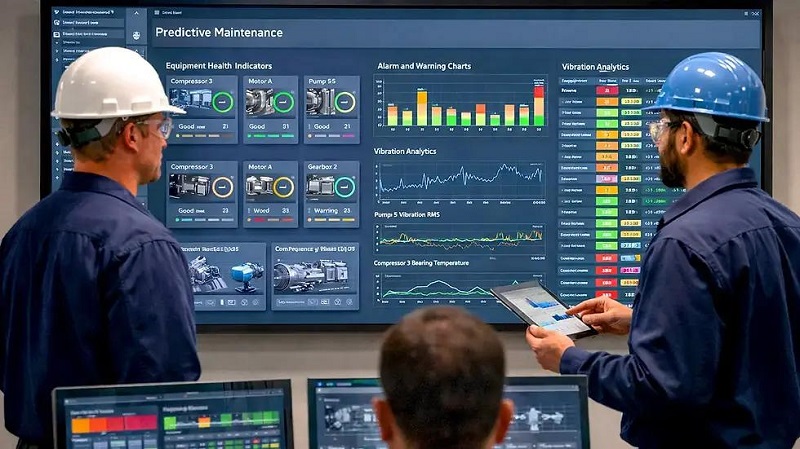
AI is becoming a central part of Siemens’ industrial strategy. It is widely used for predictive maintenance, quality inspection, energy optimization, and process improvement.
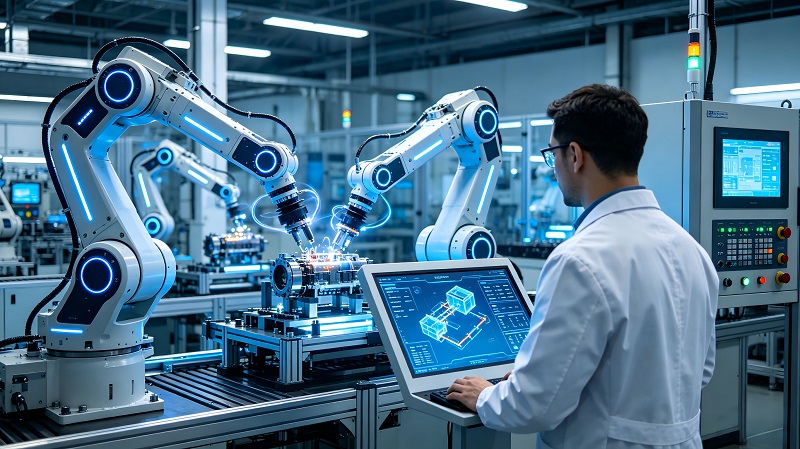
By embedding AI into industrial systems, manufacturers can make faster and more accurate decisions based on real-time production data.
Digital Twin Applications
Digital twin technology plays an important role in Siemens’ automation ecosystem. It enables manufacturers to simulate production systems, monitor operations in real time, and optimize industrial processes before physical implementation.
PLC and Automation Integration
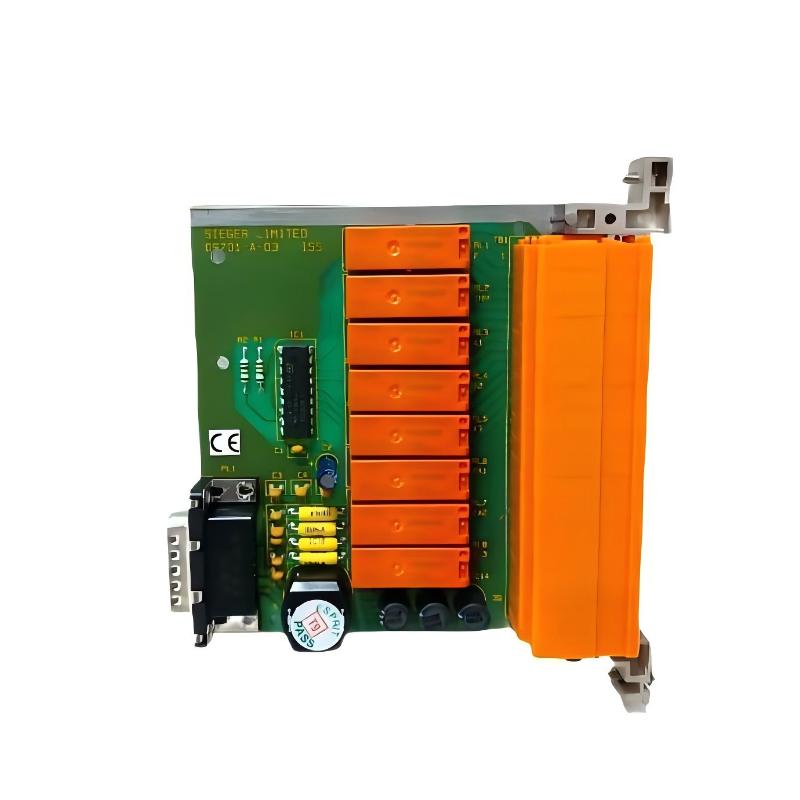
Traditional PLC systems remain essential in industrial automation. Siemens continues to integrate PLC systems with edge computing, SCADA platforms, and AI-based analytics to create hybrid automation architectures.
Industry Impact
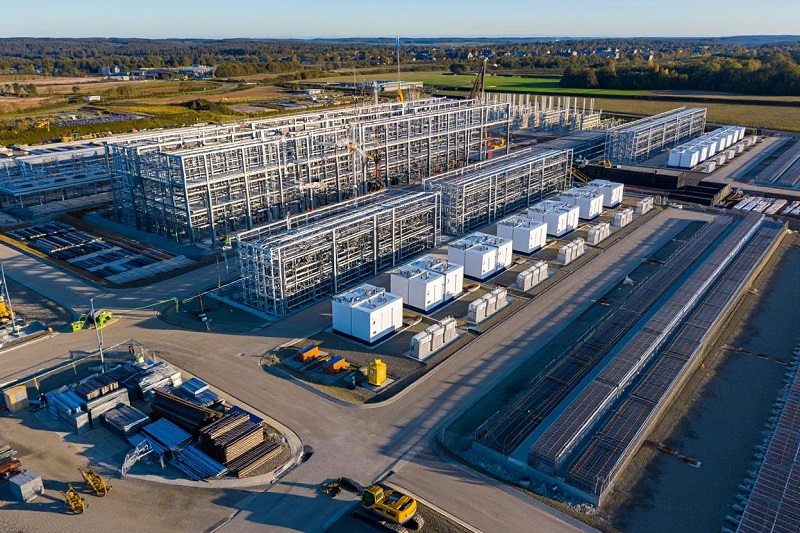
These developments reflect a broader industrial trend toward connected, intelligent, and software-driven manufacturing systems. The combination of AI, edge computing, and digital twins is reshaping how factories operate globally.
Conclusion
Siemens continues to lead industrial automation transformation by integrating AI and edge technologies into modern manufacturing systems, enabling smarter and more efficient industrial operations.