ABB Strengthens Industrial Automation Modernization Through Digital Transformation and Energy Optimization
Introduction
ABB continues to advance its industrial automation strategy by focusing on digital transformation, system modernization, and energy efficiency improvements. In 2026, industrial companies are increasingly seeking ways to upgrade aging automation infrastructure without interrupting production.
This trend is especially strong in industries such as power generation, oil and gas, manufacturing, and process automation.
Industrial System Modernization Strategy
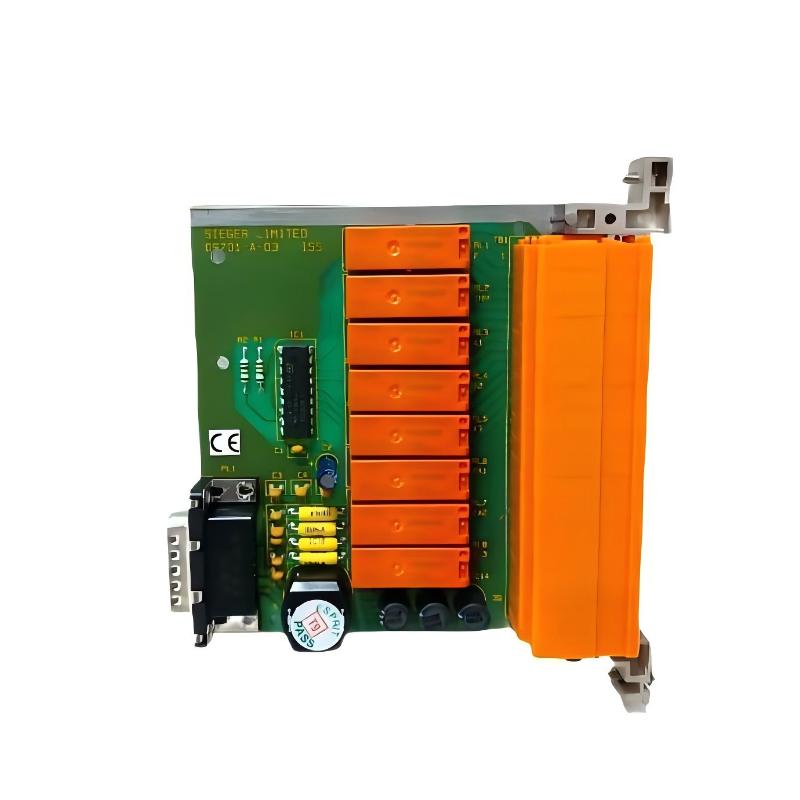
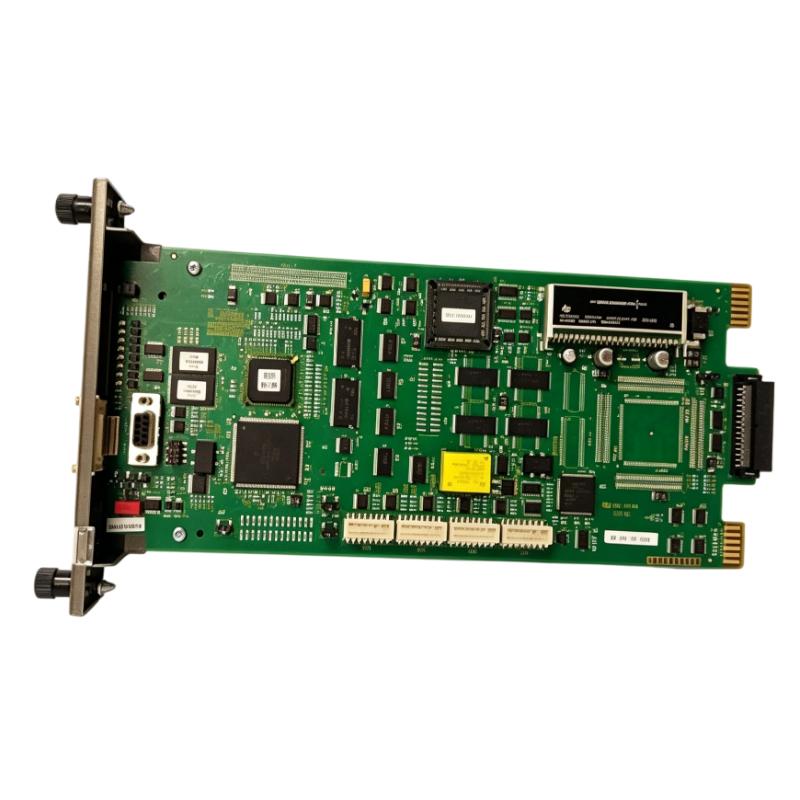
Many industrial facilities still operate legacy <u>PLC and DCS systems</u> that have been in use for decades. While these systems remain stable, they often lack modern connectivity and digital capabilities.
ABB’s modernization strategy focuses on upgrading existing systems step by step rather than replacing entire infrastructures.
This approach allows industries to:
- Extend the lifecycle of existing automation systems
- Reduce downtime during upgrades
- Maintain compatibility with legacy equipment
- Improve system flexibility over time
Digital Transformation in Industrial Automation
ABB is supporting the transition toward more connected industrial environments through digital transformation technologies.
Modern industrial systems are now integrating:
- Real-time production data collection
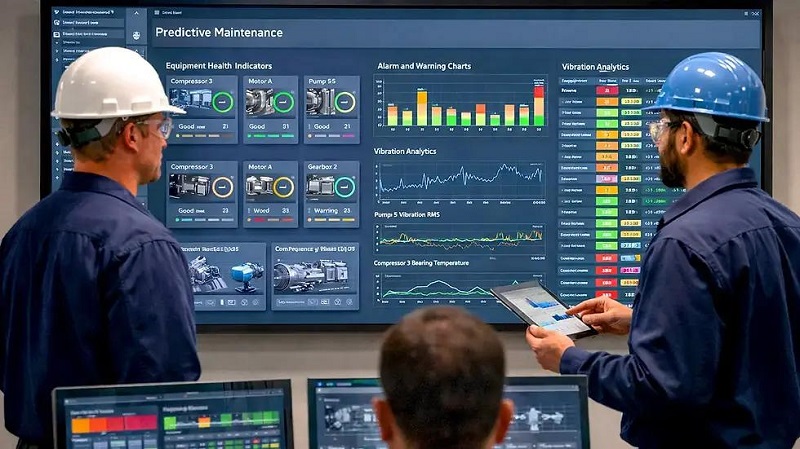
- Remote monitoring and diagnostics
- Cloud-based analytics platforms
- Industrial IoT connectivity
These technologies improve operational visibility and efficiency across production systems.
Energy Efficiency and Sustainability Focus
Energy optimization has become a major priority in industrial automation.
ABB is helping industries reduce energy consumption by improving control system efficiency and integrating smart energy monitoring tools.
Key focus areas include:
- Optimization of motor control systems
- Reduction of energy waste in production processes
- Monitoring of real-time energy usage
- Supporting sustainability and carbon reduction goals
Integration with PLC and SCADA Systems
Traditional <u>PLC and SCADA systems</u> remain essential components of modern industrial automation.
In ABB-supported environments:
- PLC systems handle real-time machine control
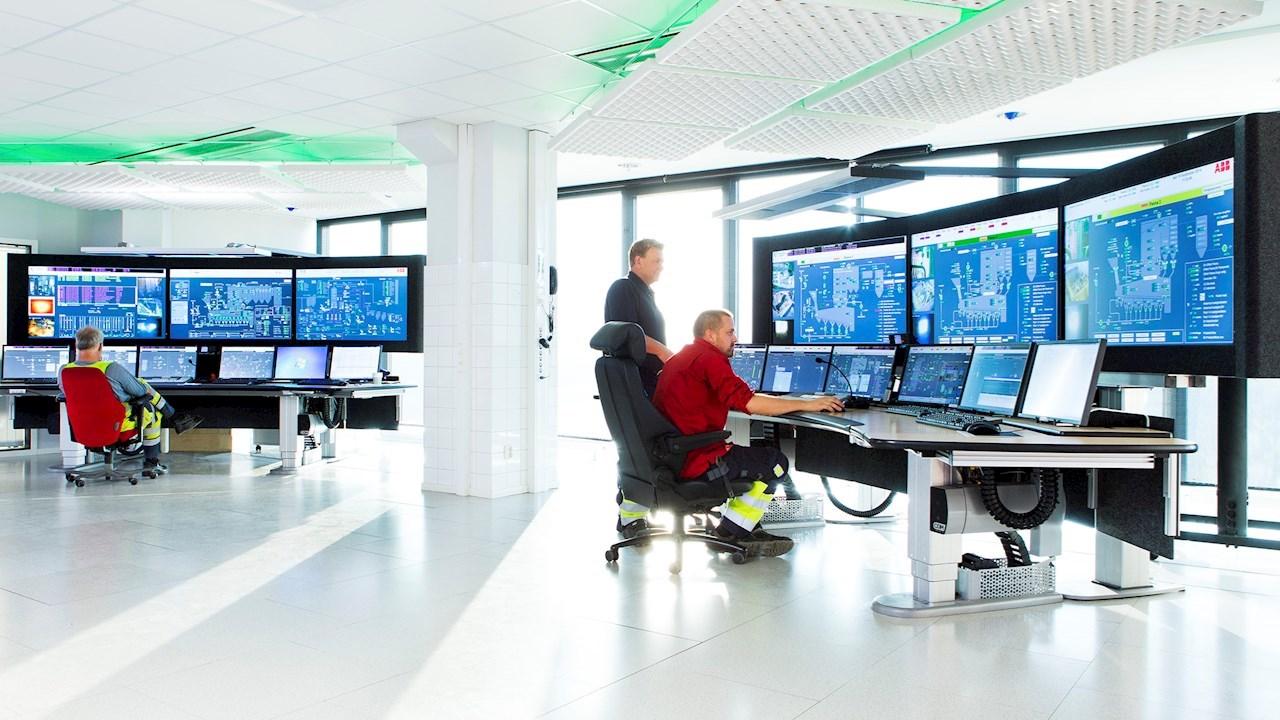
- SCADA systems provide monitoring and visualization
- Digital platforms enable analytics and optimization
These systems are being integrated into unified industrial architectures rather than replaced.
Cybersecurity in Connected Industrial Systems
As industrial systems become more connected, cybersecurity has become a critical concern.
ABB focuses on:
- Secure communication between industrial systems
- Network segmentation between IT and OT environments
- Access control and authentication mechanisms
- Compliance with industrial cybersecurity standards
These measures help ensure safe and stable industrial operations.
Conclusion
ABB’s industrial automation strategy is centered on digital modernization, energy efficiency, and lifecycle extension of existing systems. By enabling gradual upgrades instead of full replacements, ABB supports industries in achieving digital transformation while maintaining operational stability.