ABB Launches Next-Generation DCS System to Accelerate Industrial Automation Digital Transformation in 2026
Advanced Distributed Control Systems Bring AI, Cloud Connectivity, and Flexible Automation to Modern Industries
The global industrial automation industry is entering a new stage of digital transformation in 2026, with Distributed Control Systems (DCS), Programmable Logic Controllers (PLC), Industrial Internet of Things (IIoT), and artificial intelligence becoming increasingly integrated into modern manufacturing environments.
One of the most important developments in the automation sector is the continuous evolution of advanced DCS platforms designed to help industries modernize their operations while maintaining reliability, safety, and long-term system stability.
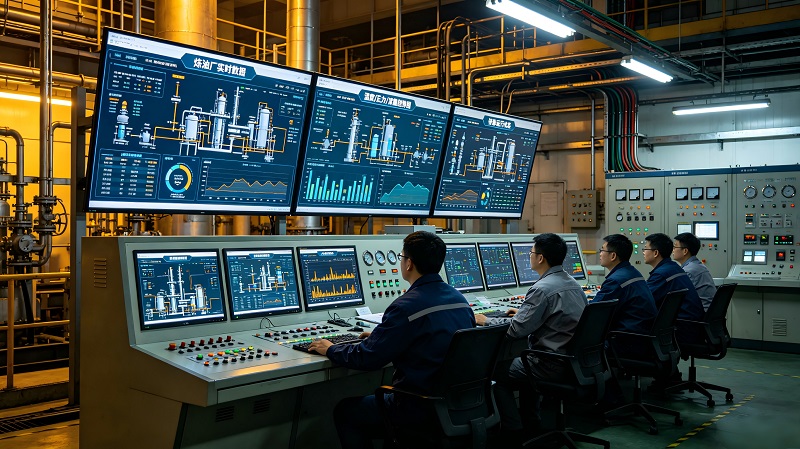
ABB has introduced the latest evolution of its ABB Ability™ System 800xA® DCS platform, focusing on modernization, digital integration, virtualization support, and long-term operational continuity. The new generation of DCS technology represents a significant step toward future-ready industrial automation systems that combine traditional process control with advanced digital capabilities.
For industries such as oil and gas, chemical processing, power generation, mining, water treatment, and pharmaceutical manufacturing, upgrading automation infrastructure has always been a complex challenge. Many factories operate control systems that have been running for decades, making modernization difficult because production downtime can create significant financial losses.
The latest DCS innovations are designed to solve this challenge by allowing companies to upgrade automation capabilities gradually without completely replacing existing infrastructure.
The Evolution of Traditional DCS Toward Intelligent Automation Platforms
Traditional Distributed Control Systems have been the foundation of process automation for more than 40 years. They provide centralized monitoring, process control, alarm management, and operational safety for large industrial facilities.
However, modern factories require much more than basic process control.
Today’s industrial operators need automation systems that can:
- Collect and analyze massive amounts of production data
- Support remote monitoring and maintenance
- Integrate artificial intelligence technologies
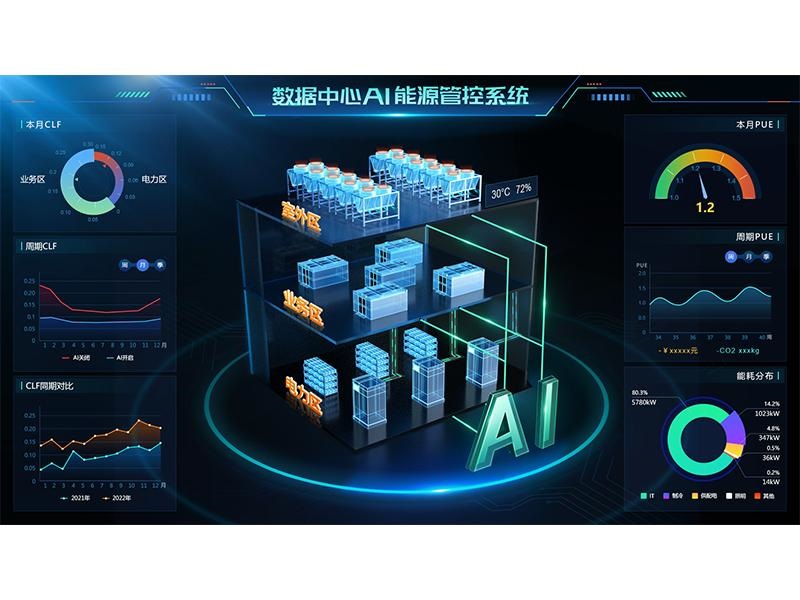
- Improve energy efficiency
- Enhance cybersecurity protection
- Connect with cloud and edge computing platforms
The new generation of DCS platforms is transforming from a simple control system into a complete industrial digital ecosystem.
Modern DCS solutions combine:
- Process control
- SCADA functionality
- Industrial networking
- Data analytics
- Asset management
- Artificial intelligence
- Digital twin technologies
This transformation allows manufacturers to improve productivity while reducing operational costs.
Why Modern Industries Need Advanced DCS Technology
Industrial companies worldwide are facing increasing pressure to improve efficiency and remain competitive.
Several major trends are accelerating DCS modernization:
1. Aging Industrial Infrastructure
Many factories still rely on automation systems installed 15 to 30 years ago. Although these systems remain reliable, they often lack modern connectivity and advanced analytical capabilities.
Replacing an entire control system can require significant investment and long production shutdowns.
Modern DCS platforms provide a migration path that allows companies to upgrade step-by-step.
This approach helps manufacturers:
- Reduce project risks
- Protect existing investments
- Maintain production continuity
- Introduce new digital technologies gradually
2. Growing Demand for Industrial Digitalization
Industry 4.0 has changed the expectations of manufacturers.
Factories are no longer only looking for automatic control. They want intelligent automation systems capable of making data-driven decisions.
A modern DCS system can collect information from:
- Sensors
- PLC controllers
- Motors
- Drives
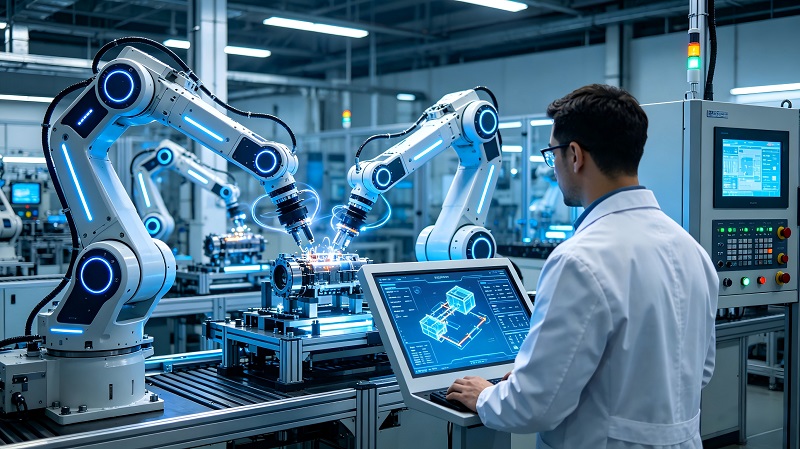
- Robots
- Production equipment
This data can then be analyzed to optimize:
- Production speed
- Equipment performance
- Energy consumption
- Maintenance schedules
The result is a smarter and more efficient manufacturing environment.
Software-Defined Automation Changes the Future of Control Systems
One of the biggest trends in industrial automation is the movement toward software-defined architectures.
Traditional automation systems depend heavily on dedicated hardware controllers. Software-defined automation separates control functions from specific hardware platforms, creating greater flexibility.
Schneider Electric has also announced its open software-defined DCS approach through EcoStruxure Foxboro Software Defined Automation, highlighting the industry's movement toward open, flexible, and cybersecurity-focused control architectures.
This technology direction allows companies to:
- Run automation applications in flexible environments
- Improve system scalability
- Integrate cloud platforms more easily
- Reduce dependency on specific hardware
For automation engineers, this means future PLC and DCS projects will require stronger knowledge of both industrial control and software technologies.
AI Integration Becomes a Key Feature of Industrial Automation
Artificial intelligence is becoming one of the most important technologies influencing automation development.
In modern industrial environments, AI can support:
Predictive Maintenance
AI algorithms analyze equipment data to identify potential failures before they happen.
For example:
- Motor vibration analysis
- Temperature monitoring
- Pump performance tracking
- Energy consumption analysis
This helps factories reduce unexpected downtime.
Intelligent Process Optimization
Traditional automation systems follow predefined control logic.
AI-enabled systems can analyze historical and real-time data to recommend better operating conditions.
Applications include:
- Chemical process optimization
- Energy management
- Production scheduling
- Quality improvement
Automation Engineering Assistance
Artificial intelligence is also changing how engineers design and maintain PLC and DCS systems.
Future engineering platforms may help with:
- Control logic development
- System documentation
- Troubleshooting
- Simulation testing
- Configuration management
This does not replace automation engineers but improves engineering efficiency.
PLC and DCS Integration Becomes the New Industry Standard
Historically, PLC and DCS systems served different purposes.
PLC systems were mainly used for:
- Machine automation
- Packaging systems
- Assembly lines
- Motion control
DCS systems were mainly used for:
- Continuous process industries
- Large-scale production plants
- Complex process control
However, the difference between PLC and DCS is becoming smaller.
Modern factories increasingly require integrated automation architectures where:
PLC + DCS + SCADA + MES + Cloud platforms work together.
This creates a unified industrial automation environment.
The future factory will not rely on isolated control systems. Instead, it will operate as a connected digital ecosystem.
Cybersecurity Becomes Essential for Industrial Control Systems
As automation systems become more connected, cybersecurity has become a critical concern.
Industrial facilities must protect:
- PLC networks
- DCS controllers
- SCADA systems
- Industrial communication networks
- Remote access systems
Modern automation platforms are increasingly designed with:
- Secure communication protocols
- Network segmentation
- User authentication
- Data encryption
- Continuous monitoring
Cybersecurity is now considered a fundamental part of automation system design.
Future Outlook of DCS and Industrial Automation
The future of industrial automation will be defined by intelligent, connected, and flexible control systems.
In the coming years, industries will continue investing in:
- Advanced DCS platforms
- Virtual PLC technology
- Industrial AI solutions
- Edge computing
- Digital twins
- Smart manufacturing systems
Companies that successfully modernize their automation infrastructure will achieve:
- Higher production efficiency
- Lower maintenance costs
- Better energy management
- Improved operational reliability
The next generation of industrial automation is not only about controlling machines. It is about creating intelligent factories capable of learning, optimizing, and adapting.
DCS technology will remain a critical foundation of this transformation, connecting industrial processes with the digital future.