Global Industrial Automation Market Moves Toward Intelligent PLC, DCS and IIoT Integration in 2026
Smart Manufacturing, Industrial IoT, and Digital Transformation Drive the Next Generation of Automation Systems
The global industrial automation industry is entering a new era in 2026 as manufacturers continue investing in intelligent control systems, advanced PLC technology, Distributed Control Systems (DCS), Industrial Internet of Things (IIoT), and digital transformation solutions.
Across industries such as manufacturing, energy, automotive, food processing, pharmaceuticals, chemicals, and infrastructure, companies are upgrading their automation systems to improve efficiency, reduce operating costs, and create more flexible production environments.
The traditional automation model based on isolated PLC controllers, standalone SCADA systems, and independent control networks is gradually evolving into an interconnected industrial ecosystem where machines, controllers, sensors, software platforms, and cloud technologies work together.
This transformation is creating new opportunities for automation suppliers, system integrators, PLC manufacturers, DCS engineers, and industrial technology companies worldwide.
Industrial Automation Enters a New Digital Transformation Phase
Industrial automation has always been focused on improving productivity and reliability. However, modern factories now require much more than automatic machine operation.
Manufacturers today need systems that can:
- Monitor production performance in real time
- Predict equipment failures before downtime occurs
- Optimize energy consumption
- Improve product quality
- Support remote operation
- Connect multiple production facilities globally
These requirements are accelerating the adoption of intelligent automation solutions.
The modern industrial automation architecture is becoming a combination of:
- PLC control systems
- DCS process automation
- SCADA monitoring platforms
- Industrial networks
- Edge computing
- Cloud platforms
- Artificial intelligence
This integrated approach represents the future direction of smart manufacturing.
PLC Technology Continues to Be the Foundation of Factory Automation
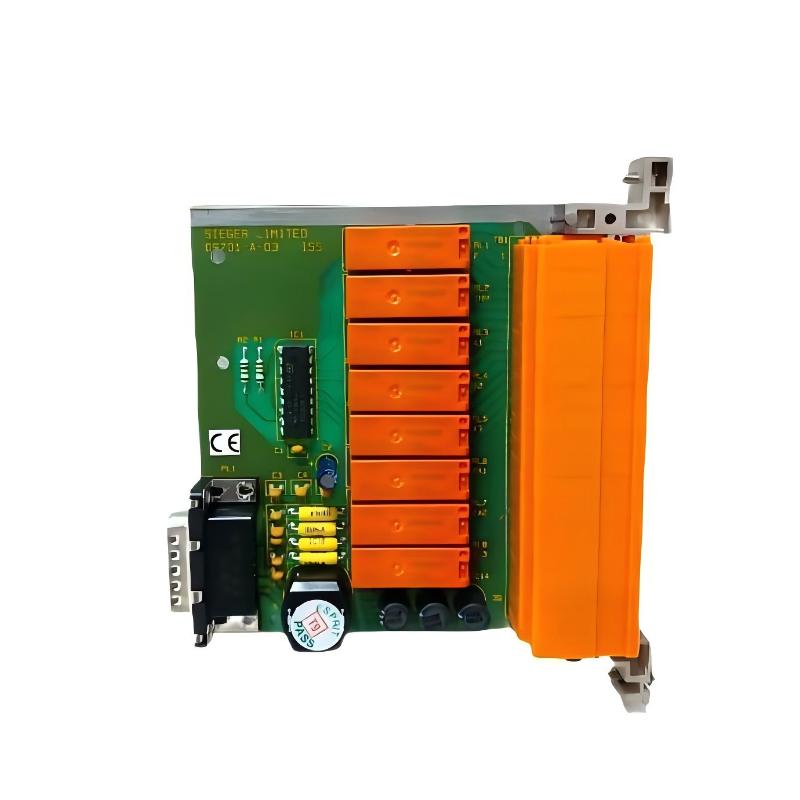
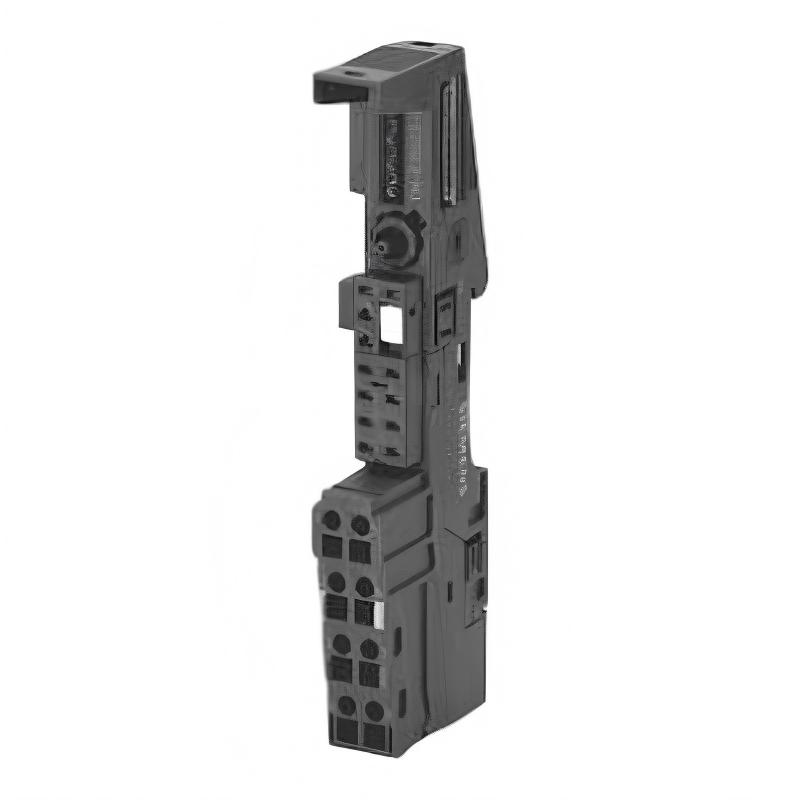
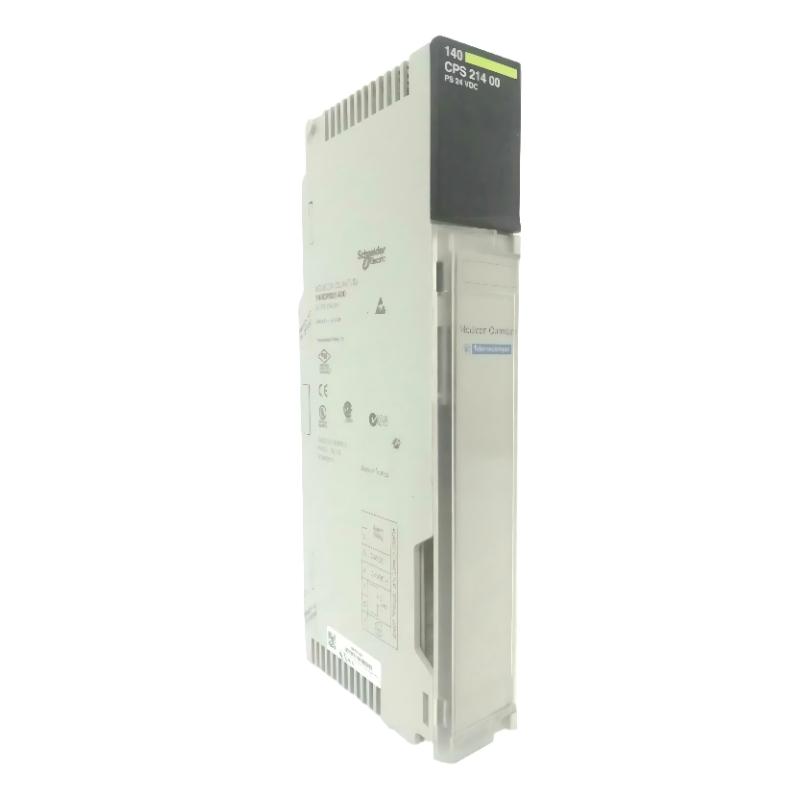
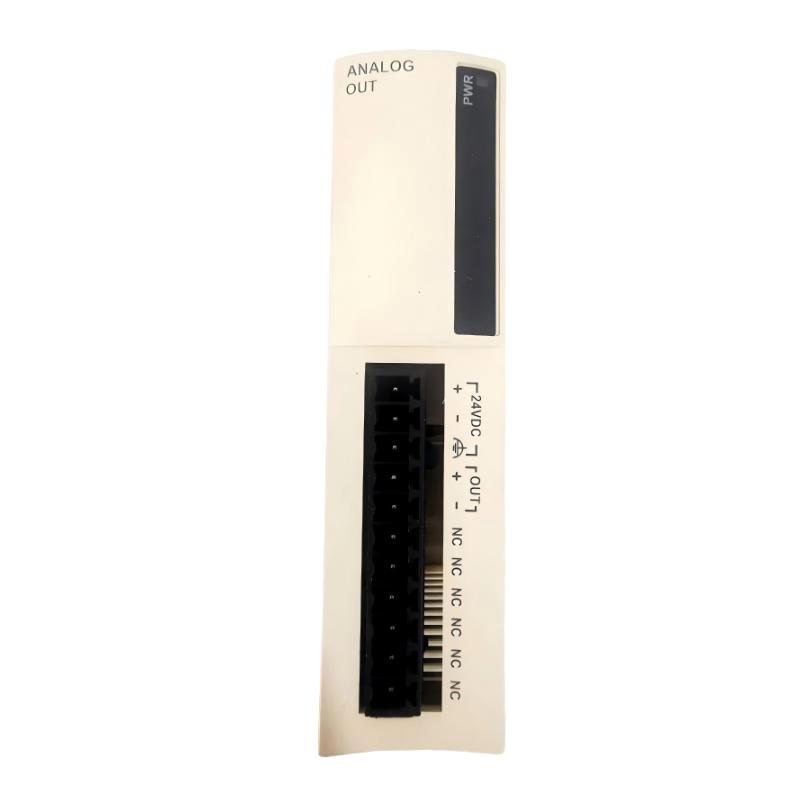
Although new technologies are emerging, PLC systems remain one of the most important components of industrial automation.
Programmable Logic Controllers continue to provide reliable control for:
- Manufacturing machines
- Assembly lines
- Packaging equipment
- Conveyor systems
- Robotics applications
- Motion control systems
Modern PLC platforms are becoming more powerful, with advanced communication capabilities and improved processing performance.
Today’s PLC systems are increasingly connected with:
- Industrial Ethernet networks
- Cloud platforms
- MES systems
- ERP systems
- AI analytics platforms
This evolution allows PLC controllers to become not only control devices but also important data sources for intelligent manufacturing.
DCS Systems Expand Beyond Traditional Process Control
Distributed Control Systems have traditionally dominated large process industries, including:
- Oil and gas
- Chemical plants
- Power generation
- Water treatment
- Mining operations
However, modern DCS platforms are expanding their capabilities.
The latest generation of DCS technology includes:
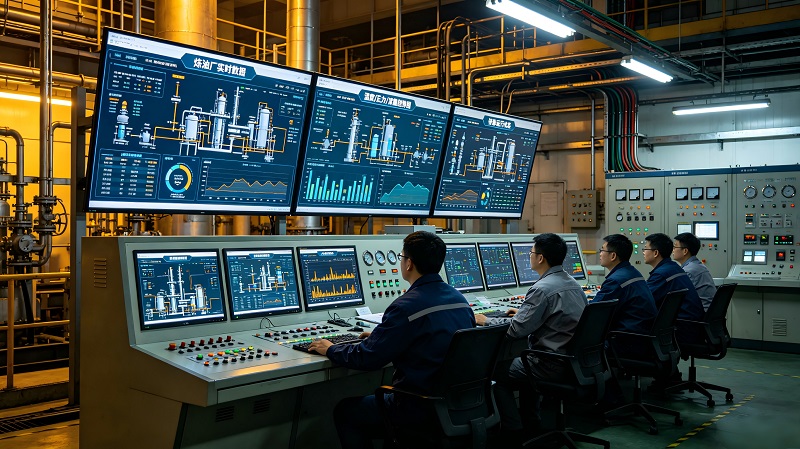
- Advanced visualization
- Integrated asset management
- Remote operation
- Digital twin support
- Artificial intelligence analytics
- Cybersecurity protection
DCS systems are becoming comprehensive industrial management platforms rather than simple process controllers.
PLC and DCS Integration Becomes a Major Industry Trend
One of the biggest developments in industrial automation is the increasing integration between PLC and DCS systems.
Historically, PLC and DCS technologies were separated by application type.
PLC systems were mainly used for:
- Discrete manufacturing
- Machine automation
- Fast sequence control
DCS systems were mainly used for:
- Continuous processes
- Large industrial plants
- Complex process management
However, modern factories require both types of control technology.
A typical advanced industrial facility may include:
- PLC systems controlling machines
- DCS systems managing processes
- SCADA systems collecting operational data
- MES platforms managing production information
- Cloud systems analyzing performance
The integration of these technologies creates a complete digital manufacturing environment.
Industrial IoT Becomes the Connection Between Machines and Data
Industrial Internet of Things (IIoT) technology is one of the strongest drivers behind automation development.
IIoT enables industrial equipment to collect, exchange, and analyze data.
Connected devices include:
- Sensors
- Motors
- Variable frequency drives
- PLC controllers
- Robots
- Industrial equipment
The collected data helps companies understand how their factories operate.
With IIoT technology, manufacturers can achieve:
Improved Equipment Monitoring
Real-time equipment data allows operators to identify performance problems quickly.
Predictive Maintenance
Data analysis helps predict equipment failures before they happen.
Energy Optimization
Factories can analyze energy usage and reduce unnecessary consumption.
Production Improvement
Manufacturers can identify production bottlenecks and improve efficiency.
Artificial Intelligence Becomes a Key Element of Industrial Automation
Artificial intelligence is becoming increasingly important in industrial environments.
AI technologies are being applied to:
- Machine vision inspection
- Predictive maintenance
- Process optimization
- Quality control
- Production planning
- Automation troubleshooting
For example, AI-based systems can analyze thousands of equipment data points and identify patterns that humans may not easily detect.
In process industries, AI can help optimize:
- Temperature control
- Pressure management
- Chemical processes
- Energy consumption
In manufacturing industries, AI can improve:
- Product quality
- Production speed
- Defect detection
The combination of automation and AI is creating a new generation of intelligent factories.
Industrial Cybersecurity Becomes a Strategic Priority
As industrial automation systems become more connected, cybersecurity has become one of the most important concerns for manufacturers.
Modern factories must protect:
- PLC networks
- DCS systems
- SCADA platforms
- Industrial communication systems
- Remote access connections
Automation companies are increasingly focusing on secure-by-design solutions.
Important cybersecurity features include:
- User authentication
- Data encryption
- Network segmentation
- Secure communication protocols
- Continuous monitoring
For industries operating critical infrastructure, cybersecurity is now as important as operational efficiency.
The Role of Industrial Communication Protocols
Communication technology is the foundation of modern automation systems.
Traditional industrial protocols are now being combined with modern communication technologies.
Important industrial communication technologies include:
- OPC UA
- MQTT
- Industrial Ethernet
- PROFINET
- EtherNet/IP
- Modbus TCP
These technologies allow different automation devices and software platforms to exchange information efficiently.
Open communication standards are becoming increasingly important because companies want automation systems that can work together regardless of manufacturer.
The Growing Demand for Automation Engineers Worldwide
The development of intelligent automation systems is increasing demand for skilled engineers.
Modern automation professionals need knowledge in multiple areas:
Traditional Automation Skills
- PLC programming
- DCS configuration
- HMI design
- SCADA development
- Industrial commissioning
New Digital Skills
- Industrial networking
- Cloud platforms
- Cybersecurity
- Data analysis
- Artificial intelligence
- Digital twin technology
The future automation engineer will not only program controllers but also design complete intelligent industrial systems.
Future Development Trends of Industrial Automation in 2026 and Beyond
Several major trends will continue shaping the automation industry.
1. More Intelligent Control Systems
Automation systems will increasingly use AI algorithms to optimize operations automatically.
2. Greater Use of Cloud and Edge Computing
Industrial data processing will become faster and more flexible.
3. More Open Automation Platforms
Manufacturers will demand systems that support multiple technologies and vendors.
4. Increased Automation in Emerging Markets
Developing regions will continue investing heavily in manufacturing automation.
5. Sustainable Industrial Automation
Energy efficiency and environmental protection will become important factors in automation design.
Conclusion: The Future Belongs to Connected Intelligent Automation
The industrial automation industry is undergoing a fundamental transformation.
PLC, DCS, SCADA, IIoT, AI, and cloud technologies are no longer separate systems. They are becoming connected components of one intelligent industrial ecosystem.
For manufacturers, adopting advanced automation technology means:
- Higher productivity
- Lower operating costs
- Better quality control
- Improved safety
- Stronger global competitiveness
For automation suppliers and system integrators, the future market will be driven by companies that can provide complete solutions combining control systems, software, communication, and digital intelligence.
In 2026 and beyond, intelligent automation will continue to redefine how industries produce, manage, and optimize their operations.