AI, Digital Twin, and Advanced Control Technologies Transform the Future of Industrial Automation in 2026
Intelligent Automation Systems Combine PLC, DCS, Industrial IoT, and Artificial Intelligence to Create Next-Generation Smart Factories
The industrial automation industry is entering a new stage of development in 2026 as artificial intelligence, digital twin technology, advanced control systems, and industrial data platforms reshape the way factories and process plants operate.
For decades, automation technology has focused on improving production efficiency, reliability, and safety through PLC controllers, Distributed Control Systems (DCS), SCADA platforms, and industrial networks.
Today, the focus of automation is moving beyond traditional control.
Modern industries are developing intelligent automation environments where machines can collect information, analyze operating conditions, predict future performance, and support better decision-making.
The combination of artificial intelligence, digital twins, Industrial Internet of Things (IIoT), and advanced control technologies is creating a new generation of smart factories.
These intelligent production environments help manufacturers achieve:
- Higher operational efficiency
- Reduced downtime
- Improved product quality
- Lower energy consumption
- Faster production adaptation
- Better resource management
Industrial Automation Moves from Automatic Control to Intelligent Operation
Traditional automation systems were mainly designed to execute predefined instructions.
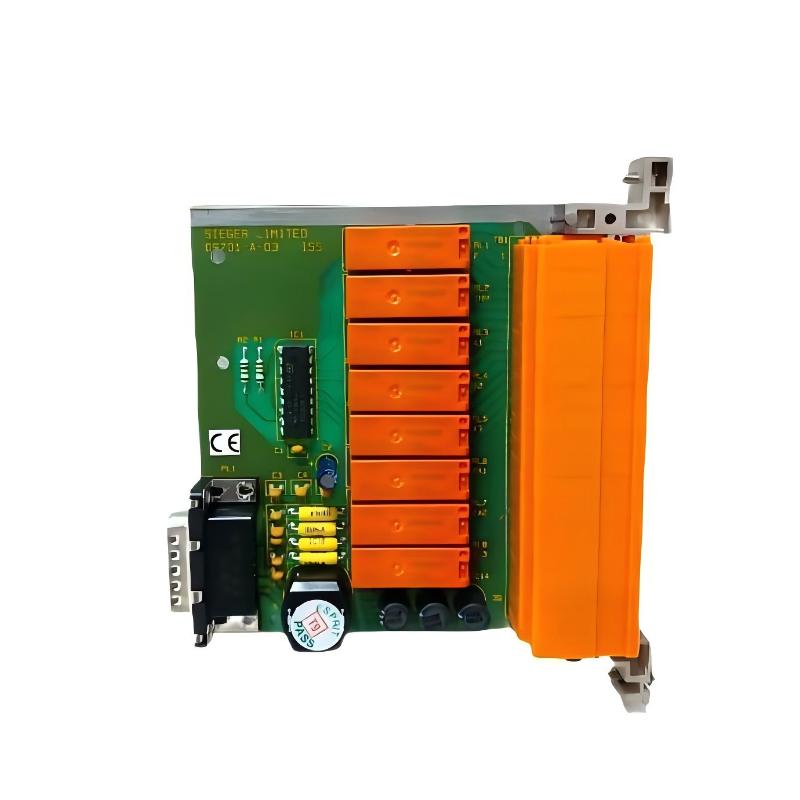
A PLC controller receives input signals, processes programmed logic, and sends commands to industrial equipment.
A DCS manages complex process operations according to configured control strategies.
These systems remain essential, but modern industries require more advanced capabilities.
Manufacturers today need automation systems that can:
- Understand production conditions
- Identify abnormal situations
- Optimize processes automatically
- Predict equipment problems
- Support real-time decision-making
This has created demand for intelligent automation technologies.
The future industrial environment will not only operate automatically but will also analyze information and continuously improve performance.
Artificial Intelligence Becomes a Core Technology in Industrial Automation
Artificial intelligence is becoming one of the most influential technologies in the automation industry.
AI allows industrial systems to process large amounts of operational data and identify patterns that traditional control methods may not detect.
Industrial AI applications are expanding rapidly in areas such as:
- Predictive maintenance
- Process optimization
- Quality inspection
- Energy management
- Production planning
- Intelligent troubleshooting
AI-Based Predictive Maintenance Reduces Equipment Downtime
Unexpected equipment failure is one of the biggest challenges for industrial companies.
Traditional maintenance methods usually rely on:
- Fixed maintenance schedules
- Manual inspections
- Operator experience
However, these approaches may not identify problems before failure occurs.
AI-based predictive maintenance uses data from industrial equipment to monitor performance continuously.
Sources of information include:
- Temperature sensors
- Vibration monitoring systems
- Motor performance data
- Pressure measurements
- Energy consumption information
AI algorithms analyze this data and identify early warning signals.
For example:
A motor may gradually develop abnormal vibration patterns.
An AI system can detect this change and notify maintenance teams before a serious failure occurs.
Benefits include:
- Reduced production interruption
- Lower maintenance costs
- Longer equipment lifetime
- Improved operational reliability
Digital Twin Technology Changes Industrial Engineering
Digital twin technology is becoming an important tool in modern industrial automation.
A digital twin creates a virtual representation of a physical asset, machine, production line, or industrial process.
Engineers can use digital twins to simulate and analyze real-world operations without affecting actual production.
Applications include:
Equipment Design
Before building new equipment, engineers can test performance through virtual simulation.
Production Optimization
Manufacturers can evaluate different production strategies digitally before implementing changes.
Maintenance Planning
Digital twins provide detailed information about equipment conditions and future performance.
Operator Training
Virtual environments allow operators to practice procedures safely.
PLC Systems Become More Intelligent Through Digital Integration
PLC technology remains the foundation of industrial automation.
However, modern PLC systems are becoming more advanced through integration with digital technologies.
Today’s intelligent PLC systems provide:
- Faster processing
- Advanced communication
- Data collection capability
- Remote diagnostics
- Integration with industrial software
PLC controllers are no longer isolated devices.
They are becoming important data sources within intelligent manufacturing systems.
A modern PLC environment may connect with:
- SCADA platforms
- MES systems
- Cloud applications
- AI analytics platforms
- Digital twin systems
This creates a complete automation ecosystem.
DCS Platforms Evolve Toward Intelligent Process Management
DCS systems continue to play a critical role in industries requiring continuous process control.
Industries such as:
- Chemical production
- Oil and gas
- Power generation
- Pharmaceutical manufacturing
- Water treatment
depend on DCS technology for safe and reliable operation.
Modern DCS platforms are expanding beyond traditional control functions.
They now support:
- Advanced process analysis
- Asset management
- Remote monitoring
- AI optimization
- Digital integration
The future DCS system will become not only a control platform but also an intelligent decision-support system.
The Importance of Industrial Data in Smart Manufacturing
Data has become one of the most valuable resources in modern factories.
Every industrial machine generates information.
Examples include:
- Operating temperature
- Production speed
- Equipment status
- Energy usage
- Product quality information
When properly collected and analyzed, this data helps companies improve operations.
Industrial data enables:
- Better production planning
- Faster troubleshooting
- Improved maintenance strategies
- Higher efficiency
This is why industrial communication networks and data platforms have become essential parts of automation projects.
Advanced Industrial Communication Supports Connected Automation
Smart factories require reliable communication between different systems.
Modern industrial environments depend on communication between:
- PLC controllers
- DCS platforms
- SCADA systems
- Sensors
- Robots
- Cloud systems
Important technologies include:
- Industrial Ethernet
- OPC UA
- MQTT
- PROFINET
- EtherNet/IP
These communication technologies allow different automation components to exchange information efficiently.
The future of automation depends on seamless connectivity.
Robotics and Intelligent Automation Create Flexible Production
Industrial robotics is another important factor influencing automation development.
Modern robots are becoming more intelligent through:
- Artificial intelligence
- Machine vision
- Advanced sensors
- Real-time data processing
Robotics applications include:
- Assembly
- Welding
- Packaging
- Inspection
- Material handling
When combined with PLC systems and AI technologies, robots can perform more complex tasks with greater flexibility.
This allows manufacturers to create adaptable production environments.
Cybersecurity Protects the Future of Intelligent Automation
The increasing intelligence and connectivity of industrial systems also create cybersecurity challenges.
Modern factories must protect:
- Control systems
- Industrial networks
- Production data
- Remote access connections
Automation cybersecurity strategies include:
- Secure communication
- Identity management
- Network segmentation
- Continuous monitoring
As industrial automation becomes more digital, cybersecurity will become an essential component of every automation project.
The Future Skills Required for Automation Engineers
The transformation of industrial automation is changing engineering requirements.
Future automation professionals will need knowledge in multiple areas.
Traditional skills remain important:
- PLC programming
- DCS configuration
- SCADA engineering
- Control system commissioning
New skills are becoming increasingly valuable:
- Artificial intelligence applications
- Industrial data analysis
- Cloud platforms
- Cybersecurity
- Digital twin technology
The future automation engineer will combine control engineering expertise with digital technology knowledge.
Future Outlook: Intelligent Automation Will Define Global Manufacturing
The future of industrial automation will be built on intelligent systems that combine:
- PLC technology
- DCS platforms
- Artificial intelligence
- Digital twins
- Industrial IoT
- Advanced communication networks
Manufacturers that successfully adopt these technologies will achieve significant advantages in:
- Productivity
- Efficiency
- Reliability
- Sustainability
- Market competitiveness
Industrial automation is moving toward a future where factories are not only automated but also intelligent.
Machines will communicate, systems will analyze information, and production processes will continuously improve.
The next generation of manufacturing will be defined by intelligent automation technologies that connect people, machines, and data.