Yokogawa Expands Industrial Automation into Robotics and Nuclear Energy Control Systems in 2026
Introduction
In 2026, Yokogawa Electric Corporation is expanding beyond traditional DCS and process automation markets into new high-growth areas including industrial robotics integration, nuclear energy control systems, and advanced edge computing controllers.
This strategic shift reflects the growing demand for autonomous industrial operations, where automation systems are no longer limited to process control but extend into inspection, maintenance, and intelligent decision-making across entire industrial ecosystems.
Expansion into Industrial Robotics Integration
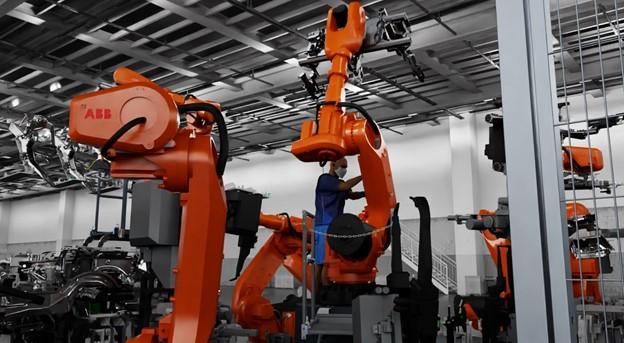
One of the most significant developments for Yokogawa in 2026 is its increasing involvement in industrial robotics integration systems.
Rather than manufacturing robots directly, Yokogawa focuses on connecting robotic inspection systems with industrial control platforms.
Key applications include:
- Autonomous inspection of pipelines and refinery assets
- AI-supported maintenance robotics coordination
- Integration of robots with DCS and SCADA environments
- Real-time data exchange between robots and control systems
This allows industrial plants to reduce human exposure to hazardous environments while improving inspection accuracy and frequency.
Nuclear Energy Control System Projects
Yokogawa is also strengthening its role in nuclear energy automation and control system infrastructure.
In 2026, global energy transition policies are increasing demand for safe, stable, and highly reliable nuclear plant automation systems.
Yokogawa’s involvement includes:
- Advanced reactor monitoring systems
- Safety-critical control system integration
- High-reliability data acquisition platforms
- Real-time operational safety analytics
These systems are designed to meet strict safety standards required in nuclear power environments, where reliability and redundancy are essential.
Edge Control Systems Become Strategic Focus
Another key direction is Yokogawa’s expansion of industrial edge controllers designed for real-time automation environments.
Modern edge systems allow:
- Local execution of control logic without cloud dependency
- Faster response times in critical processes
- Improved system resilience in remote plants
- Real-time analytics at machine level
These controllers are particularly useful in distributed industrial environments such as offshore platforms, remote pipelines, and energy grids.
Integration of PLC and Advanced Process Automation
While Yokogawa is primarily known for DCS systems, the company is increasingly supporting hybrid architectures combining PLC and process automation platforms.
In modern industrial environments:
- PLCs manage discrete equipment-level operations
- DCS handles continuous process control
- Edge controllers manage localized intelligence
- Central systems coordinate plant-wide optimization
This layered structure improves flexibility and scalability across different industries.
Digital Transformation of Industrial Assets
Yokogawa continues to push forward with its digital transformation strategy across global industries.
Key focus areas include:
- Lifecycle management of industrial assets
- AI-based predictive maintenance models
- Unified data platforms across multi-site operations
- Digital twin integration for process simulation
These capabilities help industrial operators extend equipment life while reducing operational costs.
Cybersecurity and Industrial Resilience
As industrial systems become more connected, cybersecurity remains a critical concern.
Yokogawa’s modern automation solutions include:
- Secure industrial communication protocols
- Multi-layer system redundancy
- Continuous monitoring of operational integrity
- Compliance with global cybersecurity standards
These features are essential for industries where downtime or system failure can result in major financial or safety risks.