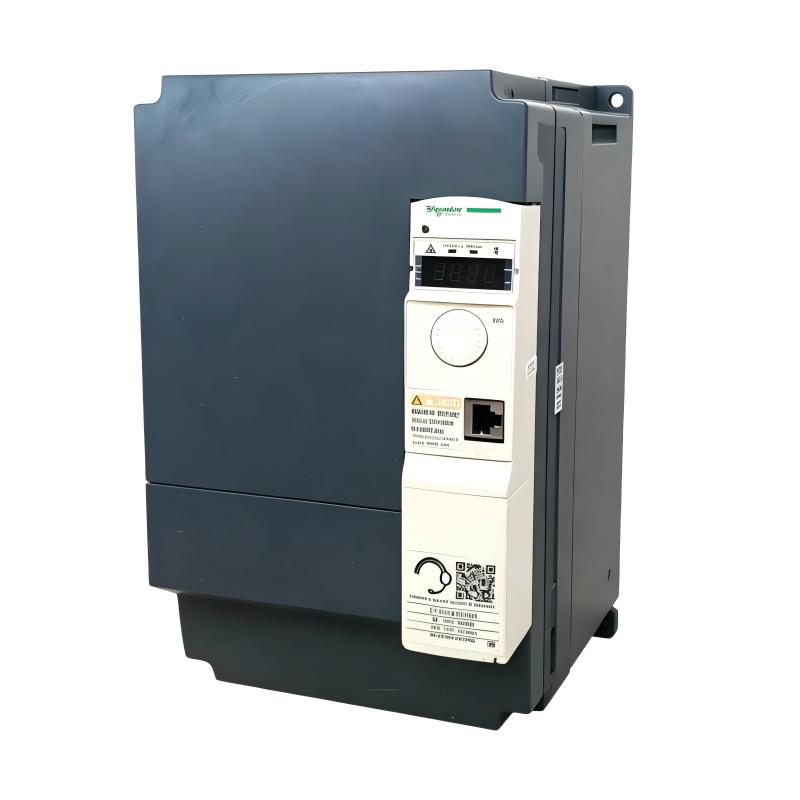
Schneider ATV32HD11N4 Variable Speed Drive Troubleshooting Guide (Fault Diagnosis)
Schneider ATV32HD11N4 Variable Speed Drive faults are commonly caused by overload conditions, incorrect acceleration settings, poor cooling, or unstable motor conditions rather than internal drive failure. In field troubleshooting, engineers should analyze the complete motor-drive system before replacing the inverter unit.
This article describes a real industrial case where an ATV32HD11N4 drive repeatedly stopped during acceleration after a production line modification.
Schneider ATV32HD11N4 Variable Speed Drive Fault Symptoms
The machine showed:
- Drive stopped during startup
- Motor restarted after reset
- Fault appeared only under heavy load
- Low-speed operation remained normal
Initial observations:
- Control display working
- Drive communication normal
- Motor insulation test acceptable
The maintenance team suspected the variable speed drive power section.
However, engineers started with operating condition analysis.
Schneider ATV32HD11N4 Fault Diagnosis Process and Signal Analysis
The troubleshooting path:
Power Supply
      |
ATV32HD11N4 Drive
      |
Motor Cable
      |
Motor
      |
Mechanical Load
Engineers checked:
- Supply voltage
- Motor current
- Drive parameters
- Mechanical load condition
The goal was to determine whether the fault originated from:
- Electrical supply
- Drive configuration
- Motor condition
- Machine load
Schneider ATV32HD11N4 Overcurrent Fault Investigation
During testing:
Before repair:
- Input voltage: 400V AC
- Motor rated current: 22A
- Startup current peak: 49A
- Fault frequency: 4 times/day
Power supply measurements were normal.
Further investigation found:
- Conveyor load increased after mechanical modification
- Acceleration time remained unchanged
- Motor required higher starting torque
Engineering conclusion:
The drive was correctly protecting the motor system.
The fault was caused by application changes, not a damaged ATV32HD11N4 unit.
Schneider ATV32HD11N4 Root Cause Analysis and Recovery
The final root cause was an incorrect acceleration profile after machine load increased.
Previous machine condition:
- Lower mechanical resistance
- Faster acceleration acceptable
New machine condition:
- Increased product load
- Higher starting torque requirement
Failure pattern:
Before correction:
- Acceleration overcurrent trips
- Production interruptions
- Manual resets required
After correction:
- Acceleration time increased
- Current peak reduced
- Drive operated normally
Schneider ATV32HD11N4 Troubleshooting Repair Procedure and Testing
Corrective actions:
Parameter Adjustment
Engineers modified:
- Acceleration time
- Current limitation settings
- Motor control parameters
Mechanical Inspection
Checked:
- Conveyor movement
- Bearing condition
- Load resistance
Final validation:
Before repair:
- Faults: 5 times per shift
- Machine stops: frequent
After repair:
- 7-day production test completed
- No acceleration faults recorded
Schneider ATV32HD11N4 Common Fault Patterns and Diagnostic Methods
Overcurrent During Acceleration
Symptoms:
- Drive trips when starting motor
- Current rises quickly
Diagnostic method:
- Check acceleration settings
- Measure motor current
- Inspect mechanical load
Overtemperature Fault
Symptoms:
- Fault appears after long operation
- Restart temporarily restores operation
Diagnostic method:
- Check cabinet temperature
- Inspect cooling airflow
- Verify installation clearance
Speed Instability Fault
Symptoms:
- Motor speed fluctuates
- Output frequency changes unexpectedly
Diagnostic method:
- Check speed reference signal
- Verify motor parameters
- Inspect control wiring
Schneider ATV32HD11N4 Long-Term Maintenance Strategy
For reliable operation of the ATV32HD11N4 Variable Speed Drive:
- Record fault history
- Keep cooling paths clean
- Verify motor current regularly
- Maintain parameter backups
- Inspect electrical connections
A practical engineering rule:
“When an ATV32HD11N4 fault occurs, analyze the complete drive system before replacing the drive unit.”
Recommended troubleshooting sequence:
Fault history review → Power measurement → Parameter verification → Motor inspection → Mechanical load analysis → Final operation test.