Schneider Electric Accelerates Industrial Automation Innovation with EcoStruxure Platform and Intelligent Control Technologies
Schneider Electric Advances Industrial Automation Through Digital Transformation and Intelligent Control
The global industrial automation industry is entering a new era driven by digital transformation, energy efficiency requirements and the increasing demand for intelligent manufacturing solutions.
Manufacturers worldwide are looking for automation technologies that can improve production efficiency while reducing energy consumption, improving operational visibility and supporting sustainable industrial development.
Schneider Electric continues to expand its industrial automation ecosystem by combining programmable automation controllers, industrial software, connected devices and digital platforms.
The company’s automation strategy focuses on creating intelligent industrial environments where machines, control systems and operational data work together to improve manufacturing performance.
Modern industrial facilities require more than traditional control functions. Companies now need automation systems that provide real-time information, predictive capabilities and flexible integration with modern digital technologies.
This transformation is influencing the development of PLC systems, industrial communication networks, DCS solutions, motor control technologies and industrial software platforms.
As factories continue moving toward Industry 4.0, connected automation architectures are becoming essential for improving competitiveness in global manufacturing.
EcoStruxure Architecture Supports Connected Industrial Automation
Digital transformation has changed the expectations of industrial automation systems.
Traditional automation solutions mainly focused on controlling machines and maintaining stable production processes.
Today, manufacturers require systems that can connect operational technology with digital applications.
Schneider Electric’s EcoStruxure architecture represents this industry trend by integrating:
- Connected industrial devices
- Edge control technologies
- Industrial software applications
- Data analytics platforms
- Energy management solutions
This approach allows industrial users to collect valuable production information and use it to improve operational decisions.
In modern factories, automation data is no longer only used by control engineers. It is becoming an important resource for production managers, maintenance teams and business decision-makers.
By connecting automation systems with digital technologies, manufacturers can achieve greater efficiency and flexibility.
PLC and Control Systems Remain the Core of Industrial Automation
Although digital technologies continue developing rapidly, PLC systems remain a fundamental part of industrial automation.
PLCs provide reliable control for machines, production lines and industrial processes.
Modern PLC platforms are evolving to support more advanced applications, including:
- High-speed machine control
- Industrial communication
- Remote diagnostics
- Data processing
- Motion control integration
- Cloud connectivity
The combination of PLC technology and digital platforms enables manufacturers to create more intelligent production environments.
For example, a manufacturing line can use PLC controllers to manage machine operations while simultaneously collecting production data for analysis.
This creates a connection between real-time control and long-term production optimization.
The continued evolution of PLC technology demonstrates that traditional automation systems remain highly valuable in the digital manufacturing era.
Industrial IoT Creates New Possibilities for Factory Optimization
Industrial Internet of Things technology has become a major driver of smart manufacturing development.
IIoT allows industrial equipment to communicate and share information through connected networks.
Factories can connect:
- Sensors
- Controllers
- Drives
- Motors
- Robots
- Production equipment
- Energy monitoring devices
The collected data can be analyzed to improve manufacturing performance.
Common IIoT applications include:
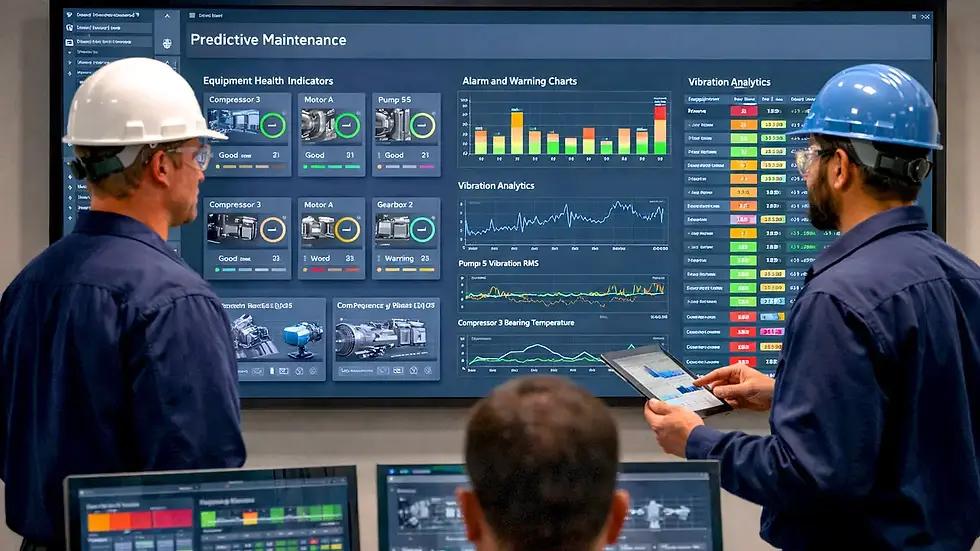
Equipment Condition Monitoring
Sensors can monitor vibration, temperature and operating conditions to identify potential equipment problems.
Energy Optimization
Manufacturers can analyze energy consumption patterns and improve efficiency.
Production Analysis
Real-time data helps identify production bottlenecks and improve workflow.
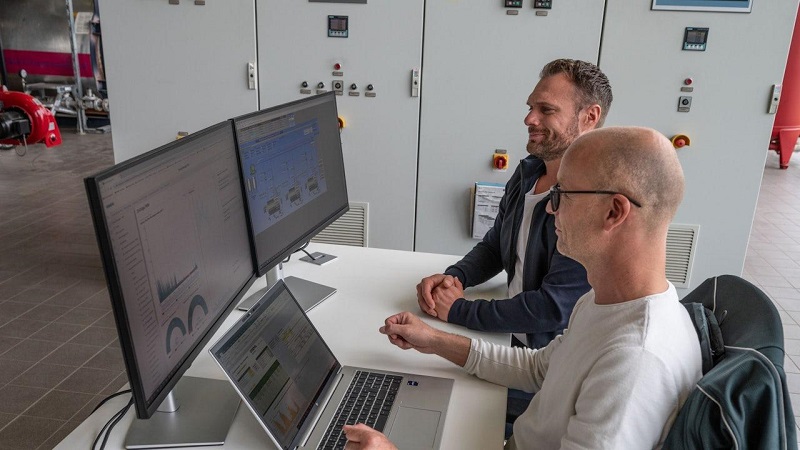
Remote Monitoring
Engineers can access equipment information without being physically present at the production site.
These capabilities are helping manufacturers move toward smarter and more proactive operations.
Digital Energy Management Becomes Increasingly Important
Energy efficiency has become a major concern for industrial companies.
Manufacturing facilities consume significant amounts of electricity and other resources.
Automation technologies now play an important role in helping companies monitor and reduce energy consumption.
Intelligent automation solutions can support:
- Energy measurement
- Load management
- Equipment optimization
- Power monitoring
- Sustainable production planning
For example, variable frequency drives can optimize motor operation by adjusting speed according to production requirements.
Intelligent control systems can analyze equipment performance and identify opportunities to reduce unnecessary energy usage.
As industries focus more on sustainability, the connection between automation and energy management will continue becoming stronger.
Industrial Software Improves Production Visibility and Decision-Making
Modern factories generate large amounts of operational data every day.
Without effective analysis tools, much of this information cannot create real value.
Industrial software platforms help manufacturers transform raw data into meaningful insights.
These solutions support:
- Production monitoring
- Asset management
- Maintenance planning
- Performance analysis
- Quality improvement
- Process optimization
Better visibility allows companies to identify problems faster and improve decision-making.
For automation engineers, industrial software is becoming an increasingly important part of automation projects.
The future automation environment will require stronger cooperation between control engineering, software development and data analysis.
Cybersecurity Requirements Increase with Industrial Connectivity
As automation systems become more connected, cybersecurity has become a critical requirement for industrial companies.
Factories are increasingly connected with:
- Enterprise networks
- Remote maintenance systems
- Cloud platforms
- Digital monitoring solutions
While connectivity creates many advantages, it also introduces new security challenges.
Industrial cybersecurity strategies focus on:
- Network protection
- Secure communication
- Access control
- System monitoring
- Data protection
Manufacturers must ensure that automation modernization improves efficiency without creating unnecessary operational risks.
Secure automation infrastructure will be an essential foundation for future smart factories.
Impact on Global Industrial Automation Equipment Demand
The development of intelligent automation systems continues creating strong demand for industrial components.
As companies upgrade their facilities, they require various automation products, including:
- PLC modules
- Programmable controllers
- Industrial communication modules
- Remote I/O systems
- HMI terminals
- Servo drives
- Variable frequency drives
- Safety automation equipment
- Industrial sensors
Many industrial users choose modernization strategies that combine existing automation infrastructure with new digital technologies.
This creates opportunities for automation suppliers that provide replacement parts, expansion modules and compatible industrial components.
For global automation distributors, supporting factory upgrades remains an important market opportunity.
Future Trends in Industrial Automation Development
The future of industrial automation will continue moving toward intelligent, connected and sustainable solutions.
Several major trends will influence the industry:
Artificial Intelligence Integration
AI technologies will improve equipment analysis, production optimization and automated decision-making.
Advanced Industrial Networking
Faster and more reliable communication technologies will support larger connected factories.
Digital Twin Applications
Virtual models will help engineers design and optimize industrial systems.
Sustainable Automation
Automation technologies will help reduce energy consumption and improve resource efficiency.
Flexible Manufacturing
Factories will require systems that can quickly adapt to changing market demands.
These trends will continue shaping the next generation of industrial automation.
Conclusion
Schneider Electric’s continued development in industrial automation reflects the broader transformation of global manufacturing toward intelligent and connected operations.
The combination of PLC systems, industrial software, IIoT technologies and energy management solutions is helping companies build more efficient and sustainable factories.
As manufacturers continue digital transformation projects, automation systems will become increasingly important for improving productivity, reducing costs and maintaining competitiveness.
For industrial automation professionals, system integrators and equipment suppliers, the growth of smart manufacturing represents significant opportunities in the global market.
The future factory will depend on intelligent control technologies that combine reliability, connectivity and digital innovation.