ABB Strengthens Industrial Automation Strategy with AI, Robotics and Data Center Energy Solutions
Introduction
ABB continues to expand its role in global industrial automation as demand for artificial intelligence, energy efficiency, and advanced control systems accelerates across manufacturing and infrastructure sectors.
In 2025–2026, the company’s strategic focus is increasingly centered on combining industrial automation with AI-driven technologies, robotics innovation, and high-efficiency power solutions for next-generation industries such as data centers, smart factories, and electrified transportation systems.
AI Integration Becomes a Core Direction in Industrial Automation
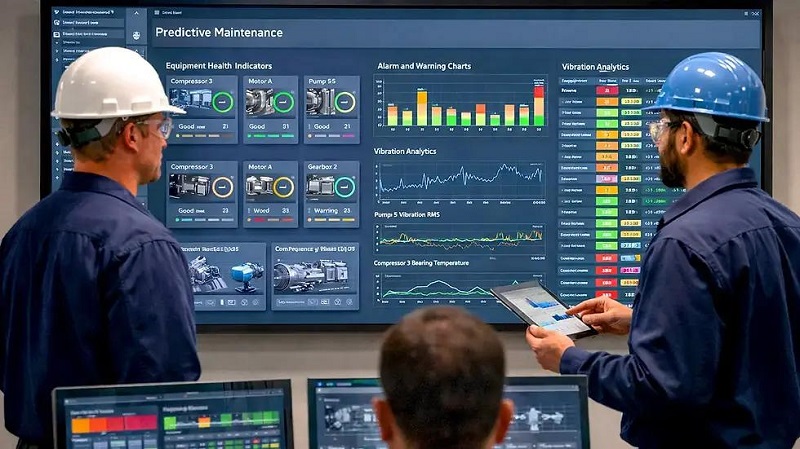
A major development in ABB’s recent strategy is the deeper integration of artificial intelligence into industrial systems.
AI is now being widely applied across automation environments to improve operational performance, including:
- Predictive maintenance of industrial equipment
- Real-time fault detection in production systems
- Process optimization in manufacturing lines
- Energy consumption analysis and reduction
By embedding AI into industrial automation platforms, ABB enables manufacturers to move from reactive maintenance models to predictive and data-driven operations.
This shift is especially important for industries where downtime directly impacts production cost and operational efficiency.
Robotics Transformation Through AI and Simulation Technologies
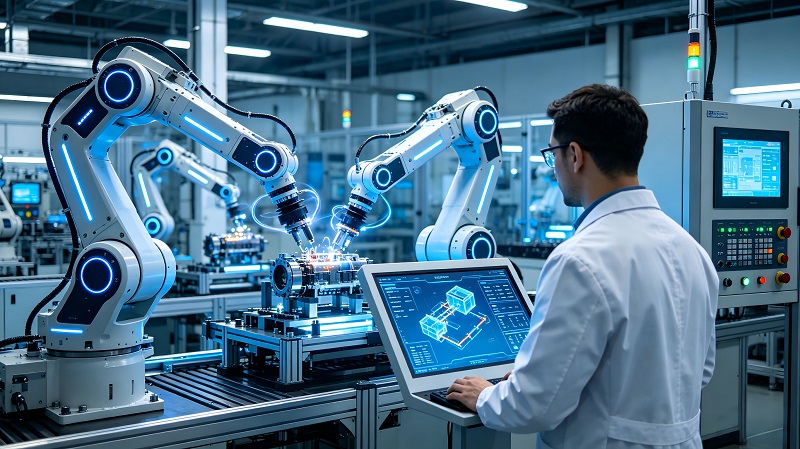
ABB is also advancing industrial robotics through enhanced simulation and AI-based training systems.
A key trend is the use of virtual environments to train robots before deployment in real factories. This approach improves accuracy, reduces commissioning time, and increases operational flexibility.
Modern robotics development focuses on:
- AI-assisted robot training using simulation environments
- Improved adaptability in dynamic factory conditions
- Higher precision in complex industrial tasks
- Reduced setup and deployment costs
These advancements are making robotics more accessible not only to large enterprises but also to mid-sized manufacturers.
Expansion into Data Center and Electrification Markets
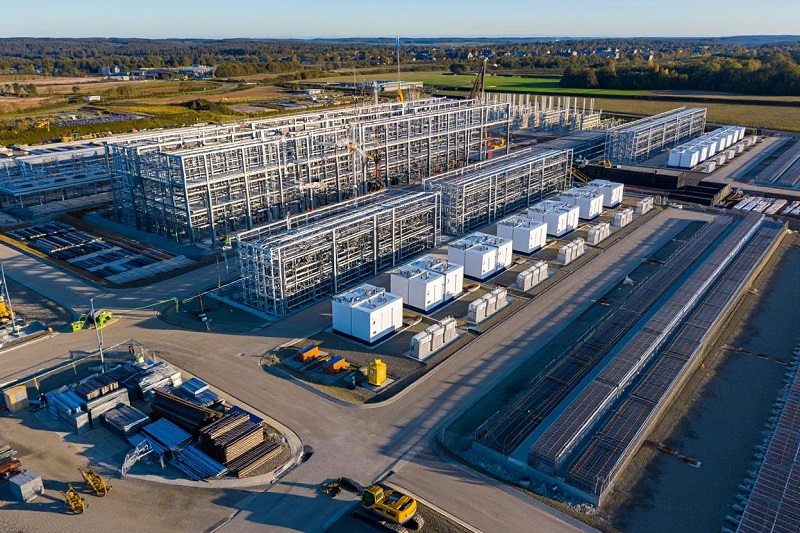
Another important growth area for ABB is the increasing demand for electrical infrastructure in data centers and electrified industrial systems.
With global demand for computing power rising due to artificial intelligence workloads, data centers require highly efficient and stable power systems.
ABB is actively supporting this transition through:
- High-efficiency power distribution systems
- Electrification solutions for large-scale infrastructure
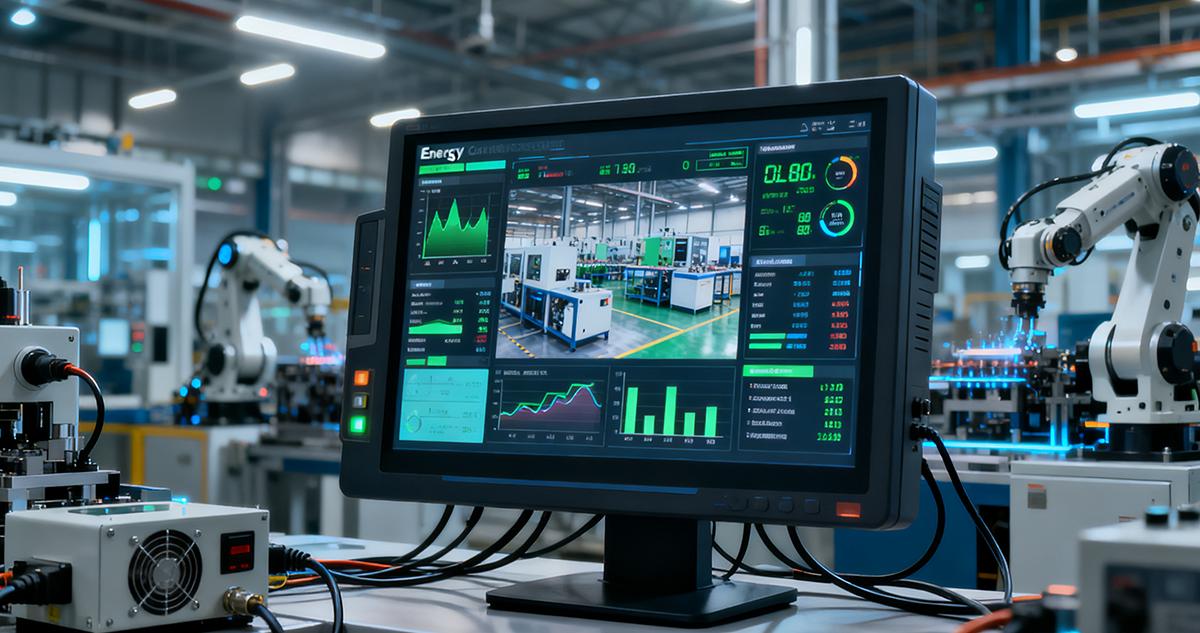
- Advanced energy management systems
- Optimization of power usage in industrial environments
This reflects a broader industry trend where automation companies are becoming key players in energy infrastructure development.
Evolution of PLC and DCS-Based Industrial Systems
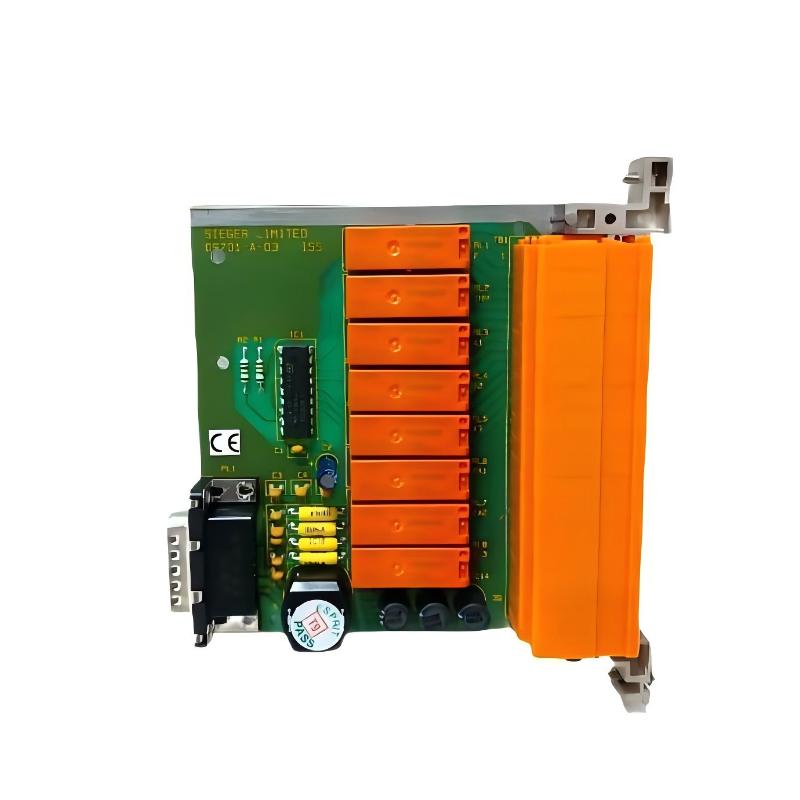
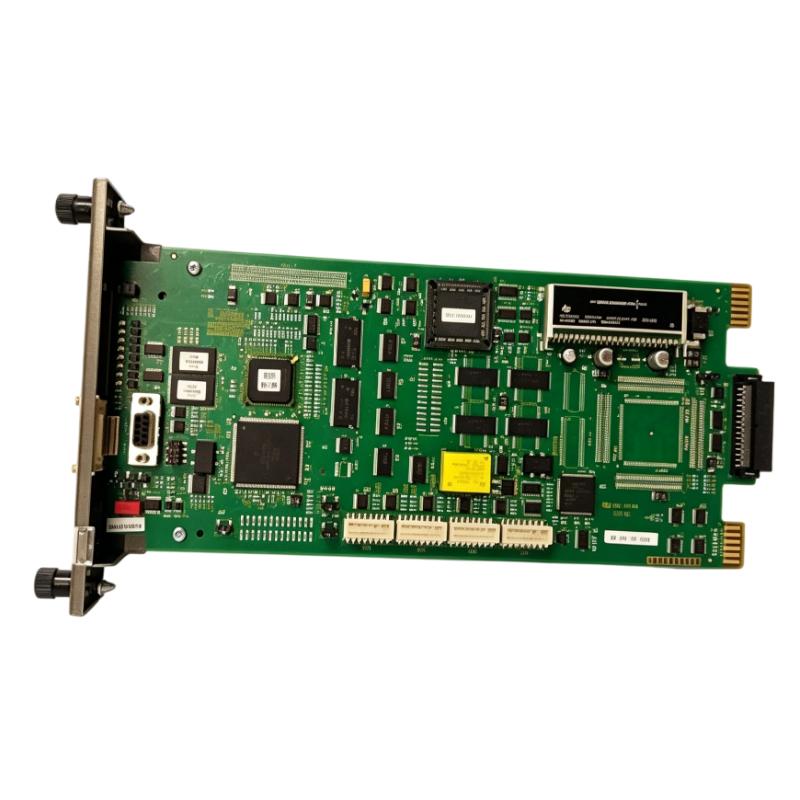
While new technologies are emerging, traditional PLC and DCS systems remain central to industrial automation.
ABB continues to support a hybrid architecture where legacy systems and modern digital platforms operate together.
In modern industrial environments:
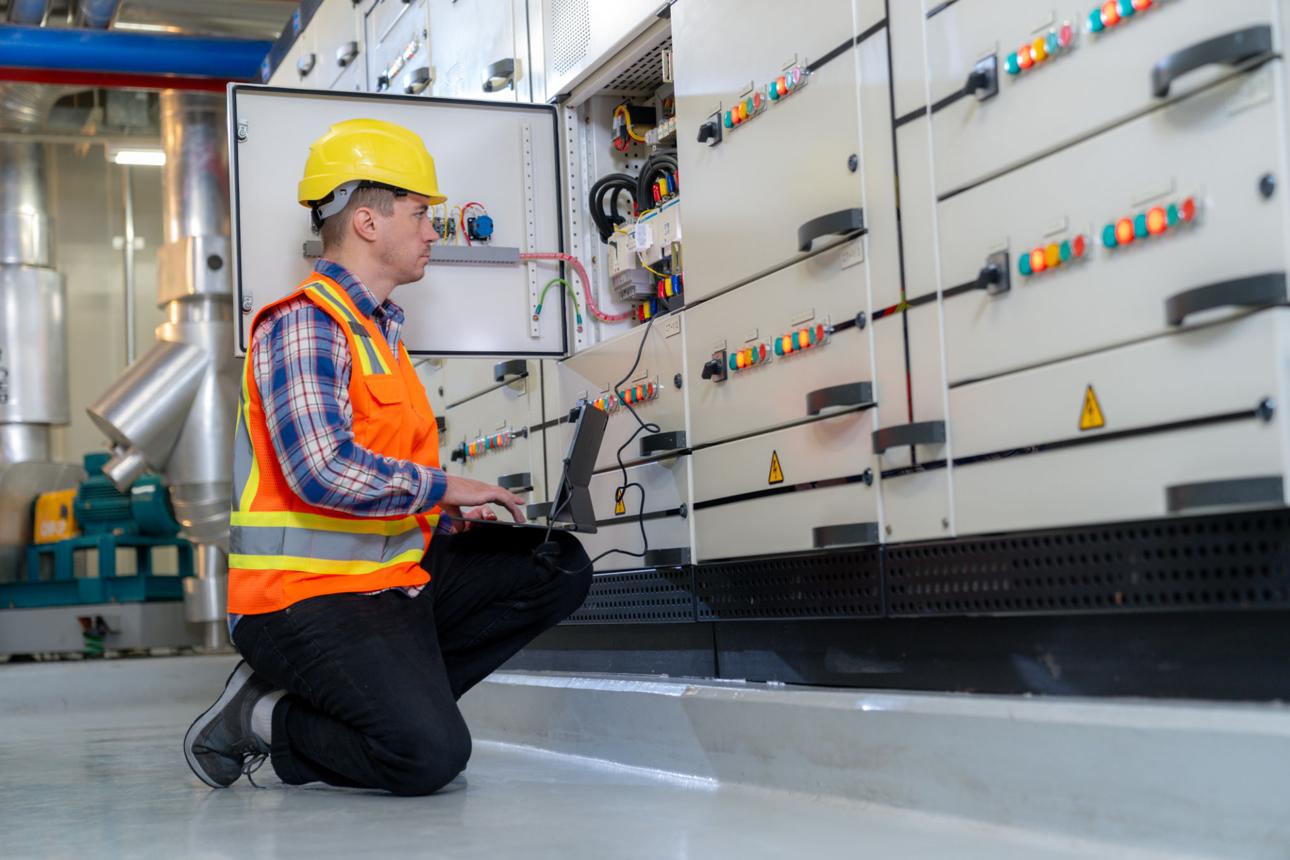
- PLC systems manage real-time machine-level control
- DCS systems coordinate large-scale process operations
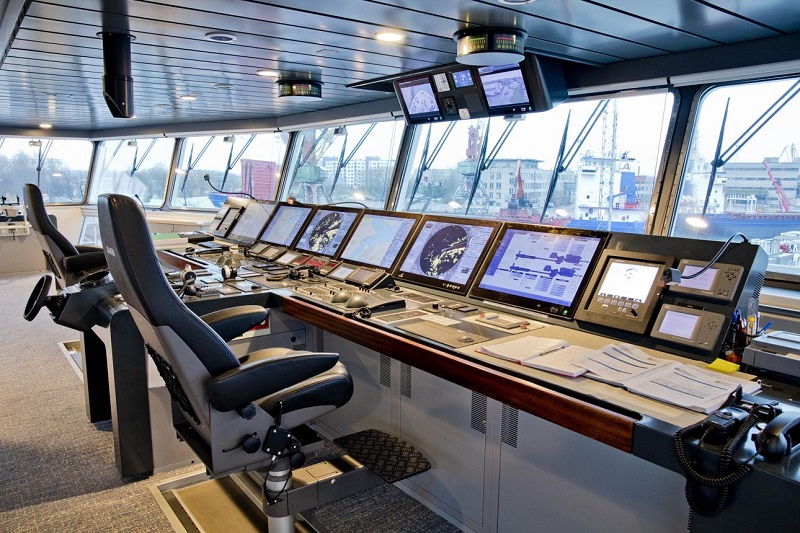
- SCADA systems provide monitoring and visualization
- AI and edge computing layers enhance optimization
This integrated structure allows industrial companies to modernize gradually without disrupting production stability.
Industrial Cybersecurity and System Reliability
As industrial systems become more connected, cybersecurity has become a critical focus area.
ABB continues to strengthen protection mechanisms for industrial environments by focusing on:
- Secure communication between connected systems
- Segmentation of industrial and enterprise networks
- Continuous monitoring of system activity
- Compliance with international industrial security standards
These measures are essential for maintaining safe and stable operations in increasingly digitalized factories.
Industry Outlook: Digitalization and Electrification Convergence
The overall direction of ABB’s industrial strategy reflects a convergence of three major trends:
- Digital transformation of manufacturing systems
- Electrification of industrial and infrastructure networks
- Integration of artificial intelligence into automation platforms
These developments are reshaping global industrial systems, driving higher efficiency, lower energy consumption, and improved operational intelligence.
Conclusion
ABB is actively evolving its industrial automation portfolio to support the next generation of smart manufacturing and infrastructure systems. Through AI integration, robotics innovation, and advanced electrification solutions, the company continues to strengthen its position in global industrial transformation.