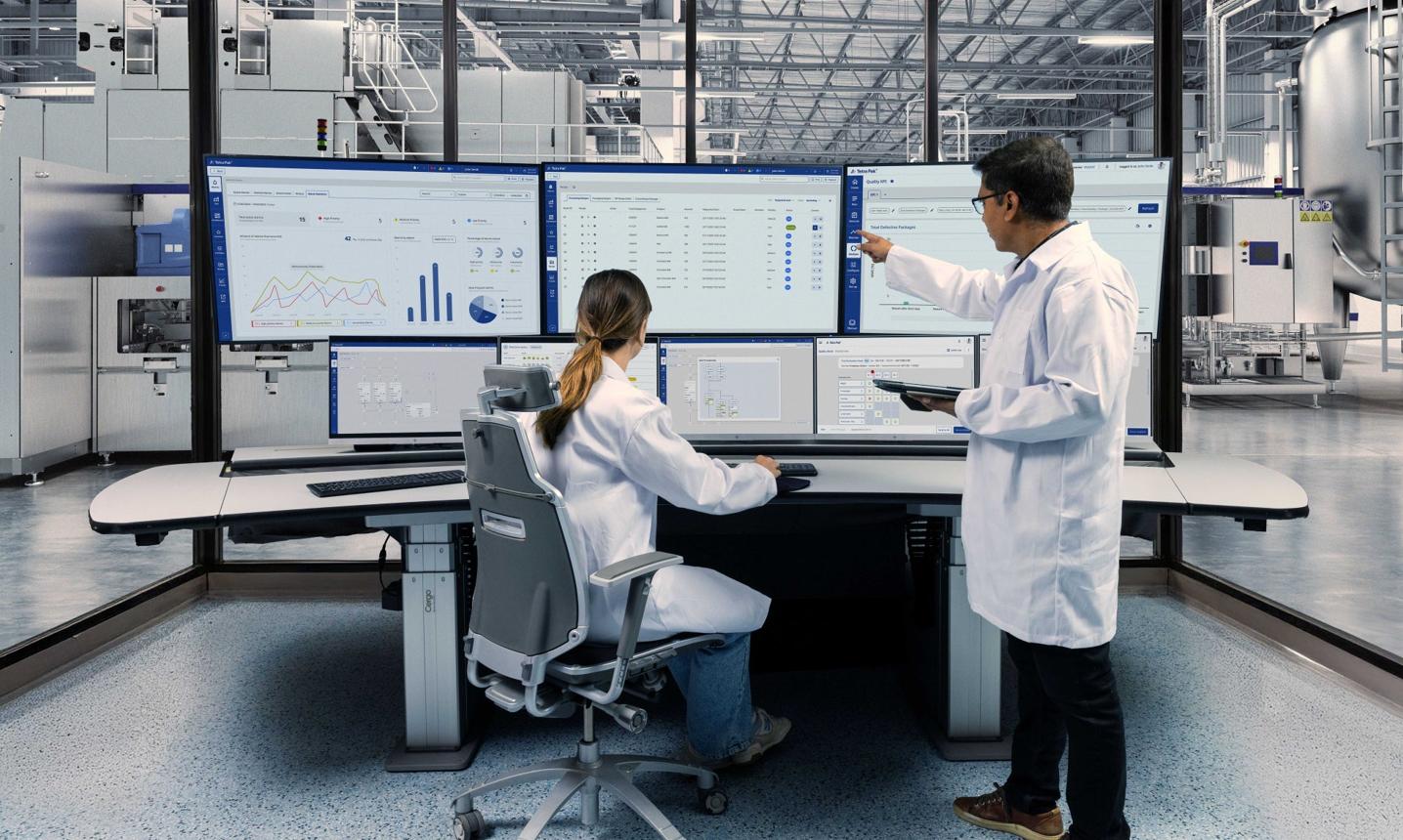
ABB Introduces Next-Generation DCS Innovation to Accelerate Industrial Automation Digital Transformation
ABB Advances DCS Technology with New Automation Architecture for Future Industrial Plants
The global industrial automation industry is entering a new stage of digital transformation as manufacturers and process industries continue upgrading traditional control systems with advanced software, artificial intelligence, industrial analytics and connected automation technologies.
ABB has recently introduced its next-generation automation system vision, focusing on extending the capabilities of distributed control systems (DCS) by combining proven process control technologies with modern digital solutions. The development represents a significant step toward helping industrial companies modernize existing automation infrastructure while reducing operational disruption.
For industries such as oil and gas, chemical processing, power generation, mining, water treatment and large-scale manufacturing, DCS platforms remain a critical foundation for reliable production control. However, many industrial facilities worldwide are facing challenges caused by aging control systems, increasing maintenance costs and the growing demand for real-time operational intelligence.
ABB’s latest automation approach focuses on improving DCS flexibility, enabling companies to introduce advanced digital technologies without completely replacing existing control environments.
Modernizing Traditional DCS Systems for Industry 4.0 Requirements
Traditional distributed control systems were originally designed for long-term stability, safety and continuous operation. These systems have played an essential role in industrial plants for decades, controlling complex processes through centralized engineering environments, controllers, field devices and operator stations.
However, Industry 4.0 requirements have changed the expectations of industrial automation.
Modern factories and process plants now require:
- Real-time production data analysis
- Remote monitoring capabilities
- Cloud and edge computing integration
- Predictive maintenance
- Artificial intelligence-based optimization
- Improved cybersecurity protection
- Flexible system expansion
Many existing industrial facilities cannot simply shut down operations for complete automation replacement. A full DCS migration may require significant investment, engineering resources and production downtime.
ABB’s updated automation strategy addresses this challenge by providing a more evolutionary approach. Instead of replacing entire automation infrastructures, industrial users can gradually introduce digital capabilities while continuing to operate existing systems.
This approach allows companies to improve efficiency while protecting previous investments in automation hardware, engineering knowledge and operational experience.
AI and Advanced Analytics Become Key Elements in Industrial Control Systems
One of the most important trends in industrial automation is the integration of artificial intelligence into traditional control environments.
Previously, DCS systems mainly focused on process monitoring and automatic control execution. Today, industrial companies expect automation platforms to provide deeper operational insights.
AI-enabled industrial automation can help manufacturers:
- Identify abnormal equipment behavior
- Predict potential failures before downtime occurs
- Optimize energy consumption
- Improve product quality
- Analyze production performance
- Support faster engineering decisions
By combining process control data with advanced analytics, automation systems can transform large amounts of operational information into valuable business intelligence.
For example, in a chemical plant, thousands of sensors continuously collect information about temperature, pressure, flow rate and equipment conditions. Advanced analytics can analyze these signals and identify early warning indicators that may not be visible through traditional monitoring methods.
This creates a transition from reactive maintenance toward predictive and condition-based maintenance strategies.
DCS Evolution Supports Industrial Digital Transformation
The development of modern DCS technology reflects a broader transformation happening across the automation industry.
Industrial companies are increasingly connecting traditionally isolated control environments with enterprise-level digital platforms.
This integration creates a stronger connection between:
- Field instrumentation
- PLC and DCS controllers
- Industrial networks
- Manufacturing execution systems (MES)
- Enterprise resource planning platforms (ERP)
- Cloud-based analytics platforms
The result is a more transparent and intelligent production environment.
For automation engineers, this evolution means that future control systems will require broader technical knowledge, including traditional control engineering as well as industrial communication, cybersecurity and data technologies.
PLC programming, DCS engineering and industrial networking are becoming increasingly interconnected.
Impact on PLC and Industrial Automation Market
Although DCS systems are mainly used in process industries, their development also influences the broader PLC and automation market.
Modern automation architectures are increasingly moving toward integrated control platforms where PLC systems, DCS platforms, industrial PCs and edge devices work together.
Manufacturers are seeking automation solutions that provide:
- High reliability
- Easy scalability
- Open communication protocols
- Better data accessibility
- Lower lifecycle costs
This trend creates new opportunities for automation suppliers, system integrators and industrial component distributors.
Products such as PLC modules, communication interfaces, industrial controllers, remote I/O systems and network components are becoming increasingly important as factories upgrade their automation infrastructure.
The demand for replacement parts, modernization projects and industrial automation components is expected to remain strong as more companies extend the lifetime of existing systems.
Why DCS Modernization Matters for Global Industries
Many industrial plants operate automation systems that were installed decades ago. While these systems continue performing essential control functions, they may lack the digital capabilities required for modern manufacturing.
DCS modernization provides several important advantages:
Improved Operational Efficiency
Modern automation technologies allow operators to better understand production performance and optimize processes.
Reduced Downtime
Predictive maintenance tools help identify equipment issues before they cause unexpected shutdowns.
Enhanced Safety
Advanced monitoring and analytics improve the ability to detect abnormal operating conditions.
Lower Upgrade Risk
Incremental modernization reduces the need for complete system replacement.
Better Data Utilization
Industrial companies can transform operational data into actionable insights.
Future Development Trends of Industrial Automation and DCS Systems
The future of industrial automation will continue moving toward intelligent, connected and flexible architectures.
Several major trends are expected to influence the automation industry:
1. Artificial Intelligence in Control Engineering
AI will increasingly support engineers with optimization recommendations, fault analysis and automated diagnostics.
2. Edge Computing in Industrial Applications
More processing will move closer to production equipment, reducing response times and improving reliability.
3. Increased Cybersecurity Requirements
As industrial systems become more connected, cybersecurity protection will become a critical design requirement.
4. Integration Between PLC, DCS and Robotics
Future factories will rely on seamless communication between different automation technologies.
5. Digital Twin Applications
Digital twins will allow companies to simulate production processes, test improvements and optimize operations before implementation.
Conclusion
The evolution of DCS technology represents a major development direction for the global industrial automation market. By combining traditional process control with digital technologies such as AI, analytics and advanced connectivity, modern automation systems are helping industries achieve higher efficiency, reliability and flexibility.
For manufacturers, automation engineers and industrial solution providers, the future of control systems will not only depend on hardware performance but also on intelligent software capabilities and seamless integration.
As industrial companies continue their digital transformation journey, advanced PLC, DCS and automation technologies will remain essential components in building smarter and more sustainable industrial operations.