OMRON and Comau Strengthen Strategic Partnership to Accelerate Flexible Industrial Automation and Smart Manufacturing Development
Global Robotics Collaboration Supports Advanced Factory Automation, Intelligent Production and Industry 4.0 Transformation
OMRON and Comau Expand Cooperation to Develop Next-Generation Automation Solutions
The global manufacturing industry is experiencing a rapid transformation as companies continue investing in robotics, industrial automation, digital technologies and intelligent production systems. Rising labor costs, increasing demand for customized products and the need for higher production efficiency are encouraging manufacturers to adopt more flexible and advanced automation solutions.
OMRON and Comau have strengthened their strategic collaboration to support the development of innovative automation technologies designed for modern manufacturing environments. By combining expertise in industrial control, sensing technology, robotics and automation engineering, the cooperation aims to provide manufacturers with more efficient and flexible production solutions.
The partnership reflects an important trend in the industrial automation market: the integration of robotics, PLC control systems, industrial communication networks and intelligent software platforms.
Traditional automation systems were mainly designed for fixed production processes. However, modern factories require equipment that can quickly adapt to changing product requirements, production volumes and manufacturing strategies. Flexible automation has therefore become a key focus for companies seeking long-term competitiveness.
The combination of advanced robotics and industrial automation technologies allows manufacturers to create production environments that are more intelligent, connected and responsive.
Flexible Automation Becomes a Key Direction for Modern Manufacturing
Manufacturing industries worldwide are facing new challenges. Product life cycles are becoming shorter, customers expect more customized products, and companies must maintain high efficiency while controlling operational costs.
These changes have increased demand for flexible automation solutions.
Unlike traditional production equipment that requires significant modification when manufacturing requirements change, flexible automation systems allow factories to adjust production processes more quickly.
Modern flexible automation solutions typically include:
- Industrial robots for automated handling and assembly
- PLC controllers for machine sequence control
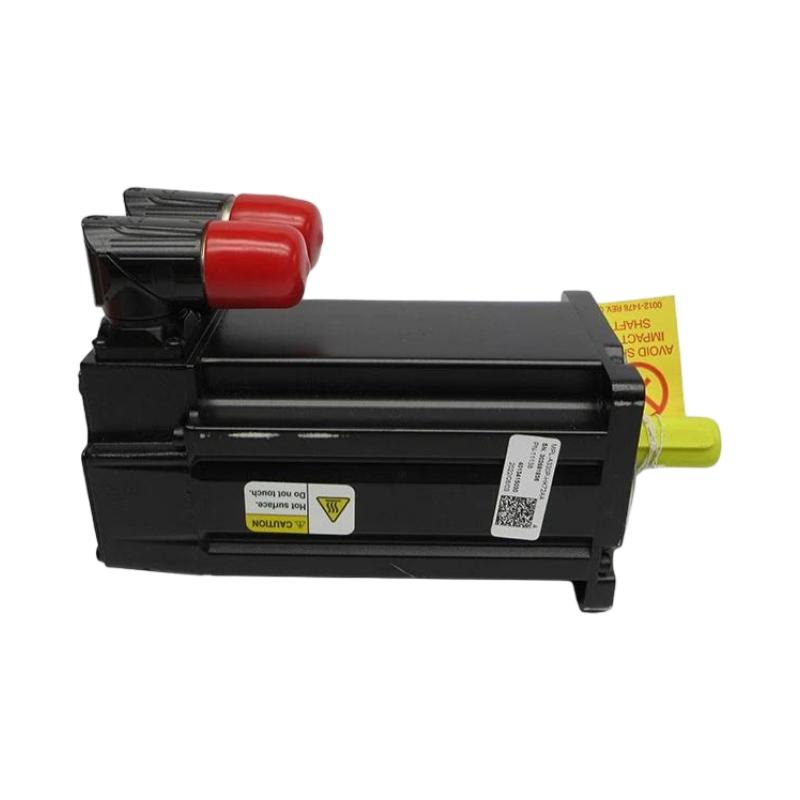
- Servo systems for precise motion applications
- Machine vision technology for quality inspection
- Industrial sensors for real-time monitoring
- Industrial networks for equipment communication
- Manufacturing software for production analysis
By integrating these technologies, factories can improve productivity while maintaining greater operational flexibility.
This development is especially important in industries such as automotive manufacturing, electronics production, battery manufacturing, logistics automation, food processing and pharmaceutical production.
Robotics and PLC Systems Become More Closely Integrated
Industrial robots are becoming an increasingly important part of modern automation architectures.
In the past, robots often operated as independent systems with limited connection to factory control platforms. Today, manufacturers require deeper integration between robots, PLC systems, DCS platforms and industrial software.
A modern automated production line may involve multiple layers of control technology.
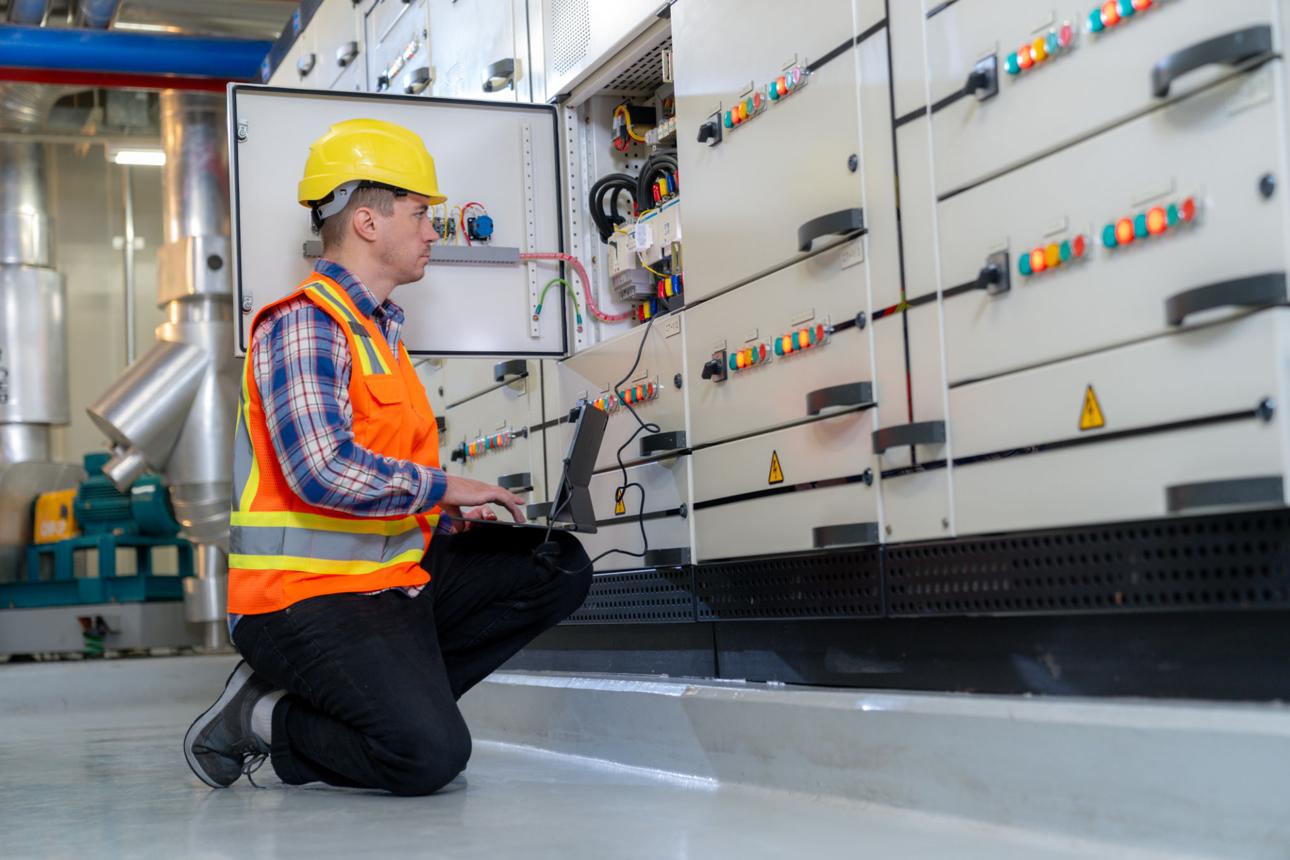
At the machine level, PLC systems manage equipment operation, safety logic and production sequences. Robot systems perform precise movement tasks, while sensors and vision systems provide real-time information about production conditions.
At the factory level, industrial communication networks connect different automation devices and allow production data to be collected and analyzed.
This integration creates more efficient manufacturing environments where machines can communicate, exchange information and respond quickly to production changes.
For automation engineers, this trend means that knowledge of PLC programming alone is no longer enough. Engineers increasingly need experience with robotics communication, motion control, industrial Ethernet networks and automation software integration.
Smart Manufacturing Drives Demand for Advanced Automation Technologies
Smart manufacturing is becoming one of the most important development directions in the global industrial sector.
The goal of smart manufacturing is not simply to automate individual machines but to create fully connected production environments where equipment, software and data systems work together.
Advanced automation technologies help manufacturers achieve:
Improved Production Efficiency
Robotic systems can perform repetitive operations with high speed and accuracy, helping companies increase production output.
Better Product Quality
Automated inspection systems and precise robotic operations reduce human errors and improve consistency.
Lower Operating Costs
Automation reduces production losses, improves resource utilization and supports optimized manufacturing processes.
Enhanced Production Flexibility
Modern automation systems can support multiple products and changing production requirements.
Improved Safety
Robots can handle dangerous or physically demanding tasks, creating safer working conditions for employees.
These advantages are accelerating automation investment across global industries.
Industrial Automation Market Benefits from Robotics Growth
The expansion of robotics applications is creating new opportunities throughout the industrial automation supply chain.
As manufacturers upgrade their facilities, demand continues growing for various automation components, including:
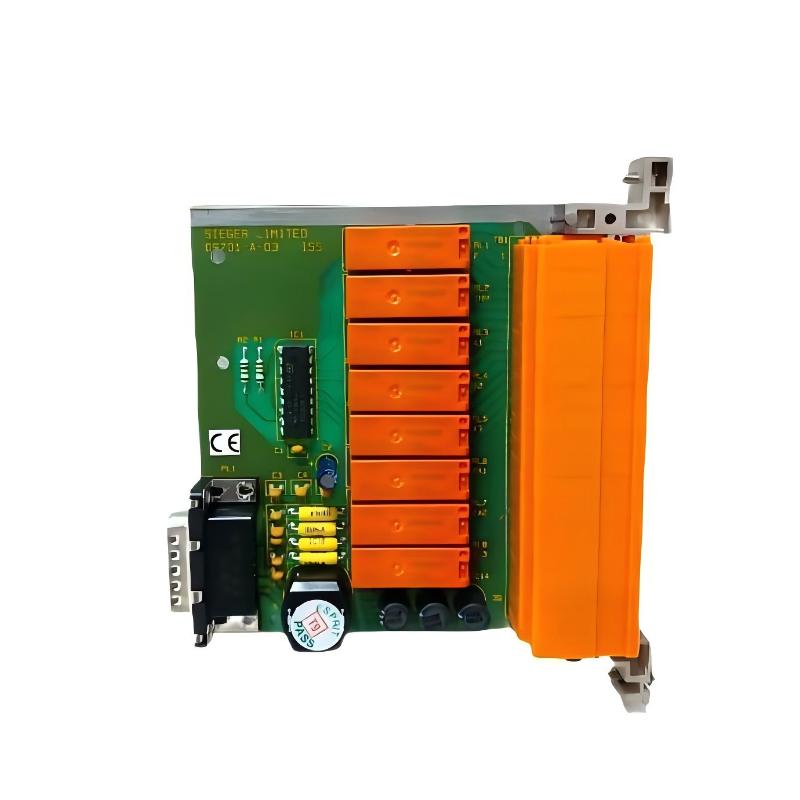
- PLC modules
- Remote I/O systems
- Industrial communication modules
- Motion controllers
- Servo drives
- Human-machine interfaces
- Industrial sensors
- Safety control components
- Industrial networking equipment
Many companies choose gradual automation upgrades instead of completely replacing existing production systems.
This approach allows manufacturers to improve performance while protecting previous investments in automation hardware and engineering resources.
As a result, the market for automation spare parts, replacement modules and system expansion components remains important.
For industrial automation suppliers and distributors, supporting modernization projects has become a major business opportunity.
Artificial Intelligence Will Further Improve Robotic Automation
Artificial intelligence is expected to play an increasingly important role in future industrial robotics.
Traditional robots usually perform predefined tasks according to programmed instructions. AI technologies allow robots to become more adaptive and capable of handling complex manufacturing situations.
Future AI-enabled robotic systems may provide:
- Intelligent decision-making
- Advanced visual recognition
- Automatic process optimization
- Predictive maintenance support
- Adaptive production control
For example, AI-powered vision systems can help robots identify different products, detect quality problems and adjust operations automatically.
The combination of AI, robotics and industrial control systems will create a new generation of intelligent manufacturing solutions.
Industry 4.0 Transformation Requires Integrated Automation Platforms
Industry 4.0 is changing the way factories operate.
The future factory will not depend on isolated automation devices. Instead, it will require integrated platforms where PLC systems, robots, sensors, industrial networks and software applications communicate continuously.
This transformation requires automation solutions that provide:
- Reliable control performance
- Open communication capabilities
- Real-time data processing
- Cybersecurity protection
- Easy system expansion
- Long-term operational stability
The cooperation between robotics companies and automation technology providers demonstrates the increasing importance of integrated solutions in modern manufacturing.
Future Outlook for Industrial Robotics and Automation
The global industrial automation market is expected to continue evolving as manufacturers invest in smarter and more efficient production technologies.
Robotics will become increasingly connected with PLC systems, industrial networks and digital platforms. Flexible automation will help companies respond faster to market changes and improve manufacturing competitiveness.
For industrial automation professionals, system integrators and equipment suppliers, understanding the relationship between robotics and control systems will become increasingly important.
The future of manufacturing will depend on intelligent automation solutions that combine reliability, flexibility and advanced digital capabilities.
Conclusion
The strengthened cooperation between OMRON and Comau represents the continued development of global industrial automation toward flexible, intelligent and connected manufacturing.
As industries accelerate digital transformation, robotics, PLC systems, industrial communication technologies and smart manufacturing platforms will work together to create more efficient production environments.
The integration of automation technologies will continue to provide manufacturers with new opportunities to improve productivity, reduce costs and build competitive advantages in the global market.