Honeywell Advances Industrial Automation Innovation with Smart DCS Platforms, Process Control Technologies and Digital Transformation Solutions Advanced Distributed Control Systems, Industrial Software and AI-Based Technologies Improve Process Industry Efficiency
Honeywell Strengthens Industrial Automation Development Through Intelligent Process Control Solutions
The global industrial automation market continues to experience significant transformation as process industries accelerate digitalization, improve operational efficiency and adopt advanced control technologies.
Industries including oil and gas, refining, chemical processing, power generation, pharmaceuticals and manufacturing are increasingly investing in intelligent automation systems to improve safety, reliability and production performance.
Honeywell continues to expand its industrial automation capabilities by developing advanced distributed control systems (DCS), process automation technologies and digital solutions designed to support modern industrial operations.
The evolution of industrial automation is changing how companies manage complex production environments. Traditional control systems were primarily focused on maintaining stable processes, but modern industrial users require automation platforms that can provide deeper insights, predictive capabilities and better integration with digital technologies.
Today’s industrial facilities need control solutions that can connect field devices, controllers, engineering systems and business platforms into a unified automation environment.
The combination of DCS technology, industrial software, artificial intelligence, advanced analytics and industrial networking is becoming a major direction for the future of process automation.
Modern DCS Systems Support More Intelligent Process Industries
Distributed Control Systems remain one of the most important automation technologies for large-scale industrial operations.
Unlike traditional machine automation applications, process industries require continuous operation, precise control and high levels of reliability.
DCS platforms are widely used in applications where thousands of process variables must be monitored and controlled simultaneously.
Modern DCS systems support:
- Continuous process monitoring
- Advanced control strategies
- Alarm management
- Operator visualization
- Equipment diagnostics
- Data integration
- Remote operational support
As industrial facilities become more complex, DCS technology continues evolving to meet new requirements.
Modern users expect DCS platforms to provide not only reliable process control but also digital capabilities that improve operational decision-making.
The integration of automation data with advanced analytics allows companies to understand production performance and identify opportunities for improvement.
Digital Transformation Changes the Future of Process Automation
Digital transformation has become a key priority for industrial companies worldwide.
Many existing facilities operate automation systems that have been running for decades. While these systems continue supporting production, companies increasingly require additional digital capabilities.
Modernization projects allow industrial users to improve their automation infrastructure without completely replacing existing systems.
Digital transformation in process industries focuses on:
- Improving operational visibility
- Reducing unexpected downtime
- Increasing production efficiency
- Optimizing energy usage
- Enhancing safety performance
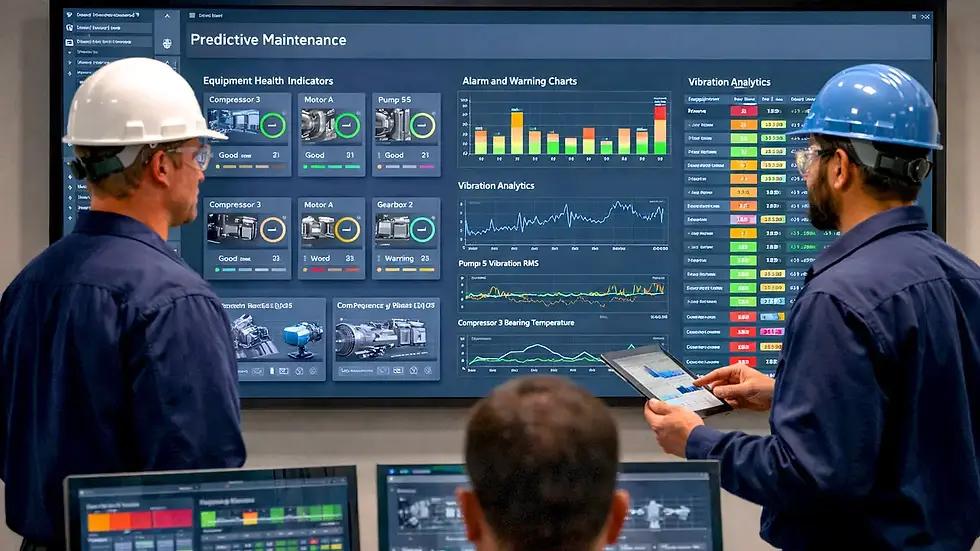
- Supporting predictive maintenance
By connecting automation systems with digital platforms, companies can gain greater insight into their operations.
For example, process data collected from sensors and control systems can be analyzed to identify abnormal operating conditions and optimize production parameters.
Artificial Intelligence Enhances Industrial Process Optimization
Artificial intelligence is becoming increasingly important in industrial automation applications.
Large industrial facilities generate enormous amounts of operational data every day.
Traditional automation systems can monitor and control processes, but AI technologies can provide deeper analysis and predictive capabilities.
AI applications in industrial environments include:
Predictive Equipment Maintenance
AI algorithms can analyze equipment performance data and identify early indicators of possible failures.
Process Optimization
AI can evaluate production conditions and recommend improvements to operating parameters.
Energy Efficiency Management
AI-based analytics can identify opportunities to reduce energy consumption.
Operational Decision Support
Intelligent systems can provide engineers with additional information for faster decision-making.
The combination of AI and industrial control technologies represents an important step toward more autonomous industrial operations.
Industrial Cybersecurity Becomes a Core Requirement
As industrial automation systems become more connected, cybersecurity has become a critical consideration.
Modern factories increasingly integrate:
- Control systems
- Enterprise networks
- Remote monitoring platforms
- Cloud-based applications
- Industrial communication networks
While connectivity improves efficiency, it also introduces new security challenges.
Industrial companies must protect automation environments through:
- Secure system architecture
- Network monitoring
- Access management
- Data protection
- Regular security improvements
Cybersecurity is now an essential part of automation engineering.
Future industrial control systems must provide both advanced functionality and strong protection against potential risks.
Industrial Software Improves Asset Management and Operational Efficiency
Industrial software platforms are becoming increasingly important in modern automation environments.
Manufacturers need tools that can transform operational data into useful information.
Industrial software can support:
- Asset performance management
- Production monitoring
- Equipment analysis
- Maintenance planning
- Process improvement
- Engineering optimization
For large process facilities, effective asset management can significantly improve operational reliability.
By understanding equipment conditions and production trends, companies can make better maintenance decisions and reduce unnecessary downtime.
This approach helps organizations move from traditional maintenance strategies toward data-driven operational management.
Impact on PLC, DCS and Automation Equipment Markets
The development of intelligent process automation is creating continued demand for industrial automation components.
Companies upgrading their control systems require products including:
- DCS controllers
- PLC modules
- Communication interfaces
- Industrial I/O systems
- HMI devices
- Industrial sensors
- Control processors
- Network components
- Safety automation equipment
Many industrial facilities choose phased modernization strategies because complete system replacement can require significant investment and production interruption.
As a result, automation replacement parts, expansion modules and compatible industrial components remain important in global markets.
For automation suppliers and international distributors, supporting industrial modernization projects provides long-term business opportunities.
The Growing Importance of Remote Monitoring in Industrial Operations
Remote monitoring has become increasingly valuable for industrial companies.
Large facilities often contain thousands of devices distributed across extensive production areas.
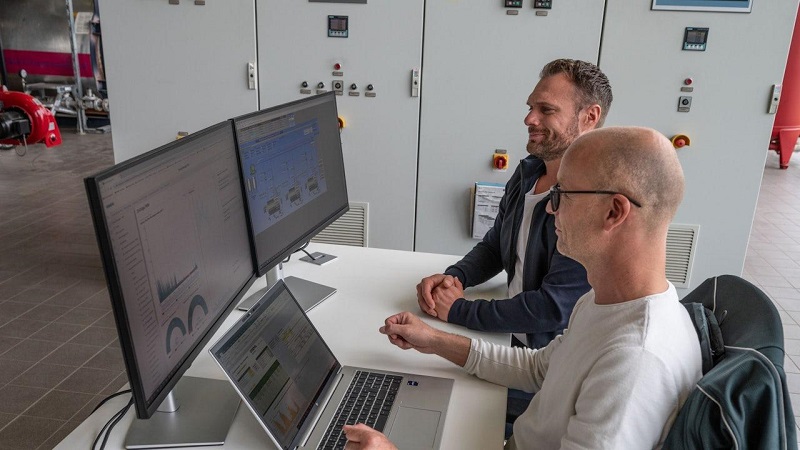
Digital monitoring technologies allow engineers to access operational information without being physically located near equipment.
Remote monitoring supports:
- Faster troubleshooting
- Improved maintenance efficiency
- Reduced inspection costs
- Better equipment visibility
- Enhanced operational management
This capability is especially important for industries such as energy, oil and gas, mining and utilities where equipment is often installed in challenging environments.
Sustainability Drives New Automation Requirements
Industrial companies are increasingly focused on reducing environmental impact and improving resource efficiency.
Automation technologies can help organizations achieve sustainability goals by improving:
- Energy consumption management
- Process efficiency
- Production optimization
- Equipment performance
Advanced control systems can adjust production parameters to minimize waste and improve resource utilization.
For example, optimized process control can reduce unnecessary energy usage while maintaining production quality.
As sustainability becomes a global industrial priority, automation will continue playing an important role in creating more efficient operations.
Future Trends in Process Automation Technology
The future of industrial automation will continue developing toward intelligent, connected and adaptive systems.
Key trends include:
AI-Based Industrial Control
Artificial intelligence will provide more advanced optimization and predictive capabilities.
Integration Between IT and OT Systems
Information technology and operational technology will become increasingly connected.
Advanced Industrial Communication
Faster and more secure networks will support complex automation environments.
Digital Twin Development
Virtual models will help companies simulate and optimize industrial processes.
Autonomous Process Operations
Automation systems will become more capable of self-adjustment and intelligent decision-making.
These trends will continue shaping the future of process industries.
Conclusion
Honeywell’s continued development in industrial automation reflects the broader transformation of process industries toward intelligent and connected operations.
Advanced DCS platforms, industrial software, AI technologies and digital solutions are helping companies improve efficiency, reliability and safety.
As global industries continue upgrading their automation infrastructure, intelligent process control systems will remain essential for modern industrial operations.
For PLC, DCS engineers, automation suppliers and industrial technology providers, the development of smart process automation creates significant opportunities in the global market.
The future of industrial automation will depend on technologies that combine advanced control capabilities, digital intelligence and operational reliability.