Siemens Expands Industrial Automation Innovation with AI-Based Manufacturing Solutions for Smart Factories
Siemens Accelerates Digital Manufacturing Transformation Through Industrial Automation and Artificial Intelligence
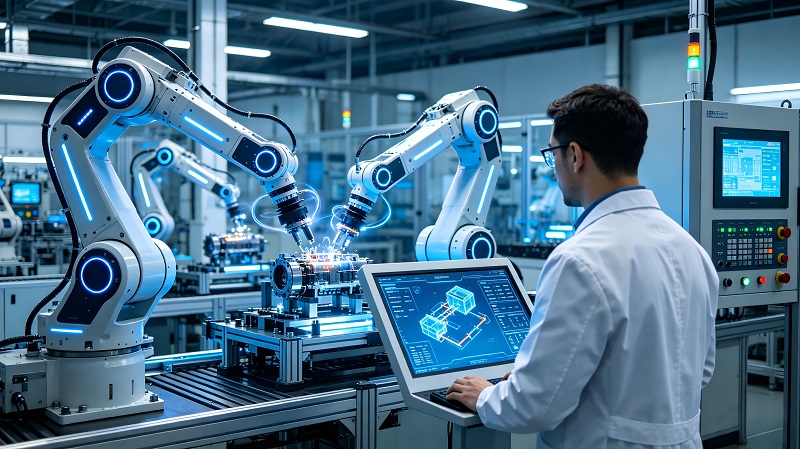
Siemens continues to strengthen its position in industrial automation by expanding the integration of artificial intelligence, industrial software, and intelligent control technologies designed to support the next generation of smart manufacturing.
The company is focusing on developing more flexible, efficient, and data-driven automation solutions that help manufacturers improve production performance, reduce downtime, and optimize industrial operations.
As global industries face increasing pressure from supply chain challenges, energy efficiency requirements, and demand for customized production, advanced automation technologies have become a critical factor for maintaining competitiveness.
AI and Industrial Automation Create New Opportunities for Smart Manufacturing
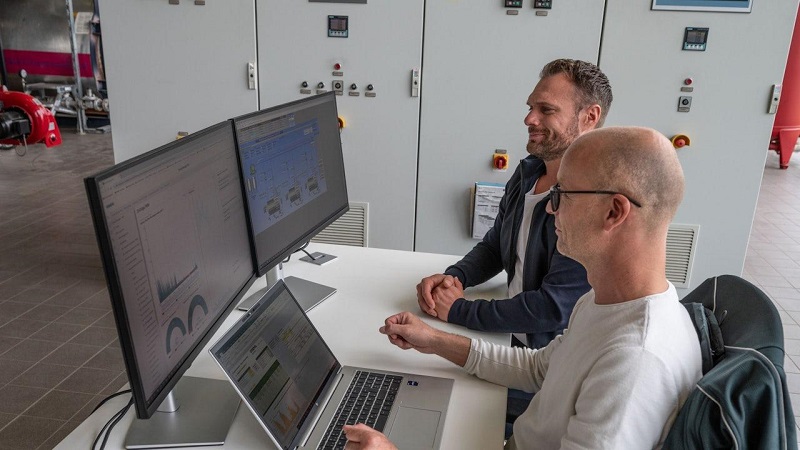
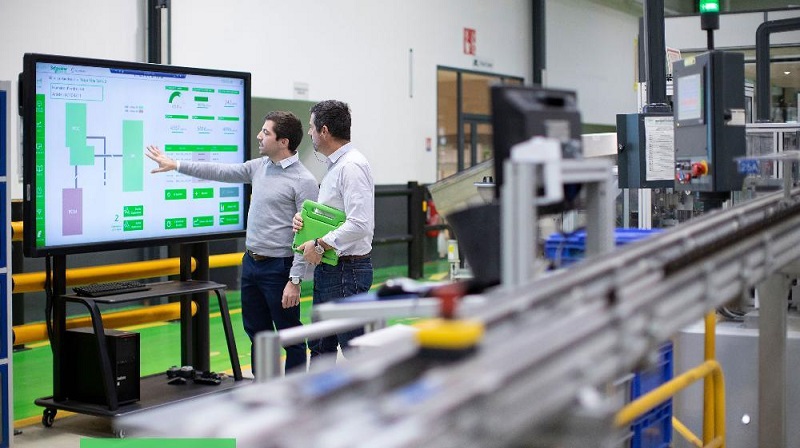
Modern factories are moving beyond traditional automation systems toward intelligent production environments where machines, control systems, and industrial software communicate continuously.
Siemens is combining automation hardware, industrial communication technologies, and artificial intelligence capabilities to help manufacturers achieve:
- Real-time production monitoring
- Predictive maintenance
- Automated quality inspection
- Energy consumption optimization
- Improved equipment availability
These technologies allow industrial facilities to analyze operational data and make faster decisions based on actual production conditions.
For automation engineers, this development represents a major shift from traditional PLC-based control systems toward integrated industrial intelligence platforms.
Advanced PLC and Control Technologies Support Next-Generation Industrial Systems
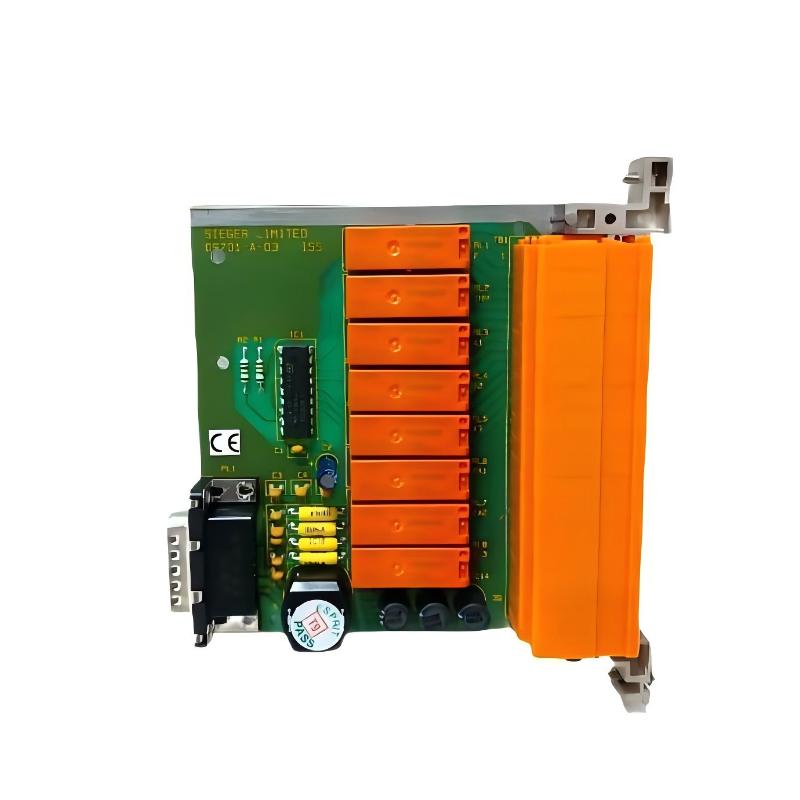
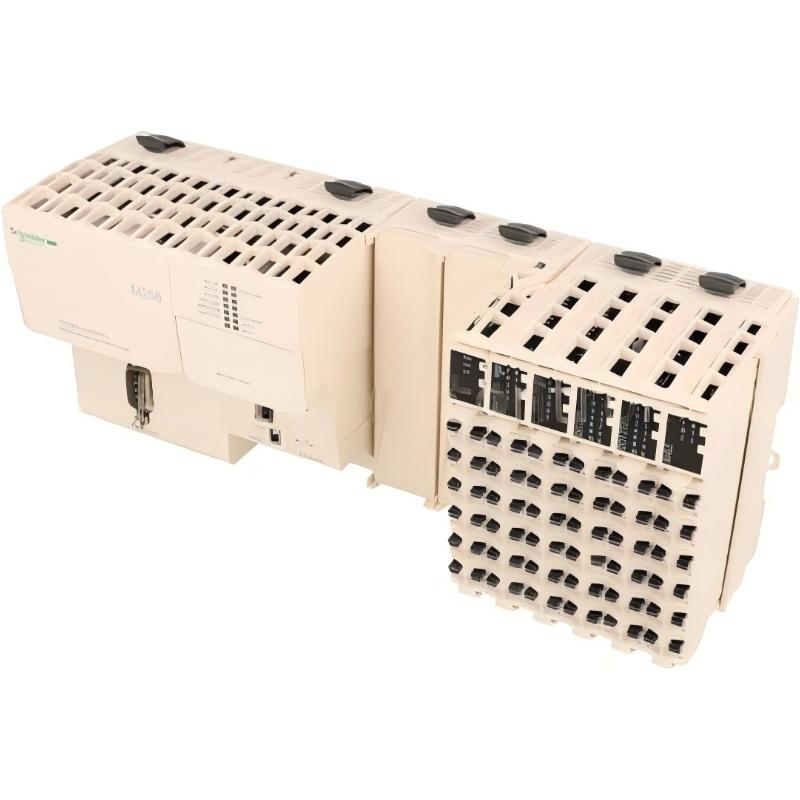
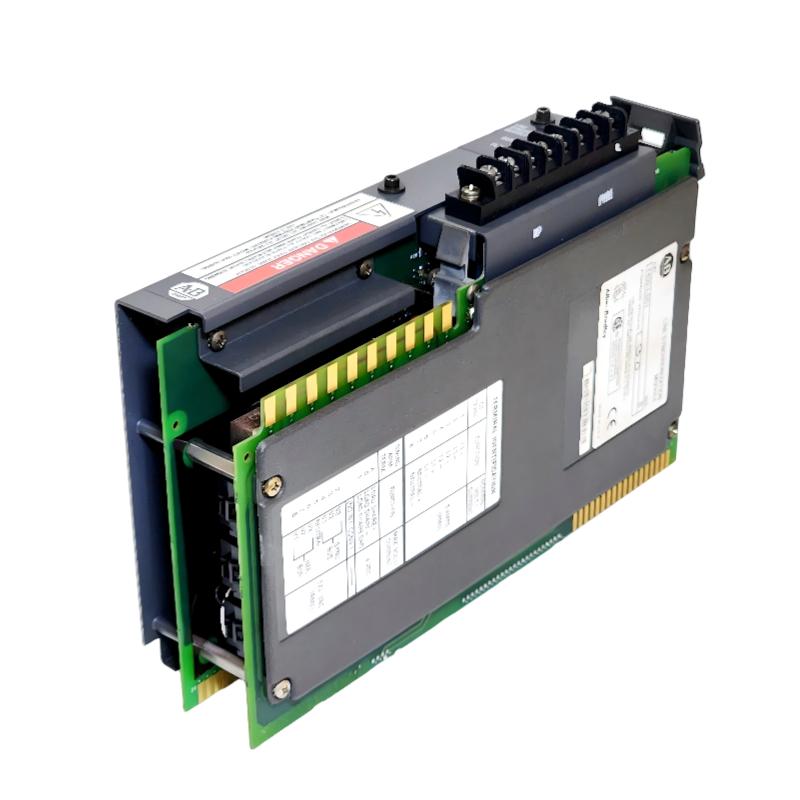
Programmable logic controllers remain a fundamental component of industrial automation. Siemens continues to improve PLC performance by increasing processing capability, communication flexibility, and integration with digital platforms.
Modern automation systems require controllers that can manage:
- High-speed machine control
- Industrial Ethernet communication
- Remote diagnostics
- Motion control applications
- Distributed automation architectures
The combination of advanced PLC systems and industrial software enables manufacturers to build more reliable and scalable production environments.
Digitalization Improves Industrial Equipment Lifecycle Management
One of the key benefits of smart manufacturing technology is improved equipment lifecycle management.
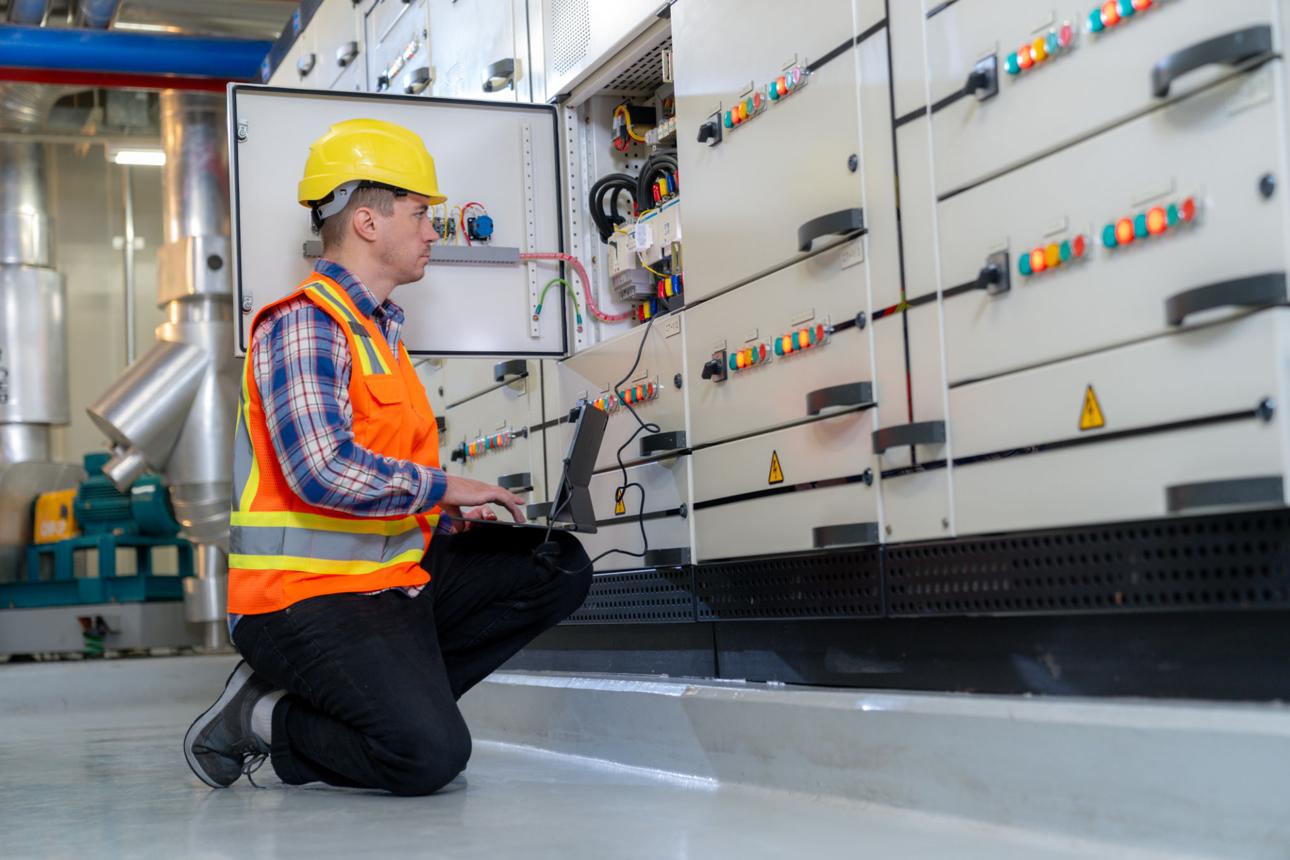
Through intelligent monitoring and industrial data analysis, companies can identify potential equipment issues before failures occur. This approach reduces unexpected shutdowns and improves maintenance planning.
Industrial automation suppliers and system integrators are increasingly adopting digital solutions to provide customers with higher equipment reliability and operational efficiency.
Global Impact on Industrial Automation Market
The continued development of AI-driven automation is expected to influence industries including:
- Automotive manufacturing
- Semiconductor production
- Energy infrastructure
- Chemical processing
- Food and beverage manufacturing
- Pharmaceutical production
As manufacturers invest in smart factory upgrades, demand for reliable automation components, PLC modules, communication interfaces, and industrial control equipment continues to grow.
Conclusion
Siemens’ continued investment in artificial intelligence and industrial automation demonstrates the direction of future manufacturing development.
The combination of PLC technology, industrial software, and intelligent data analysis will continue transforming factories worldwide, creating more efficient, flexible, and sustainable industrial production systems.