ABB Achieves New Sustainability Milestone in China as Shandong ABB Electrical Wiring Accessories Receives UL 2799 Platinum Zero Waste Certification
ABB Strengthens Green Manufacturing Strategy with Zero Waste Achievement in China
ABB has reached another important milestone in its sustainability development strategy in China, as Shandong ABB Electrical Wiring Accessories Co., Ltd. has successfully obtained the UL 2799 Platinum Zero Waste to Landfill certification.
The achievement demonstrates ABB’s continued commitment to green manufacturing, resource efficiency, and low-carbon industrial operations. It also highlights the company’s efforts to integrate sustainable practices into manufacturing processes, facility management, and the complete product lifecycle.
The certification represents a significant step forward for ABB’s manufacturing operations in China, supporting the company’s global sustainability objectives while promoting environmentally responsible industrial development.
UL 2799 Platinum Certification Recognizes 100% Waste Diversion Achievement
The UL 2799 Zero Waste Classification standard is recognized as one of the most demanding waste management certification programs for industrial facilities.
To achieve the Platinum level, a facility must reach a 100% waste diversion rate, meaning all operational waste must be managed through recycling, reuse, or energy recovery methods instead of being sent to landfill.
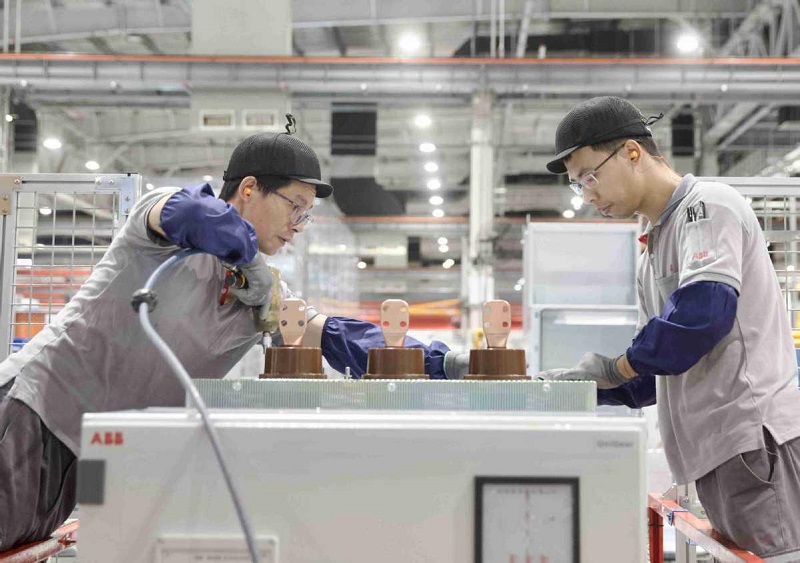
For Shandong ABB Electrical Wiring Accessories Co., Ltd., achieving this certification reflects the successful implementation of systematic waste reduction and resource recycling programs across manufacturing operations.
The certification process evaluated multiple aspects of plant operation, including:
- Waste classification and management
- Recycling and reuse processes
- Production material optimization
- Packaging improvement
- Environmental management practices
Smart Manufacturing Technologies Support Sustainable Industrial Operations
As industrial automation continues to evolve, sustainability has become an important factor in modern manufacturing strategies.
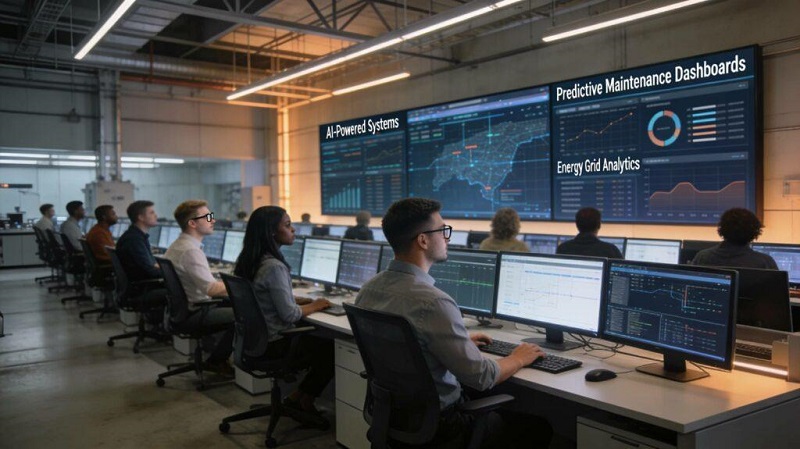
ABB’s approach combines automation technology, digital energy management, and operational optimization to help factories improve efficiency while reducing environmental impact.
Advanced industrial technologies supporting sustainable production include:
- Digital energy monitoring systems
- Automated production management
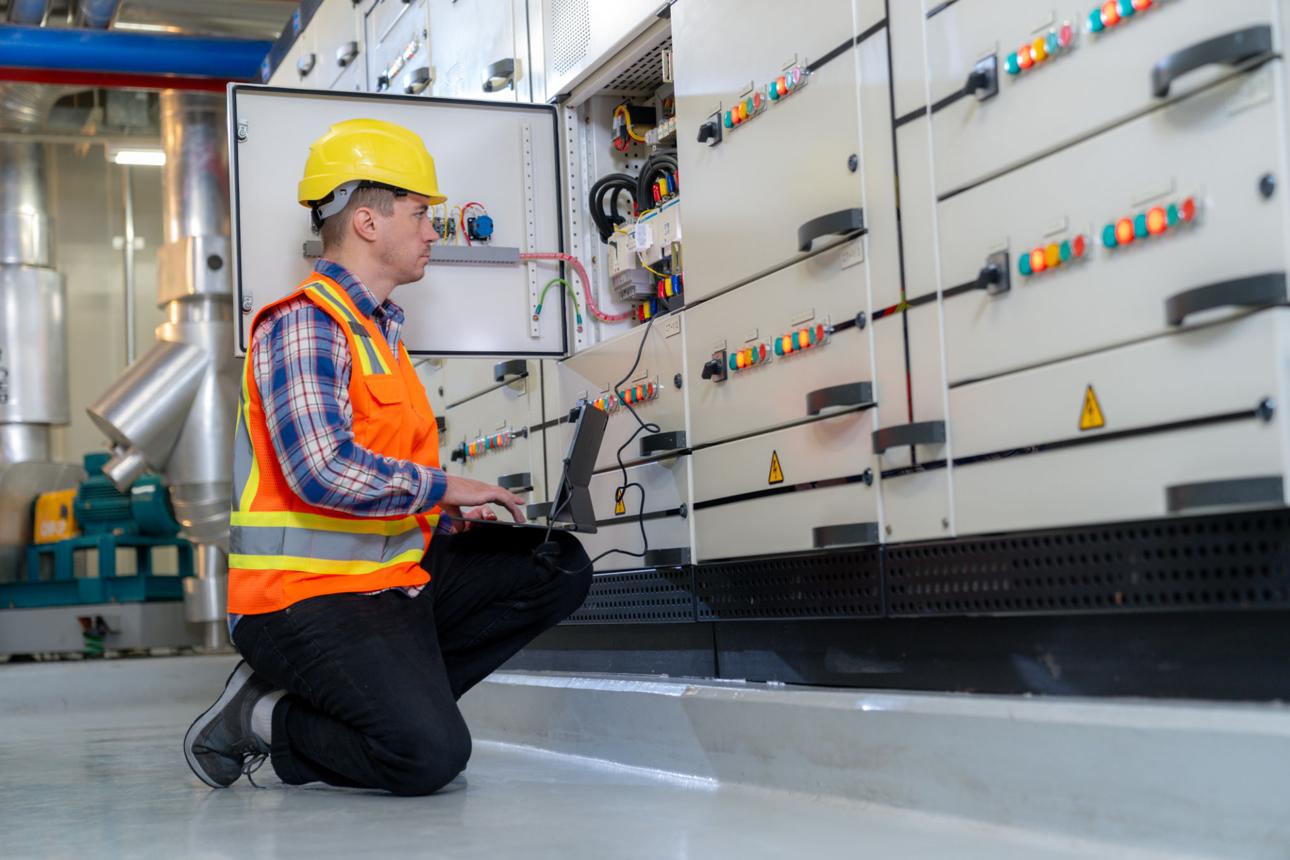
- Intelligent equipment control
- Industrial data analysis
- Efficient electrical distribution solutions
These technologies enable manufacturers to better understand energy consumption, optimize production processes, and improve overall operational performance.
Green Manufacturing Becomes a Key Trend in Industrial Automation
The manufacturing industry is experiencing a major transformation as companies increasingly focus on energy efficiency, carbon reduction, and sustainable supply chains.
For industrial automation users, green manufacturing is no longer only an environmental goal. It has become closely connected with:
- Production efficiency
- Equipment reliability
- Operational cost reduction
- Factory competitiveness
- Long-term business sustainability
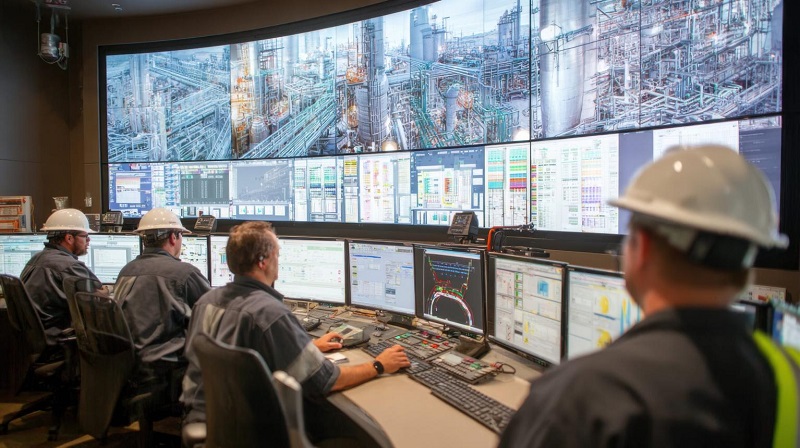
Automation systems, PLC control platforms, industrial communication networks, and intelligent electrical equipment are playing an increasingly important role in helping factories achieve these objectives.
ABB Continues Expanding Sustainable Industrial Solutions
ABB has been actively promoting sustainable development across its global operations, combining electrification, automation, and digital technologies to support more efficient industrial production.
In China, ABB has continued improving manufacturing sustainability through initiatives including green factories, energy management systems, resource recycling programs, and digital transformation projects.
The company’s sustainability strategy is closely connected with industrial automation development, where advanced control technologies help manufacturers achieve higher productivity with lower resource consumption.
Impact on Industrial Automation and Equipment Supply Chains
The success of Shandong ABB Electrical Wiring Accessories Co., Ltd. demonstrates how global automation companies are integrating sustainability into industrial manufacturing.
For automation equipment suppliers, system integrators, and industrial customers, this trend creates increasing demand for:
- Energy-efficient industrial equipment
- Intelligent control systems
- Sustainable production technologies
- Digital factory solutions
- Reliable automation components
As factories worldwide upgrade their infrastructure, green automation will become a major direction for future industrial development.
Conclusion
ABB’s achievement of UL 2799 Platinum Zero Waste certification at its Shandong manufacturing facility represents an important milestone in sustainable industrial development.
By combining green manufacturing practices with automation technology and digital solutions, ABB continues to support the transition toward more efficient, responsible, and sustainable industrial operations.
The development also reflects the broader transformation of the global manufacturing industry, where automation, energy management, and environmental responsibility are becoming increasingly connected.