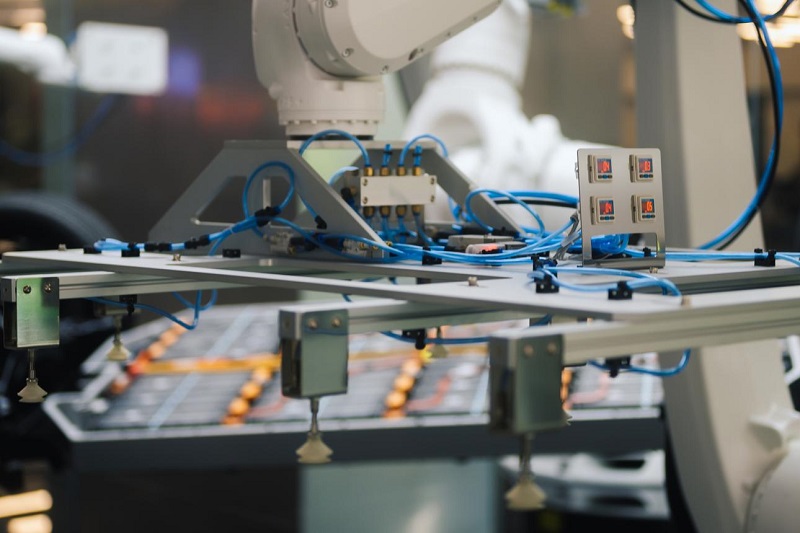
North American Industrial Robot Orders Rise as Automation Expands Beyond Automotive Manufacturing Robotics, PLC Integration, Machine Vision and Smart Factory Technologies Drive Broader Industrial Automation Adoption
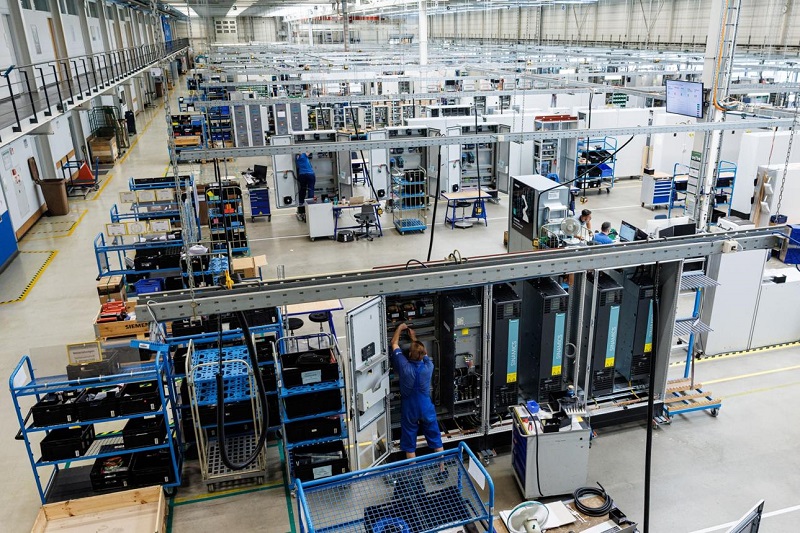
North America's industrial automation market is showing continued momentum in 2026 as manufacturers increasingly invest in robotics, machine vision, motion control and connected production systems.
According to second-quarter 2026 data released by the Association for Advancing Automation, North American companies ordered 8,940 robots during the quarter, representing a 4.3% increase from the same period in 2025. The value of those orders reached approximately $622 million, up 21.3% year over year.
The development is significant because industrial robotics demand is becoming more diversified. Automotive manufacturers remain major users of robots, but automation investment is increasingly expanding into electronics, semiconductor manufacturing, life sciences, food production, consumer goods and general manufacturing.
This change is creating opportunities throughout the industrial automation supply chain. Robots do not operate independently in most modern production environments. Automated robotic cells typically depend on PLC controllers, servo drives, industrial communication modules, safety systems, sensors, HMIs and machine vision equipment.
As more manufacturers adopt robotics, demand for supporting automation technologies is also expected to remain strong.
Industrial Robotics Moves Beyond Traditional Automotive Applications
For decades, automotive manufacturing has been one of the largest markets for industrial robots.
Robots are widely used for welding, painting, assembly, material handling and machine tending.
However, automation is now becoming increasingly common in other industries.
Electronics manufacturers are using robots for precision assembly and handling. Food producers are adopting robotic packaging and palletizing systems. Pharmaceutical and life sciences companies are exploring automation for controlled production and material handling.
General manufacturers are also using robots for repetitive operations that were previously performed manually.
This diversification is important because different industries require different automation architectures.
A packaging facility may prioritize high-speed motion control and vision inspection, while an electronics manufacturer may require extremely accurate positioning and clean production environments.
The result is a more diverse industrial robotics market.
PLC Controllers Remain Central to Robotic Automation
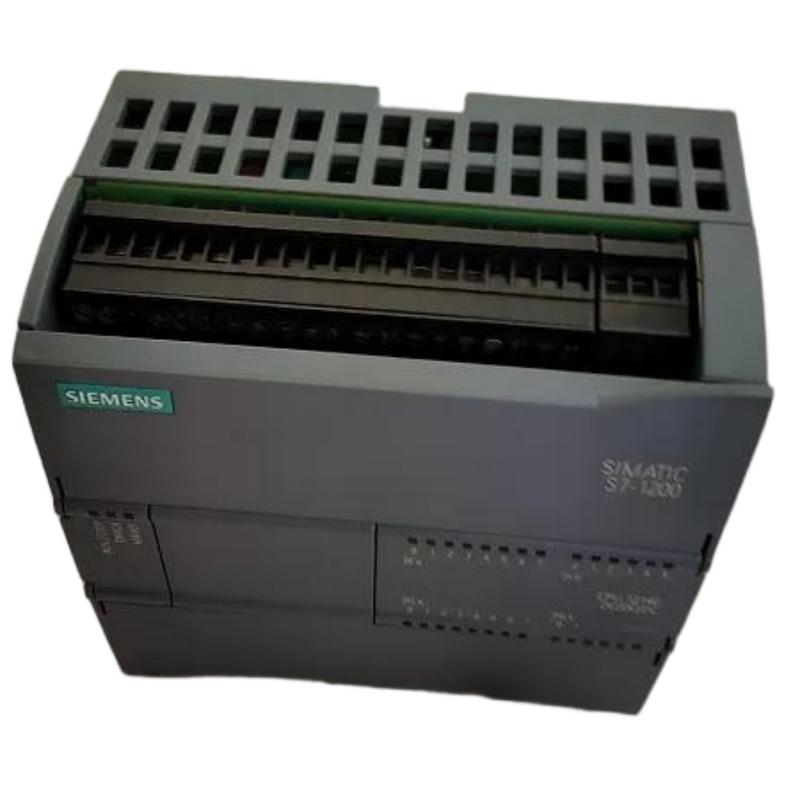
Although industrial robots receive much of the attention, PLC technology remains a critical component of automated production.
A PLC can coordinate the operation of:
- Industrial robots
- Servo drives
- Sensors
- Safety devices
- Conveyors
- HMIs
- Vision systems
- Remote I/O modules
In a robotic machine-tending application, for example, the PLC can verify that a machine is ready, confirm that a component is correctly positioned and coordinate the robot's operating sequence.
This makes PLC systems an important control layer between individual machines and the wider production process.
As factories become more automated, PLCs are increasingly expected to handle not only machine logic but also communication, diagnostics and production data.
Servo Motion Control Supports Higher Precision
Robotic automation is closely connected to motion control technology.
Servo motors and drives are used in applications requiring precise movement, synchronization and positioning.
Typical applications include:
- Packaging
- Assembly
- Semiconductor production
- Pick-and-place systems
- CNC machinery
- Material handling
Modern servo systems can provide accurate positioning and fast response while maintaining smooth machine operation.
For machine builders, integrating PLC controllers with servo drives and robotic systems is essential for creating coordinated production equipment.
The development of higher-performance motion control is therefore supporting the broader growth of industrial automation.
Machine Vision Adds Intelligence to Robotic Systems
Machine vision is another important technology contributing to the expansion of robotics.
Traditional automation generally operates according to predefined positions and conditions.
Vision systems provide robots and control systems with additional information about their environment.
Industrial vision applications include:
- Product inspection
- Component identification
- Position detection
- Assembly verification
- Defect inspection
- Automated sorting
The combination of vision and robotics allows production systems to handle greater product variation.
This is particularly useful for manufacturers producing multiple product configurations on the same production line.
Flexible Automation Becomes More Important
Manufacturing requirements are changing.
Many companies are producing more product variations while reducing production batch sizes.
Traditional dedicated automation equipment may not be flexible enough for these conditions.
Robotic systems can provide greater flexibility because software and programming can often be modified when production requirements change.
Manufacturers can use robots for multiple tasks or products rather than building completely separate machines.
This flexibility is becoming increasingly valuable as manufacturers attempt to respond faster to changing customer demand.
Automation Helps Address Workforce Challenges
Labor availability remains an important consideration for manufacturers.
Repetitive industrial tasks can be difficult to staff consistently, especially when production requires multiple shifts.
Robotic automation can perform repetitive operations continuously while allowing employees to focus on more complex activities.
However, automation does not eliminate the need for people.
Instead, it creates demand for workers with different skills.
Modern factories require engineers and technicians who understand:
- PLC programming
- Robot programming
- Servo systems
- Industrial networks
- Machine vision
- Industrial safety
- Equipment diagnostics
This means workforce development is becoming an important part of industrial automation strategies.
Industrial Communication Connects Robotic Production Cells
Modern automated equipment requires reliable communication.
Industrial networks allow PLCs, robots, HMIs, drives and sensors to exchange information.
Connected systems can provide:
- Real-time machine status
- Production information
- Equipment diagnostics
- Alarm information
- Maintenance data
Industrial Ethernet technologies are becoming increasingly important as automation architectures become more complex.
The ability to connect different automation devices also makes it easier for manufacturers to collect production data and integrate factory equipment with higher-level manufacturing systems.
Predictive Maintenance Supports Robot Availability
Robotic production systems must operate reliably to deliver their expected benefits.
Unexpected equipment failures can stop an entire production cell.
Predictive maintenance technologies use data from controllers, sensors, drives and other equipment to identify abnormal conditions.
Maintenance teams can monitor:
- Motor performance
- Drive conditions
- Operating cycles
- Temperature
- Vibration
- Production patterns
Early identification of abnormal conditions can help companies schedule maintenance before a major failure occurs.
This approach can improve equipment availability and reduce unplanned downtime.
Industrial Cybersecurity Becomes More Important
Greater connectivity also increases cybersecurity requirements.
Modern robotic cells may connect to:
- PLC networks
- Engineering computers
- SCADA systems
- Manufacturing execution systems
- Remote maintenance platforms
- Enterprise networks
Each connection provides useful functionality but also needs appropriate protection.
Industrial companies increasingly need to consider network segmentation, user access, secure remote connections and device management.
Cybersecurity is becoming an essential part of automation engineering.
The Growing Market for Industrial Automation Components
The expansion of robotics is creating demand for a wide range of industrial automation products.
Manufacturers and system integrators may require:
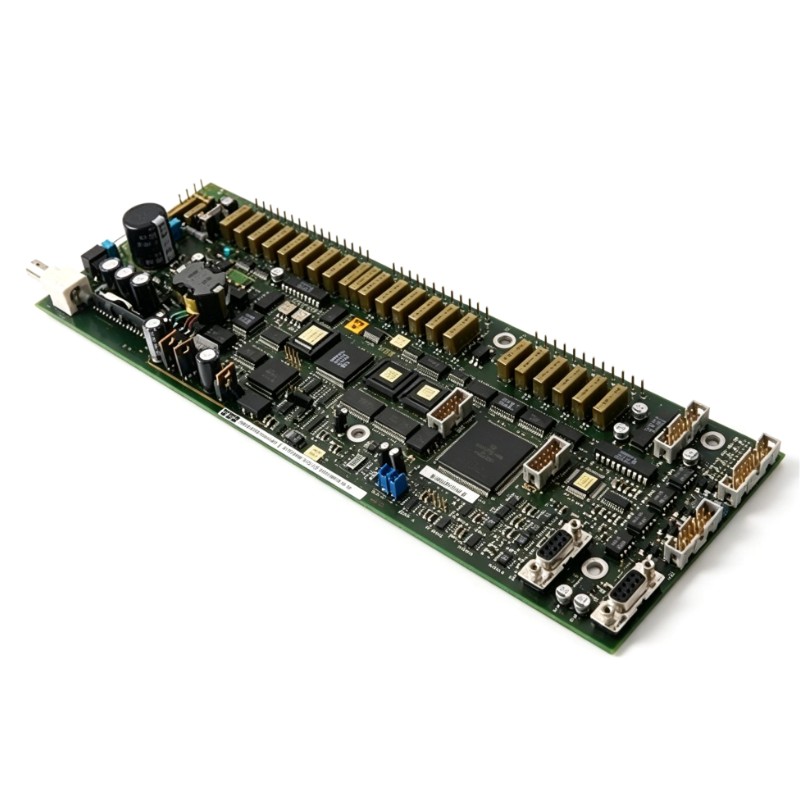
- PLC processors
- Digital input and output modules
- Communication modules
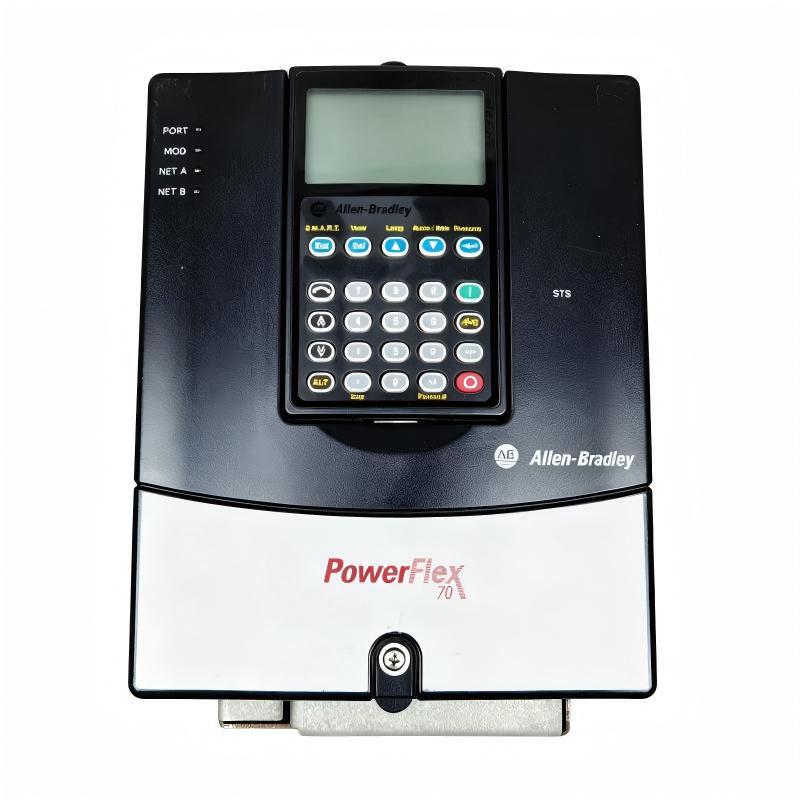
- Servo drives
- Motion controllers
- HMI panels
- Remote I/O
- Industrial sensors
- Safety controllers
- Industrial networking equipment
Existing factories also create a large replacement market.
Many production facilities continue using automation equipment installed years ago. When components become obsolete or fail, manufacturers need compatible replacement products to maintain production.
This creates opportunities for international industrial automation suppliers and distributors.
What Comes Next for Industrial Robotics?
The next stage of industrial robotics will focus on integration rather than simply increasing robot numbers.
Manufacturers are expected to combine robots with:
- PLC systems
- Machine vision
- AI-based analytics
- Industrial IoT
- Edge computing
- Digital manufacturing platforms
This will create more intelligent production cells capable of monitoring their own performance and responding to changing conditions.
The development of flexible automation will be particularly important for manufacturers producing customized or frequently changing products.