Schneider Electric Accelerates Industrial Automation Innovation with Next-Generation PLC, IoT and Energy Management Solutions
Smart Automation Platforms Help Manufacturers Improve Efficiency, Sustainability and Digital Factory Performance
The global manufacturing industry is continuing its transition toward intelligent automation as companies invest in digital technologies that improve productivity, reduce energy consumption and strengthen operational visibility.
Industrial companies today face multiple challenges, including increasing energy costs, workforce shortages, supply chain pressure and the demand for more flexible production.
To respond to these challenges, manufacturers are adopting advanced automation architectures that combine programmable logic controllers, industrial IoT platforms, energy management systems and digital monitoring technologies.
Schneider Electric continues expanding its industrial automation solutions by integrating control technologies with software-driven manufacturing platforms.
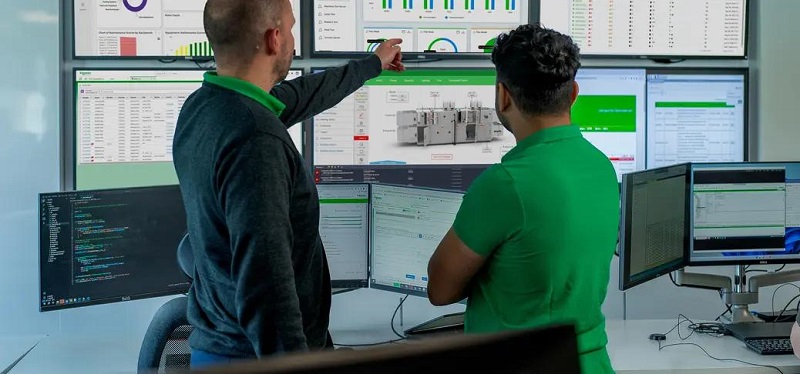
The company’s automation technologies are increasingly focused on creating connected industrial environments where equipment, operators and digital systems can exchange information in real time.
This development reflects a broader transformation across the global automation market.
Factories are moving away from isolated control systems and toward intelligent production ecosystems.
PLC Systems Remain the Foundation of Modern Industrial Control
Programmable Logic Controllers continue to be one of the most important technologies in industrial automation.
Across manufacturing sectors, PLC systems provide reliable control for:
- Production machines
- Motor systems
- Conveyor equipment
- Packaging lines
- Process equipment
- Safety systems
Modern PLC platforms are becoming more powerful and connected.
Compared with traditional controllers, newer PLC systems provide:
- Faster processing speeds
- Advanced communication functions
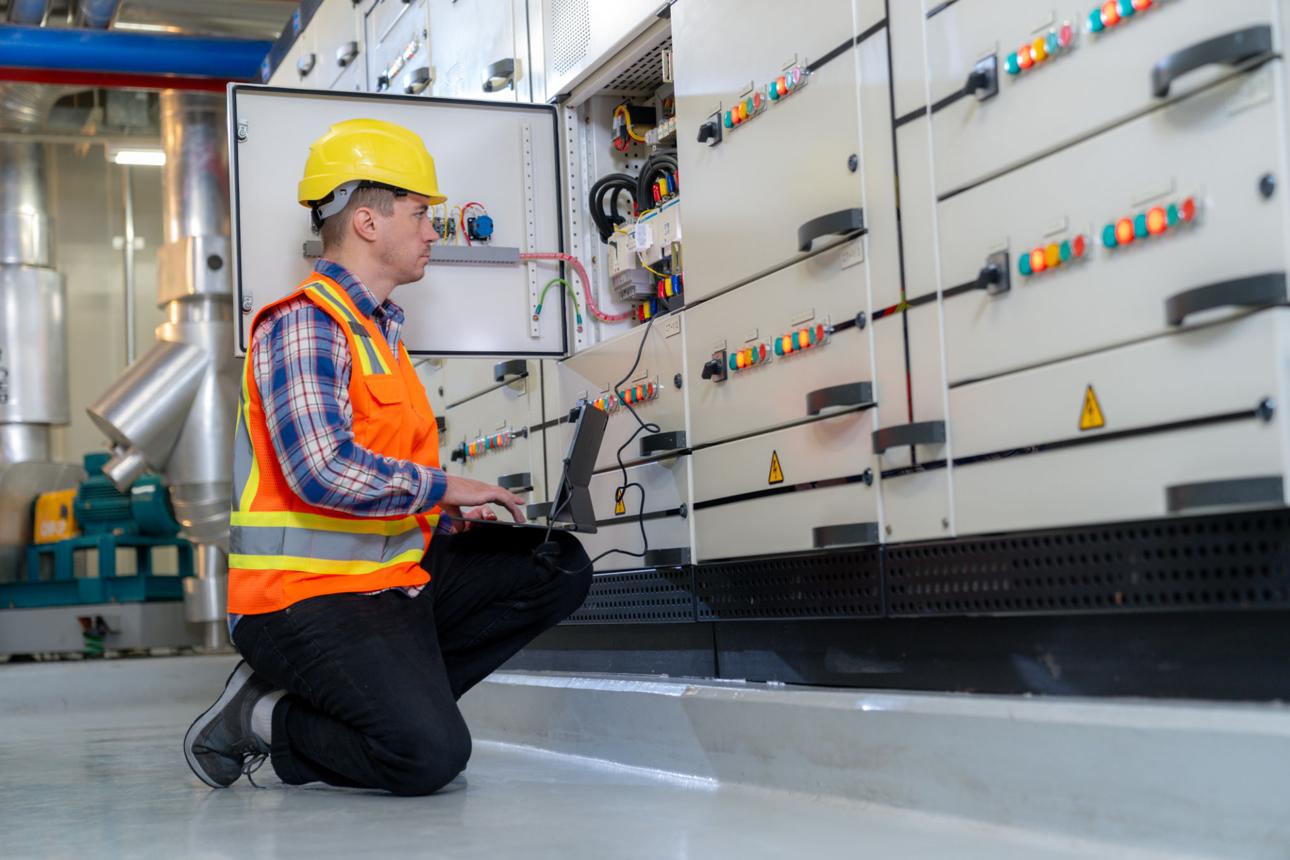
- Remote diagnostics
- Data collection capabilities
- Improved cybersecurity features
These improvements allow PLCs to support the development of smart factories.
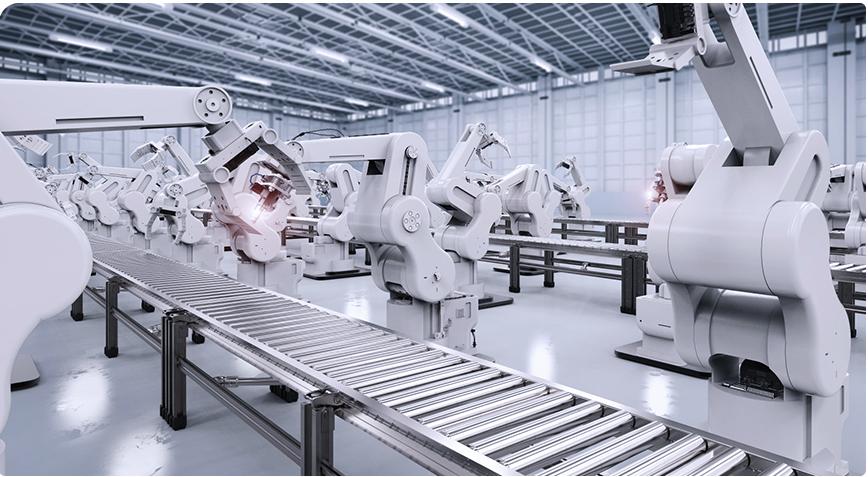
A modern production line may require PLC systems to communicate with robots, sensors, industrial computers and enterprise software platforms.
Energy Management Becomes a Key Part of Factory Automation
Energy efficiency has become a major priority for industrial companies.
Manufacturers are looking for ways to reduce operating costs while improving sustainability.
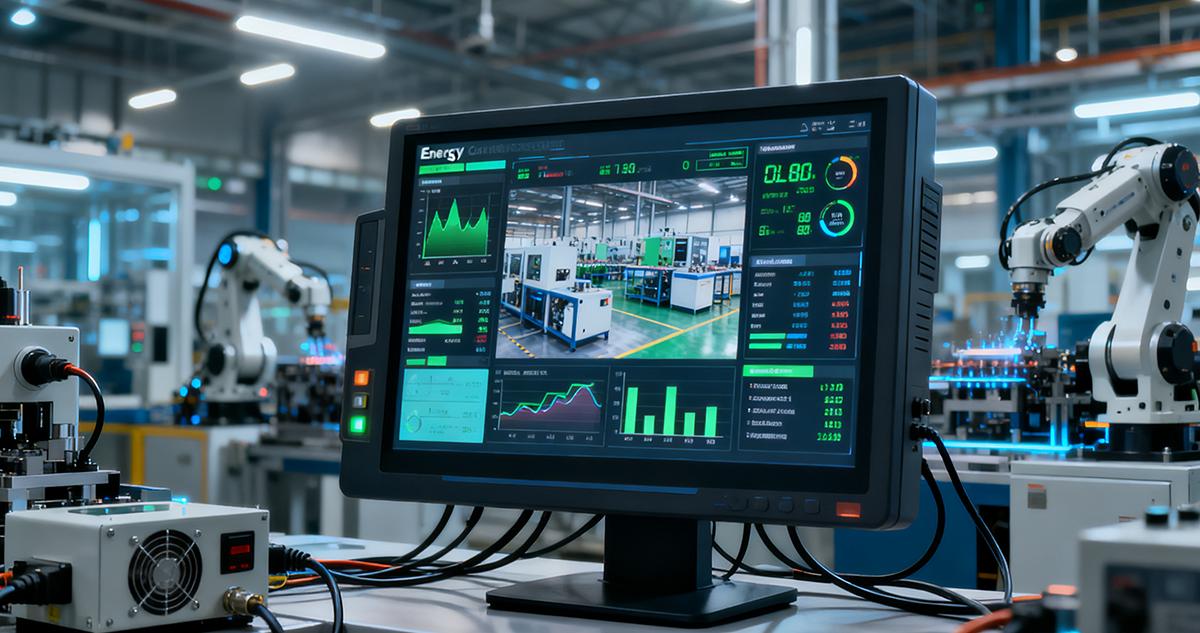
Automation systems can help companies monitor and optimize energy consumption.
Industrial energy management solutions can analyze:
- Motor performance
- Machine operating cycles
- Production efficiency
- Energy consumption patterns
By understanding how equipment uses energy, companies can identify opportunities to reduce waste.
Automation is therefore becoming an important tool for both productivity improvement and environmental management.
Industrial IoT Creates Connected Manufacturing Environments
Industrial Internet of Things technology is changing how factories operate.
Traditional automation systems focused mainly on controlling machines.
Modern systems also collect and analyze operational data.
Industrial IoT connects:
- PLC controllers
- Sensors
- Drives
- Machines
- Monitoring systems
- Digital platforms
Connected systems provide manufacturers with better visibility into production processes.
Companies can monitor:
- Equipment status
- Production performance
- Maintenance requirements
- Energy usage
This information supports faster decision-making.
Digital Transformation Improves Factory Operations
Digital transformation is becoming a major trend in industrial automation.
Manufacturers are adopting digital tools to improve:
- Engineering efficiency
- Production management
- Maintenance planning
- Equipment performance
Digital platforms allow companies to connect physical equipment with software applications.
This creates a more transparent production environment.
Engineers can analyze machine conditions and identify improvement opportunities without relying only on manual inspection.
Industrial Edge Computing Supports Real-Time Automation
Industrial edge computing is becoming increasingly important because many automation applications require immediate responses.
Instead of sending all information to remote cloud systems, edge devices process data closer to machines.
Advantages include:
- Faster response times
- Reduced communication delays
- Improved reliability
- Better control over industrial data
Applications include:
- Machine monitoring
- Quality inspection
- Production optimization
- Predictive maintenance
Edge computing is becoming an important bridge between automation hardware and digital intelligence.
Predictive Maintenance Reduces Manufacturing Downtime
Unexpected equipment failures remain a major challenge for industrial companies.
Predictive maintenance technologies help identify potential problems before they cause production interruptions.
Automation systems collect information from:
- Sensors
- Drives
- Controllers
- Machines
This information can be analyzed to detect abnormal conditions.
Benefits include:
- Reduced downtime
- Lower maintenance costs
- Improved equipment availability
Predictive maintenance is becoming a standard feature of intelligent factories.
Cybersecurity Requirements Increase with Industrial Connectivity
As factories become more connected, cybersecurity becomes increasingly important.
Industrial companies must protect:
- PLC networks
- Industrial communication systems
- Remote access connections
- Production data
Modern automation strategies increasingly include:
- Network protection
- User authentication
- Secure communication
- Device monitoring
Cybersecurity is becoming a fundamental requirement for industrial automation projects.
Automation Modernization Creates Global Demand
Many factories worldwide are upgrading existing automation systems.
Instead of replacing complete production facilities, companies often modernize individual components.
Common upgrades include:
- PLC replacement
- Communication module upgrades
- HMI modernization
- Drive replacement
- Industrial network improvements
This creates continuous demand for automation equipment suppliers.
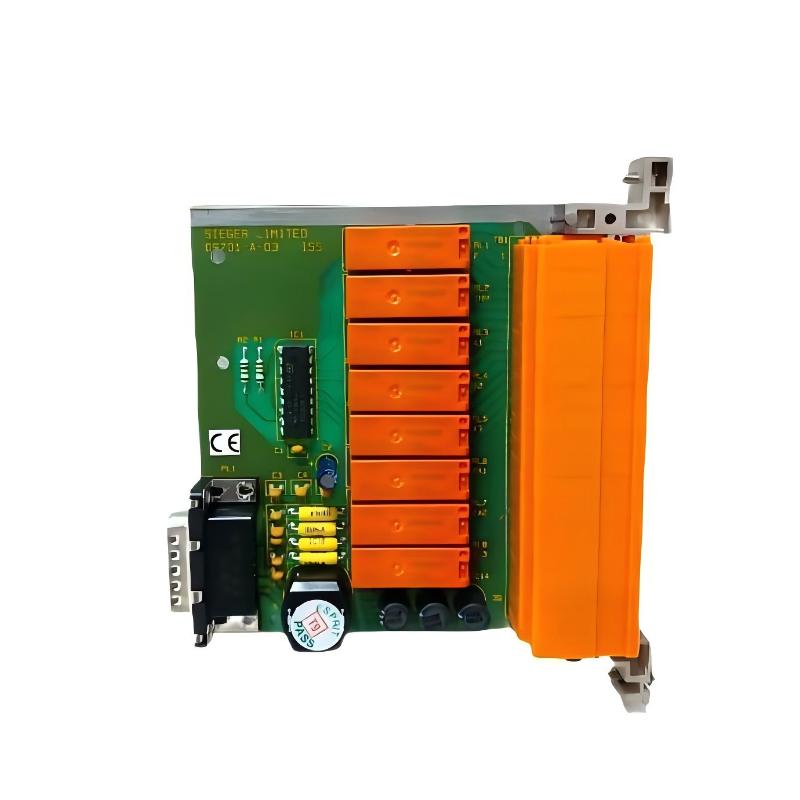
Products such as PLC modules, I/O systems, industrial controllers and communication devices remain important in the global market.
Future Development of Industrial Automation
The future of industrial automation will combine:
- PLC technology
- Artificial intelligence
- Industrial IoT
- Digital engineering
- Energy management
- Robotics
Factories will become more intelligent and adaptable.
Automation systems will not only control machines but also help companies optimize production decisions.